Unter den Straßen der Medina
Unter den belebten Gassen von Tétouans Medina erzählt ein Netz von Gängen eine überraschende Geschichte von Gefangenschaft und Überzeugung.
Die ganze Geschichte wird in der Tour freigeschaltet
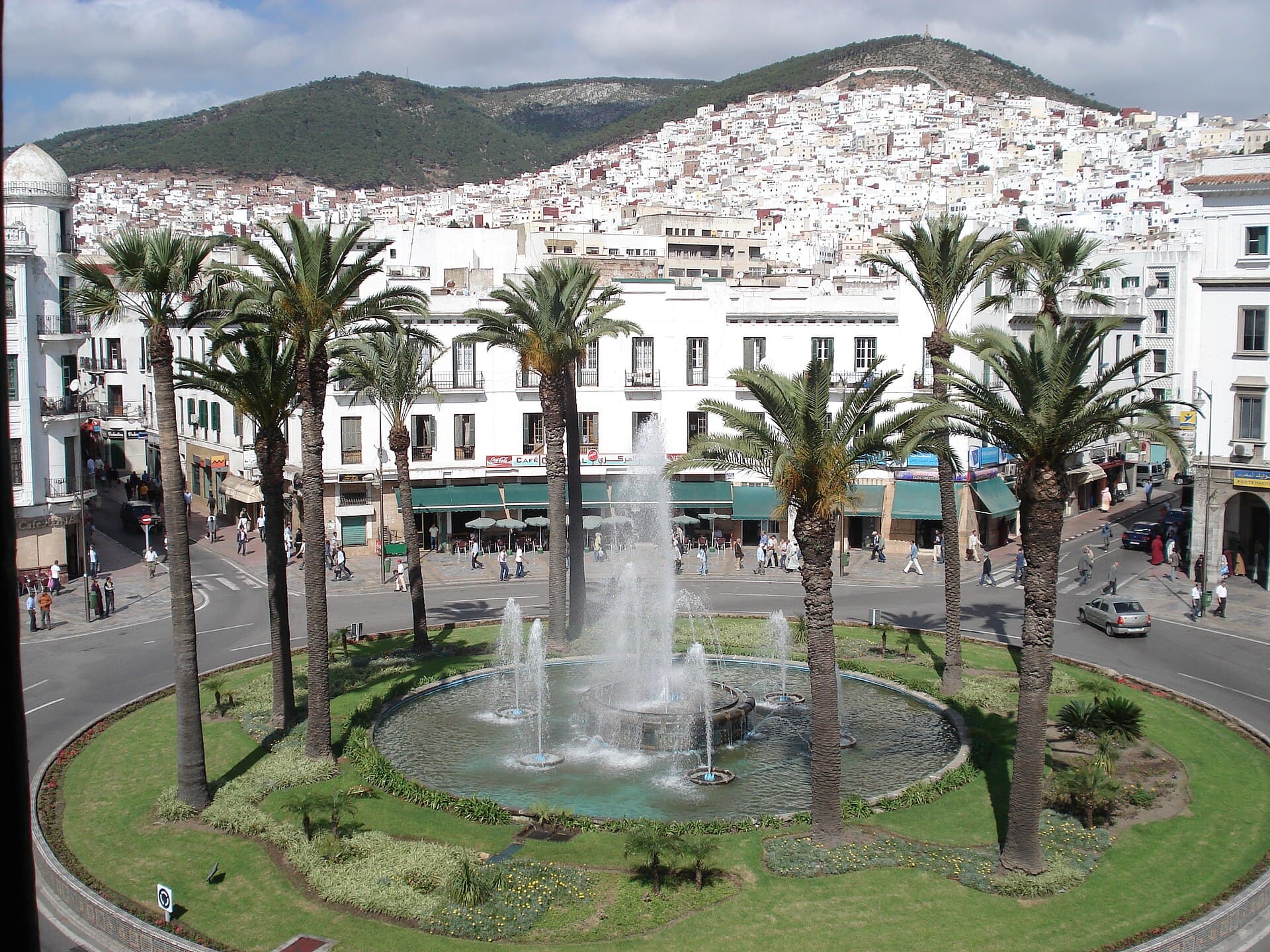 happinesswithin / CC BY 3.0, via Wikimedia Commons
Selbstgeführte Audio-Walking-Tour durch Tétouan — GPS-Route, Offline-Wiedergabe, erzählerische Narration in 32 Sprachen.
“Tétouan: Wo andalusische Echos auf marokkanische Kunstfertigkeit treffen.”
Nicht die Postkarten. Die Geschichten, die selbst Einheimische nicht kennen – dir ins Ohr geflüstert, genau dort, wo sie geschahen.
Unter den belebten Gassen von Tétouans Medina erzählt ein Netz von Gängen eine überraschende Geschichte von Gefangenschaft und Überzeugung.
Tétouans jüdischer Friedhof bewahrt eine besondere Sitte, die die Identifizierung seiner frühesten Gräber erschwert.
Im Gegensatz zu vielen marokkanischen Medinas zeigt Tétouans Altstadt ein bewusstes Design, das auf seine andalusischen Ursprünge verweist.
Entdecke jedes Geheimnis von Tétouan
Jede Adresse, jede Enthüllung vollständig – in deinem Ohr, genau dort, wo es geschah.
Du wählst deine Stationen. Du gehst. Die Stimme enthüllt, was andere übersehen.


Deine selbstgeführte Audio-Tour durch Tétouan ist bereit – wähle deine Sehenswürdigkeiten, deine Sprache und starte, sobald du ankommst.
KaufenLume enthält einen integrierten Augmented-Reality-Guide. Halten Sie Ihr Handy hoch: Die Kamera zeigt die Straße vor Ihnen, mit einem leuchtenden Pfeil über dem echten Bild, der immer auf Ihren nächsten Stopp zeigt — keine Karte zum Rätseln, keine falschen Abzweigungen. Wie alles bei Lume funktioniert es komplett offline.
Tétouan, oft als 'Die Weiße Taube' wegen seiner charakteristischen weiß getünchten Gebäude bezeichnet, ist eine Stadt im Norden Marokkos, die eine einzigartige Mischung aus andalusischer Anmut und marokkanischem Erbe bietet. Sie liegt im Martil-Tal, wenige Kilometer südlich der Straße von Gibraltar, und ist einer der beiden wichtigsten Mittelmeerhäfen Marokkos. Diese einladende Stadt bietet eine erfrischende Abwechslung zu überfüllten Reisezielen und ermöglicht ein tiefes kulturelles Eintauchen ohne die üblichen Menschenmassen.
Das Wesen der Stadt wird tiefgreifend durch jahrhundertelangen kulturellen Austausch, insbesondere mit Spanien, geprägt. Ihre zum UNESCO-Weltkulturerbe gehörende Medina, die für ihre Authentizität und ihren gut erhaltenen andalusischen Charakter anerkannt ist, zeugt von dieser tiefgreifenden Vergangenheit. Tétouan ist auch für seinen künstlerischen Geist und sein traditionelles Handwerk bekannt und gehört seit 2017 zum UNESCO-Netzwerk der Kreativstädte für Kunsthandwerk und Volkskunst.
Tétouans Geschichte reicht über 2.000 Jahre zurück, mit frühen Siedlungen der alten Mauretanier im 3. Jahrhundert v. Chr. Phönizier und später Römer, die eine Kolonie in Tamuda gründeten, trieben ebenfalls Handel und siedelten in der Gegend.
Die Geschichte der modernen Stadt begann wirklich nach dem Ende der muslimischen Herrschaft in Andalusien im Jahr 1492. Sie wurde im 15. Jahrhundert von Sidi Ali Al-Mandari, einem Granadiner, der wie viele andalusische Flüchtlinge Tétouan zu seiner Heimat machte, neu gegründet. Diese Exilanten brachten andalusische Architektur, Kunst und Traditionen mit, die Tétouans Charakter bis heute prägen. Die Stadt gewann schnell an Bedeutung als Zufluchtsort für Muslime und Juden, die vor der spanischen Reconquista flohen.
Im späten 13. Jahrhundert errichteten die Meriniden eine Kasbah und eine Moschee, und 1305 befestigte Sultan Abu Thabit Amir die Siedlung. Anfang des 15. Jahrhunderts zerstörten die Kastilier die Siedlung jedoch als Vergeltung für Piraterie. Ab den 1530er Jahren wurde Tétouan zu einem bedeutenden Zentrum der Piraterie, wobei Korsaren dies als Akt der Vergeltung gegen die spanische Reconquista betrachteten.
Zwischen 1913 und 1956 diente Tétouan als Hauptstadt des spanischen Protektorats Marokko. Diese Periode festigte die hispano-maurische Identität der Stadt weiter und beeinflusste ihre Architektur, Küche und künstlerischen Traditionen. Die Spanier errichteten ein neues Viertel, das Ensanche, mit europäischen Monumenten wie dem spanischen Kino und der Kirche Nuestra Señora de la Victoria. Nach der Unabhängigkeit Marokkos im Jahr 1956 wurde Tétouan wieder Teil der neu unabhängigen Nation.
Das Herzstück von Tétouan ist seine zum UNESCO-Weltkulturerbe gehörende Medina, eine der authentischsten und am besten erhaltenen Marokkos, mit engen, weiß getünchten Gassen, die starke andalusische Einflüsse widerspiegeln. Erkunden Sie die lebhaften Souks, die nach Handwerkskunst geordnet sind, wo Handwerker traditionelle Waren wie Keramik, Textilien und Lederprodukte herstellen. Die Dar Sanaa Kunsthandwerksschule in der Nähe von Bab el-Okla bietet die Möglichkeit, Zellige-Mosaike, Stickereien und Holzarbeiten in Arbeit zu beobachten.
Jenseits der Medina entdecken Sie das spanische Ensanche, ein Kolonialviertel mit historischen Gebäuden, Geschäften und Cafés. Der Moulay El Mehdi Platz, auch bekannt als Primo Platz, ist ein zentraler Treffpunkt mit einem Brunnen und hispano-maurischer Architektur. Der Hassan II Platz führt zum Königspalast, einem architektonischen Wunderwerk, das mit komplizierten Mosaiken und verzierten Innenhöfen geschmückt ist. Für einen weiten Blick über die Stadt und das Rif-Gebirge besuchen Sie den Aussichtspunkt des alten spanisch-marokkanischen Friedhofs.
Tauchen Sie im Archäologischen Museum in Tétouans Vergangenheit ein, das römische und prähistorische Artefakte aus der Region beherbergt, darunter Mosaike aus Lixus und Volubilis. Das Ethnografische Museum, untergebracht in einem Palast aus dem 19. Jahrhundert, zeigt traditionelle Trachten, Schmuck und Handwerk und bietet Einblicke in das lokale Leben. Für zeitgenössische Kunst bietet das Tétouan Center of Modern Art, in einem ehemaligen spanischen Bahnhof gelegen, Werke marokkanischer und internationaler Künstler.
Die angenehmsten Besuchszeiten für Tétouan sind Frühling (März bis Mai) und Herbst (September bis November). In diesen Jahreszeiten ist das Wetter mild und angenehm, mit Temperaturen zwischen 15°C und 25°C, ideal für die Erkundung von Attraktionen im Freien. Die Sommer, besonders Juli und August, können warm sein, mit durchschnittlichen Höchstwerten um 29°C, obwohl eine Meeresbrise vom Mittelmeer etwas Linderung verschaffen kann. Die Winter sind kühler und regenreicher.
Der marokkanische Dirham (MAD) ist die lokale Währung. Während Arabisch (Darija) die Hauptsprache ist, wird Spanisch aufgrund der historischen Verbindungen der Stadt als spanisches Protektorat weit verbreitet gesprochen, insbesondere von älteren Einwohnern. Französisch wird ebenfalls häufig verstanden, und Englisch wird in touristischen Gebieten immer verbreiteter.
Tétouan gilt im Allgemeinen als sicher für Reisende, einschließlich alleinreisender Frauen, und bietet ein entspannteres Tempo als größere marokkanische Städte. Standardvorkehrungen, wie das Sichern von Wertsachen in belebten Souks und das Vermeiden sehr dunkler Gassen spät in der Nacht, sind immer ratsam. Die hartnäckigste Interaktion, der Sie begegnen könnten, ist mit Händlern in der Medina, was mit einem festen 'la shukran' (nein danke) bewältigt werden kann.
Tétouan hat einen kleinen Flughafen, aber für mehr Flugoptionen ist der Flughafen Tanger (TNG) eine gute Alternative, etwa 45 Minuten mit dem privaten Taxi entfernt.
Tétouan — Koreanisch, Chinesisch, Hebräisch und 29 weitere Sprachen, jede Station von einer muttersprachlichen Stimme erzählt. Die größte Sprachauswahl aller selbstgeführten Audiotouren.
Verfügbar auf: