De Haihe-rivier
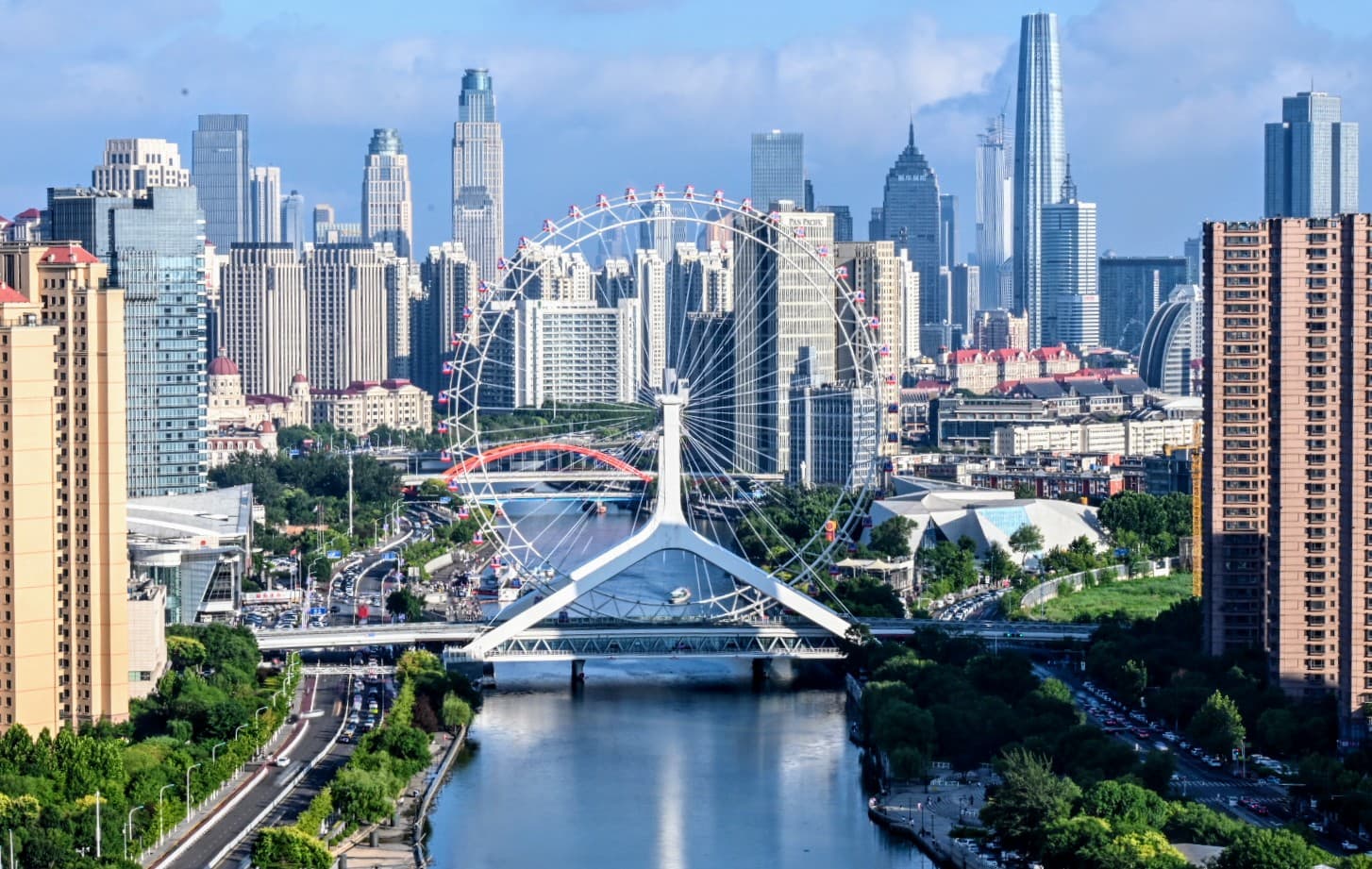
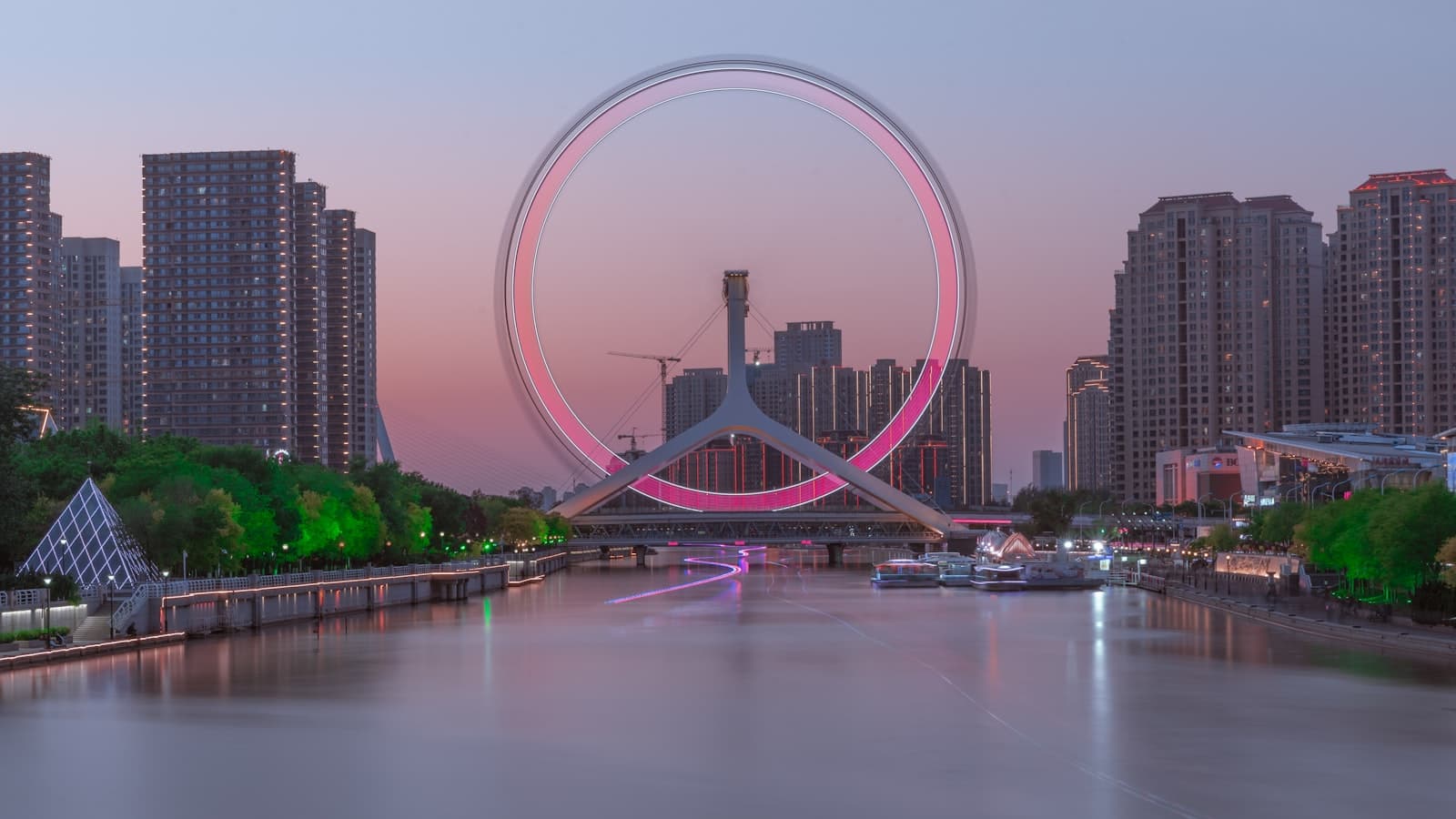
Het meest duurzame symbool van Tianjin, de Tianjin Eye, is meer dan een reuzenrad; het belichaamt de unieke verbinding van de stad met zijn waterwegen.
Volledig verhaal ontgrendeld in de tour
 KangTyngrwey / CC BY-SA 4.0, via Wikimedia Commons
Zelfgeleide audiowandeling door Tianjin — GPS-route, offline afspelen, meeslepende vertelling in 32 talen.
“Waar de stromen van Oost en West samenkomen in een onverwachte mix van verleden en heden.”
Niet de ansichtkaarten. De verhalen die zelfs locals niet kennen — gefluisterd in je oor, precies waar ze gebeurden.
Het meest duurzame symbool van Tianjin, de Tianjin Eye, is meer dan een reuzenrad; het belichaamt de unieke verbinding van de stad met zijn waterwegen.
Onder de vele Europese wijken van Tianjin herbergt de Italiaanse Concessie een verrassende waarheid over de werkelijke Italiaanse bevolking.
Aan Heping Road presenteert een museum een werkelijk zoete, en enigszins fantastische, artistieke ontmoeting.
Ontdek elk geheim van Tianjin
Elk adres, elke onthulling volledig — in je oor, precies waar het gebeurde.
Jij kiest je stops. Jij wandelt. De stem onthult wat de anderen missen.
Je zelfgeleide audiotour van Tianjin is klaar — kies je bezienswaardigheden, kies je taal en start zodra je aankomt.
KopenLume heeft een ingebouwde augmented-reality-gids. Houd je telefoon omhoog: de camera toont de straat voor je, met een oplichtende pijl over het echte beeld die altijd naar je volgende stop wijst — geen kaart om uit te puzzelen, geen verkeerde afslagen. Zoals alles in Lume werkt het volledig offline.
Tianjin, een uitgestrekte stedelijke uitgestrektheid in Noord-China, verrast degenen die binnen zijn grenzen komen vaak met een onderscheidend karakter. Gelegen waar rivieren de Bohai-zee instromen en fungeren als een cruciale doorgang naar Beijing, is het verhaal een boeiend verslag van strategisch belang en kruisbestuiving van culturen. Het landschap van de stad is een boeiende verweving van traditionele Chinese elementen en een opmerkelijke verzameling architectuur in Europese stijl, een directe erfenis van het verleden als haven voor verdragen. Deze unieke juxtapositie creëert een sfeer waar oude tempels naast grandioze koloniale villa's staan, en levendige markten plaatsmaken voor hedendaagse torens.
Meer dan alleen een doorvoerhaven, Tianjin heeft zijn eigen identiteit gecultiveerd, gevormd door eeuwen van handel, militaire betekenis en de instroom van diverse invloeden. Van zijn begin als militaire kazerne tot zijn rol als een bloeiend commercieel centrum, biedt Tianjin een veelzijdige ervaring, die uitnodigt tot diepere verkenning voorbij zijn meer gevierde buren. Het is een stad waar elke bocht een laag van zijn ingewikkelde verleden onthult, waardoor het een plek is die de nieuwsgierige reiziger beloont.
De officiële stichting van Tianjin dateert uit 1404, toen keizer Zhu Di van de Ming-dynastie, die hier met zijn troepen een rivier overstak, de naam "Tianjin" schonk, wat "Hemelse Doorwaadbare Plaats" betekent. Hij beval de bouw van vestingmuren, en vestigde het als "Tianjinwei" (Wacht van de Hemelse Doorwaadbare Plaats), een vitale militaire kazerne die de toegang tot Beijing beschermde. Echter, nederzettingen en zoutwerken bestonden veel eerder, met de aanleg van het Grote Kanaal tijdens de Sui-dynastie (581–618) als katalysator voor de ontwikkeling van de regio tot een cruciaal transport- en logistiek centrum.
De strategische ligging van Tianjin aan het noordelijke uiteinde van het Grote Kanaal en de nabijheid van de zee verzekerden zijn lot als een belangrijk handelscentrum. Eeuwenlang faciliteerde het de beweging van graan, zout en andere goederen uit Zuid-China naar de hoofdstad. Tegen de Ming-dynastie was het een bruisende commerciële haven, die migranten aantrok en een onderscheidende cultuur bevorderde die militaire tradities combineerde met een dynamisch commercieel leven.
Een cruciaal moment in de geschiedenis van Tianjin kwam in 1858 met de ondertekening van de Verdragen van Tianjin na de Tweede Opiumoorlog, die de stad openden voor buitenlandse handel. Dit leidde tot de oprichting van buitenlandse concessies, beginnend met Groot-Brittannië en Frankrijk in 1860. Begin 20e eeuw hadden negen landen - Groot-Brittannië, Frankrijk, de Verenigde Staten, Duitsland, Rusland, Japan, Oostenrijk-Hongarije, Italië en België - hun eigen gebieden binnen Tianjin gevestigd. Deze concessies, die opereerden onder extraterritorialiteit, stelden buitenlandse mogendheden in staat hun eigen wetten, politie en stadsplanning te handhaven, grotendeels onafhankelijk van Chinees toezicht. Dit tijdperk had een diepgaande invloed op de stedelijke ontwikkeling van Tianjin, wat leidde tot de bouw van architectuur in Europese stijl en moderne infrastructuur. De Amerikaanse concessie fuseerde bijvoorbeeld in 1902 met de Britse, waardoor de laatste de grootste werd. Hoewel deze concessies modernisering stimuleerden, voedden ze ook nationalistische wrok. Alle buitenlandse concessies werden geleidelijk teruggegeven aan Chinees bestuur, met de laatste de Italiaanse concessie in 1947.
Na de oprichting van de Volksrepubliek China in 1949, en met name met het hervormings- en openstellingsbeleid van de jaren 1980, begon Tianjin aan een periode van snelle modernisering. Ondanks een tijdelijke economische neergang in het midden van de 19e eeuw en de impact van de aardbeving in Tangshan in 1976, heeft de stad zich sinds de jaren 1990 aanzienlijk hersteld. Tegenwoordig is Tianjin een stad met twee kernen, met het belangrijkste stedelijke gebied langs de Hai-rivier en het Binhai New Area aan de kust, dat een centrum is geworden voor geavanceerde industrie en financiële activiteiten.
Tianjin biedt een gevarieerd aanbod aan bezienswaardigheden die zijn unieke geschiedenis weerspiegelen. Een goed startpunt is de wijk Five Great Avenues (Wudadao), een openluchttentoonstelling van vroege 20e-eeuwse Europese architectuur, met duizenden historische villa's in Britse, Franse, Italiaanse en Duitse stijlen. Vlakbij biedt de Italian Style Town een andere meeslepende ervaring met zijn voetgangersstraten en historische gebouwen. Voor een vleugje traditionele Chinese cultuur, dwaal langs Ancient Culture Street (Guwenhua Jie), waar verkopers volkskunst, kalligrafie en traditionele snacks aanbieden. Bezoek daar de Queen of Heaven Palace, een van de oudste gebouwen van Tianjin. Het Porcelain House is een werkelijk unieke attractie, een villa in Franse stijl versierd met miljoenen antieke porseleinsplinters, wat een oogverblindende en onverwachte façade creëert.
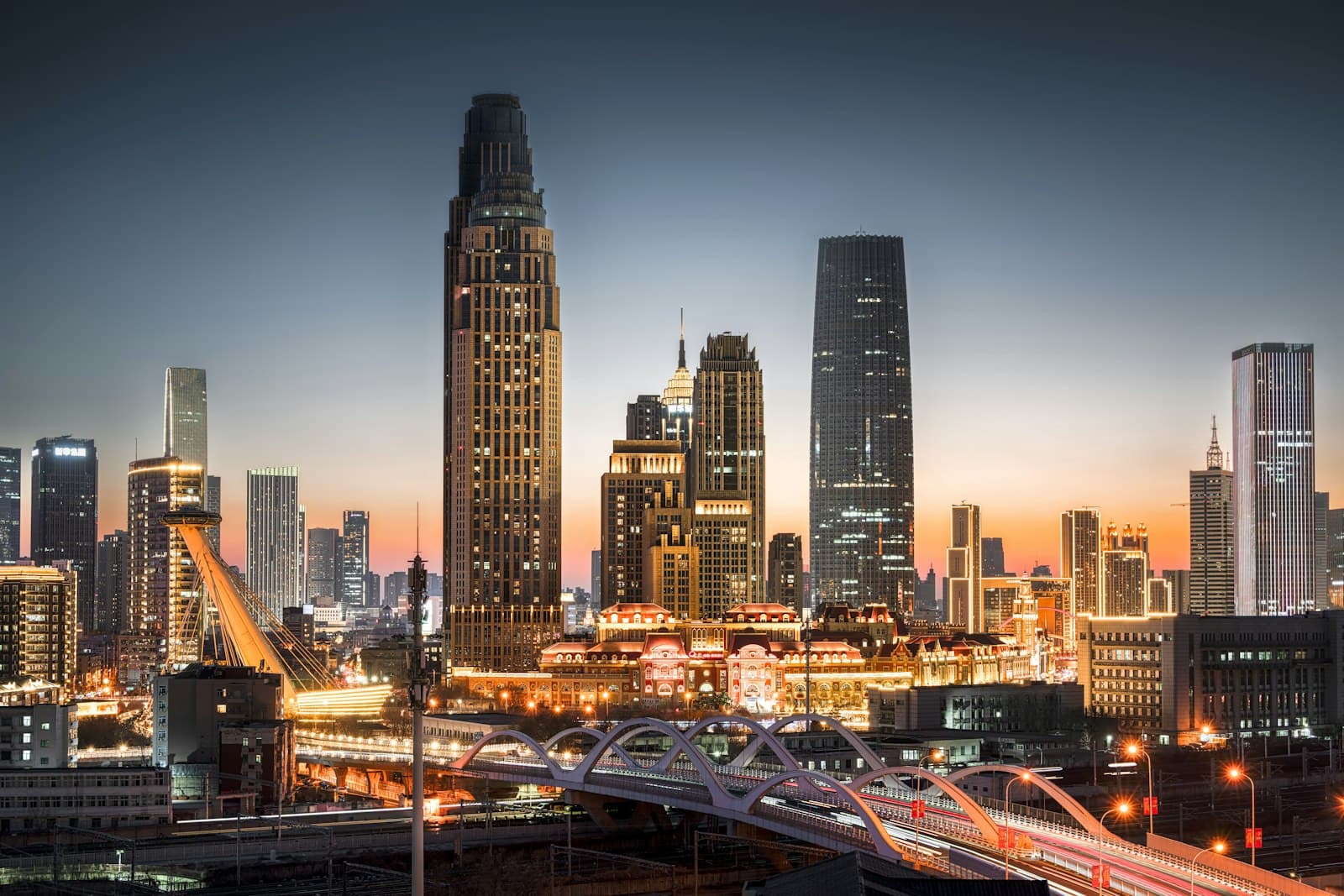
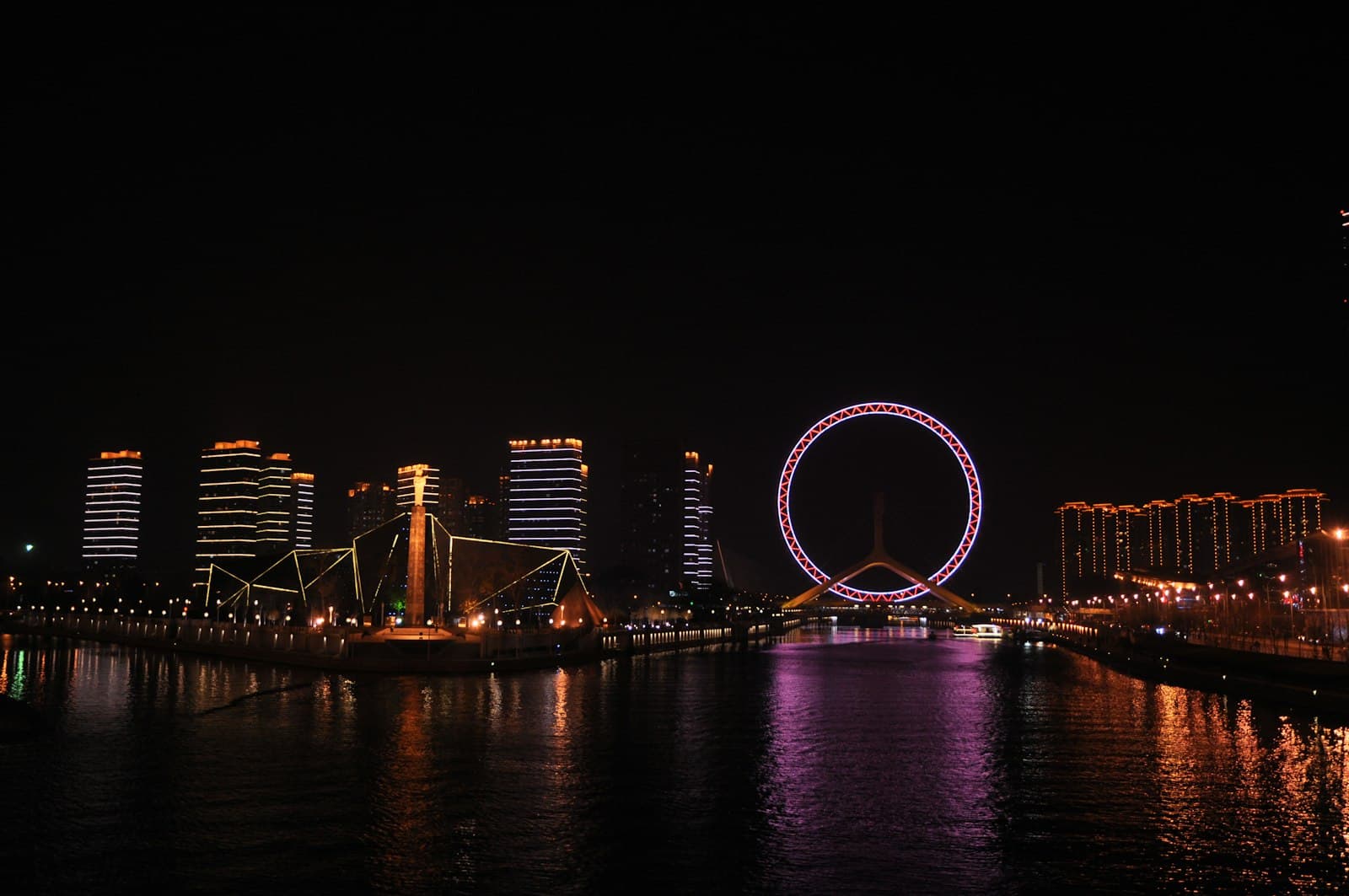
Langs de Haihe-rivier, de levensader van de stad, kunt u acht bruggen in Europese stijl bewonderen die na donker oplichten. De Tianjin Eye, een immens reuzenrad, is direct boven de Yongle-brug gemonteerd en biedt een weids uitzicht over de stad. Voor wie geïnteresseerd is in geschiedenis, toont het Tianjin Museum culturele en historische relikwieën die meer dan 10.000 jaar overspannen, met een speciale sectie gewijd aan de moderne ontwikkeling van de stad. De Dabei Boeddhistische Tempel, daterend uit 1669, is de grootste en oudste boeddhistische tempel in Tianjin en bewaart culturele relikwieën. Overweeg voor een andere sfeer een reis naar Mount Panshan, bekend om zijn jade dennenbomen, unieke pieken en oude tempels.
De meest aangename tijden om Tianjin te bezoeken zijn tijdens de lente (eind maart tot mei) en de herfst (september tot half oktober). Gedurende deze periodes is het weer over het algemeen koel en comfortabel, waardoor het ideaal is voor verkenning en buitenactiviteiten. De lente kan winderig zijn, dus een lichte jas is aan te raden. Zomers (juni tot augustus) zijn heet en vochtig met aanzienlijke regenval, terwijl winters (december tot februari) koud, droog en vaak winderig zijn, met temperaturen die onder het vriespunt dalen.
Tianjin is gemakkelijk bereikbaar, vooral vanuit Beijing, met hogesnelheidstreinen die de twee steden in ongeveer 40 minuten verbinden. Binnen de stad biedt Tianjin een geavanceerd transportsysteem, waaronder een metro, die in 1984 begon te rijden, waardoor het de op een na oudste van China is. Houd er bij navigatie rekening mee dat Google Maps mogelijk een VPN nodig heeft om te functioneren, dus alternatieve lokale applicaties worden aanbevolen. De lokale valuta is de Renminbi (RMB). Wat winkelen betreft, zijn Binjiang Dao Business Street en Heping Lu Business Street belangrijke commerciële centra met zowel traditionele winkels als moderne winkelcentra. Voor onderscheidende souvenirs kunt u Ancient Culture Street verkennen voor volkskunst zoals Yangliuqing Nieuwjaars schilderijen en Niren Zhang geschilderde sculpturen. Shenyang Dao Antiekmarkt is ook een populaire plek voor porselein, schilderijen en jade. De openingstijden van winkels lopen over het algemeen van 8 of 8:30 uur tot 19:30 of 20:00 uur, waarbij supermarkten en warenhuizen hun openingstijden vaak verlengen.
Tianjin — Koreaans, Chinees, Hebreeuws en nog 29 talen, elke stop verteld door een moedertaalspreker. Het grootste taalaanbod van alle zelfgeleide audiotours.
Beschikbaar in: