Monte do Eco (Visszhang-domb)
Tihany já foi famosa por um fenômeno natural notável, uma voz que parecia desafiar a distância.
História completa desbloqueada no tour
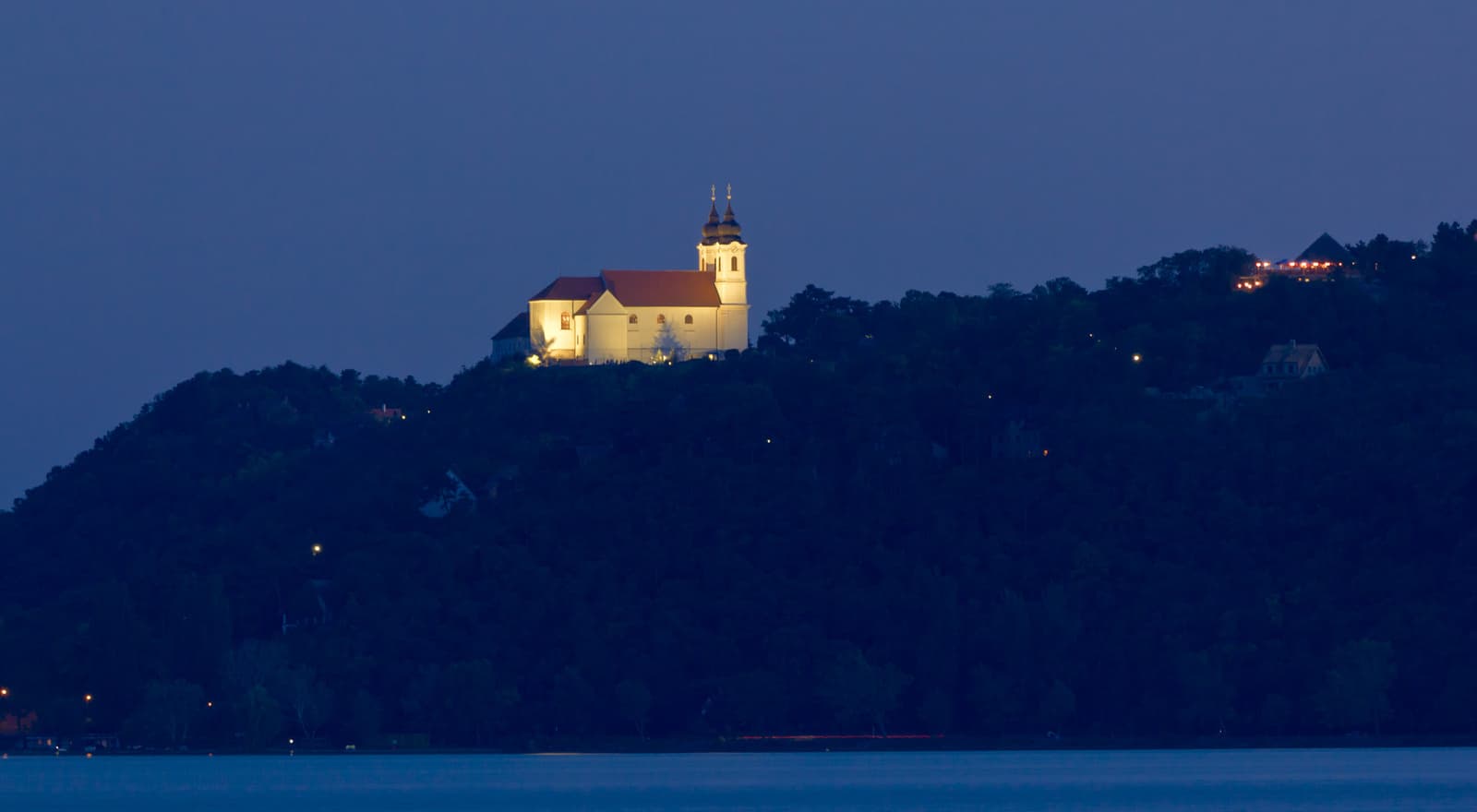 wyx / CC BY-SA 2.5 hu, via Wikimedia Commons
Tour de áudio autoguiado por Tihany — rota GPS a pé, reprodução offline, narração envolvente em 32 idiomas.
“Onde sussurros vulcânicos encontram sonhos de lavanda no Mar Húngaro.”
Não os postais. As histórias que nem os locais conhecem — sussurradas ao seu ouvido, exatamente onde aconteceram.
Tihany já foi famosa por um fenômeno natural notável, uma voz que parecia desafiar a distância.
Sob a ornamentada igreja barroca encontra-se uma cripta que detém uma distinção singular na história húngara.
O Lago Interior de Tihany, embora pacífico hoje, testemunha um passado ardente que moldou toda a península.
Descubra cada segredo de Tihany
Cada endereço, cada revelação na íntegra — no seu ouvido, exatamente onde aconteceu.
Você escolhe as suas paragens. Você caminha. A voz revela o que os outros perdem.


O seu tour áudio autoguiado de Tihany está pronto — escolha os seus pontos de interesse, selecione o seu idioma e comece no momento em que chegar.
ComprarA Lume inclui um guia de realidade aumentada. Levante o telemóvel: a câmara mostra a rua à sua frente, com uma seta luminosa sobreposta à imagem real que aponta sempre para a sua próxima paragem — sem mapa para decifrar, sem voltas erradas. Como tudo na Lume, funciona totalmente offline.
A Península de Tihany, um distinto dedo de terra que se estende para o coração do Lago Balaton, oferece uma mistura única de esplendor natural, história antiga e uma atmosfera tranquila. Esta área protegida, parte do Parque Nacional das Terras Altas de Balaton, é caracterizada por suas origens vulcânicas, que esculpiram uma paisagem de cones de gêiseres e dois lagos de cratera, os Lagos Interior e Exterior. A península é um santuário para aqueles que buscam uma fuga pacífica, com vistas expansivas do Lago Balaton, arquitetura atraente e um ambiente de vila pitoresco.
Além de sua paisagem marcante, Tihany é celebrada por seus perfumados campos de lavanda, que florescem em um espetáculo roxo vibrante no início do verão. Esta safra aromática sustenta um mercado local próspero, oferecendo de tudo, desde óleos e sabonetes de lavanda até sorvetes e chás. O centro cultural da península é a Abadia Beneditina, suas torres gêmeas um símbolo reconhecível da região, oferecendo um vislumbre de séculos de vida monástica e história húngara.
A história da Península de Tihany começa há milhões de anos com intensa atividade vulcânica. A paisagem foi moldada por explosivas erupções freatomagmáticas, onde o magma basáltico ascendente interagiu com águas subterrâneas. Essas antigas forças vulcânicas deixaram para trás duas caldeiras significativas, que agora são o Lago Interior (Belső-tó) e o Lago Exterior (Külső-tó). A atividade pós-vulcânica também criou mais de cem colinas de gêiseres em toda a península, com a 'Casa Dourada' (Aranyház) sendo um exemplo notável, nomeada em homenagem ao líquen dourado que cobre suas rochas.
Evidências arqueológicas sugerem habitação humana na península desde tempos pré-históricos, com achados da Idade do Bronze, Idade do Ferro e Idade Romana. Os romanos, que chamavam o Lago Balaton de 'Lacus Pelso', até tinham um vau em Tihany. A vila moderna de Tihany realmente começou a tomar forma na Idade Média com a fundação da Abadia Beneditina em 1055 pelo Rei André I da Hungria. O Rei escolheu Tihany como seu local de sepultamento, e sua cripta, datada de 1060, é a única câmara funerária intacta da dinastia Árpád. A carta de fundação da abadia também é um documento histórico crucial, contendo o registro escrito mais antigo da língua húngara, intercalado em seu texto em latim.
Ao longo dos séculos, a abadia enfrentou períodos de destruição e reconstrução. Durante a invasão otomana nos séculos XVI e XVII, o mosteiro foi convertido em fortaleza, mas nunca foi capturado pelos turcos. Foi posteriormente demolido e reconstruído em estilo barroco no século XVIII, com a igreja de torres gêmeas concluída em 1754. Os monges beneditinos foram forçados a sair durante a era comunista em 1950, mas retornaram em 1990, recuperando e restaurando a abadia. Hoje, a abadia continua sendo um centro vibrante de espiritualidade, educação e cultura, enquanto a própria península foi declarada a primeira reserva natural da Hungria em 1952, reconhecendo sua vida selvagem e características geológicas excepcionais.
Comece sua exploração na icônica Abadia Beneditina de Tihany, suas torres barrocas visíveis de longe. No interior, descubra interiores ornamentados, o túmulo do Rei André I e o Museu da Abadia Beneditina. A uma curta caminhada da abadia, o Monte do Eco (Visszhang-domb) oferece vistas expansivas do Lago Balaton, mesmo que o famoso eco esteja mais fraco agora.
Mergulhe nos tons roxos dos campos de lavanda de Tihany, particularmente vibrantes em junho e início de julho. Aprenda sobre o cultivo de lavanda da península na Casa da Lavanda, que oferece exposições interativas e degustações de produtos infundidos com lavanda. Para um vislumbre da vida tradicional da vila, visite o Museu Folclórico a Céu Aberto (Tihanyi Tájházak), apresentando casas históricas com telhado de palha e exposições sobre costumes locais e pesca.
Explore a paisagem vulcânica única visitando o Lago Interior (Belső-tó) e o Lago Exterior (Külső-tó), ambos formados em antigos vulcões de cratera. O Lago Interior é um local tranquilo para observação de pássaros e caminhadas, com gado cinza húngaro pastando nas proximidades. Não deixe de visitar o Cone de Gêiser da Casa Dourada (Aranyház Gejzírkúp), uma formação geológica impressionante coberta por líquen dourado. Para uma perspectiva diferente, considere um passeio de barco no Lago Balaton ou uma visita ao mirante Őrtorony-kilátó para vistas expansivas da península.
A época ideal para visitar Tihany é no final da primavera e início do verão, especificamente de maio a julho. Este período oferece clima agradável para atividades ao ar livre como caminhadas e passeios turísticos. Junho e início de julho são particularmente especiais, pois os campos de lavanda estão em plena floração e o Festival Anual de Lavanda de Tihany acontece, geralmente de meados a final de junho. O outono também apresenta uma boa opção com menos multidões e folhagem colorida. Embora Tihany seja acessível durante todo o ano, muitas lojas podem fechar na baixa temporada no inverno.
Tihany é facilmente acessível a partir de Budapeste. De carro, a viagem leva cerca de duas horas pela autoestrada M7. Alternativamente, pegue um trem de Budapeste (estação Déli ou Kelenföld) para Balatonfüred, depois um Volánbusz local (linha 7355) para Tihany, o que leva cerca de 15-20 minutos. O ônibus funciona a cada hora, e as passagens podem ser compradas na estação ou com o motorista (dinheiro ou cartão). Uma balsa de carros e passageiros também conecta Szántód, na margem sul, a Tihanyrév, na base da península, com travessias frequentes durante a alta temporada. Uma vez na península, Tihany é pequena e melhor explorada a pé ou de bicicleta. Um trem turístico também opera de abril a outubro, conectando as principais atrações. O inglês é amplamente falado nas principais áreas turísticas, mas algumas frases básicas em húngaro podem ser úteis.
Tihany — coreano, chinês, hebraico e mais 29 idiomas, cada parada narrada por uma voz nativa. A maior variedade de idiomas entre os passeios de áudio autoguiados.
Disponível em: