Igreja Nossa Senhora do Rosário dos Pretos
La plus ancienne église de Tiradentes recèle un secret dans son plafond, témoignage de la résilience de ceux qui l'ont bâtie.
L'histoire complète se débloque dans le tour
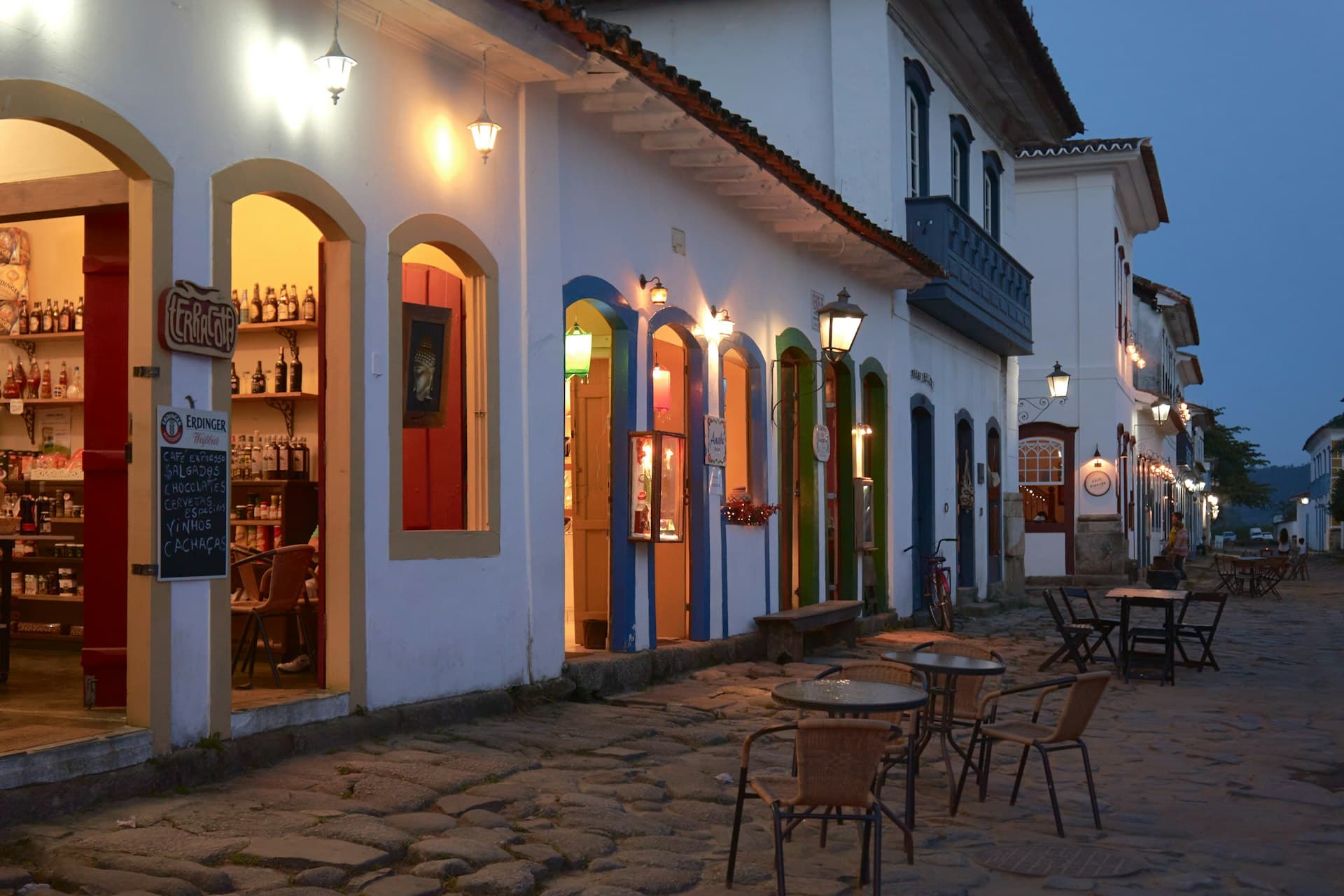 Photo: Gilberto Olimpio / Unsplash
Visite audio autoguidée de Tiradentes — parcours GPS à pied, lecture hors ligne, narration en 32 langues.
“Autels dorés et pierres ancestrales racontent des histoires de rébellion et d'opulence.”
Pas les cartes postales. Les histoires que même les habitants ignorent — soufflées à l'oreille, là où elles se sont passées.
La plus ancienne église de Tiradentes recèle un secret dans son plafond, témoignage de la résilience de ceux qui l'ont bâtie.
Ce manoir du XVIIIe siècle, autrefois demeure d'une figure clé du mouvement pour l'indépendance du Brésil, offre un aperçu de la vie d'un révolutionnaire, mais peut-être pas de la manière attendue.
Le héros national qui a donné son nom à la ville portait un surnom plutôt inhabituel, qui fait allusion à une profession passée surprenante.
Découvrez tous les secrets de Tiradentes
Chaque adresse, chaque révélation en entier — dans ton oreille, là où elle s'est passée.
Tu choisis tes lieux. Tu marches. La voix te révèle ce que les autres ignorent.


Votre visite audioguidée de Tiradentes vous attend — choisissez vos lieux, votre langue, et lancez-vous dès votre arrivée.
AcheterLume intègre un guide en réalité augmentée. Levez votre téléphone : sa caméra montre la rue devant vous, avec une flèche lumineuse posée sur l'image réelle qui pointe toujours vers votre prochain arrêt — aucune carte à déchiffrer, aucun mauvais virage. Comme tout dans Lume, ça fonctionne entièrement hors-ligne.
Tiradentes, une petite ville coloniale de l'État de Minas Gerais, au Brésil, donne l'impression d'un voyage dans le temps. Ses rues pavées de pierres rondes guident les visiteurs à travers des demeures du XVIIIe siècle et des églises baroques magnifiquement préservées. La ville est encadrée par les montagnes de la Serra de São José, offrant un décor pittoresque à sa beauté architecturale. Reconnu comme site du patrimoine historique national, Tiradentes invite les visiteurs à explorer ses charmantes ruelles et à s'immerger dans une riche diversité de culture et de traditions.
Au-delà de son attrait visuel, Tiradentes est un centre d'artisanat et de cuisine brésiliens traditionnels. L'arôme du pão de queijo frais emplit souvent l'air, se mêlant aux sons de la vie quotidienne. C'est un lieu où l'histoire n'est pas seulement préservée dans les musées, mais vit au rythme quotidien de la ville, de ses ateliers d'artisans à ses restaurants réputés.
Les origines de Tiradentes remontent au XVIIIe siècle, en tant que camp minier pendant la ruée vers l'or au Brésil. Pendant des décennies après l'épuisement des réserves d'or, la ville a connu une période d'isolement. Cependant, son architecture coloniale bien préservée l'a finalement ramenée sur le devant de la scène en tant que destination touristique dans les années 1970.
La ville a joué un rôle central dans l'un des premiers mouvements pour l'indépendance du Brésil, l'Inconfidência Mineira. Cette conspiration, formée en 1789, visait à établir une république et à se libérer de la domination coloniale portugaise, qui imposait de lourdes taxes à la région aurifère du Minas Gerais. La figure centrale de ce mouvement était Joaquim José da Silva Xavier, un dentiste, soldat et marchand, qui est devenu connu sous le nom de 'Tiradentes'.
Influencés par les idéaux des Lumières et les révolutions américaine et française, Tiradentes et ses compagnons conspirateurs ont planifié leur rébellion. Cependant, le complot a été découvert en raison d'une trahison, entraînant l'arrestation des rebelles. Tiradentes a assumé l'entière responsabilité de la conspiration et a été le seul condamné à mort. Il a été pendu publiquement à Rio de Janeiro le 21 avril 1792, et son corps a été démembré et exposé pour dissuader de nouvelles révoltes. Malgré sa fin brutale, Tiradentes est devenu un héros national et un symbole de résistance, le 21 avril étant désormais une fête nationale au Brésil. Son héritage a pris une importance considérable après la transition du Brésil d'une monarchie à une république en 1889.
L'exploration de Tiradentes se fait idéalement à pied, vous permettant de flâner dans ses rues pavées de pierre et d'admirer son architecture coloniale. Commencez par le Largo das Forras, la place centrale bordée d'arbres, un lieu animé entouré de boutiques et de restaurants.
Montez jusqu'à la Matriz de Santo Antônio, l'une des églises les plus ornées du Minas Gerais, réputée pour son imposante façade sculptée par Aleijadinho et son intérieur somptueusement décoré d'or. À proximité, le Chafariz de São José, une fontaine du XVIIIe siècle, alimentait autrefois la ville et ses animaux pendant la ruée vers l'or.
Pour une perspective différente, visitez l'Igreja Nossa Senhora do Rosário dos Pretos, la plus ancienne église de la ville, construite par la communauté asservie. Le Museu de Sant'Ana, installé dans l'ancienne prison, présente une collection d'art populaire religieux. Ne manquez pas le trajet en train à vapeur Maria Fumaça jusqu'à São João del Rei, un voyage pittoresque de 45 minutes à travers la campagne qui fonctionne les week-ends et les jours fériés.
Tiradentes est une destination qui peut être appréciée toute l'année. La saison sèche, de mai à septembre, offre un ciel dégagé et des températures agréables, idéales pour explorer les rues de la ville. Bien que les nuits d'hiver (juin-août) puissent être fraîches, le temps diurne reste agréable. Les mois les plus chauds sont généralement janvier, février et mars, avec des températures diurnes autour de 28°C (82°F). Évitez les grandes vacances brésiliennes comme de fin décembre au Carnaval, Pâques et autres week-ends fériés si vous préférez moins de foule, car ces périodes sont particulièrement chargées.
Tiradentes est une ville compacte, facilement explorable à pied. Des chaussures confortables sont essentielles pour naviguer sur les rues pavées de pierres rondes. Bien que des véhicules motorisés soient présents dans le centre historique, la marche est le principal mode d'exploration. Des visites en calèche sont disponibles depuis le Largo das Forras pour ceux qui préfèrent une promenade tranquille.
L'aéroport principal le plus proche est Belo Horizonte (CNF). De là, prenez un bus jusqu'à São João del Rei, puis un bus local ou le pittoresque train Maria Fumaça jusqu'à Tiradentes. Pour des séjours plus longs, envisagez des excursions d'une journée vers des villes voisines comme Bichinho, connue pour son artisanat, ou São João del Rei, avec son caractère historique profond.
Tiradentes en coréen, en chinois ou en hébreu — et dans 29 autres langues, chaque étape narrée par une voix native. La plus large gamme de langues de tous les audioguides autoguidés.
Disponible en :