Hotel California
Uma música icônica é frequentemente ligada a um hotel específico em Todos Santos.
História completa desbloqueada no tour
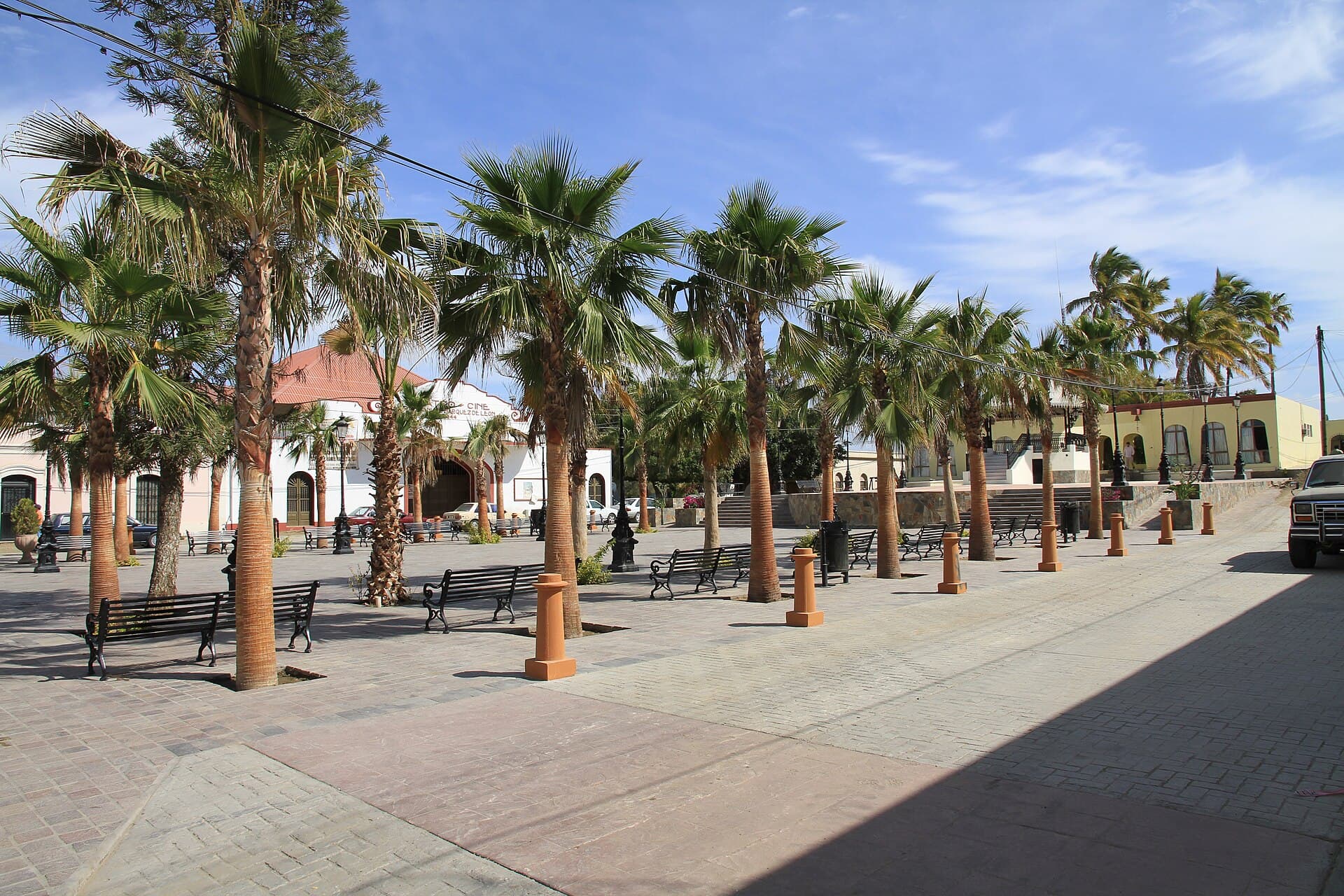 panza.rayada / CC BY-SA 3.0, via Wikimedia Commons
Tour de áudio autoguiado por Todos Santos — rota GPS a pé, reprodução offline, narração envolvente em 32 idiomas.
“Onde o deserto encontra o Pacífico, e a criatividade floresce da tradição.”
Não os postais. As histórias que nem os locais conhecem — sussurradas ao seu ouvido, exatamente onde aconteceram.
Uma música icônica é frequentemente ligada a um hotel específico em Todos Santos.
Ecos do passado próspero de Todos Santos são visíveis em toda a comunidade.
As letras grandes e coloridas que soletraram 'TODOS SANTOS' na praça da cidade transmitem mais do que simples decoração.
Descubra cada segredo de Todos Santos
Cada endereço, cada revelação na íntegra — no seu ouvido, exatamente onde aconteceu.
Você escolhe as suas paragens. Você caminha. A voz revela o que os outros perdem.


O seu tour áudio autoguiado de Todos Santos está pronto — escolha os seus pontos de interesse, selecione o seu idioma e comece no momento em que chegar.
ComprarA Lume inclui um guia de realidade aumentada. Levante o telemóvel: a câmara mostra a rua à sua frente, com uma seta luminosa sobreposta à imagem real que aponta sempre para a sua próxima paragem — sem mapa para decifrar, sem voltas erradas. Como tudo na Lume, funciona totalmente offline.
Todos Santos, reconhecida como 'Pueblo Mágico' (Cidade Mágica) pelo governo mexicano, repousa na costa do Pacífico da Baja California Sur, entre as Montanhas da Sierra de la Laguna e o vasto oceano. Esta cidade convidativa, a uma hora de carro ao norte de Cabo San Lucas e a sudoeste de La Paz, oferece um refúgio tranquilo dos resorts agitados, atraindo artistas, surfistas e aqueles que buscam uma autêntica experiência mexicana. Suas ruas texturizadas, arquitetura colonial e vibrante cena artística criam uma atmosfera envolvente onde história e criatividade se entrelaçam.
Outrora uma vila agrícola remota, Todos Santos cresceu e se tornou um farol cultural, celebrado por sua distinta mistura de charme relaxado e profundidade cultural. O oásis verdejante da cidade, alimentado por nascentes subterrâneas, contrasta acentuadamente com o deserto circundante, promovendo o cultivo de mangas, mamões e abacates. Este legado agrícola, juntamente com uma comunidade artística florescente e excelentes condições de surf, torna Todos Santos um destino singular na Península da Baja California.
## De Posto de Missão a Capital do Açúcar A narrativa de Todos Santos começa em 1723, quando o Padre Jesuíta Jaime Bravo a estabeleceu como uma estação de visita para a Missão de La Paz, reconhecendo o solo fértil e o suprimento constante de água da área. Em 1733, tornou-se uma missão completa, inicialmente chamada Misión Santa Rosa de las Palmas, e mais tarde Nuestra Señora del Pilar de Todos Santos. A missão visava converter o povo indígena Guaycura, que eram caçadores-coletores, ao cristianismo e a um estilo de vida agrícola sedentário. No entanto, os Guaycura resistiram, e as doenças europeias diminuíram drasticamente sua população.
## O Doce Sabor da Prosperidade Após a secularização das missões na década de 1840, Todos Santos experimentou um ressurgimento como um centro de produção de cana-de-açúcar. Em 1850, a cidade atingiu seu zênite, com oito usinas de açúcar ativas transformando cana-de-açúcar em panocha, um açúcar rico e escuro. Essa abundância agrícola alimentou uma cultura refinada, levando à construção de edifícios em estilo colonial e dois teatros. Muitas das estruturas de tijolos duradouras visíveis hoje foram financiadas por essa riqueza do açúcar.
## Seca, Declínio e Renascimento A indústria açucareira prosperou por quase um século até a década de 1950, quando um evento geológico fez com que o lençol freático recuasse significativamente, levando à seca e ao declínio do cultivo de cana-de-açúcar. A última usina de açúcar fechou em 1965 ou 1974, dependendo da fonte, e a cidade enfrentou um futuro incerto. No entanto, um retorno notável da água em 1981, combinado com o asfaltamento da Rodovia 19 em meados da década de 1980, inaugurou uma nova era de turismo e agricultura orgânica. Artistas redescobriram o encanto da cidade, e surfistas foram atraídos por suas ondas, transformando Todos Santos no centro cultural e artístico que é hoje. Em 2006, o governo mexicano reconheceu oficialmente seu apelo único ao designá-la como 'Pueblo Mágico.'
Comece sua exploração na Praça de Todos Santos, um ponto central onde você pode admirar as expressivas letras pintadas por artistas que soletraram o nome da cidade, cada uma refletindo um pedaço de seu caráter. Adjacente à praça fica a Misión Nuestra Señora del Pilar, uma igreja modesta, mas historicamente significativa, com elementos que datam de 1747. Passeie pelas ruas texturizadas para descobrir inúmeras galerias de arte exibindo artistas mexicanos e internacionais contemporâneos, abrigadas em edifícios coloniais.
Para os entusiastas de atividades ao ar livre, Punta Lobos oferece vistas expansivas do oceano e uma caminhada gratificante, onde você pode observar baleias durante a temporada de migração (dezembro a março). Nas proximidades, Playa Los Cerritos e Playa San Pedrito são destinos de surf favoritos, oferecendo aulas e equipamentos para todos os níveis. Considere um passeio a cavalo pela Playa La Cachora para uma perspectiva distinta da costa, especialmente ao pôr do sol. De dezembro a fevereiro, procure a oportunidade de participar de solturas de filhotes de tartarugas marinhas em santuários locais como Tortugueros Las Playitas. Para provar criações locais, explore o Mercado Cielito Lindo em busca de artesanato e lembranças.
A época mais agradável para visitar Todos Santos é de novembro a abril, quando o clima é agradável, com temperaturas confortáveis e noites frescas, evitando as estações chuvosa e de furacões. Dezembro e janeiro são os meses mais movimentados, então se você prefere menos multidões, considere o início de abril ou as temporadas intermediárias de maio e outubro. Este período também coincide com a observação de baleias (dezembro a março) e solturas de tartarugas marinhas (dezembro a fevereiro). As condições de surf são geralmente ideais de novembro a abril. Os verões (junho a outubro) são mais quentes e úmidos, com maior cobertura de nuvens e maior chance de chuva.
A maioria dos viajantes chega pelo Aeroporto Internacional de Cabo San Lucas (SJD), que fica a cerca de uma hora de carro ao sul de Todos Santos pela Rodovia 19. Alugar um carro é altamente recomendado para explorar a área além do centro da cidade, pois os serviços de transporte por aplicativo e táxis convencionais são menos comuns. A nova rodovia pedagiada torna a viagem do aeroporto tranquila. Embora o Peso Mexicano seja a moeda oficial, os dólares americanos são amplamente aceitos, embora você possa receber troco em pesos. É aconselhável carregar notas pequenas para pedágios e serviços como limpeza de para-brisa em postos de gasolina. Aprender algumas frases básicas em espanhol enriquecerá sua experiência e interações com os locais. Muitas empresas em Todos Santos continuam a praticar o distanciamento social e o uso de máscaras, e os visitantes são encorajados a respeitar essas diretrizes.
Todos Santos — coreano, chinês, hebraico e mais 29 idiomas, cada parada narrada por uma voz nativa. A maior variedade de idiomas entre os passeios de áudio autoguiados.
Disponível em: