Los Tres Puentes (Puentes Taiping, Jili y Changqing)
En Tongli, cruzar tres puentes en particular es más que un paseo escénico; es una costumbre centenaria ligada a los momentos cruciales de la vida.
La historia completa se desbloquea en el tour
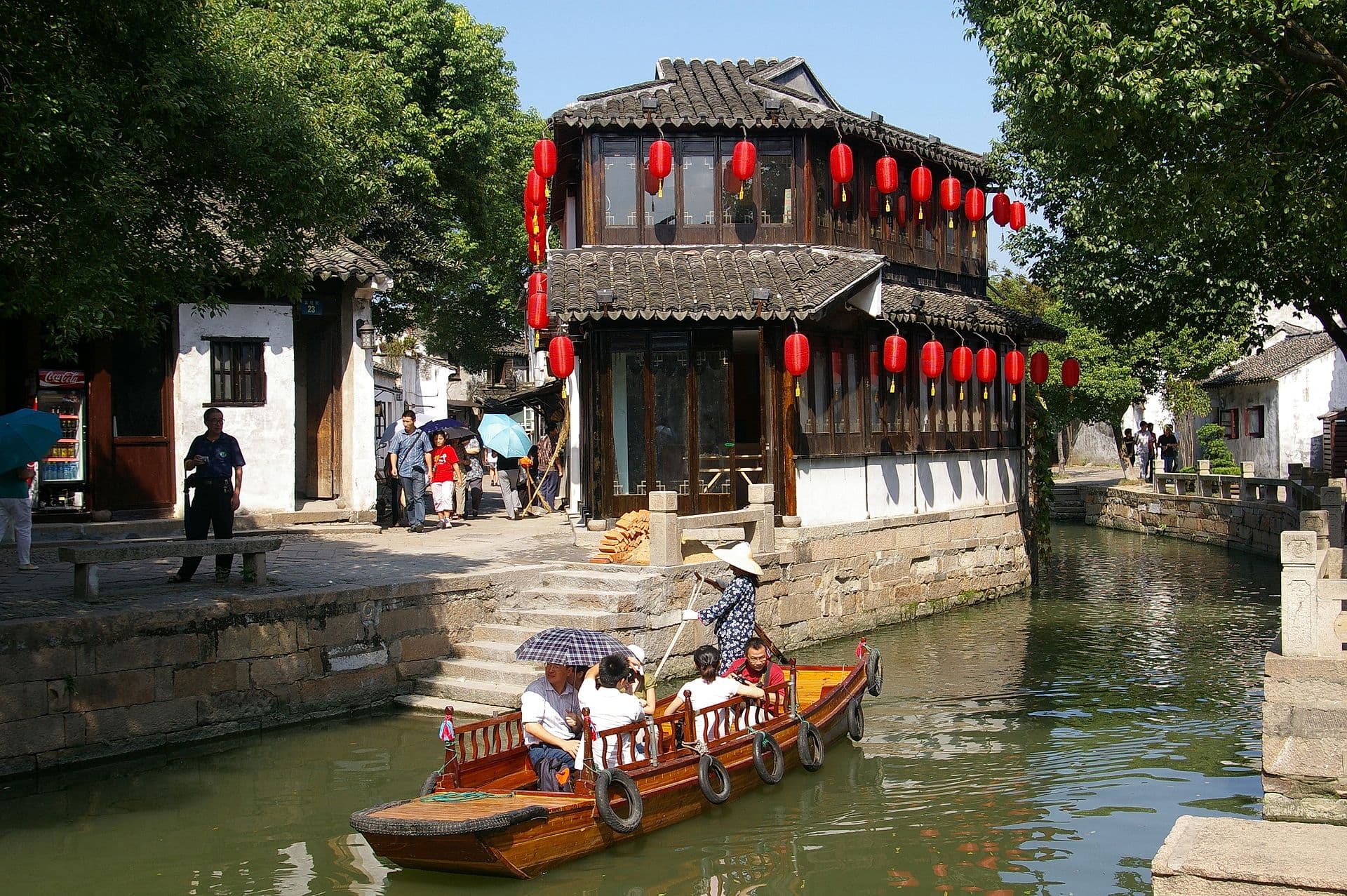 Jakub Hałun / CC BY-SA 4.0, via Wikimedia Commons
Tour de audio autoguiado de Tongli — ruta GPS a pie, reproducción offline, narración en 32 idiomas.
“Donde los antiguos canales susurran historias y el tiempo se rinde al suave golpe de un remo.”
No las postales. Las historias que ni los locales conocen — al oído, justo donde ocurrieron.
En Tongli, cruzar tres puentes en particular es más que un paseo escénico; es una costumbre centenaria ligada a los momentos cruciales de la vida.
Este sitio Patrimonio de la Humanidad por la UNESCO, concebido por un funcionario que fue degradado, lleva un nombre que refleja una profunda filosofía de introspección, literalmente tejida en su propio ser.
Entre los muchos pasajes estrechos de Tongli, un callejón en particular es tan angosto que se ganó un apodo que describe perfectamente su capacidad, o la falta de ella, para la compañía.
Descubre todos los secretos de Tongli
Cada dirección, cada revelación al completo — a tu oído, justo donde ocurrió.
Eliges tus paradas. Caminas. La voz te revela lo que los demás ignoran.


Tu tour de audioguía por Tongli te espera — elige tus lugares, tu idioma y empieza al llegar.
ComprarLume incluye una guía de realidad aumentada. Levanta el móvil y su cámara muestra la calle que tienes delante, con una flecha luminosa sobre la imagen real que siempre apunta a tu próxima parada — sin mapas que descifrar, sin giros equivocados. Como todo en Lume, funciona completamente sin conexión.
Tongli, una antigua ciudad acuática en la provincia de Jiangsu, ofrece un escape sereno a un paisaje donde los canales fluyen donde podrían estar las calles y la arquitectura tradicional bordea las vías fluviales. Establecida durante la dinastía Song, esta 'Venecia Oriental' presenta un mosaico de 15 ríos, siete islotes y 49 puentes antiguos, cada uno contribuyendo a su identidad singular. Los edificios conservados de las dinastías Ming y Qing, con sus paredes encaladas y techos de tejas oscuras, reflejan siglos de historia y un ritmo de vida más pausado, invitando a los visitantes a pasear por sus pasajes empedrados y absorber su atmósfera tranquila.
Rodeada por cinco lagos, la íntima conexión de Tongli con el agua es evidente en cada rincón, desde las casas construidas directamente a la orilla del río hasta las tradicionales barcas sampán que se deslizan por sus estrechos pasajes. Es un lugar donde el pasado no solo se recuerda, sino que se vive activamente, con actuaciones culturales, restaurantes locales y talleres de artesanos que añaden capas a su auténtico ambiente. Tongli ofrece una red de vías fluviales más tranquila y compleja en comparación con otras ciudades antiguas, lo que la convierte en un lugar preferido para aquellos que buscan una visión genuina de la cultura de Jiangnan.
Los orígenes de Tongli se remontan a más de 1.000 años, con su establecimiento datando de la dinastía Song (960-1279 d.C.). El nombre más antiguo conocido de la ciudad fue 'Futu', que significa 'tierra próspera', un testimonio de sus fértiles alrededores y abundantes recursos. Durante la dinastía Tang temprana, la designación se cambió a 'Tong', y más tarde, en la dinastía Song, los caracteres de 'Futu' fueron ingeniosamente separados y reorganizados para formar 'Tongli', el nombre que lleva hoy.
La ubicación estratégica de Tongli, rodeada por cinco lagos e intersecada por numerosos canales, significó que históricamente era accesible principalmente en barco. Este relativo aislamiento la protegió de gran parte de la agitación de los conflictos, convirtiéndola en un refugio ideal para la adinerada nobleza, comerciantes y eruditos que buscaban tranquilidad e inspiración. Esta afluencia de residentes prósperos llevó a la construcción de numerosas grandes residencias y jardines privados, muchos de los cuales datan de las dinastías Ming (1368-1644) y Qing (1644-1911). Estas maravillas arquitectónicas, que incluyen pabellones, torres, templos y jardines, todavía son visibles en toda la ciudad, lo que le valió a Tongli la designación de 'Museo de Arquitectura de las Dinastías Ming y Qing'.
En 2001, el Jardín Tuisi, un ejemplo por excelencia de un jardín clásico chino, recibió el reconocimiento como sitio del Patrimonio Cultural Mundial de la UNESCO, solidificando aún más la importancia cultural de Tongli. La ciudad ha recibido visitantes desde 1986, y aunque ha abrazado el turismo, también ha realizado esfuerzos concertados para preservar su patrimonio cultural, llevando a cabo investigaciones sistemáticas de sus bloques históricos, residencias tradicionales y reliquias culturales desde finales de la década de 1970. Hoy en día, Tongli sigue siendo un animado centro de cultura tradicional, albergando eventos anuales como el 'Festival Internacional de Turismo y Cultura Primavera de Tongli' y el encantador Festival de los Faroles, que muestran sus duraderas tradiciones y costumbres.
Una visita a Tongli es una inmersión en sus vías fluviales y arquitectura histórica. Comience con un paseo en barco sampán tradicional, deslizándose bajo antiguos puentes de piedra y pasando junto a casas ribereñas. De los 49 puentes que conectan los siete islotes de Tongli, los más célebres son los 'Tres Puentes' —Taiping, Jili y Changqing— cada uno con bendiciones simbólicas. Los lugareños todavía los cruzan para la buena fortuna durante las celebraciones.
Explore el Jardín Tuisi, declarado Patrimonio de la Humanidad por la UNESCO, o Jardín del Retiro y la Reflexión, una obra maestra del diseño de la dinastía Qing donde los pabellones y las rocallas parecen flotar sobre el agua. Otros sitios arquitectónicos notables incluyen el Salón Chongben y el Salón Jiayin, ambos admirados por sus intrincadas tallas de madera y ladrillo. Pasee por los estrechos pasajes empedrados de la ciudad, algunos tan delgados que se conocen como 'Callejón de una Sola Persona'. No se pierda la Casa de Té Nanyuan, un lugar de reunión histórico donde podrá saborear tés regionales y escuchar narraciones tradicionales al estilo de Suzhou (pingtan). Para una experiencia cultural singular, Tongli también alberga el Museo de la Cultura Sexual de China, una colección académica de figurillas de cerámica Han y arte erótico Ming. Al caer la noche, la ciudad se transforma con el suave resplandor de los farolillos rojos, ofreciendo una atmósfera distintivamente romántica para un paseo tranquilo.
Las épocas más agradables para visitar Tongli son la primavera (marzo a mayo) y el otoño (septiembre a noviembre). Durante estas estaciones, el clima es templado y confortable, con flores en flor en primavera y follaje colorido en otoño, creando un entorno pintoresco. La primavera también trae actividades culturales como el 'Festival Internacional de Turismo y Cultura Primavera de Tongli'. Si bien una visita en invierno puede ofrecer un paisaje único cubierto de nieve, los meses de verano (julio y agosto) pueden ser muy cálidos, húmedos y lluviosos. Para evitar las multitudes, intente ir entre semana y considere visitar temprano por la mañana o al final de la tarde.
Tongli es fácilmente accesible desde ciudades cercanas. Desde Suzhou, se tarda entre 30 y 45 minutos en coche o autobús, y la línea 4 del metro de Suzhou también conecta directamente con Tongli. Desde Shanghái, un viaje en autobús suele durar entre 1,5 y 2 horas. Una vez en Tongli, la ciudad es en gran parte peatonal, por lo que es esencial llevar calzado cómodo para caminar por sus pasajes empedrados y puentes. Si bien no hay una tarifa de entrada general a la ciudad en sí, se requiere un boleto (alrededor de 100 CNY) para acceder a la mayoría de las atracciones principales, incluido el Jardín Tuisi, y suele ser válido por dos días. Se sugiere regatear al adquirir souvenirs.
Considere quedarse una noche para experimentar el encanto más tranquilo de Tongli después de que los excursionistas se marchen, cuando los farolillos rojos iluminan los canales. Muchas casas de huéspedes son operadas por lugareños que pueden ofrecer información valiosa sobre la ciudad. Para cenar, explore la calle Mingqing y la calle Zhuhang en busca de aperitivos tradicionales y delicias locales como los 'crisps de suela de calcetín' (wadisu), los pasteles de fruta de gorgona y las 'manitas de campeón' (manitas de cerdo Zhuangyuan). No se pierda los 'Tres Blancos del Lago Tai' —pescado blanco, camarón blanco y pececillo blanco— un elemento básico de la cocina local.
Tongli en coreano, en chino o en hebreo — y 29 idiomas más, cada parada narrada por una voz nativa. La mayor variedad de idiomas de cualquier audioguía autoguiada.
Disponible en: