Oorsprong van de naam Toowoomba
De naam 'Toowoomba' zou meerdere mogelijke Aboriginal oorsprongen hebben, maar één theorie koppelt het aan een veelvoorkomende lokale plant.
Volledig verhaal ontgrendeld in de tour
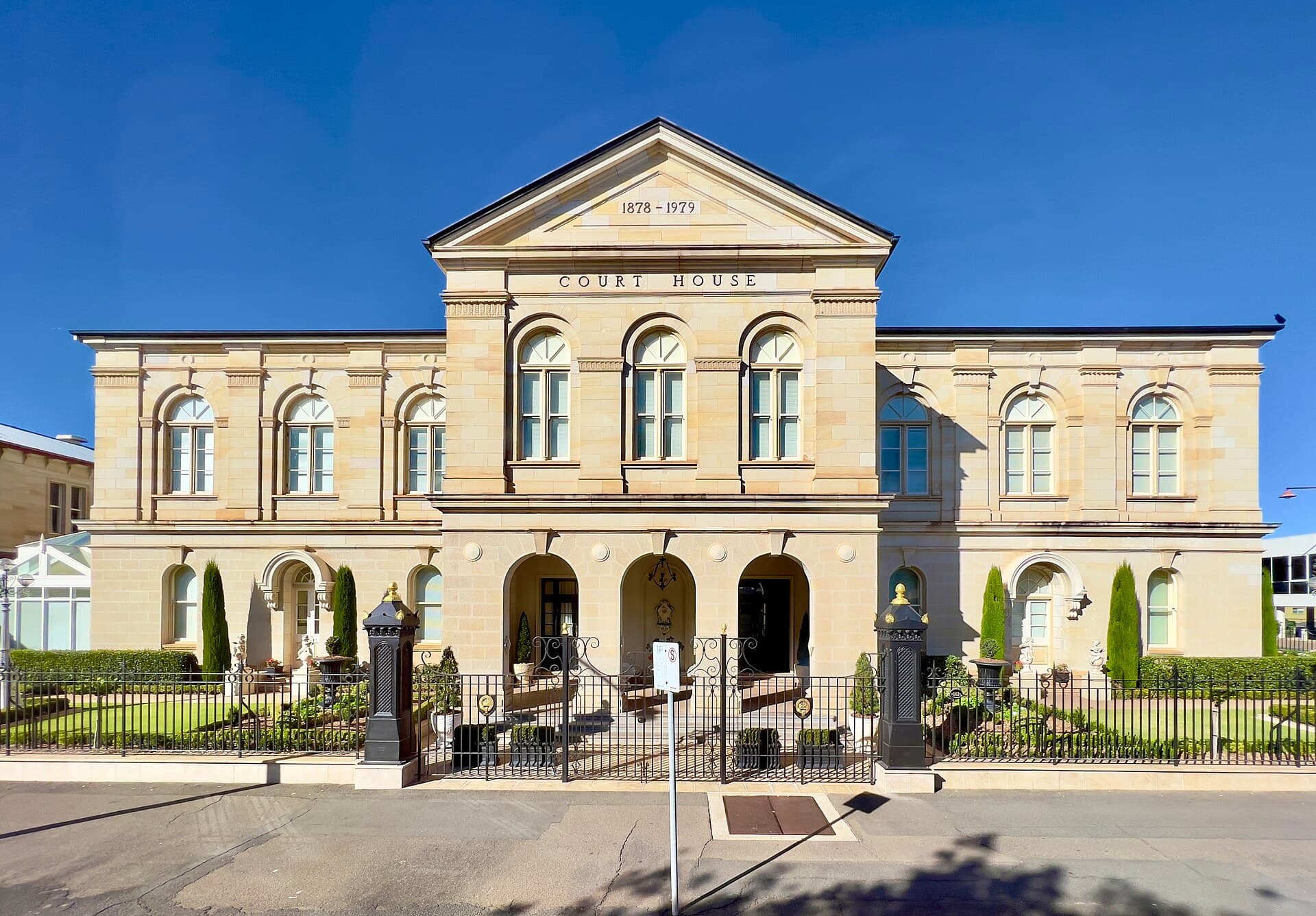 Chris Olszewski / CC BY-SA 4.0, via Wikimedia Commons
Zelfgeleide audiowandeling door Toowoomba — GPS-route, offline afspelen, meeslepende vertelling in 32 talen.
“Waar het hoogland de tuinbouw ontmoet, een tuinstad met een pioniersgeest.”
Niet de ansichtkaarten. De verhalen die zelfs locals niet kennen — gefluisterd in je oor, precies waar ze gebeurden.
De naam 'Toowoomba' zou meerdere mogelijke Aboriginal oorsprongen hebben, maar één theorie koppelt het aan een veelvoorkomende lokale plant.
De traditie van de Anzac Day Dawn Service, een plechtige herdenking, heeft een onverwacht onofficieel begin in Toowoomba.
Een prominente historische herberg in Toowoomba kreeg zijn 'Royal' titel niet van een monarch, maar van een andere vooraanstaande gast.
Ontdek elk geheim van Toowoomba
Elk adres, elke onthulling volledig — in je oor, precies waar het gebeurde.
Jij kiest je stops. Jij wandelt. De stem onthult wat de anderen missen.
Je zelfgeleide audiotour van Toowoomba is klaar — kies je bezienswaardigheden, kies je taal en start zodra je aankomt.
KopenLume heeft een ingebouwde augmented-reality-gids. Houd je telefoon omhoog: de camera toont de straat voor je, met een oplichtende pijl over het echte beeld die altijd naar je volgende stop wijst — geen kaart om uit te puzzelen, geen verkeerde afslagen. Zoals alles in Lume werkt het volledig offline.
Toowoomba, vaak de 'Tuinstad' genoemd, rijst op boven de Great Dividing Range in Queensland, Australië, ongeveer 132 kilometer ten westen van Brisbane. Deze binnenlandse stad, de op één na meest bevolkte stad in Australië na Canberra, biedt een duidelijk klimaat met vier seizoenen, een zeldzaamheid in een groot deel van Queensland. De hoogte, rond de 700 meter boven zeeniveau, draagt bij aan koelere temperaturen in vergelijking met de omliggende gebieden.
Naast de befaamde parken en tuinen is Toowoomba een centrum van cultuur en geschiedenis, met een levendige kunstscene, historische architectuur en een sterk gemeenschapsgevoel. De stad dient als het commerciële en economische hart van de Darling Downs-regio, met een fundament gebouwd op landbouw en handel in plaats van op de goudkoorts die vele andere Australische steden vormde. Bezoekers kunnen de vele groene ruimtes verkennen, zich verdiepen in het verleden of genieten van de levendige sfeer van de cafés en markten.
Al minstens 40.000 jaar vóór de Europese vestiging was de Darling Downs-regio, inclusief het gebied dat nu bekend staat als Toowoomba, de thuisbasis van de Jagera, Giabal en Jarowair Aboriginal volkeren. De Giabal-mensen bewoonden voornamelijk het directe gebied van Toowoomba, terwijl de Jagera in de uitlopers en de hellingen van de Great Dividing Range woonden, en de Jarowair verder naar het noorden werden gevonden richting de Bunya Mountains. Deze inheemse gemeenschappen stonden bekend om hun jachttechnieken, waaronder het verbranden van graslanden om dieren aan te trekken, en namen deel aan het belangrijke Bunya Nut Festival, een grote bijeenkomst die om de paar jaar werd gehouden waar verschillende Aboriginal dialecten werden gesproken.
De Europese verkenning van de Darling Downs begon in 1827 toen de Engelse botanicus Allan Cunningham de vruchtbare landen ontdekte. De eerste Europese vestiging in de regio begon rond 1840, met Patrick Leslie en zijn gezelschap die de Toolburra Station stichtten. De nederzetting die Toowoomba zou worden, stond aanvankelijk bekend als 'The Swamp' en ontwikkelde zich in de schaduw van het nabijgelegen Drayton. De naam 'Toowoomba' zelf wordt verondersteld van Aboriginal oorsprong te zijn, met theorieën die suggereren dat het verband houdt met 'plaats waar water zit', 'plaats waar bessen groeien', of zelfs een inheemse meloen.
De droogte van 1850 dwong veel kolonisten uit Drayton om zich te verplaatsen naar 'The Swamp'. Thomas Alford, vaak beschouwd als de eerste zakenman van Toowoomba, vestigde daar in 1852 een winkel en huis, en noemde het Toowoomba. Tegen 1858 groeide de nederzetting snel, met een bevolking van 700, drie hotels en talrijke winkels. Het verlangen naar lokale zelfbestuur leidde tot een petitie, en Toowoomba werd officieel uitgeroepen tot een gemeente op 24 november 1860, met William Henry Groom als eerste burgemeester in 1861. De komst van de spoorlijn vanuit Ipswich in 1867 was een cruciaal moment, dat Toowoomba verbond met de kust en zijn rol als een cruciale logistieke hub voor de export van landbouwproducten uit de Darling Downs verstevigde. Toowoomba werd in 1904 tot stad verklaard.
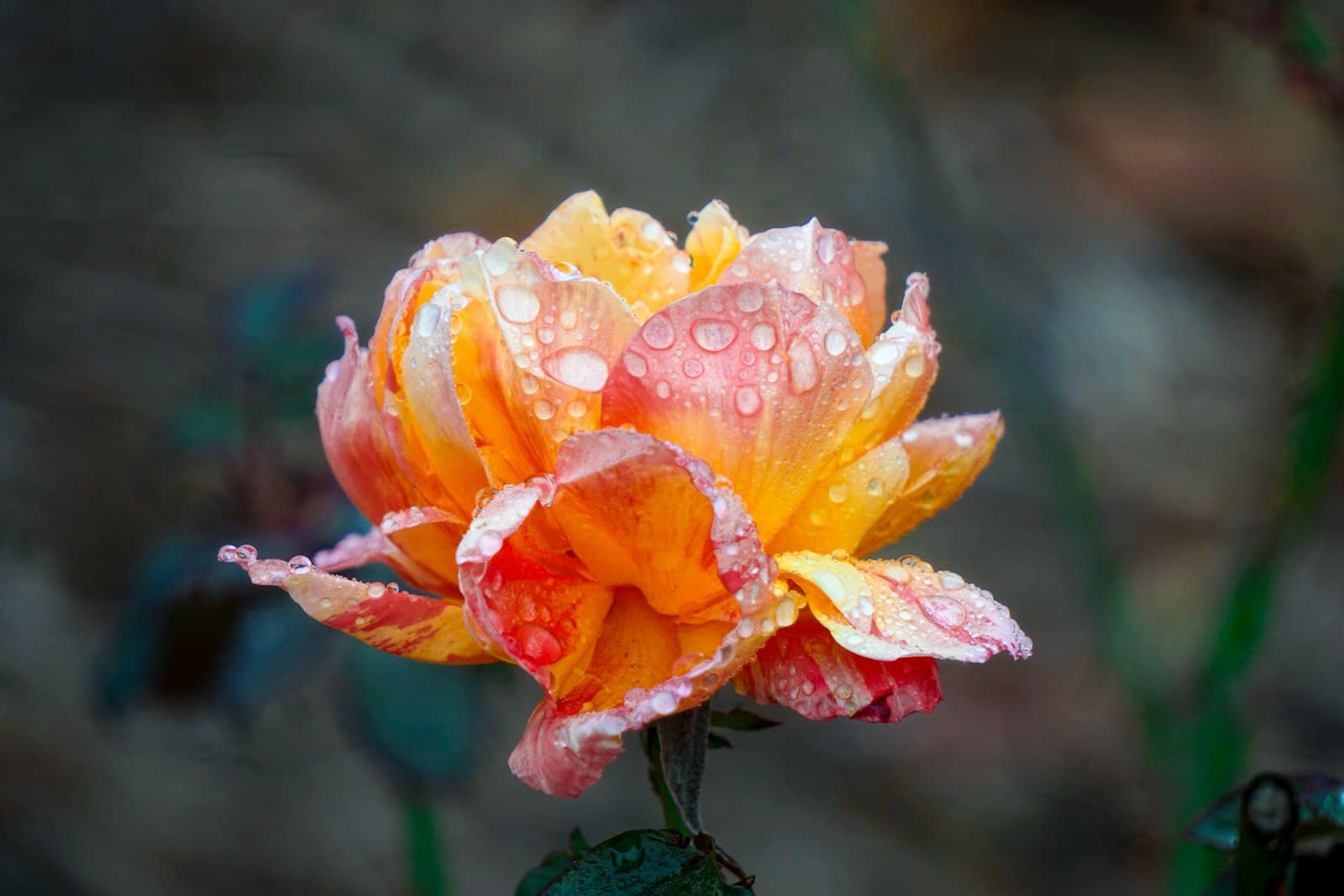
Toowoomba staat sinds de jaren 1890 bekend als de 'Tuinstad', een reputatie die werd versterkt door het milde klimaat en de vruchtbare grond die bewoners aanmoedigden om tuinen en parken aan te leggen. Dit tuinbouw-erfgoed leidde tot de oprichting van het Toowoomba Carnival of Flowers. Het idee voor het carnaval werd voor het eerst voorgesteld in 1949 door de lokale zakenman Essex Tait en de Toowoomba Chamber of Commerce, met als doel de stad na de Tweede Wereldoorlog nieuw leven in te blazen en zijn botanische schoonheid te vieren. Het eerste festival, gehouden in oktober 1950, was een groot succes en trok meer dan 50.000 toeschouwers naar de openingsparade. Het carnaval verhuisde het jaar daarop naar september om samen te vallen met het begin van de lente en de schoolvakanties, en werd het langstlopende jaarlijkse festival van Queensland en een belangrijke economische motor voor de regio.
Toowoomba biedt een mix van natuurlijke schoonheid, historische bezienswaardigheden en culturele ervaringen. Een goed startpunt is Queens Park and Botanic Gardens, een uitgestrekte groene ruimte die sinds het einde van de 19e eeuw door de lokale bevolking en bezoekers wordt genoten. Tijdens het Toowoomba Carnival of Flowers tonen deze tuinen spectaculaire bloemstukken.
Voor een weids uitzicht op Tabletop Mountain en de Lockyer Valley, ga naar Picnic Point Lookout. Het is een ideale plek voor een picknick, met wandelpaden en een café ter plaatse. De Ju Raku En Japanese Garden aan de University of Southern Queensland is een van de grootste en meest authentiek ontworpen Japanse tuinen van Australië en biedt een rustig uitje.
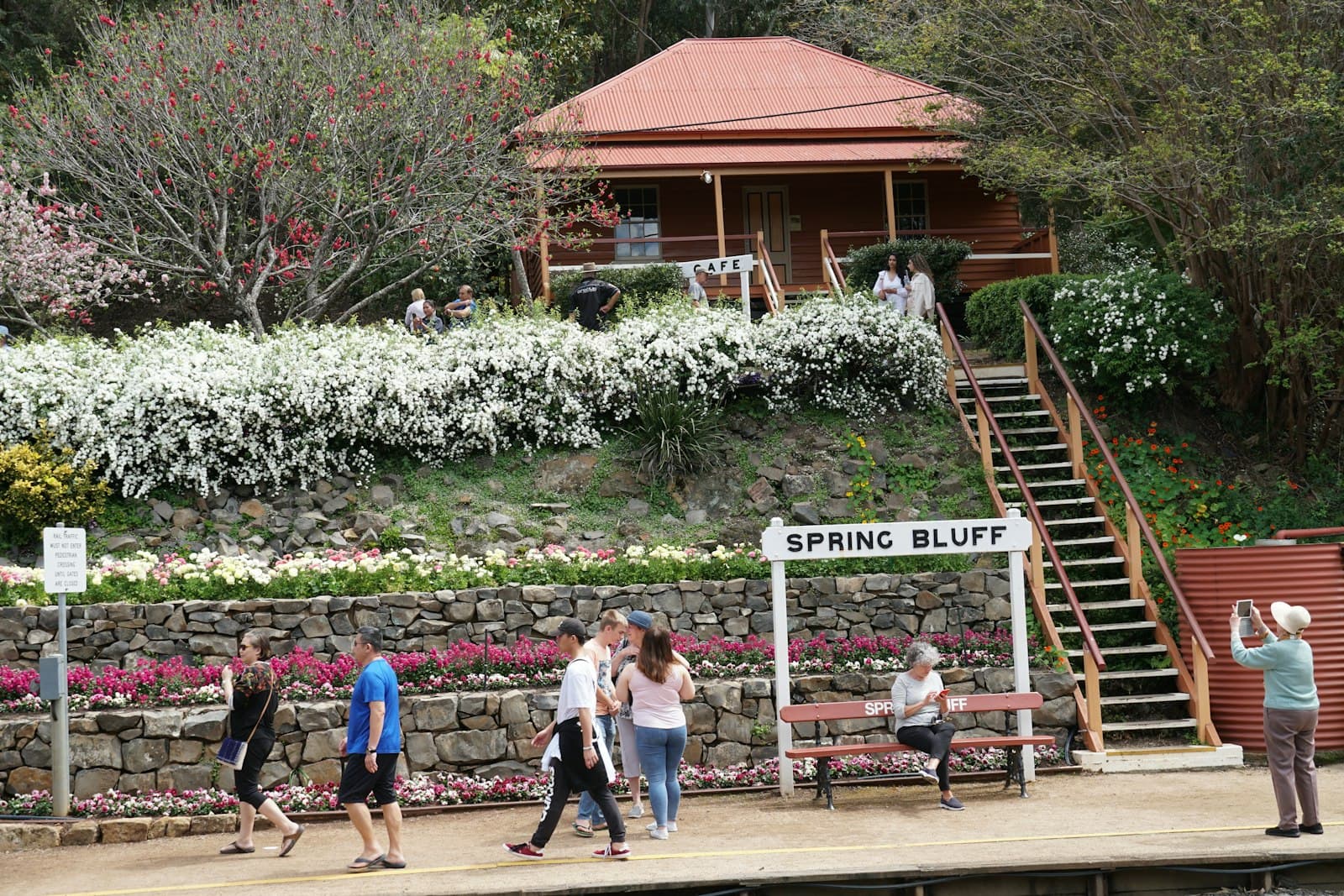
Duik in het verleden van de regio in het Cobb+Co Museum, dat de National Carriage Collection herbergt en inzicht biedt in de geschiedenis en ontwikkeling van Queensland. De stad heeft ook een levendige straatkunstscene, met meer dan 80 muurschilderingen van gevierde kunstenaars die de straten en steegjes van het CBD sieren. Voor een glimp van het verleden, verken het monumentale Spring Bluff Railway Station, gebouwd in de jaren 1860, bekend om zijn prachtige tuinen en spoorweggeschiedenis. Overweeg een historische wandeling door de stad om historische gebouwen zoals het Toowoomba Railway Station en St Luke's Anglican Church te zien.
Toowoomba kent vier duidelijke seizoenen. Lente (september tot november) en herfst (maart tot mei) worden vaak beschouwd als de beste tijden om te bezoeken vanwege het aangename klimaat en de levendige natuurlijke displays. De lente is bijzonder populair voor het Toowoomba Carnival of Flowers, wanneer de stad barst van de kleur. De herfst brengt een palet van rood-, oranje- en geeltinten aan de bomen en tuinen, wat ideale omstandigheden biedt voor buitenactiviteiten. Zomers (december tot februari) zijn warm, met gemiddelde dagtemperaturen rond de 28°C, geschikt voor buitenactiviteiten, hoewel er onweersbuien kunnen voorkomen. Winters (juni tot augustus) zijn koel met gemiddelde temperaturen rond de 11°C, met koude ochtenden en heldere luchten, wat het een goede tijd maakt om parken en historische bezienswaardigheden te verkennen.
Toowoomba ligt 132 km ten westen van Brisbane en is bereikbaar met de auto. Het Toowoomba Visitor Information Centre, gelegen op de hoek van James Street en Kitchener Street, is gevestigd in een gebouw in Queenslander-stijl en biedt persoonlijke service, lokale kennis, kaarten en brochures. Ze bieden ook gratis Wi-Fi, opladen van apparaten en toegankelijke faciliteiten.
Voor parkeren in het CBD biedt parkeren op straat de eerste 30 minuten gratis, met wisselende tijdslimieten en uurtarieven. Parkeergarages buiten de straat zijn ook beschikbaar. De Toowoomba Parking-app kan worden gebruikt voor betalingen. Openbaar vervoer binnen de stad omvat lokale busservices. Hoewel niet expliciet gedetailleerd, is het raadzaam om de website van de Toowoomba Regional Council te raadplegen voor actuele informatie over openbaar vervoer. Veel attracties zijn ook bereikbaar met de auto, met verschillende parkeermogelijkheden beschikbaar.
Toowoomba — Koreaans, Chinees, Hebreeuws en nog 29 talen, elke stop verteld door een moedertaalspreker. Het grootste taalaanbod van alle zelfgeleide audiotours.
Beschikbaar in: