Королевский монастырь Санта-Клара
Монастырь, первоначально королевский дворец, держал королеву в плену почти пять десятилетий.
Полная история открывается в туре
 stavros1 / CC BY 3.0, via Wikimedia Commons
Самостоятельная аудиопрогулка по Тордесильяс — GPS-маршрут, офлайн-воспроизведение, увлекательное повествование на 32 языках.
“Где империи проводили границы, и королева нашла свой тихий конец.”
Не открытки. Истории, которые не знают даже местные жители — шепотом в вашем ухе, прямо там, где они произошли.
Монастырь, первоначально королевский дворец, держал королеву в плену почти пять десятилетий.
Неприметное здание, где когда-то мир был разделен между двумя мировыми державами.
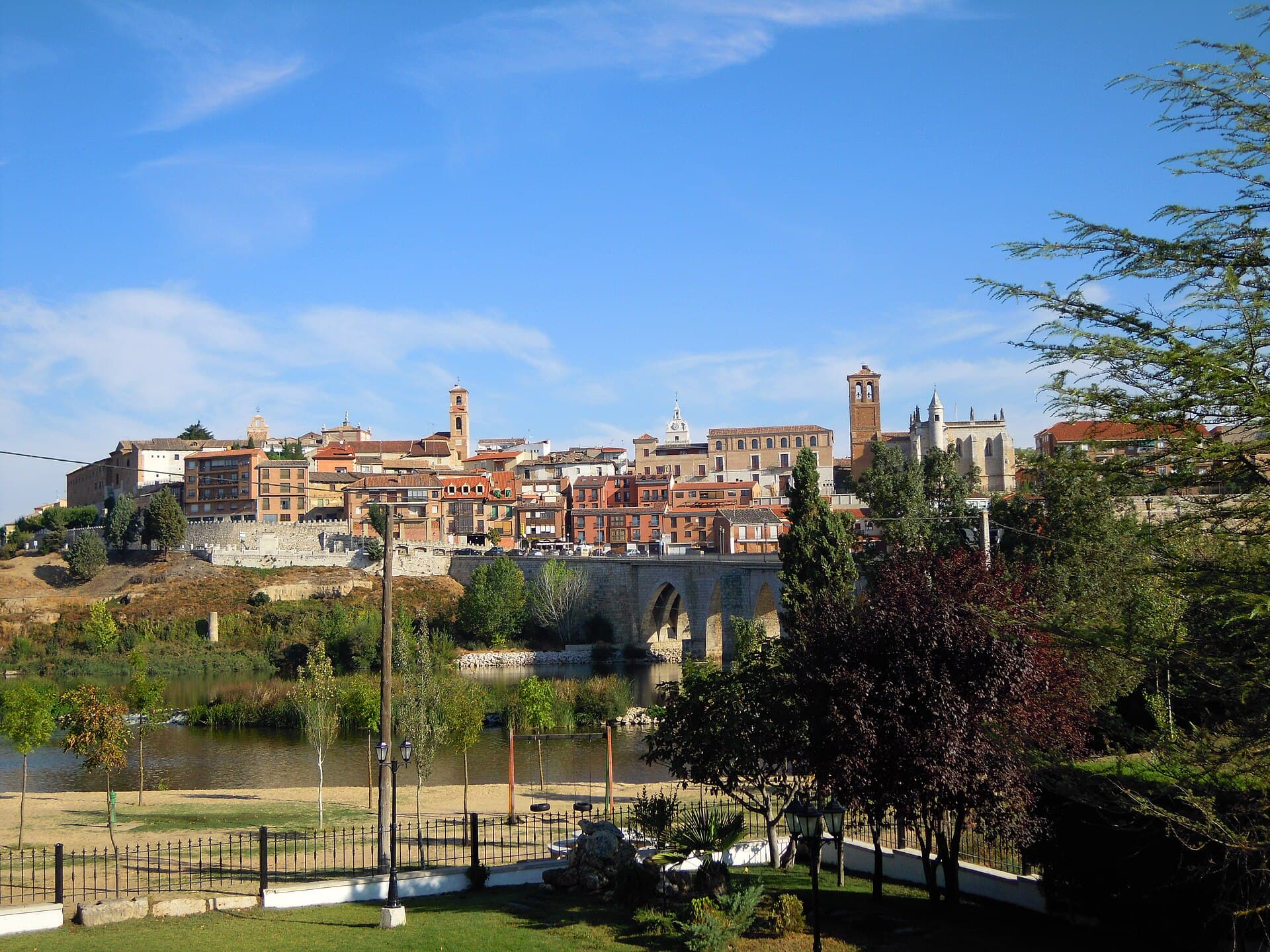
Река, протекающая через Тордесильяс, сыграла тихую, но значительную роль в стратегической важности города.
Откройте для себя каждый секрет Тордесильяс
Каждый адрес, каждое полное раскрытие — в вашем ухе, прямо там, где это произошло.
Вы выбираете остановки. Вы гуляете. Голос раскрывает то, что упускают другие.

Ваш самостоятельный аудиотур по Тордесильяс готов — выберите свои достопримечательности, выберите свой язык и начните в момент прибытия.
КупитьВ Lume встроен гид дополненной реальности. Поднимите телефон: камера показывает улицу перед вами, а поверх реального изображения светится стрелка, всегда указывающая на вашу следующую остановку — не нужно разбираться с картой и сворачивать не туда. Как и всё в Lume, это работает полностью офлайн.
Тордесильяс, город в самом сердце испанского региона Кастилия и Леон, несмотря на скромные размеры, оставил непропорционально большое наследие. Расположенный примерно в 30 километрах к юго-западу от Вальядолида, на высоте 704 метра над уровнем моря, он окружен рекой Дуэро. Город, в котором по состоянию на 2021 год проживало около 8 760 человек, предлагает компактное и гостеприимное сообщество, богатое наследием, которое вознаграждает неспешное исследование.
Это историческое поселение, некогда римский аванпост и стратегический средневековый оплот, стало ключевым местом в мировой истории. Его улицы и здания свидетельствуют о решающих событиях как для Пиренейского полуострова, так и для Америки. Тордесильяс приглашает посетителей погрузиться в прошлое, где пересекались имперская политика, королевское уединение и важные международные соглашения.
Сегодня Тордесильяс сохраняет свой исторический облик благодаря архитектуре, включая здания в стиле неомудехар, и своей неразрывной связи с рекой, которая веками определяла его мощь. Это место назначения, предлагающее сочетание культурного погружения и тихого отдыха от крупных городских центров.
История Тордесильяса восходит к римским временам, когда он служил поселением вдоль дороги, соединявшей Астурику с Цезаравгустой. Позже он стал стратегическим анклавом во время средневекового заселения долины Дуэро. Его возвышенное положение над рекой сделало его естественным пунктом контроля, влиявшим на его судьбу на протяжении веков.
В X веке Тордесильяс был пограничным поселением во время Реконкисты. Король Альфонсо VIII даровал ему первые муниципальные привилегии в 1189 году, а затем Альфонсо X «Мудрый» пожаловал королевскую хартию в 1262 году, формализовав его права на самоуправление, справедливое налогообложение и еженедельные рынки. Значение города росло благодаря королевскому вниманию; король Альфонсо XI построил здесь дворец около 1325 года.
XV век стал поворотным моментом для Тордесильяса. В 1494 году в группе домов, прилегающих к нынешней Пласа-Майор, представители корон Кастилии и Португалии подписали судьбоносный Тордесильясский договор. Это соглашение провело воображаемую линию через Атлантический океан, разделив новооткрытые земли за пределами Европы между двумя растущими империями. Все, что находилось к западу от этой линии, было отнесено к Испании, а все, что к востоку, — к Португалии. Это, казалось бы, техническое соглашение оказало глубокое влияние на колониальное разделение половины планеты, сделав Тордесильяс именем, известным на картах и в хрониках по всему миру.
Помимо знаменитого договора, Тордесильяс неразрывно связан с Хуаной I Кастильской, часто называемой Хуаной Безумной. Дочь Фердинанда Арагонского и Изабеллы Кастильской, Хуана была заключена в Королевском монастыре Санта-Клара почти на пятьдесят лет, с 1509 по 1555 год. Ее заключение превратило город в тихий двор, сцену интриг, опеки и борьбы за власть. Это длительное уединение оставило значительный след в местной памяти и архитектуре монастыря.
Начиная с XVI века, по мере смещения политических и экономических центров, Тордесильяс пережил постепенный упадок. Однако его историческое прошлое сохраняется на его улицах, в его архитектуре и его неразрывной связи с рекой Дуэро.
Начните свое исследование с Касас-дель-Тратадо (Дома Договора), двух смежных дворцов, где в 1494 году был подписан Тордесильясский договор. Музей внутри предлагает информативные экспозиции, старинные карты и многоязычную видеопрезентацию, иллюстрирующую мир до и после договора. Рядом с музеем вы можете посетить Королевский монастырь Санта-Клара, средневековый комплекс, первоначально построенный как дворец королем Альфонсо XI около 1340 года. Этот монастырь, известный своей архитектурой в стиле мудехар, включая кессонный потолок в церкви и сохранившиеся арабские бани, также был местом длительного заключения королевы Хуаны I.
Пласа-Майор служит центральным местом сбора, окруженным исторической архитектурой. Неподалеку Церковь-музей Сан-Антолин (Iglesia Museo de San Antolín) — церковь XVI века, преобразованная в музей сакрального искусства, где представлены алтари и религиозные артефакты, а также есть доступ на башню с панорамными видами. Другие примечательные церкви включают Церковь Санта-Мария, готическое сооружение, перестроенное в XVI веке, и Церковь Сан-Педро. Не пропустите средневековый мост с десятью арками через реку Дуэро. Для интересующихся местными ремеслами Музей кружева Дидактико-дель-Энкахе демонстрирует изделия ручной работы.
Наиболее благоприятная погода в Тордесильясе наблюдается в апреле, мае, июне, сентябре и октябре, с температурами от 18°C до 28°C (64°F до 82°F). Эти мягкие условия идеально подходят для пеших прогулок по городу. Хотя в эти месяцы возможны дожди, более сухой сезон обычно длится с июня по сентябрь. Июль — самый солнечный месяц, в среднем 12,2 часа солнечного света в день. Для активного отдыха в жаркую погоду лучшее время — с начала июля до середины августа.
До Тордесильяса легко добраться, он расположен примерно в 30 километрах к юго-западу от Вальядолида по трассе A-62. Он также находится примерно в 90 километрах к северо-востоку от Саламанки. Если вы путешествуете без машины, есть прямой поезд из Вальядолида, который занимает около 50 минут. Оказавшись в Тордесильясе, город легко исследовать пешком. Вы можете посетить основные памятники и прогуляться по старому кварталу за один день. Если вы хотите глубже изучить музеи или окрестности, рассмотрите возможность ночлега.
Музей Тордесильясского договора открыт со вторника по субботу с 10:00 до 13:30 и с 17:00 до 19:30 летом (с 1 июня по 30 сентября) и с 10:00 до 13:30 и с 16:00 до 18:30 зимой (с 1 октября по 31 мая). По воскресеньям и праздникам он открыт с 10:00 до 14:00, а по понедельникам закрыт. Рекомендуется заранее связаться с Королевским монастырем Санта-Клара по поводу часов посещения, так как это действующая община монахинь-затворниц. Тордесильяс также находится недалеко от четырех испанских винодельческих регионов: Рибера-дель-Дуэро, Руэда, Торо и Сигалес, предлагая возможности для энотуризма.
Тордесильяс: корейский, китайский, иврит и ещё 29 языков — каждую остановку озвучивает носитель языка. Самый широкий выбор языков среди аудиоэкскурсий без гида.
Доступные языки: