Il PATH
Toronto ha un'intera città sotto le sue strade, ma non è sempre stata una meraviglia coordinata.
La storia completa si sblocca nel tour
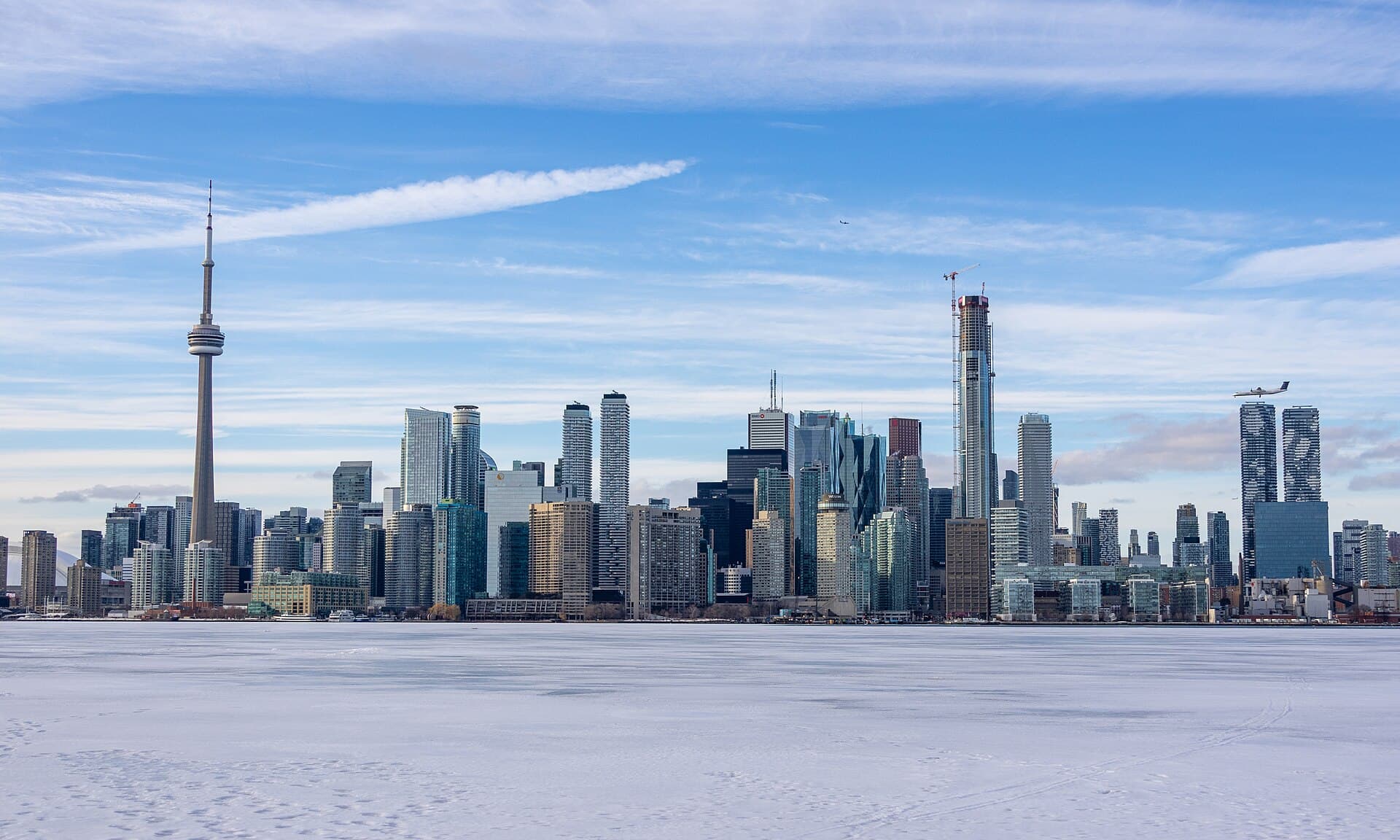 Dillan Payne / CC BY-SA 4.0, via Wikimedia Commons
Tour audio autoguidato di Toronto — percorso GPS a piedi, riproduzione offline, narrazione coinvolgente in 32 lingue.
“Oltre lo skyline, Toronto pulsa con ritmi inaspettati e correnti profonde.”
Non le cartoline. Le storie che nemmeno i locali conoscono — sussurrate nel tuo orecchio, proprio dove sono accadute.
Toronto ha un'intera città sotto le sue strade, ma non è sempre stata una meraviglia coordinata.
Queste isole popolari, che offrono ampie viste sulla città, non sono sempre state separate dalla terraferma.
L'efficiente aeroporto dell'isola di Toronto era un tempo concepito come il principale hub aereo della città, ma la sua costruzione incontrò un'opposizione insolita.
Scopri ogni segreto di Toronto
Ogni indirizzo, ogni rivelazione completa — nel tuo orecchio, proprio dove è accaduta.
Scegli le tue tappe. Cammini. La voce rivela ciò che gli altri perdono.


Il tuo tour audio autoguidato di Toronto è pronto — scegli i tuoi punti di interesse, seleziona la tua lingua e inizia nel momento in cui arrivi.
AcquistaLume include una guida in realtà aumentata. Alza il telefono: la fotocamera mostra la strada davanti a te, con una freccia luminosa sovrapposta all'immagine reale che punta sempre verso la tua prossima tappa — nessuna mappa da decifrare, nessuna svolta sbagliata. Come tutto in Lume, funziona completamente offline.
Toronto, la città più grande del Canada, è una metropoli dinamica sulla riva nord-occidentale del Lago Ontario. Il suo skyline è immediatamente riconoscibile, dominato dall'iconica CN Tower, una testimonianza dell'ingegnosità canadese e un ex detentore del record mondiale per la struttura autoportante più alta. La città è una ricca convergenza di culture, con oltre 250 etnie e più di 180 lingue parlate dai suoi residenti, quasi la metà dei quali sono nati fuori dal Canada. Questa diversità si riflette nei suoi quartieri eclettici, nella cucina di livello mondiale e in un'energia palpabile che rende Toronto una città veramente globale.
Dalla sua vivace zona centrale alle sue tranquille isole, Toronto offre un'esperienza sfaccettata. È una città di grattacieli imponenti e vasti spazi verdi, di mercati storici e arte all'avanguardia. Che tu stia cercando immersione culturale, avventure culinarie o semplicemente una passeggiata in un vivace paesaggio urbano, Toronto presenta una destinazione avvincente dove ogni angolo rivela una nuova sfaccettatura del suo carattere.
La storia di Toronto risale a oltre 12.000 anni fa, con popoli indigeni, tra cui gli Huron-Wendat, gli Haudenosaunee e i Mississaugas, che abitavano l'area. Queste prime comunità stabilirono accampamenti di pesca e utilizzarono importanti rotte terrestri, come il "Toronto Carrying-Place Trail" lungo il fiume Humber, un sito strategico per il controllo del commercio delle pellicce. Il nome "Toronto" stesso si ritiene derivi da una parola Mohawk, "Tkaronto", che significa "luogo dove gli alberi stanno nell'acqua", riferendosi a una vicina rotta di trasbordo.
La presenza europea nell'area iniziò con avamposti commerciali francesi nel XVII secolo, sebbene questi fossero di breve durata. Le origini della città moderna risalgono al 1793, quando il vicegovernatore britannico John Graves Simcoe stabilì la Town of York come capitale dell'Upper Canada. Simcoe scelse strategicamente il sito per il suo porto naturale e delineò un piano a griglia, inclusi Yonge Street e Dundas Street, per accogliere insediamenti e difesa. La città era presidiata a Fort York, a guardia del porto.
York, tuttavia, si guadagnò il soprannome di "Muddy York" (York fangosa) a causa delle sue strade non asfaltate. Durante la guerra del 1812, le truppe americane catturarono e bruciarono parzialmente la città nel 1813, sebbene fu rapidamente ricostruita. Nel 1834, la Town of York fu incorporata e ufficialmente rinominata City of Toronto, una decisione presa per distinguerla da altre località chiamate "York" e per liberarsi della connotazione negativa del suo soprannome. William Lyon Mackenzie divenne il primo sindaco di Toronto.
Il XIX secolo vide una rapida crescita, alimentata dall'immigrazione, principalmente dalle isole britanniche, e dallo sviluppo dell'industria, del settore bancario e di una fiorente rete di trasporti. Toronto divenne la capitale della neonata provincia dell'Ontario nel 1867, uno status che le conferì il controllo sulle risorse minerarie e forestali del nord. La città continuò ad espandersi attraverso annessioni e fusioni, in particolare nel 1998, quando sei comuni circostanti si fusero per formare la City of Toronto a livello singolo, colloquialmente nota come "megacity".
Toronto visse un significativo boom edilizio negli anni '60, portando a una proliferazione di grattacieli. Questo rapido sviluppo, pur segnalando la modernizzazione della città, creò un problema pratico: le esistenti torri di trasmissione televisiva e radiofonica non erano più abbastanza alte per trasmettere efficacemente i segnali sugli edifici più nuovi e alti, con conseguente scarsa ricezione.
In risposta, la Canadian National Railway concepì l'idea della CN Tower nel 1968. L'obiettivo era costruire un'ampia piattaforma di comunicazione per servire l'area di Toronto e mostrare la forza dell'industria canadese. La costruzione iniziò nel febbraio 1973, coinvolgendo massicci scavi per le fondamenta e il getto continuo di cemento in una cassaforma scorrevole che saliva gradualmente, creando la distintiva forma affusolata della torre. Il progetto richiese 1.537 appaltatori che lavorarono 24 ore su 24 per 40 mesi. Completata nel 1975 e aperta al pubblico nel 1976, la CN Tower, alta 553,3 metri (1.815 piedi), divenne la struttura autoportante più alta del mondo, titolo che mantenne per 32 anni. Divenne rapidamente un simbolo iconico di Toronto e un'importante attrazione turistica.
Toronto offre una vasta gamma di attrazioni, che soddisfano interessi diversi. La CN Tower rimane un'esperienza per eccellenza, offrendo viste panoramiche della città e del Lago Ontario dai suoi ponti di osservazione, un ristorante girevole e, per i più avventurosi, l'EdgeWalk.
Immergiti nella cultura al Royal Ontario Museum (ROM), che vanta ampie collezioni di arte, cultura mondiale e storia naturale. Nelle vicinanze, l'Art Gallery of Ontario (AGO) ospita una delle più grandi collezioni d'arte del Nord America. Per una prospettiva storica unica, visita Casa Loma, un castello in stile gotico con un'architettura imponente e viste sulla città.
Il Distillery Historic District trasporta i visitatori nel Toronto del XIX secolo con i suoi edifici storici, un tempo sede della distilleria Gooderham & Worts. Esplora Kensington Market, noto per i suoi negozi eclettici e l'arte di strada. Per un assaggio della vita locale e dei prodotti freschi, lo St. Lawrence Market è un'istituzione storica.
Sfuggite al trambusto urbano con un giro in traghetto verso le Isole di Toronto, che offrono spazi verdi, spiagge e alcune delle migliori viste sullo skyline. Il Billy Bishop Toronto City Airport, situato sulle isole, offre una prospettiva unica sull'aviazione urbana. Per l'intrattenimento per famiglie, Ripley's Aquarium of Canada espone circa 16.000 specie acquatiche.
Toronto vive quattro stagioni distinte. L'estate (da giugno ad agosto) offre temperature calde, ideali per godersi i patii all'aperto, i festival e le Isole di Toronto. La primavera (da aprile a maggio) e l'autunno (da settembre a ottobre) portano un clima più mite, fogliame colorato e condizioni confortevoli per le visite turistiche. Gli inverni (da novembre a marzo) sono freddi con nevicate, ma la città abbraccia la stagione con pattinaggio sul ghiaccio e attrazioni al coperto, e la rete sotterranea PATH fornisce un modo climatizzato per navigare nel centro.
L'aeroporto internazionale di Toronto Pearson (YYZ) è l'aeroporto più trafficato del Canada e il principale gateway internazionale. Il treno UP Express offre un collegamento rapido e diretto da Pearson alla Union Station del centro in circa 25 minuti. In alternativa, sono disponibili taxi e servizi di ride-sharing, sebbene soggetti al traffico.
All'interno della città, la Toronto Transit Commission (TTC) gestisce un'ampia rete di metropolitane, tram e autobus. Il sistema di passerelle pedonali sotterranee PATH offre un modo comodo e protetto dalle intemperie per navigare gran parte del centro, collegando oltre 75 edifici, tra cui torri d'uffici, hotel e stazioni della metropolitana.
I canadesi sono generalmente noti per la loro cortesia. La mancia è consuetudine a Toronto; aspettatevi di dare una mancia del 10-15% nei ristoranti, con il 15-20% per un buon servizio. Per corse in taxi più brevi, arrotondare la tariffa è comune, e il 10% è tipico per viaggi più lunghi. Sebbene non obbligatorio, lasciare una mancia nei bar e per un servizio rapido al bancone è sempre più comune e apprezzato.
Toronto — coreano, cinese, ebraico e altre 29 lingue, ogni tappa narrata da una voce madrelingua. La più ampia scelta di lingue tra i tour audio autoguidati.
Disponibile in: