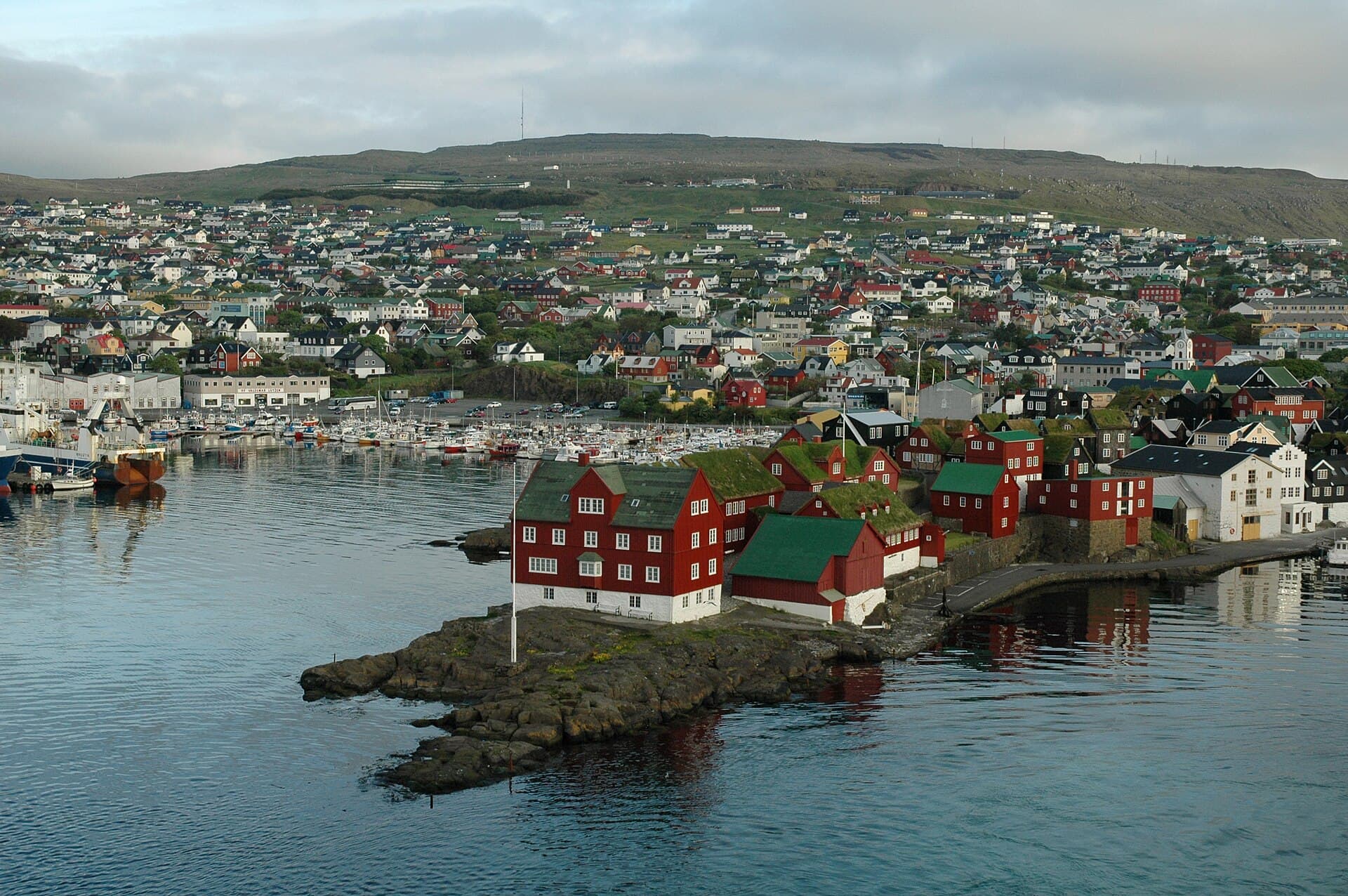
Halbinsel Tinganes
Stellen Sie sich ein Parlament vor, das seit über tausend Jahren am selben Ort tagt, ohne Wachen oder Barrieren.
Die ganze Geschichte wird in der Tour freigeschaltet
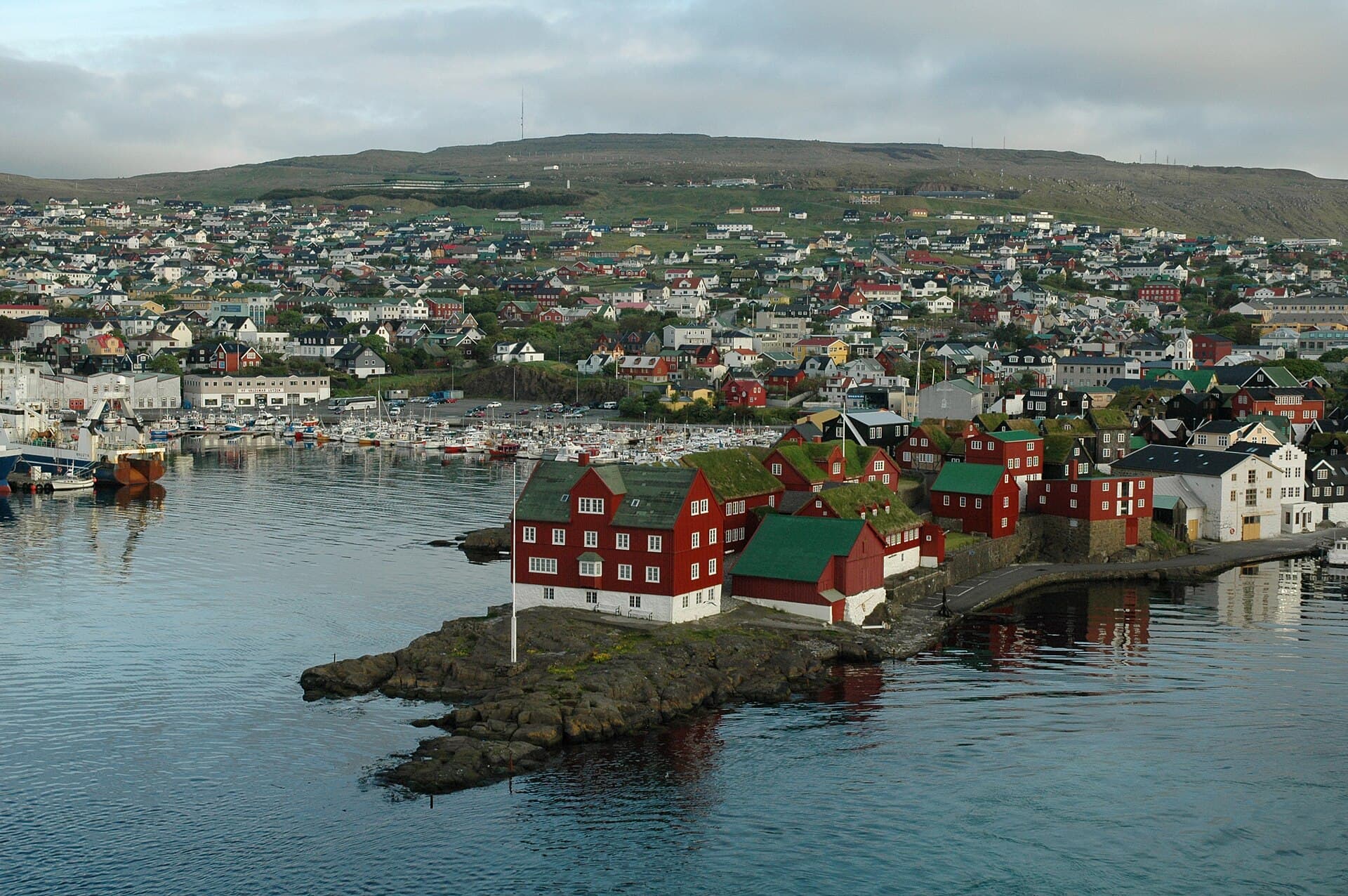 PanWoyteczek / CC BY 4.0, via Wikimedia Commons
Selbstgeführte Audio-Walking-Tour durch Tórshavn — GPS-Route, Offline-Wiedergabe, erzählerische Narration in 32 Sprachen.
“Wo alte Sagen auf die Gegenwart treffen, ist Tórshavn eine stille Offenbarung im Nordatlantik.”
Nicht die Postkarten. Die Geschichten, die selbst Einheimische nicht kennen – dir ins Ohr geflüstert, genau dort, wo sie geschahen.
Stellen Sie sich ein Parlament vor, das seit über tausend Jahren am selben Ort tagt, ohne Wachen oder Barrieren.
In einem Land, das bekanntermaßen baumlos ist, pflegt Tórshavn einen überraschenden Miniaturwald.
Dieses historische Fort sah sich einst einer ungewöhnlichen Lösegeldforderung von französischen Piraten gegenüber.
Entdecke jedes Geheimnis von Tórshavn
Jede Adresse, jede Enthüllung vollständig – in deinem Ohr, genau dort, wo es geschah.
Du wählst deine Stationen. Du gehst. Die Stimme enthüllt, was andere übersehen.
Lume enthält einen integrierten Augmented-Reality-Guide. Halten Sie Ihr Handy hoch: Die Kamera zeigt die Straße vor Ihnen, mit einem leuchtenden Pfeil über dem echten Bild, der immer auf Ihren nächsten Stopp zeigt — keine Karte zum Rätseln, keine falschen Abzweigungen. Wie alles bei Lume funktioniert es komplett offline.
Tórshavn, oft einfach 'Havn' (was 'Hafen' bedeutet) genannt, ist die kleine, aber dynamische Hauptstadt der Färöer-Inseln. An der südöstlichen Küste von Streymoy, der größten Insel des Archipels, gelegen, ist es ein Ort, an dem der wilde Nordatlantik auf einen überraschend lebendigen urbanen Puls trifft. Mit einer Bevölkerung von rund 14.000 Einwohnern in der Stadt selbst und etwa 22.000 im gesamten Stadtgebiet gehört sie zu den kleinsten Hauptstädten der Welt.
Dies ist keine Stadt der hoch aufragenden Wolkenkratzer oder weitläufigen Boulevards; stattdessen besticht Tórshavn mit seinen bunten Häusern mit Grasdächern, einem geschäftigen Hafen und einem Lebensrhythmus, der zum Verweilen einlädt. Es ist ein Ort, an dem die alte Wikingergeschichte gelebte Realität ist und die moderne nordische Kultur blüht, was eine einzigartige Mischung aus Erbe, dramatischer Küstenlandschaft und einer entspannten, intimen Atmosphäre bietet.
Von der historischen Halbinsel Tinganes, wo seit über einem Jahrtausend das Parlament tagt, bis hin zu seiner aufstrebenden kulinarischen Szene und lebendigen kulturellen Institutionen bietet Tórshavn einen fesselnden Ausgangspunkt für die Erkundung der rauen Schönheit der Färöer-Inseln. Es ist eine Stadt, die Besucher einlädt, langsamer zu werden, die Seeluft einzuatmen und die Geschichten zu entdecken, die in ihre Basaltklippen und reizvollen Straßen eingraviert sind.
Die Geschichte Tórshavns beginnt mit den Nordmännern, die um 825 n. Chr. ihr Parlament, das 'Ting', auf der Halbinsel Tinganes errichteten. Damit ist es einer der ältesten parlamentarischen Versammlungsorte der Welt. Der Name der Stadt selbst, 'Thors Hafen', ehrt den nordischen Gott des Donners und Blitzes.
Jahrhundertelang blieb Tinganes das politische Herz der Färöer-Inseln, obwohl Tórshavn selbst nur langsam wuchs. Im Jahr 1271 errichtete die norwegische Krone ein königliches Handelsmonopol, das den gesamten Handel zwischen Norwegen und den Färöern in Bergen und später in Tórshavn zentralisierte. Dies bedeutete, dass Tórshavn der einzige legale Ort für die Inselbewohner war, um Waren zu erwerben und zu verkaufen, was ihm mehr Kontakt zur Außenwelt als anderen Dörfern verschaffte. Dieses Monopol schränkte jedoch auch die Stadterweiterung im Mittelalter ein.
Die Tragödie schlug 1673 zu, als eine Schießpulverexplosion in Tinganes einen Brand auslöste, der viele alte Häuser und färöische Aufzeichnungen zerstörte. Ein weiterer verheerender Schlag kam 1709 mit einer Pockenepidemie, die fast die gesamte Bevölkerung auslöschte und 250 der 300 Einwohner tötete. Trotz dieser Rückschläge begann Tórshavn Ende des 18. Jahrhunderts langsam zu einer kleinen Stadt heranzuwachsen, insbesondere nachdem das Handelsmonopol 1709 zu einem königlichen Monopol wurde und dreimal im Jahr Waren aus Kopenhagen eintrafen.
Die Abschaffung des Handelsmonopols im Jahr 1856 markierte einen Wendepunkt, leitete den freien Handel ein und veränderte die Wirtschaft Tórshavns. Dies führte zu einem schnellen Bevölkerungswachstum und der Entwicklung privater Unternehmen, was den Grundstein für die moderne Identität Tórshavns legte. 1866 wurde der Stadtrat von Tórshavn gegründet, was seine Rolle als Hauptstadt festigte, und 1909 erhielt er den Status einer Marktgemeinde.
Während des Zweiten Weltkriegs wurden die Färöer-Inseln von den Briten besetzt, und das Fort Skansin in Tórshavn diente als Hauptquartier der britischen Royal Navy. Heute entwickelt sich Tórshavn weiter und verbindet seine alten Wurzeln mit zeitgenössischem nordischem Design und einer blühenden Kulturszene.
Beginnen Sie Ihre Erkundung in Tinganes, der historischen Halbinsel, auf der das färöische Parlament seit über tausend Jahren tagt. Schlendern Sie durch seine engen, gewundenen Gassen und bewundern Sie die traditionellen roten Holzhäuser mit ihren Grasdächern, die noch immer Regierungsbüros beherbergen. Nur einen kurzen Spaziergang entfernt liegt der Hafen Vágsbotn, ein farbenfrohes Gebiet mit Fischerbooten, alten Lagerhäusern und einer Auswahl an Cafés und Restaurants.
Setzen Sie Ihren Weg fort zum Alten Viertel (á Reyni), das sich durch seine reizvollen schwarz geteerten Holzhäuser mit weiß gefassten Fenstern und Grasdächern auszeichnet, von denen einige aus dem 14. Jahrhundert stammen. Besuchen Sie die Tórshavner Kathedrale (Havnar Kirkja), eine weiße Holzkirche, die ursprünglich 1788 erbaut und 1865 umgebaut wurde und für ihren markanten Glockenturm und ihre historische Glocke bekannt ist.
Für einen weiten Blick über den Hafen und die Insel Nólsoy begeben Sie sich zum Fort Skansin, das Ende des 16. Jahrhunderts zum Schutz vor Piraten erbaut wurde. Tauchen Sie im Nordischen Haus in die färöische Kultur ein, einem modernen architektonischen Wunderwerk mit Grasdach, das Ausstellungen, Konzerte und Veranstaltungen beherbergt. Verpassen Sie nicht die Nationalgalerie der Färöer-Inseln (Listasavn Føroya), um die lebendige Kunstszene der Inseln zu würdigen. Für eine friedliche Auszeit erkunden Sie Viðarlundin, Tórshavns einzigartigen 'Mini-Wald', in dem Einheimische spazieren gehen und Enten füttern.
Die beste Zeit für einen Besuch in Tórshavn sind die Sommermonate von Juni bis August. Das Wetter ist im Allgemeinen stabiler und die Tage sind lang, was ausgedehnte Erkundungen ermöglicht. Während die Sommertemperaturen mild sind und selten 13°C (55°F) überschreiten, halten die Ozeane die Wintertemperaturen relativ moderat, um die 6°C (43°F), obwohl es bewölkt und stürmisch sein kann. Mai und Juni sind oft die trockensten und ruhigsten Monate. Wenn Sie an lokalen Festlichkeiten interessiert sind, sollten Sie einen Besuch während Ólavsøka, des färöischen Nationalfeiertags Ende Juli, für ein lebhaftes kulturelles Erlebnis in Erwägung ziehen.
Die Anreise nach Tórshavn erfolgt in der Regel über den Flughafen Vágar (FAE) mit Direktflügen von Kopenhagen, Edinburgh und anderen europäischen Städten. Vom Flughafen aus können Sie ein Auto mieten, ein Taxi nehmen oder öffentliche Verkehrsmittel nutzen, um die Hauptstadt zu erreichen, die etwa 45 Minuten entfernt liegt. Alternativ verbindet die Smyril Line Fähre die Färöer-Inseln mit Dänemark (Hirtshals) und Island und ermöglicht es Ihnen, ein Auto mitzubringen.
Obwohl Englisch häufig gesprochen wird, kann das Erlernen einiger färöischer Sätze geschätzt werden. Die lokale Währung ist die Dänische Krone (DKK), aber Kreditkarten (Visa und Mastercard) werden weitgehend akzeptiert; American Express wird im Allgemeinen nicht angenommen. Es ist ratsam, Unterkünfte im Voraus zu buchen, insbesondere während der Hochsaison. Das Wetter ist bekanntermaßen unvorhersehbar, packen Sie daher unabhängig von der Jahreszeit Schichten und wasserdichte Kleidung ein.
Tórshavn — Koreanisch, Chinesisch, Hebräisch und 29 weitere Sprachen, jede Station von einer muttersprachlichen Stimme erzählt. Die größte Sprachauswahl aller selbstgeführten Audiotouren.
Verfügbar auf: