Dune di Sabbia di Tottori
Potresti aspettarti di trovare cammelli in un deserto, ma a Tottori non sono solo per lo spettacolo.
La storia completa si sblocca nel tour
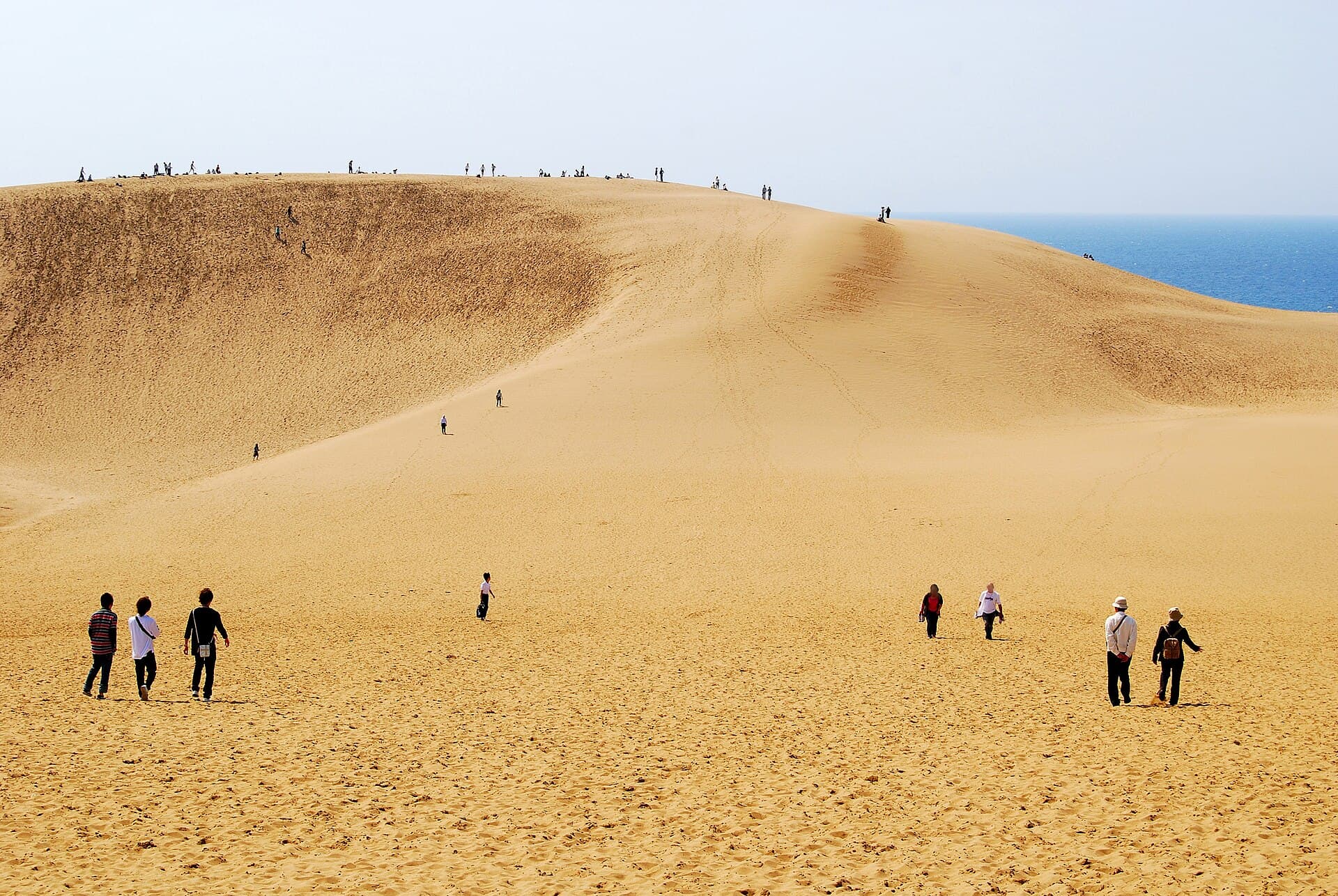 Hashi photo / CC BY-SA 3.0, via Wikimedia Commons
Tour audio autoguidato di Tottori — percorso GPS a piedi, riproduzione offline, narrazione coinvolgente in 32 lingue.
“Dove le sabbie del deserto incontrano il Mar del Giappone e antiche storie indugiano nel vento.”
Non le cartoline. Le storie che nemmeno i locali conoscono — sussurrate nel tuo orecchio, proprio dove sono accadute.
Potresti aspettarti di trovare cammelli in un deserto, ma a Tottori non sono solo per lo spettacolo.
Sotto le limpide acque della costa di Uradome si nasconde uno sorprendente legame con uno sforzo ambientale globale.
L'assedio del castello di Tottori fu così brutale che portò a una disperata e insolita misura di sopravvivenza.
Scopri ogni segreto di Tottori
Ogni indirizzo, ogni rivelazione completa — nel tuo orecchio, proprio dove è accaduta.
Scegli le tue tappe. Cammini. La voce rivela ciò che gli altri perdono.


Il tuo tour audio autoguidato di Tottori è pronto — scegli i tuoi punti di interesse, seleziona la tua lingua e inizia nel momento in cui arrivi.
AcquistaLume include una guida in realtà aumentata. Alza il telefono: la fotocamera mostra la strada davanti a te, con una freccia luminosa sovrapposta all'immagine reale che punta sempre verso la tua prossima tappa — nessuna mappa da decifrare, nessuna svolta sbagliata. Come tutto in Lume, funziona completamente offline.
Tottori, la capitale della prefettura di Tottori, è una destinazione affascinante sulla costa del Mar del Giappone, spesso trascurata dai viaggiatori internazionali. È un luogo dove grandiosi paesaggi naturali, come le singolari dune di sabbia di Tottori, incontrano un profondo tessuto culturale e un'atmosfera rilassata e accogliente. Questa compatta città offre una miscela distintiva di avventura, storia e carattere locale, rendendola una fuga ideale per coloro che cercano un'autentica esperienza giapponese oltre le metropoli frenetiche.
Oltre alle celebrate dune, Tottori si rivela attraverso la sua tranquilla costa, le storiche rovine del castello e una scena culinaria profondamente legata alla sua abbondanza agricola e marittima. La città funge da porta d'accesso alla più ampia regione di San'in, una parte meno battuta del Giappone nota per il suo incontaminato splendore naturale e le antiche tradizioni. Che tu sia attratto dalle attività all'aperto, dall'esplorazione storica o semplicemente dall'assaporare prodotti locali freschi, Tottori offre un viaggio distintivo nel cuore del Giappone rurale.
## Primi inizi e lotte feudali Le prove di insediamenti umani nell'area di Tottori risalgono al periodo Jomon, con ritrovamenti archeologici che indicano una lunga storia di attività umana. La regione acquisì importanza durante il periodo Kofun (300-538 d.C.) con la costruzione di numerosi tumuli funerari, a significare la presenza di potenti clan locali.
Durante il periodo Sengoku (1467-1615), Tottori divenne un importante punto strategico grazie alla sua posizione. Il castello di Tottori, originariamente costruito nel XVI secolo, fu teatro di diverse feroci battaglie. La più notevole fu l'assedio per fame di Tottori nel 1581, quando le forze di Toyotomi Hideyoshi interruppero le forniture al castello, portando a estreme difficoltà per i difensori. Questo evento è un crudo ricordo delle brutali realtà della guerra feudale in Giappone.
## Periodo Edo e sviluppo moderno Dopo l'unificazione del Giappone sotto lo shogunato Tokugawa, Tottori divenne la sede del Dominio di Tottori, governato dal clan Ikeda per gran parte del periodo Edo (1603-1868). La città fiorì come città-castello, sviluppando la sua infrastruttura e identità culturale. L'economia locale si basava principalmente sull'agricoltura e sulla pesca, con una forte enfasi sul riso e, successivamente, sulle pere.
Nella Restaurazione Meiji (1868), i domini feudali furono aboliti e fu istituita la prefettura di Tottori. La città di Tottori continuò a servire come centro amministrativo. Come molte città giapponesi, Tottori conobbe la modernizzazione e l'industrializzazione nel XX secolo. Tuttavia, affrontò anche sfide, tra cui danni significativi a causa del terremoto di Tottori nel 1943. Nonostante questi contrattempi, la città si ricostruì e continuò a evolversi, preservando il suo carattere distintivo pur abbracciando il progresso.
Inizia la tua esplorazione dalle Dune di Sabbia di Tottori, un monumento naturale designato e le dune di sabbia più grandi del Giappone. Qui puoi provare il sandboarding, il parapendio o persino fare un giro in cammello per una prospettiva unica. Adiacente alle dune si trova il Museo della Sabbia, che espone intricate sculture di sabbia realizzate da artisti di tutto il mondo, con temi che cambiano annualmente.
Per uno sguardo al passato della città, visita le Rovine del Castello di Tottori in cima al Monte Kyusho. Sebbene rimangano solo mura di pietra e fondamenta, le viste panoramiche sulla città e sul Mar del Giappone sono impressionanti. La Residenza Jinpukaku, una dimora in stile rinascimentale francese costruita nel 1907, si trova ai piedi delle rovine del castello e offre uno sguardo sull'aristocrazia giapponese dei primi del XX secolo.
Scopri lo spettacolare scenario costiero della Costa di Uradome, una costa frastagliata con acque limpide, grotte marine e formazioni rocciose uniche. Sono disponibili tour in barca per esplorare la costa, oppure puoi dedicarti al kayak e allo snorkeling nei mesi più caldi.
Immergiti nella cultura locale al Museo dell'Artigianato Popolare di Tottori, che espone una collezione di artigianato tradizionale della regione di San'in. Per una fuga tranquilla, il Giardino del Tempio Kannon-in, un giardino tradizionale giapponese, offre un ambiente sereno per la contemplazione.
I periodi migliori per visitare Tottori sono la primavera (aprile-maggio) e l'autunno (ottobre-novembre). La primavera offre temperature confortevoli e la bellezza dei ciliegi in fiore, mentre l'autunno porta un clima piacevole e un vivido fogliame autunnale. Le estati (giugno-settembre) possono essere calde e umide, sebbene siano un buon momento per le attività acquatiche lungo la costa di Uradome. Gli inverni (dicembre-marzo) sono freddi, con occasionali nevicate, offrendo un fascino diverso e più tranquillo.
Tottori è raggiungibile in treno, con servizi diretti limited express da Kyoto e Osaka. L'aeroporto di Tottori (TTJ) offre anche voli da e per l'aeroporto Haneda di Tokyo. All'interno della città, gli autobus locali collegano le principali attrazioni e un comodo autobus circolare, il Kirinjishi Loop Bus, serve le dune di sabbia di Tottori e altri siti chiave. Sono disponibili anche taxi. Per l'alloggio, le opzioni vanno dagli hotel business vicino alla stazione ai ryokan tradizionali. L'inglese non è molto parlato, quindi avere un'app di traduzione o frasi giapponesi di base può essere utile.
Tottori — coreano, cinese, ebraico e altre 29 lingue, ogni tappa narrata da una voce madrelingua. La più ampia scelta di lingue tra i tour audio autoguidati.
Disponibile in: