Ópera de Toulon
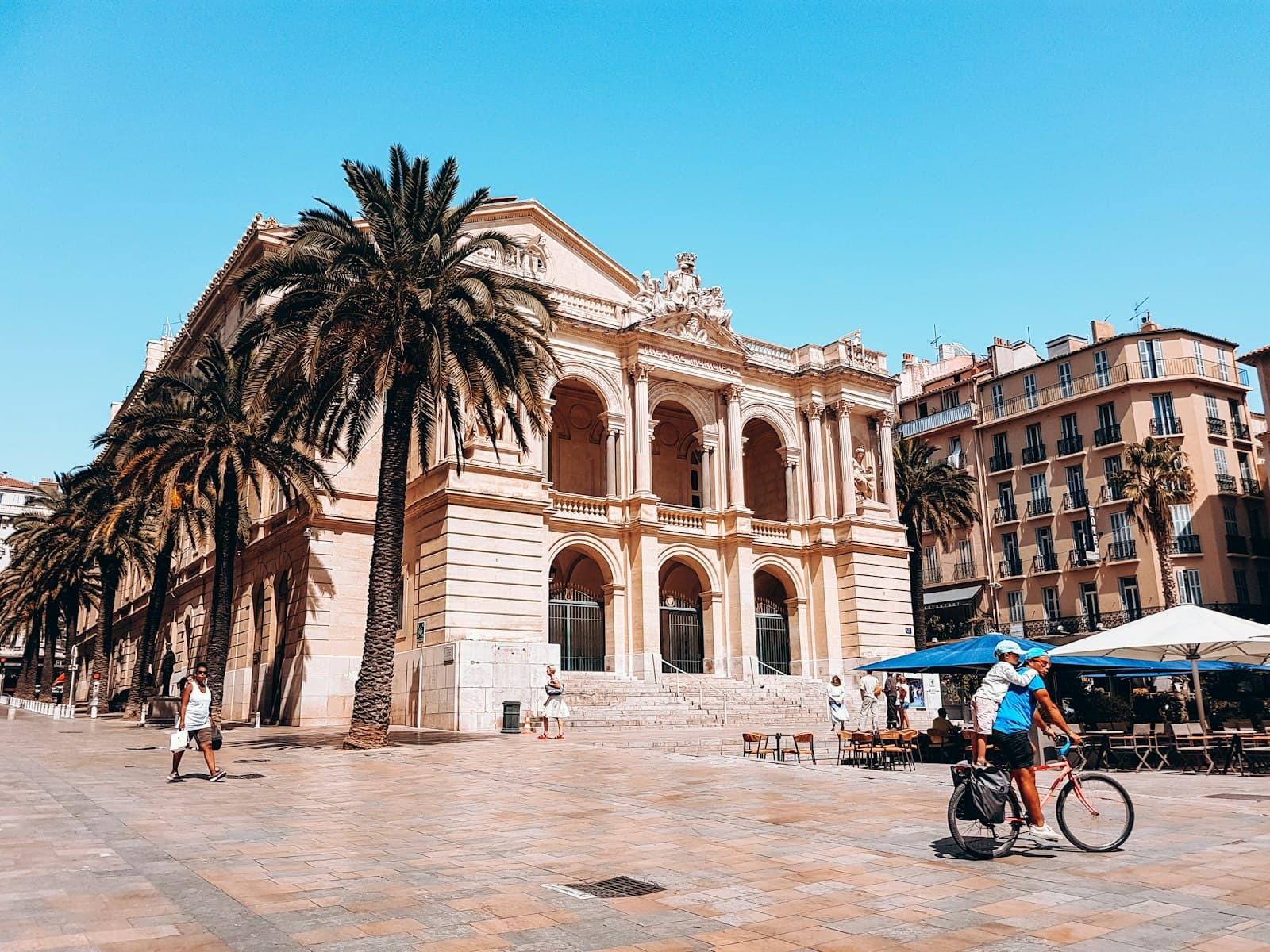
La ópera de Toulon se erige como una gran declaración arquitectónica, pero tiene una distinción sorprendente que incluso París no pudo reclamar durante más de una década.
La historia completa se desbloquea en el tour
 Photo: Emmanuel Martin / Unsplash
Tour de audio autoguiado de Tolón — ruta GPS a pie, reproducción offline, narración en 32 idiomas.
“Donde la herencia naval se encuentra con la calidez de la Provenza en la costa mediterránea.”
No las postales. Las historias que ni los locales conocen — al oído, justo donde ocurrieron.
La ópera de Toulon se erige como una gran declaración arquitectónica, pero tiene una distinción sorprendente que incluso París no pudo reclamar durante más de una década.
Este puerto activo, hogar de la flota mediterránea de Francia, guarda un secreto culinario que viajó a través del mar.
Ascender el Mont Faron ofrece vistas panorámicas, pero el viaje en sí ofrece una experiencia única en toda la cuenca mediterránea.
Descubre todos los secretos de Tolón
Cada dirección, cada revelación al completo — a tu oído, justo donde ocurrió.
Eliges tus paradas. Caminas. La voz te revela lo que los demás ignoran.
Tu tour de audioguía por Tolón te espera — elige tus lugares, tu idioma y empieza al llegar.
ComprarLume incluye una guía de realidad aumentada. Levanta el móvil y su cámara muestra la calle que tienes delante, con una flecha luminosa sobre la imagen real que siempre apunta a tu próxima parada — sin mapas que descifrar, sin giros equivocados. Como todo en Lume, funciona completamente sin conexión.
Toulon, una ciudad en la Riviera Francesa, presenta una fusión distintiva de legado marítimo y auténtica vida provenzal, lo que la distingue de las ciudades costeras más relucientes. Como la principal base naval de Francia en el Mediterráneo, su puerto profundo y protegido ha moldeado su carácter durante siglos. Más allá de su importancia militar, Toulon ofrece un centro histórico transitable con antiguas fuentes, animados mercados y un ritmo relajado que invita a la exploración sin prisas.
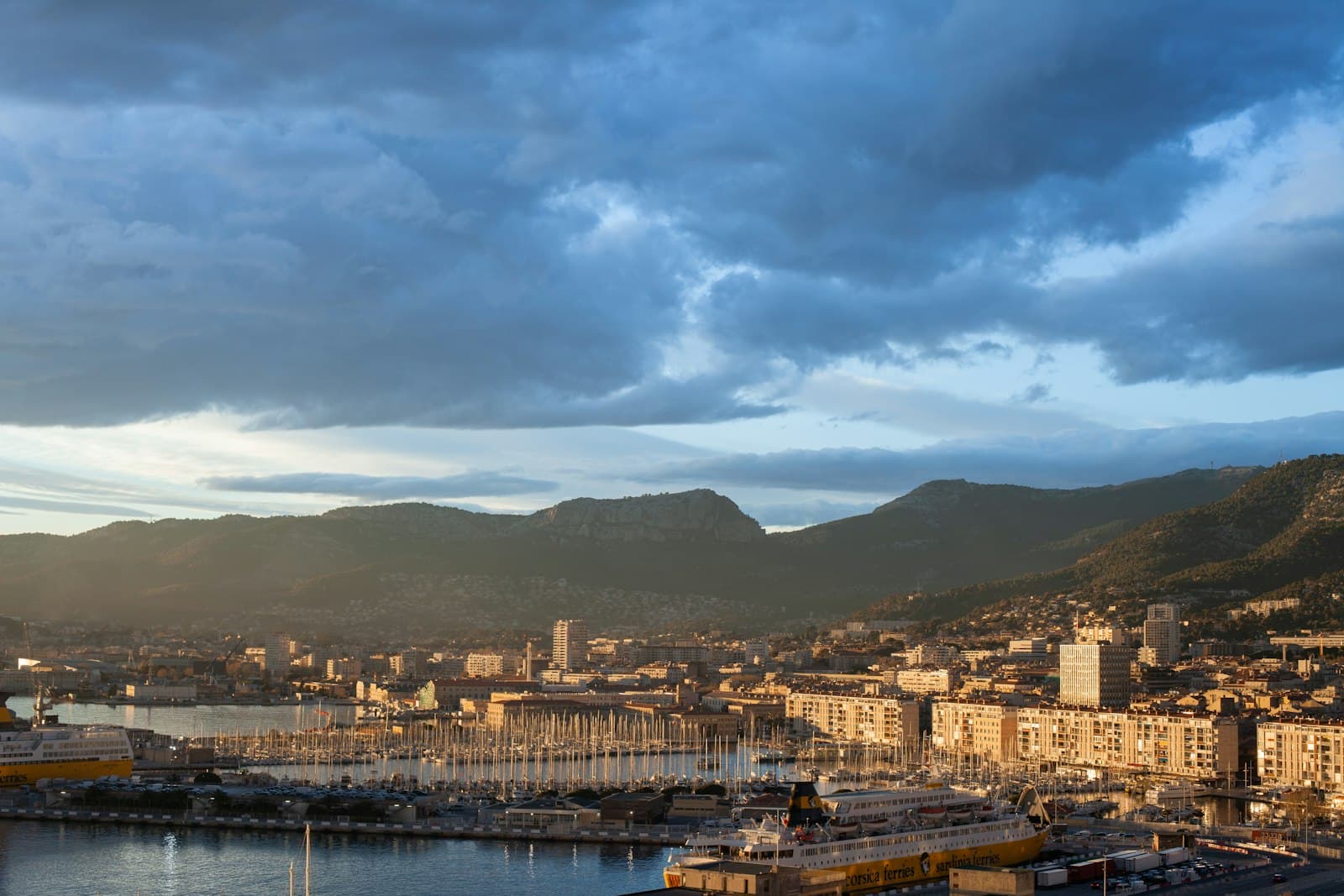
Enmarcada por colinas de piedra caliza y el imponente Mont Faron, el paisaje de Toulon es tan cautivador como su pasado. La ciudad sirve como puerta de entrada al Mediterráneo, con ferris que parten hacia Córcega y Cerdeña, pero mantiene un sabor local a menudo pasado por alto por aquellos que se apresuran a otros destinos de la Riviera. Toulon es una ciudad que recompensa a quienes se quedan, revelando profundidades culturales inesperadas, placeres culinarios y una sorprendente belleza natural.
La historia de Toulon se remonta a la antigüedad, con sus orígenes como un asentamiento ligur antes de que los romanos establecieran una presencia, nombrándola Telo Martius. Se cree que este nombre está relacionado con la diosa ligur de los manantiales, Telo, o con Marte, el dios romano de la guerra. En la época romana, Toulon era conocida por producir un precioso tinte púrpura extraído de moluscos marinos, utilizado para las túnicas imperiales.
Tras la caída del Imperio Romano, Toulon sufrió invasiones y saqueos por parte de los árabes entre los siglos VIII y XII. Finalmente se convirtió en posesión de Francia en 1481. Un momento crucial llegó en 1514 cuando el rey Luis XII ordenó la construcción de una gran torre para defender el puerto, estableciendo Toulon como la base principal de la flota francesa en el Mediterráneo. Esta importancia estratégica se solidificó aún más en el siglo XVII bajo el rey Luis XIV y su ministro Jean-Baptiste Colbert, quienes concibieron a Francia como una gran potencia naval mediterránea. Sébastien Le Prestre de Vauban, ingeniero militar de Luis XIV, fue el encargado de fortificar el puerto, diseñando impresionantes estructuras que aún son visibles hoy en día.
Uno de los eventos más dramáticos en la historia de Toulon ocurrió en 1793 durante las Guerras Revolucionarias Francesas, cuando un joven Napoleón Bonaparte ganó prominencia al reconquistar la ciudad de las fuerzas británicas. El siglo XIX vio la expansión del arsenal y la llegada de numerosos inmigrantes italianos y corsos. En un capítulo más sombrío, durante la Segunda Guerra Mundial, la flota francesa estacionada en Toulon fue hundida en su puerto el 27 de noviembre de 1942 para evitar que cayera en manos alemanas. La ciudad sufrió daños significativos por los bombardeos aliados en 1943 y 1944, pero fue liberada en agosto de 1944. Hoy, Toulon continúa su legado como el principal puerto militar de Francia, albergando una parte significativa del tonelaje de la Armada Francesa.
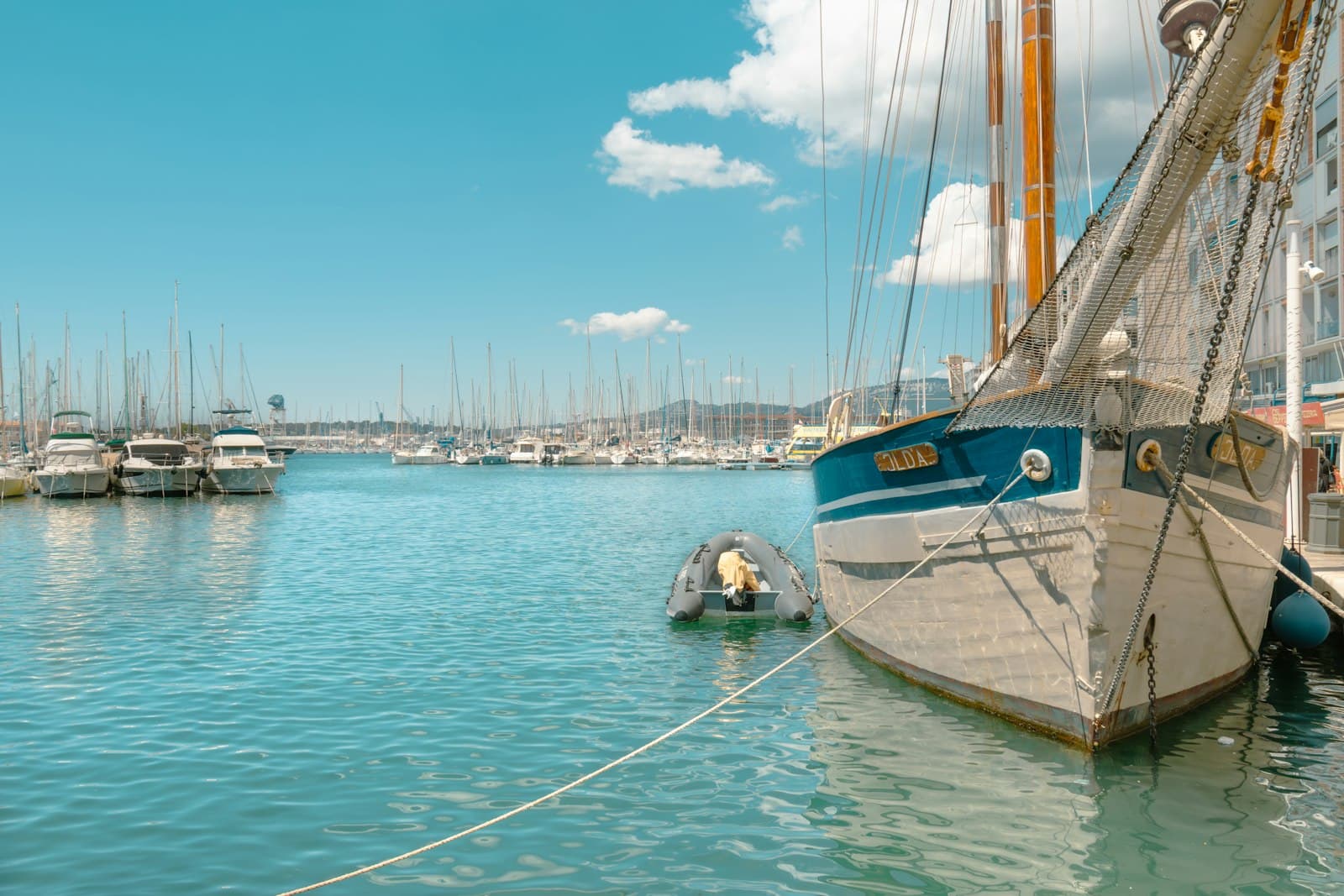
Comience su exploración en el Casco Antiguo, un laberinto de calles estrechas y plazas adornadas con fuentes históricas. Aquí, el mercado diario de Cours Lafayette rebosa de aromas y colores provenzales, ofreciendo productos locales y especialidades como la cade. Camine hacia el Puerto de Toulon, un centro activo donde barcos de pesca, ferris y buques militares comparten las aguas. Considere un paseo en barco para observar de cerca los impresionantes barcos militares y las fortificaciones históricas.
Ascienda el Mont Faron en teleférico, el único de su tipo en la costa mediterránea, para disfrutar de amplias vistas de la ciudad, el puerto y el mar. En la cima, descubrirá rutas de senderismo y el Mémorial du Débarquement de Provence, que conmemora los desembarcos aliados en Provenza durante la Segunda Guerra Mundial. Adéntrese en el pasado naval de Toulon en el Museo Nacional de la Marina (Musée National de la Marine), ubicado en una puerta del arsenal del siglo XVIII, que exhibe maquetas de barcos y artefactos desde el siglo XVII hasta la actualidad. Dedique tiempo a la Ópera de Toulon, una maravilla arquitectónica de 1862, notable por su estilo Segundo Imperio y sus grandiosos interiores. Para una tarde tranquila, visite el distrito de Mourillon con sus playas, ideal para nadar y pasear por el paseo marítimo.
Toulon goza de un clima mediterráneo con abundante sol, lo que la convierte en un destino atractivo durante gran parte del año. Las épocas más agradables para visitar son generalmente de mayo a junio y septiembre, cuando el clima es agradable, las multitudes son más ligeras y los precios son más moderados. Para actividades de playa y temperaturas del mar más cálidas, julio y agosto son ideales, aunque estos también son los meses más concurridos con más visitantes. Los inviernos son suaves, lo que ofrece una buena oportunidad para explorar las atracciones culturales sin las multitudes del verano.
Toulon se considera generalmente un destino de bajo riesgo para los viajeros, aunque como cualquier zona urbana, pueden producirse pequeños robos en lugares concurridos como mercados y estaciones de tren. Es prudente estar atento a su entorno y mantener los objetos de valor seguros. El centro de la ciudad, el puerto y los distritos de playa son generalmente seguros durante el día y la noche. El transporte público incluye autobuses, y hay transbordadores disponibles para navegar por el puerto. Si conduce, tenga en cuenta que el estacionamiento puede ser un desafío y los espacios suelen ser reducidos. Francia tiene un límite legal de alcohol en sangre del 0.05% para los conductores. La moneda local es el Euro. Si bien el francés es el idioma principal, el inglés se suele entender en las zonas frecuentadas por turistas.
Tolón en coreano, en chino o en hebreo — y 29 idiomas más, cada parada narrada por una voz nativa. La mayor variedad de idiomas de cualquier audioguía autoguiada.
Disponible en: