Rue Barre Saint-Brice
Lungo una tranquilla strada acciottolata, puoi trovare residenze che precedono molti monumenti europei.
La storia completa si sblocca nel tour
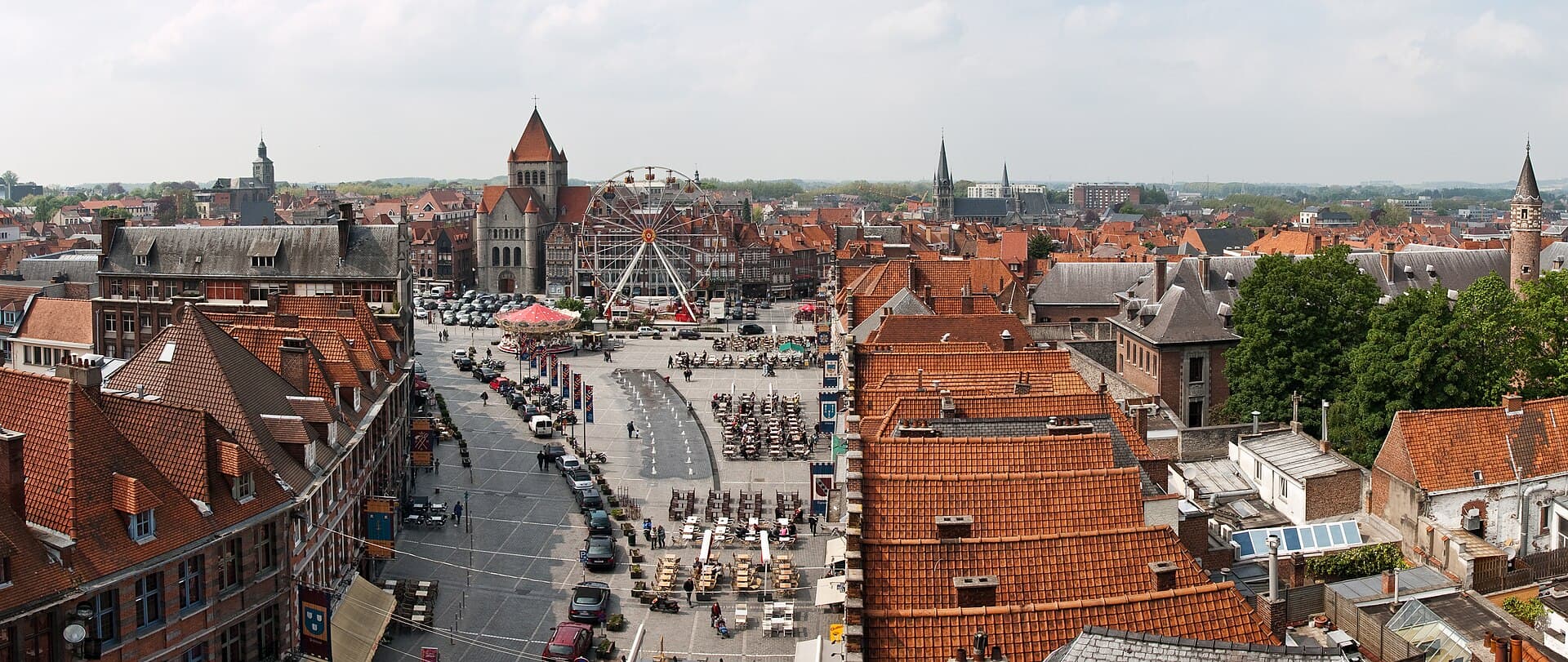 stephane martin / CC BY-SA 2.0, via Wikimedia Commons
Tour audio autoguidato di Tournai — percorso GPS a piedi, riproduzione offline, narrazione coinvolgente in 32 lingue.
“Tournai: Dove le pietre romane echeggiano racconti franchi e i re inglesi tenevano corte.”
Non le cartoline. Le storie che nemmeno i locali conoscono — sussurrate nel tuo orecchio, proprio dove sono accadute.
Lungo una tranquilla strada acciottolata, puoi trovare residenze che precedono molti monumenti europei.
Un ponte medievale, simbolo del passato di Tournai, un tempo attraversava questo fiume, ma il suo destino ha preso una svolta inaspettata negli ultimi anni.
Questo imponente sito UNESCO custodisce un segreto tra le sue mura, testimonianza della prosperità medievale della città.
Scopri ogni segreto di Tournai
Ogni indirizzo, ogni rivelazione completa — nel tuo orecchio, proprio dove è accaduta.
Scegli le tue tappe. Cammini. La voce rivela ciò che gli altri perdono.


Il tuo tour audio autoguidato di Tournai è pronto — scegli i tuoi punti di interesse, seleziona la tua lingua e inizia nel momento in cui arrivi.
AcquistaLume include una guida in realtà aumentata. Alza il telefono: la fotocamera mostra la strada davanti a te, con una freccia luminosa sovrapposta all'immagine reale che punta sempre verso la tua prossima tappa — nessuna mappa da decifrare, nessuna svolta sbagliata. Come tutto in Lume, funziona completamente offline.
Tournai, una delle città più antiche del Belgio, presenta una miscela accattivante di cultura duratura e profonda storia nella regione della Vallonia. Fondata dai Romani intorno al 50 d.C., fu un tempo capitale dell'Impero Franco sotto Childerico I e Clodoveo I, guadagnandosi il soprannome di "culla della Francia". La posizione strategica della città sul fiume Schelda, vicino al confine francese, ha plasmato il suo passato tumultuoso, vedendola cambiare di mano tra varie potenze europee nel corso dei secoli.
Oggi, Tournai invita all'esplorazione con il suo impressionante patrimonio architettonico, inclusi due siti patrimonio mondiale dell'UNESCO: la maestosa Cattedrale di Notre-Dame e il campanile più antico del Belgio. Oltre a queste strutture iconiche, la città offre una rete di strade acciottolate, una vivace Grand-Place e una collezione di musei comunali che approfondiscono la sua narrativa artistica e storica. Dalle antiche radici romane al suo breve periodo sotto il dominio inglese, Tournai presenta una gamma unica di storia europea, il tutto all'interno di una città che ha preservato con grazia il suo fascino nonostante le devastazioni della guerra e del tempo.
Sebbene Tournai abbia una profonda risonanza storica, è anche una città viva con un'atmosfera moderna. I visitatori possono scoprire ristoranti accoglienti, bar alla moda e boutique distintive. Il fiume Schelda, che attraversa la città, aggiunge un'atmosfera serena, invitando a passeggiate o gite in barca. L'impegno della città nel preservare il suo patrimonio abbracciando la vita contemporanea la rende una destinazione intrigante per coloro che cercano sia profondità storica che una vivace scena culturale.
## Dall'avamposto romano alla capitale franca La storia di Tournai inizia intorno al 50 d.C., quando i Romani la fondarono come Tornacum, un punto di sosta minore ma strategicamente importante dove una strada romana attraversava il fiume Schelda. Le sue fortificazioni furono rafforzate nel III secolo d.C. sotto l'imperatore Massimiano. Nel V secolo, i Franchi Salii presero possesso della città e, sotto re Childerico I, Tournai salì alla ribalta come capitale dell'Impero Franco. Suo figlio, Clodoveo I, nato a Tournai, spostò in seguito il centro del potere a Parigi. Questo primo periodo cementò l'importanza storica di Tournai, portando alla sua designazione come "culla della Francia".
## Fioritura medievale e cambi di alleanza Dopo la spartizione dell'impero franco nell'843, Tournai rimase nella parte occidentale, che sarebbe diventata la Francia. Nel IX secolo, Carlo il Calvo fece di Tournai la sede della Contea di Fiandra. L'XI secolo vide la città partecipare all'ascesa delle città con una fiorente industria della lana, attirando mercanti prosperi. Questo periodo segnò anche l'inizio di ambiziosi progetti architettonici, tra cui la ricostruzione della Cattedrale di Notre-Dame. Il XIII secolo portò alla costruzione del Pont des Trous in pietra, un ponte militare sul fiume Schelda, che servì come parte vitale delle fortificazioni della città.
## Dominio inglese e influenza asburgica Il XV secolo fu un'età d'oro per il commercio tessile di Tournai, con la città che divenne un importante fornitore di arazzi. Fiorì anche l'arte della pittura, producendo artisti rinomati come Rogier van der Weyden. Tuttavia, l'importanza strategica di Tournai la rese anche un premio per le potenze europee in competizione. Nel 1513, Enrico VIII d'Inghilterra catturò la città, rendendola l'unica città belga mai governata dall'Inghilterra. Tournai fu persino rappresentata nel Parlamento inglese nel 1515. Fu restituita al dominio francese nel 1519, solo per essere aggiunta ai possedimenti dell'imperatore asburgico Carlo V nei Paesi Bassi nel 1521. Ciò portò a un periodo di conflitti religiosi e declino economico, con Tournai che divenne un baluardo del calvinismo prima di essere riconquistata dalle forze spagnole nel 1581.
## Era moderna e restauro Tournai continuò a cambiare mano, cadendo sotto Luigi XIV di Francia nel 1667, poi sotto gli Asburgo austriaci nel 1713, e di nuovo sotto la Francia nel 1745, prima di essere restituita all'Austria nel 1748. Dopo le guerre napoleoniche, divenne parte dei Paesi Bassi Uniti nel 1815 e infine si unì al Belgio appena indipendente nel 1830. La città subì gravi danni durante entrambe le guerre mondiali, in particolare a causa dei bombardamenti tedeschi e alleati nella Seconda Guerra Mondiale. Tuttavia, attenti sforzi di restauro dagli anni '50 in poi hanno riportato molti degli antichi edifici di Tournai alla loro grandezza, preservando la sua narrativa storica per le generazioni future.
Inizia la tua esplorazione dalla Grand-Place, la piazza centrale di Tournai, nota per la sua distintiva forma triangolare e circondata da affascinanti facciate in mattoni del XVII secolo, molte delle quali sono sensibili ricostruzioni post-belliche. Qui troverai il Campanile di Tournai, il più antico del Belgio. Sali i suoi 257 gradini fino alla cima di 72 metri per godere di ampie viste sulla città e, in una giornata limpida, persino sulla Francia. Il Campanile è un sito patrimonio mondiale dell'UNESCO.
A pochi passi si trova l'impressionante Cattedrale di Notre-Dame (Cathédrale Notre-Dame), un altro sito patrimonio mondiale dell'UNESCO e un capolavoro di architettura romanica e gotica primitiva. Le sue cinque massicce torri dominano lo skyline e all'interno si possono ammirare vetrate, sculture e il reliquiario Châsse de Notre-Dame flamande.
Per uno sguardo alla vita residenziale medievale, cerca la Rue Barre Saint-Brice, dove case risalenti al 1175 si ergono come alcune delle più antiche residenze private d'Europa. Esplora il Musée des Beaux-Arts, progettato dall'architetto Art Nouveau Victor Horta, che ospita opere di Manet, Monet, Rubens e Rogier van der Weyden, originario di Tournai.
Altri luoghi degni di nota includono la Tour Henri VIII, una torre del XVI secolo, e i resti delle fortificazioni della città come il Fort Rouge. Il fiume Schelda stesso offre un'atmosfera rilassante per passeggiate.
Il periodo migliore per visitare Tournai per un clima piacevole e attività all'aperto va da fine giugno a inizio settembre, quando le temperature sono miti. Durante questi mesi estivi, le temperature medie diurne variano da 19°C a 24°C. Anche la primavera (aprile-giugno) e l'autunno (settembre-ottobre) offrono un clima mite e meno folla. Sebbene la pioggia sia sempre una possibilità in Belgio, Tournai sperimenta precipitazioni moderate durante tutto l'anno, con dicembre come mese più piovoso e aprile il più secco. Luglio è tipicamente il mese più sereno e riceve più sole.
Tournai è facilmente raggiungibile in treno, con servizi diretti dalle principali città belghe come Bruxelles che impiegano circa un'ora. I treni diretti da Lille, Francia, si collegano alla rete Eurostar e impiegano 30-60 minuti. L'aeroporto più vicino è Lille Lesquin (LIL), sebbene l'aeroporto di Bruxelles (BRU) e l'aeroporto di Bruxelles Sud Charleroi (CRL) offrano opzioni di volo più estese.
Sebbene il francese sia la lingua principale, molte persone nel settore turistico parlano inglese. Il centro della città è compatto e percorribile a piedi, ma un "petit train touristique" offre tour guidati e crociere sul fiume Schelda sono disponibili da maggio ad agosto. Per chi guida, il parcheggio è gratuito nel centro della città il sabato dalle 12:30 alle lunedì alle 9:00, con parcheggi gratuiti aggiuntivi a breve distanza dal centro. Tournai è generalmente sicura, ma si consigliano precauzioni standard contro borseggi e rapine.
Tournai — coreano, cinese, ebraico e altre 29 lingue, ogni tappa narrata da una voce madrelingua. La più ampia scelta di lingue tra i tour audio autoguidati.
Disponibile in: