Касл-Хилл
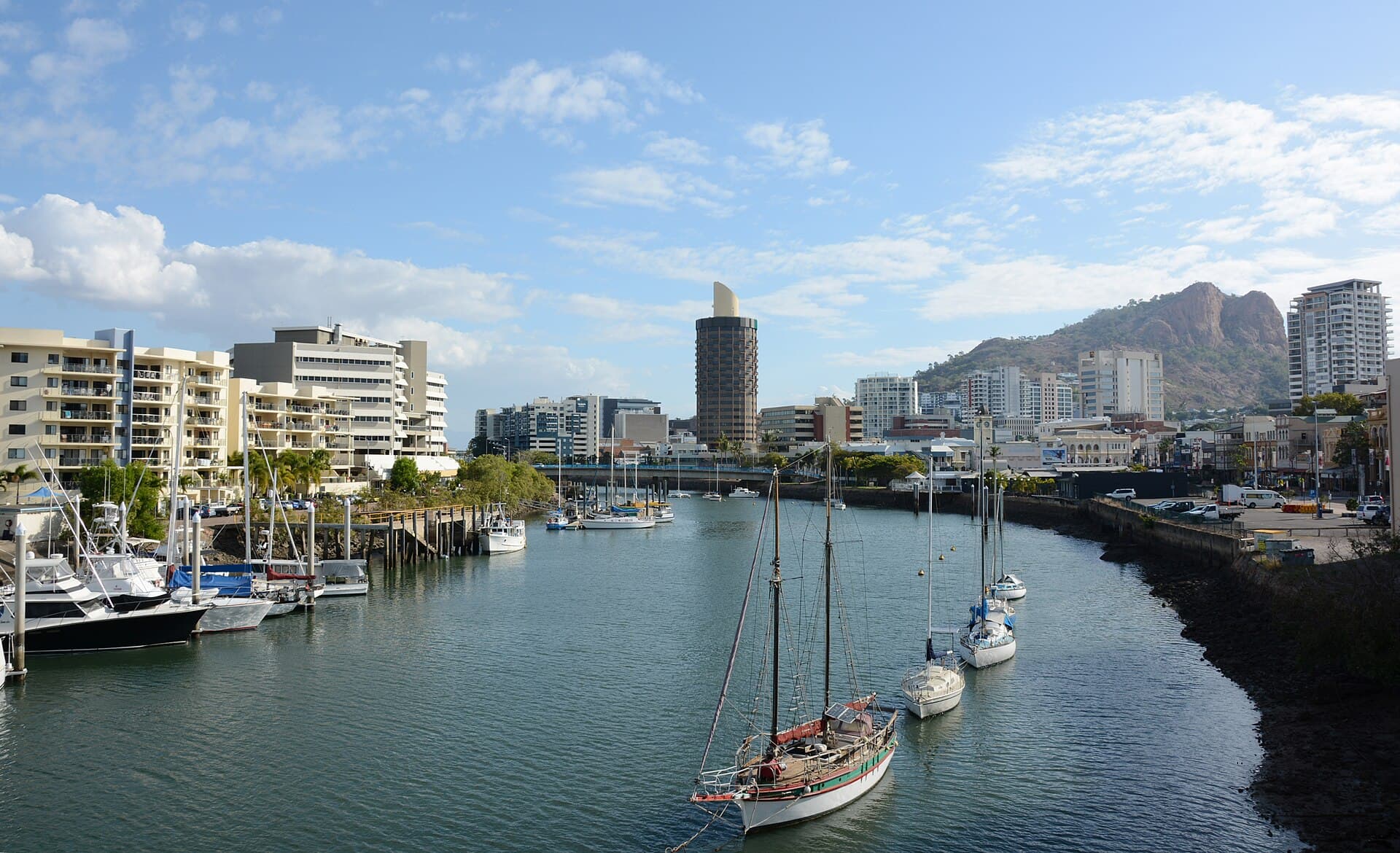
Эта возвышающаяся розово-гранитная формация предлагает обширный вид на город, но само ее существование когда-то обсуждалось.
Полная история открывается в туре
 Rabin Tuladhar / CC BY-SA 4.0, via Wikimedia Commons
Самостоятельная аудиопрогулка по Таунсвилл — GPS-маршрут, офлайн-воспроизведение, увлекательное повествование на 32 языках.
“Где древние тропические леса встречаются с Коралловым морем и обширной австралийской глубиной.”
Не открытки. Истории, которые не знают даже местные жители — шепотом в вашем ухе, прямо там, где они произошли.
Эта возвышающаяся розово-гранитная формация предлагает обширный вид на город, но само ее существование когда-то обсуждалось.
В Reef HQ, где находится самый большой в мире аквариум с живым коралловым рифом, его назначение выходит далеко за рамки общественного показа.
В Таунсвилле проживает рекордсмен Книги рекордов Гиннесса, хотя и не человек.
Откройте для себя каждый секрет Таунсвилл
Каждый адрес, каждое полное раскрытие — в вашем ухе, прямо там, где это произошло.
Вы выбираете остановки. Вы гуляете. Голос раскрывает то, что упускают другие.
Ваш самостоятельный аудиотур по Таунсвилл готов — выберите свои достопримечательности, выберите свой язык и начните в момент прибытия.
КупитьВ Lume встроен гид дополненной реальности. Поднимите телефон: камера показывает улицу перед вами, а поверх реального изображения светится стрелка, всегда указывающая на вашу следующую остановку — не нужно разбираться с картой и сворачивать не туда. Как и всё в Lume, это работает полностью офлайн.
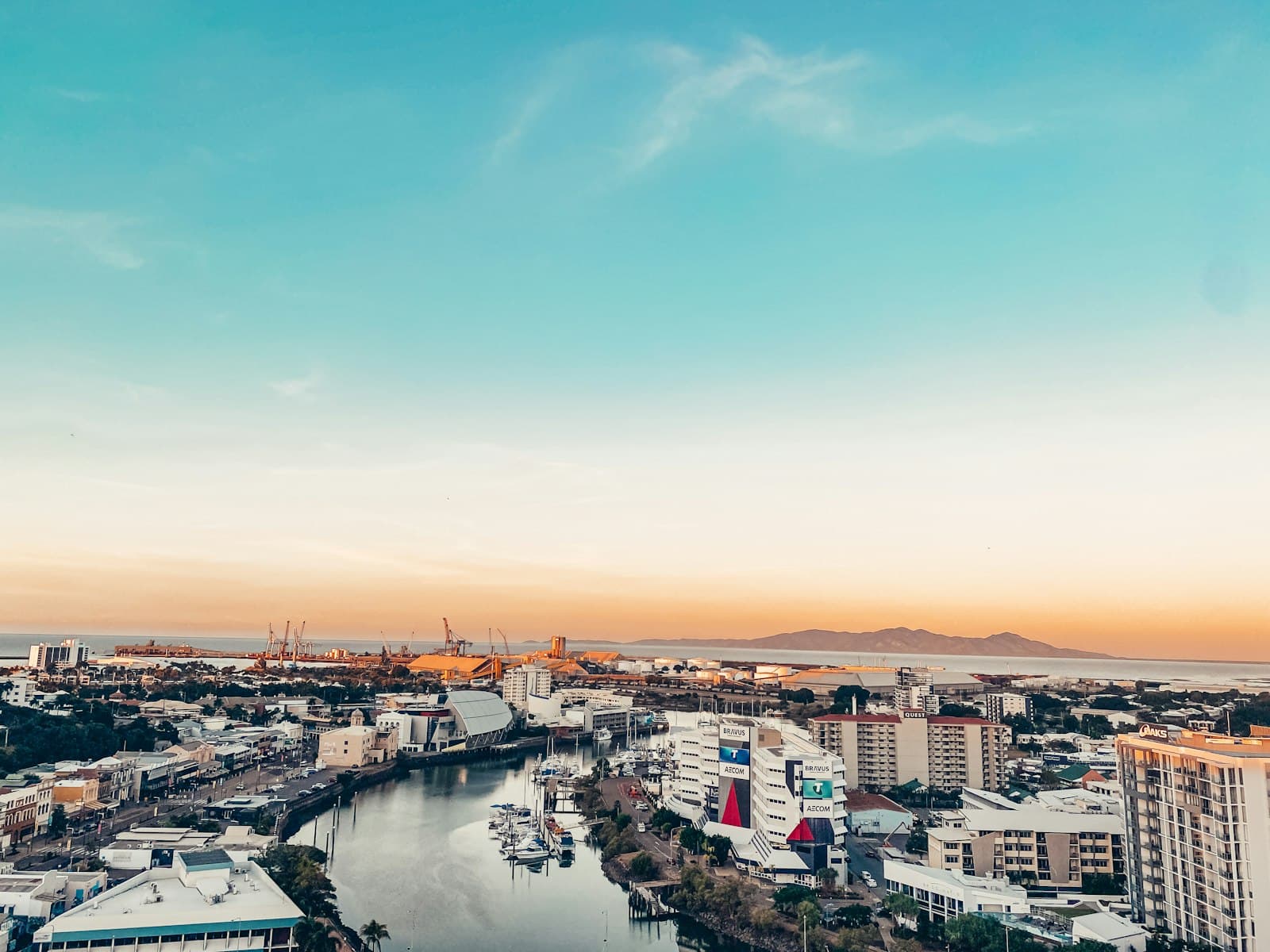
Таунсвилл, прибрежный город на северо-востоке Квинсленда, Австралия, является крупнейшим городским центром к северу от Солнечного побережья. С более чем 300 солнечными днями в году он предлагает расслабленный тропический ритм и служит точкой входа в два объекта Всемирного наследия: Большой Барьерный риф и тропические леса влажных тропиков. Город расположен в заливе Кливленд, а остров Магнетик находится всего в 8 километрах от побережья, и река Росс протекает через его центр.
Таунсвилл, неофициально называемый столицей Северного Квинсленда, гармонично сочетает природные чудеса с городскими удобствами. Он служит центральным пунктом для правительственных, общественных и крупных деловых административных офисов северной половины штата, а также национальным центром возобновляемой энергетики. От исследования подводных арт-инсталляций до восхождения на выдающийся гранитный холм — Таунсвилл предлагает разнообразный спектр впечатлений для своих посетителей.
Регион Таунсвилла на протяжении тысячелетий был исконной родиной аборигенных народов вулгуррукаба и биндал. Вулгуррукаба называют свою страну Гуррумбилбарра, а биндал — Тхул Гарри Ваджа. Европейские исследования начались в 1770 году, когда капитан Джеймс Кук назвал залив Кливленд и остров Магнетик. Первая задокументированная высадка европейцев произошла в 1819 году, ее совершили капитан Филлип Паркер Кинг и ботаник Алан Каннингем.
Современное поселение начало формироваться в 1864 году как порт для поддержки бурно развивающейся пасторальной промышленности Северного Квинсленда. В 1866 году Роберт Таунс, купец и предприниматель, согласился оказать финансовую помощь, и поселение было названо в его честь. В том же году Таунсвилл был объявлен муниципалитетом, а Джон Мелтон Блэк стал его первым мэром.
Открытие золота в Кейп-Ривер в 1867 году, за которым последовали находки в Рейвенсвуде в 1868 году и Чартерс-Тауэрс в 1871 году, кардинально изменило траекторию развития Таунсвилла. Он быстро стал основным портом для перевозки людей и товаров на золотые прииски и обратно, что стимулировало быстрое развитие. К 1882 году население Таунсвилла выросло до 4000 человек, а в 1902 году он был провозглашен городом. Строительство железной дороги до Чартерс-Тауэрс в 1882 году еще больше укрепило его роль регионального центра.
Во время Второй мировой войны стратегическое положение Таунсвилла сделало его одной из крупнейших баз союзников в Тихом океане. Аэропорт города продолжает функционировать как оперативная база военно-воздушных сил. В 2008 году города Таунсвилл и Турингова объединились, образовав нынешний городской совет Таунсвилла. Сегодня Таунсвилл является значительным промышленным центром и крупным портом, с постоянным расширением для размещения более крупных грузовых судов.
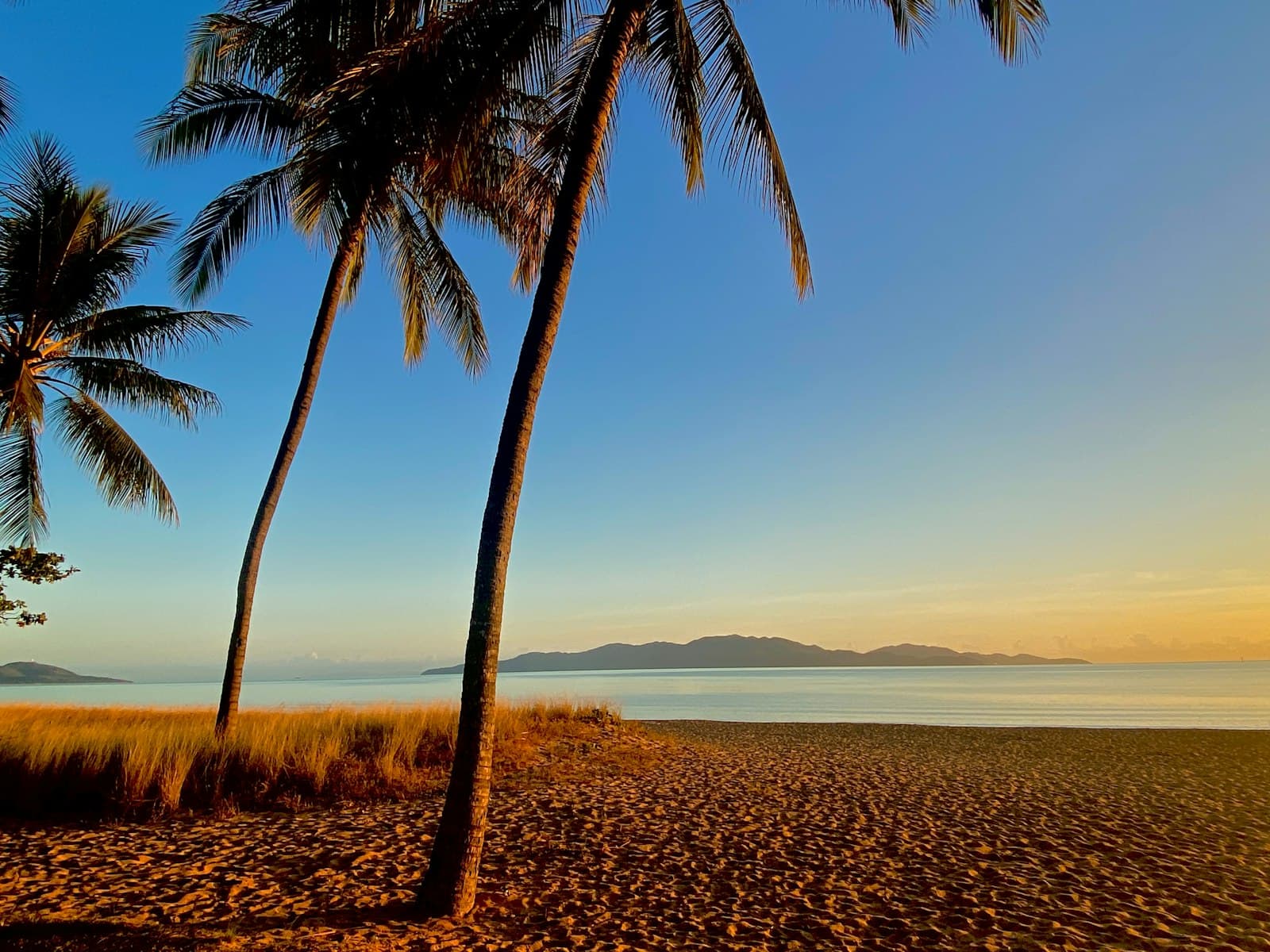
Начните свое путешествие с похода или поездки на Касл-Хилл, розовый гранитный монолит, откуда открывается вид на город, Коралловое море и остров Магнетик на 360 градусов. Для освежающего отдыха прогуляйтесь по Стрэнд, 2,2-километровой набережной с купальными зонами, парками и ресторанами. 20-минутная поездка на пароме доставит вас на остров Магнетик, где вы сможете исследовать 23 пляжа, тропы национального парка и понаблюдать за дикими коалами.
Погрузитесь в Большой Барьерный риф с помощью Музея подводного искусства (MOUA), первого в своем роде в Южном полушарии, где представлены подводные скульптуры, которые также служат искусственными рифами. Для исключительного дайвинга у побережья находится затонувший корабль SS Yongala, убежище для морских обитателей. На суше посетите заповедник Биллабонг, чтобы познакомиться с австралийской дикой природой вблизи. Чтобы ощутить вкус объекта Всемирного наследия влажных тропиков, отправляйтесь в национальный парк Палума-Рейндж, где находятся каскады, такие как Литтл-Кристал-Крик и водопад Уолламан, самый высокий в Австралии водопад с одним падением.
В Таунсвилле тропический климат с отчетливыми влажным и сухим сезонами. Сухой сезон, с мая по октябрь, считается оптимальным временем для посещения, предлагая теплые дни, ясное небо, низкую влажность и минимальное количество осадков, что идеально подходит для активного отдыха и островных экскурсий. Дневные температуры в этот период обычно колеблются от 15 до 26°C. Влажный сезон, с ноября по апрель, приносит тропические дожди, которые способствуют пышным ландшафтам и полноводным водопадам, со средними дневными температурами от 25 до 32°C. Чтобы избежать толп и потенциально сэкономить, рассмотрите возможность поездки непосредственно перед пиком сухого сезона.
Аэропорт Таунсвилла (TSV) является основным пунктом прибытия, расположенным всего в 5,2 км от центра города, что позволяет быстро добраться до центра. Город удобен для пеших прогулок, но для исследования более отдаленных районов или островных экскурсий доступны паромы на остров Магнетик, а аренда автомобиля предоставляет возможность для живописных поездок по Северному Квинсленду. Учитывая интенсивное солнце Северного Квинсленда, легкая и дышащая одежда, широкополая шляпа, качественные солнцезащитные очки и солнцезащитный крем широкого спектра действия необходимы круглый год. Хотя в целом безопасно, разумно быть осведомленным о местных условиях, особенно в отношении морских жалящих существ на пляжах с октября по май. Варианты размещения варьируются от центральных городских вариантов до островных резиденций на острове Магнетик.
Таунсвилл: корейский, китайский, иврит и ещё 29 языков — каждую остановку озвучивает носитель языка. Самый широкий выбор языков среди аудиоэкскурсий без гида.
Доступные языки: