Medina von Tozeur (Ouled Hadef)
Die kunstvollen Ziegelarbeiten der Altstadt von Tozeur sind nicht nur dekorativ; sie offenbaren eine clevere architektonische Lösung für das Wüstenklima.
Die ganze Geschichte wird in der Tour freigeschaltet
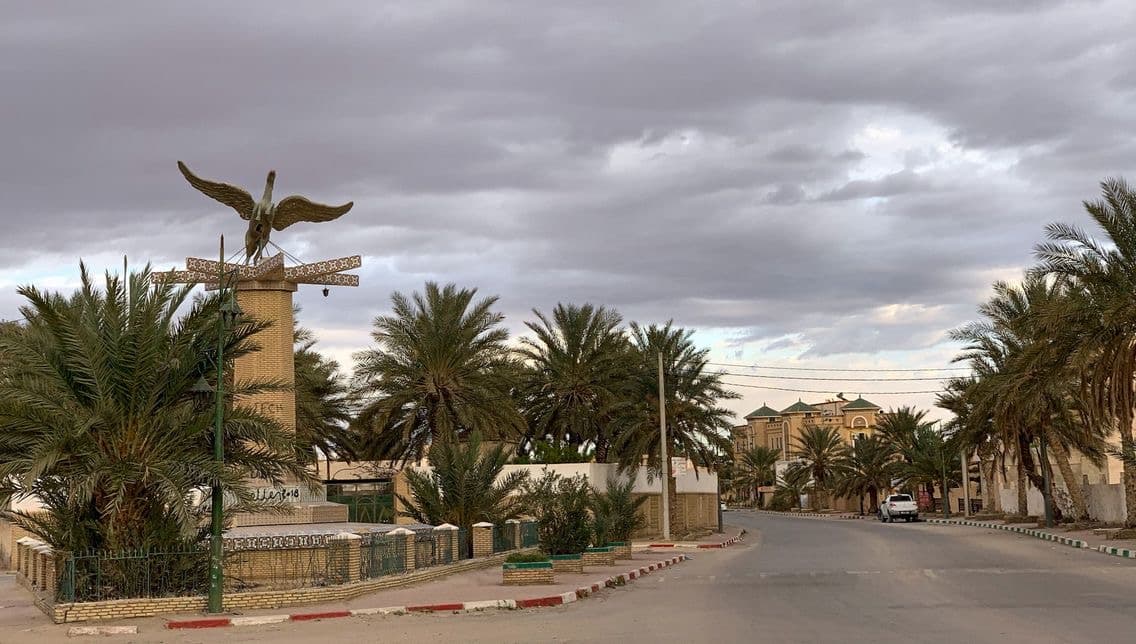 Rawen Ab / CC BY-SA 4.0, via Wikimedia Commons
Selbstgeführte Audio-Walking-Tour durch Tozeur — GPS-Route, Offline-Wiedergabe, erzählerische Narration in 32 Sprachen.
“Wo das goldene Licht der Sahara auf antiken Einfallsreichtum trifft.”
Nicht die Postkarten. Die Geschichten, die selbst Einheimische nicht kennen – dir ins Ohr geflüstert, genau dort, wo sie geschahen.
Die kunstvollen Ziegelarbeiten der Altstadt von Tozeur sind nicht nur dekorativ; sie offenbaren eine clevere architektonische Lösung für das Wüstenklima.
Beim Spaziergang durch die Medina könnte man etwas Ungewöhnliches an den Eingängen bemerken – sie haben oft drei verschiedene Klopfer.
Dieser weitläufige Salzsee, der größte der Sahara, ist bekannt für etwas Flüchtigeres als seine schimmernde Salzkruste.
Entdecke jedes Geheimnis von Tozeur
Jede Adresse, jede Enthüllung vollständig – in deinem Ohr, genau dort, wo es geschah.
Du wählst deine Stationen. Du gehst. Die Stimme enthüllt, was andere übersehen.


Deine selbstgeführte Audio-Tour durch Tozeur ist bereit – wähle deine Sehenswürdigkeiten, deine Sprache und starte, sobald du ankommst.
KaufenLume enthält einen integrierten Augmented-Reality-Guide. Halten Sie Ihr Handy hoch: Die Kamera zeigt die Straße vor Ihnen, mit einem leuchtenden Pfeil über dem echten Bild, der immer auf Ihren nächsten Stopp zeigt — keine Karte zum Rätseln, keine falschen Abzweigungen. Wie alles bei Lume funktioniert es komplett offline.
Tozeur, eine Oase in der Wüste Tunesiens, erhebt sich aus der trockenen Weite als grüne Zuflucht. Dattelpalmen strecken sich gen Himmel, ihre Wedel rauschen in der trockenen Brise und spenden Schatten und Nahrung. Die Architektur der Stadt, aus sonnengetrockneten Ziegeln gefertigt, spiegelt die Erdtöne ihrer Umgebung wider, wobei jedes Bauwerk ein Zeugnis menschlicher Widerstandsfähigkeit und Anpassung in einer anspruchsvollen Umgebung ist. Dies ist ein Ort, an dem der Rhythmus des Lebens von der Sonne und dem Flüstern des Windes über weiten, offenen Flächen bestimmt wird.
Das Leben entfaltet sich hier in einem sanften Takt, geprägt vom Gebetsruf und den täglichen Routinen des Souks. Die Luft trägt den Duft von Gewürzen und das süße Parfüm von Datteln, die zur Erkundung einladen. Tozeur ist nicht nur ein Zwischenstopp auf einer Reise; es ist ein Reiseziel, das zur stillen Kontemplation einlädt, ein Ort, an dem die Erhabenheit der Wüste auf den Einfallsreichtum ihrer Bewohner trifft.
## Antike Wurzeln und römischer Einfluss Die Ursprünge von Tozeur reichen weit in die Antike zurück, mit Hinweisen auf menschliche Besiedlung, die Jahrtausende zurückreichen. Seine strategische Lage an alten Karawanenrouten machte es zu einem bedeutenden Handelszentrum, das die mediterrane Welt mit dem Herzen Afrikas verband. Unter römischer Herrschaft wurde die Stadt, damals bekannt als Thusuros, zu einem wichtigen Grenzposten, der die südlichen Grenzen des Reiches gegen Wüstenstämme verteidigte. Römische Befestigungen und Infrastruktur legten einige der grundlegenden Elemente der beständigen Präsenz der Stadt.
## Islamisches Goldenes Zeitalter und Wohlstand der Oase Mit der Ankunft des Islam im 7. Jahrhundert blühte Tozeur als Zentrum des Lernens und Handels auf. Die Entwicklung ausgeklügelter Bewässerungssysteme, die Wasser aus unterirdischen Quellen nutzten, verwandelte die Oase in ein landwirtschaftliches Kraftzentrum, das besonders für seine Datteln bekannt war. In dieser Zeit wurden kunstvolle Moscheen und Medresen gebaut, die ein lebendiges intellektuelles und spirituelles Leben förderten. Der unverwechselbare architektonische Stil der Stadt, der durch geometrische Ziegelmuster gekennzeichnet ist, begann sich herauszubilden und spiegelte sowohl ästhetische Empfindlichkeiten als auch praktische Überlegungen für das Wüstenklima wider.
## Moderne Ära und Kulturerhalt In den letzten Jahrhunderten behielt Tozeur seine Bedeutung als regionales Zentrum, obwohl sich seine Rolle mit wechselnden Handelsrouten und politischen Landschaften verschob. Unter verschiedenen Dynastien und kolonialen Einflüssen behielt die Stadt ihren einzigartigen Charakter. Heute ist Tozeur ein Hüter seines kulturellen Erbes, mit Bemühungen, seine traditionelle Architektur, sein Handwerk und die alte Kunst des Dattelanbaus zu bewahren. Es dient als Tor zur tunesischen Sahara und lädt Besucher ein, den beständigen Geist der Wüste und ihrer Menschen zu erleben, ein Ort, an dem die Zeit stillzustehen scheint und eine tiefere Verbindung zum Land und seinen Geschichten ermöglicht.
Schlendern Sie durch die Altstadt, Ouled Hadef, wo sich enge Gassen zwischen Gebäuden schlängeln, die mit markanten geometrischen Ziegelmustern gebaut sind. Diese Designs sind nicht nur schön, sondern schaffen auch kühlende Schatten. Beobachten Sie die Türen, von denen viele drei verschiedene Klopfer aufweisen, die jeweils einen einzigartigen Klang erzeugen, um das Geschlecht oder Alter eines Besuchers anzuzeigen. Erkunden Sie den lokalen Souk, einen lebhaften Marktplatz, auf dem Sie lokales Handwerk, Gewürze und die berühmten Datteln der Region finden. Besuchen Sie das Dar Chraiet Museum, um in tunesische Traditionen und Kunst einzutauchen. Für einen Einblick in die Weite der Sahara wagen Sie sich zum Chott el Djerid, einem schimmernden Salzsee, der für seine besonders bei Sonnenuntergang faszinierenden Luftspiegelungen bekannt ist. Erwägen Sie eine Fahrt durch die Palmenhaine, ein ruhiges Erlebnis, das Einblicke in das landwirtschaftliche Leben der Oase bietet.
Die ideale Zeit, um Tozeur zu erleben, sind die kühleren Monate von Oktober bis April. Die Temperaturen sind angenehm und machen die Erkundung der Medina und Wüstenausflüge komfortabel. Die Sommer von Mai bis September bringen intensive Hitze mit sich, die für Outdoor-Aktivitäten herausfordernd sein kann. Der Frühling bietet blühende Wüstenflora, während der Herbst klare Himmel und angenehme Wärme bietet.
Tozeur ist über einen Regionalflughafen mit Verbindungen zu wichtigen tunesischen Städten erreichbar. Taxis sind für Fahrten in der Stadt und zu nahegelegenen Attraktionen leicht verfügbar. Erwägen Sie, Wüstenausflüge mit seriösen lokalen Führern für Sicherheit und Einblicke zu arrangieren. Kleiden Sie sich bescheiden, besonders beim Besuch religiöser Stätten, und seien Sie auf warme Temperaturen auch in den kühleren Monaten vorbereitet. Flüssigkeitszufuhr ist entscheidend; tragen Sie Wasser, besonders bei Erkundungen tagsüber. Während Französisch und Arabisch die Hauptsprachen sind, wird Englisch oft in touristisch orientierten Betrieben gesprochen.
Tozeur — Koreanisch, Chinesisch, Hebräisch und 29 weitere Sprachen, jede Station von einer muttersprachlichen Stimme erzählt. Die größte Sprachauswahl aller selbstgeführten Audiotouren.
Verfügbar auf: