Hagia Sophia di Trebisonda
Questa Hagia Sophia ha visto più trasformazioni di un camaleonte, ma uno dei suoi ruoli meno noti fu piuttosto inaspettato.
La storia completa si sblocca nel tour
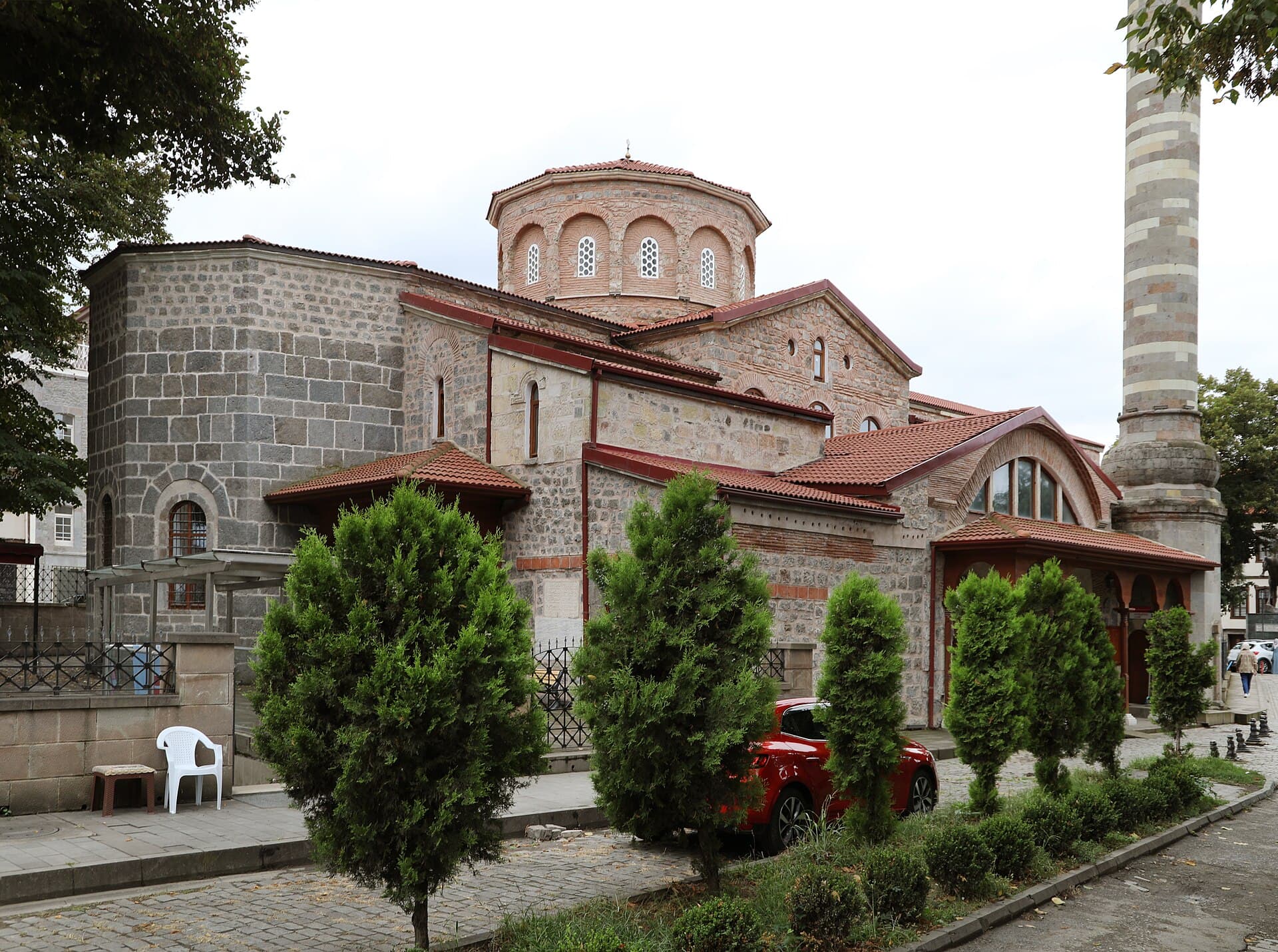 Francesco Bini / CC BY-SA 4.0, via Wikimedia Commons
Tour audio autoguidato di Trebisonda — percorso GPS a piedi, riproduzione offline, narrazione coinvolgente in 32 lingue.
“Dove il Mar Nero sussurra antiche storie e le montagne custodiscono sentieri dimenticati.”
Non le cartoline. Le storie che nemmeno i locali conoscono — sussurrate nel tuo orecchio, proprio dove sono accadute.
Questa Hagia Sophia ha visto più trasformazioni di un camaleonte, ma uno dei suoi ruoli meno noti fu piuttosto inaspettato.
L'elegante Padiglione Atatürk custodisce un profondo segreto sul fondatore della Turchia moderna.
Il famoso budino di riso di Hamsiköy ha un ingrediente unico che in realtà non è *nel* budino stesso.
Scopri ogni segreto di Trebisonda
Ogni indirizzo, ogni rivelazione completa — nel tuo orecchio, proprio dove è accaduta.
Scegli le tue tappe. Cammini. La voce rivela ciò che gli altri perdono.


Il tuo tour audio autoguidato di Trebisonda è pronto — scegli i tuoi punti di interesse, seleziona la tua lingua e inizia nel momento in cui arrivi.
AcquistaLume include una guida in realtà aumentata. Alza il telefono: la fotocamera mostra la strada davanti a te, con una freccia luminosa sovrapposta all'immagine reale che punta sempre verso la tua prossima tappa — nessuna mappa da decifrare, nessuna svolta sbagliata. Come tutto in Lume, funziona completamente offline.
Trebisonda, storicamente conosciuta come Trebisonda, è una città affascinante lungo la costa del Mar Nero della Turchia, dove lussureggianti montagne verdi incontrano il mare. Fondata da coloni greci di Mileto intorno al 756 a.C., la sua posizione strategica la rese un vitale centro commerciale sull'antica Via della Seta, collegando Oriente e Occidente.
Oggi, Trebisonda offre un mix unico di bellezza naturale, storia profonda e una distinta cultura del Mar Nero. Dai suoi drammatici monasteri a picco sul mare ai suoi vivaci bazar e alla deliziosa cucina locale, la città offre una ricchezza di esperienze. È un luogo dove antichi imperi hanno lasciato il loro segno e il ritmo della vita quotidiana è ancora influenzato dal mare e dalle alture circostanti.
La storia di Trebisonda inizia intorno al 756 a.C. quando coloni greci di Mileto fondarono un insediamento chiamato Trapezunte, riferendosi alla forma a tavola della sua collina centrale. La sua posizione sul Mar Nero la rese un porto essenziale e un avamposto militare, in particolare sotto il dominio romano, quando divenne una stazione per la Flotta Romana.
Lo zenit della città arrivò con la caduta dell'Impero Bizantino nel 1204, portando all'emergere dell'indipendente Impero di Trebisonda. Per oltre 250 anni, Trebisonda fiorì come centro di arte, cultura e commercio, mantenendo legami cruciali sulla Via della Seta. Servì persino come stato cliente della Georgia e vassallo dell'Impero Mongolo durante questo periodo, eppure, sorprendentemente, i Mongoli e i Selgiuchidi la lasciarono in gran parte intatta.
Nel 1461, il Sultano Mehmed il Conquistatore portò Trebisonda sotto il dominio ottomano, integrandola nel fiorente impero. Nonostante questa conquista, Trebisonda mantenne la sua importanza come porta verso l'Oriente, in particolare verso l'Iran e il Caucaso. Da notare, Solimano il Magnifico, uno dei più famosi sultani ottomani, nacque a Trebisonda. Questa storia stratificata ha dotato Trebisonda di una ricchezza di meraviglie architettoniche e influenze culturali, visibili nelle sue chiese bizantine, moschee ottomane e mercati tradizionali.
Iniziate la vostra esplorazione dalla Hagia Sophia di Trebisonda, una chiesa bizantina del XIII secolo convertita in moschea, poi in museo e ora di nuovo in moschea, rinomata per i suoi intricati affreschi e la sua posizione costiera. Salite sulla collina di Boztepe per ammirare ampie vedute della città e del Mar Nero, particolarmente suggestive al tramonto.
A breve distanza nell'entroterra si trova l'impressionante Monastero di Sumela, un monastero greco-ortodosso scavato nella parete di una scogliera all'interno del Parco Nazionale della Valle di Altındere. Questo sito drammatico offre non solo significato storico, ma anche opportunità per escursioni nella natura tra lussureggianti foreste e cascate. Tornati in città, visitate il Padiglione Atatürk, un'elegante dimora dei primi del XX secolo che servì come residenza estiva e in seguito divenne un museo dedicato a Mustafa Kemal Atatürk. Passeggiate per gli storici bazar e mercati di Trebisonda, dove lo spirito del commercio della Via della Seta prospera ancora tra negozi tradizionali.
Il periodo migliore per visitare Trebisonda è la tarda primavera e l'estate, da maggio ad agosto. Durante questi mesi, le temperature sono calde, con una media tra i 20°C e i 25°C (68°F e 77°F) a luglio e agosto, e le precipitazioni sono generalmente inferiori. Sebbene l'umidità possa essere elevata, la brezza del Mar Nero e l'aria di montagna offrono un clima più confortevole rispetto al sud della Turchia. Questo periodo è ideale per attività all'aperto, esplorare le alture e visitare attrazioni chiave come Uzungöl e il Monastero di Sumela. L'autunno, da settembre a novembre, offre anche un'esperienza tranquilla con paesaggi colorati, anche se è uno dei periodi più piovosi.
L'aeroporto di Trebisonda (TZX) è il principale accesso aereo, a circa 6 chilometri dal centro città, con comodi trasferimenti disponibili. I trasporti pubblici all'interno di Trebisonda includono autobus, dolmuş (taxi condivisi) e taxi normali. È generalmente una città sicura, ma è consigliabile usare il buon senso, soprattutto nelle aree affollate. È apprezzato un abbigliamento modesto, in particolare quando si visitano luoghi religiosi, per rispettare le usanze locali. La valuta locale è la Lira Turca (TRY). Sebbene molti posti accettino carte, è utile avere un po' di contanti per acquisti più piccoli e mercati locali. L'acqua del rubinetto generalmente non è raccomandata per bere; l'acqua in bottiglia è ampiamente disponibile. La mancia è consuetudine nei ristoranti e per i servizi.
Trebisonda — coreano, cinese, ebraico e altre 29 lingue, ogni tappa narrata da una voce madrelingua. La più ampia scelta di lingue tra i tour audio autoguidati.
Disponibile in: