Birrificio Regent
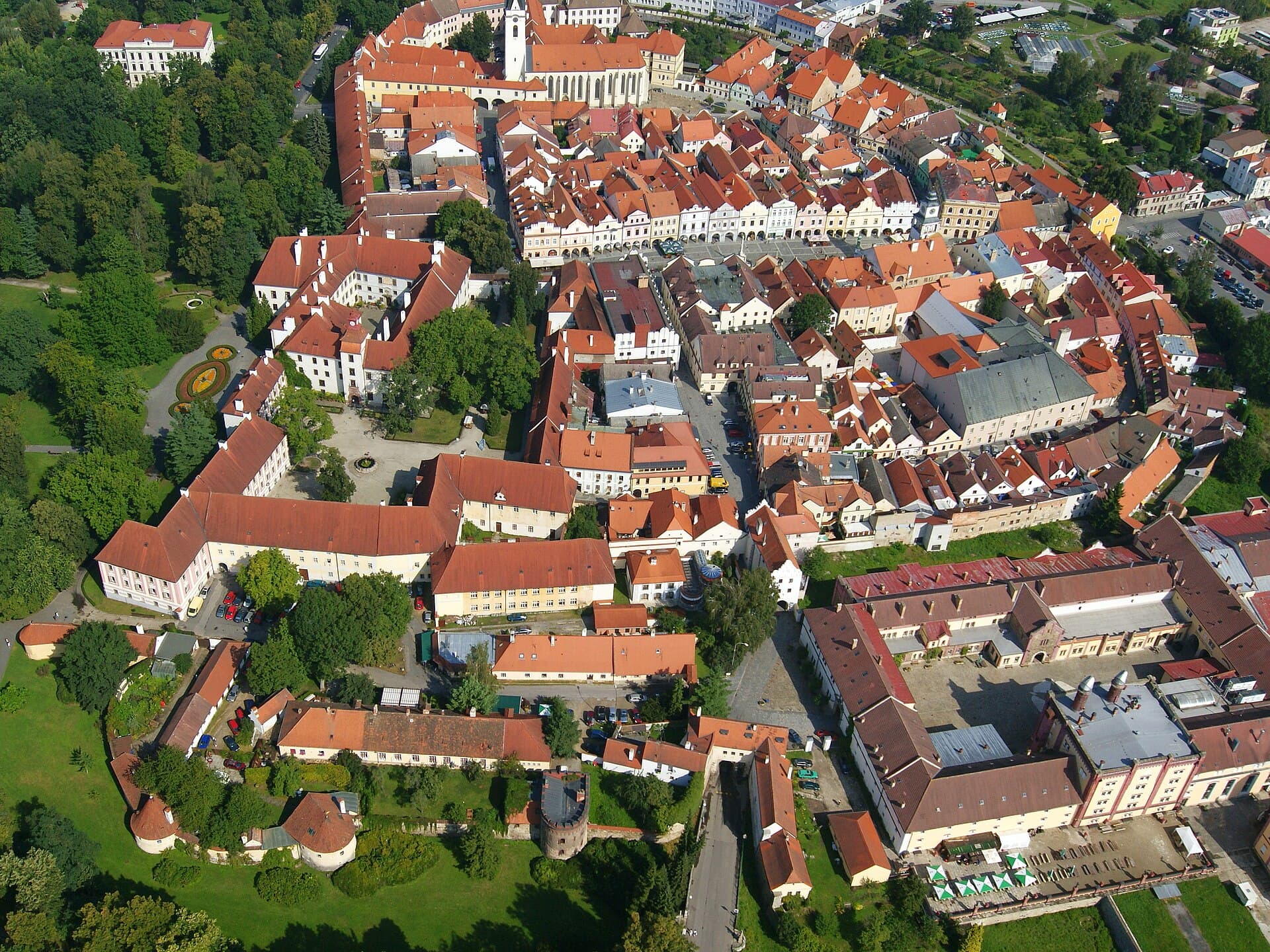
Il Birrificio Bohemia Regent, tra i più antichi al mondo, presenta un distintivo segno che attraversa il suo cortile.
La storia completa si sblocca nel tour
 Kralpilot / CC BY-SA 3.0, via Wikimedia Commons
Tour audio autoguidato di Třeboň — percorso GPS a piedi, riproduzione offline, narrazione coinvolgente in 32 lingue.
“Dove la grazia del Rinascimento incontra un paesaggio scolpito dall'acqua e dalla tradizione duratura.”
Non le cartoline. Le storie che nemmeno i locali conoscono — sussurrate nel tuo orecchio, proprio dove sono accadute.
Il Birrificio Bohemia Regent, tra i più antichi al mondo, presenta un distintivo segno che attraversa il suo cortile.
Un vasto stagno per la pesca ai margini della città custodisce un sorprendente segreto sulle sue origini.
Oltre alle sue grandiose sale rinascimentali, il Castello di Třeboň ospitava un tempo una cucina curiosa e altamente specializzata.
Scopri ogni segreto di Třeboň
Ogni indirizzo, ogni rivelazione completa — nel tuo orecchio, proprio dove è accaduta.
Scegli le tue tappe. Cammini. La voce rivela ciò che gli altri perdono.
Il tuo tour audio autoguidato di Třeboň è pronto — scegli i tuoi punti di interesse, seleziona la tua lingua e inizia nel momento in cui arrivi.
AcquistaLume include una guida in realtà aumentata. Alza il telefono: la fotocamera mostra la strada davanti a te, con una freccia luminosa sovrapposta all'immagine reale che punta sempre verso la tua prossima tappa — nessuna mappa da decifrare, nessuna svolta sbagliata. Come tutto in Lume, funziona completamente offline.
Třeboň, una città termale nella regione della Boemia meridionale della Repubblica Ceca, è un luogo dove le correnti della storia scorrono libere come le acque nei suoi ampi sistemi di stagni. Fondata a metà del XII secolo, Třeboň divenne una città intorno al 1341 e ottenne privilegi di città reale nel 1376. Il nucleo storico della città, con le sue case borghesi rinascimentali e barocche e un imponente castello, rimane splendidamente conservato, guadagnandosi la designazione di riserva monumentale urbana.
Circondata dal Bacino di Třeboň, una Riserva della Biosfera dell'UNESCO, la città è celebrata per i suoi laghi artificiali, che iniziarono a prendere forma nel XIV secolo. Questo paesaggio, meticolosamente trasformato da palude in una rete di oltre 500 stagni per la pesca, forma l'essenza stessa dell'identità di Třeboň, stabilendola come il cuore della piscicoltura della Repubblica Ceca, con la carpa come pilastro culinario locale. Oltre alla sua eredità acquatica, Třeboň funziona anche come città termale, attingendo alle qualità terapeutiche della torba locale per trattamenti rigeneranti dalla fine del XIX secolo.
La città offre un connubio di esplorazione storica, splendore naturale e un ritmo tranquillo. I viaggiatori possono percorrere in bicicletta sentieri che costeggiano gli stagni, esplorare un castello rinascimentale o assaporare la birra locale, prodotta attraverso secoli di tradizione. Třeboň offre un'alternativa meno commercializzata ad alcune delle destinazioni ceche più frequentate, offrendo una finestra autentica sulla cultura boema e un rifugio pacifico.
Le origini di Třeboň risalgono alla metà del XII secolo, con la sua prima menzione registrata come città nel 1341. La potente famiglia Rosenberg acquisì la tenuta nel 1366, avviando un periodo di notevole espansione e prosperità. Sotto la loro gestione, Třeboň ricevette privilegi di città reale nel 1376 e le sue difese furono fortificate, rivelandosi vitali durante le guerre hussite.
Il XVI e l'inizio del XVII secolo segnarono un'epoca d'oro per Třeboň, in gran parte grazie agli sforzi fantasiosi di Jakub Krčín di Jelčany, che gestiva gli affari della famiglia Rosenberg. Krčín fu pioniere nella costruzione di un intricato sistema di stagni per la pesca, trasformando il terreno paludoso circostante in una regione acquacoltura altamente produttiva. Quest'epoca vide anche la ricostruzione del castello gotico originale nel castello rinascimentale che si erge oggi, a seguito di un incendio nel 1562. Vilém di Rožmberk iniziò questa trasformazione, che fu portata a termine da Petr Vok, che stabilì anche un imponente archivio e una delle più grandi biblioteche d'Europa all'interno del castello.
La prosperità dell'era Rosenberg si concluse con l'estinzione della loro linea familiare nel 1611. La città e la sua tenuta affrontarono successivamente difficoltà, tra cui invasioni di truppe e incendi, e subirono disagi durante la Guerra dei Trent'anni. Nel 1660, la famiglia Schwarzenberg acquisì Třeboň, rimanendone proprietaria per secoli, fino al XX secolo. Jan Adolf Schwarzenberg supervisionò la trasformazione barocca del castello e il ridisegno dei suoi giardini in un parco in stile inglese.
Sebbene Třeboň non divenne la sede principale del dominio Schwarzenberg, ciò permise a gran parte del suo carattere rinascimentale, insieme ai successivi elementi barocchi e storicisti, di essere preservato. L'importanza economica della città rimase relativamente modesta fino al XIX secolo, quando divenne una città distrettuale e vide l'istituzione della sua moderna industria termale. Il primo stabilimento termale moderno aprì nel 1883, attingendo agli abbondanti depositi di torba della regione per trattamenti terapeutici, una pratica che continua ancora oggi. Dopo la Seconda Guerra Mondiale, il castello divenne proprietà statale, sebbene in seguito tornò agli Schwarzenberg. Nel 1960, Třeboň ricevette ufficialmente lo status di città termale, consolidando ulteriormente la sua reputazione di centro per il benessere personale e la tranquillità.
Inizia il tuo viaggio da Masarykovo Náměstí, il cuore storico di Třeboň. È delimitata da case borghesi con facciate rinascimentali e barocche, e presenta una fontana in pietra rinascimentale del 1569 e una colonna mariana barocca. Qui si erge il Municipio Antico, costruito nel 1563, sormontato da una torre alta 31 metri aggiunta nel 1638.
Una breve passeggiata conduce al Castello di Třeboň, uno dei più grandi complessi castellani della Repubblica Ceca. Originariamente un castello gotico, fu ricostruito in stile rinascimentale dopo un incendio nel 1562. Il castello offre visite guidate che mostrano gli interni rinascimentali dell'epoca Rosenberg e gli appartamenti privati del XIX secolo della famiglia Schwarzenberg. Attorno al castello si estende un magnifico parco paesaggistico in stile inglese, accessibile al pubblico dal 1945.
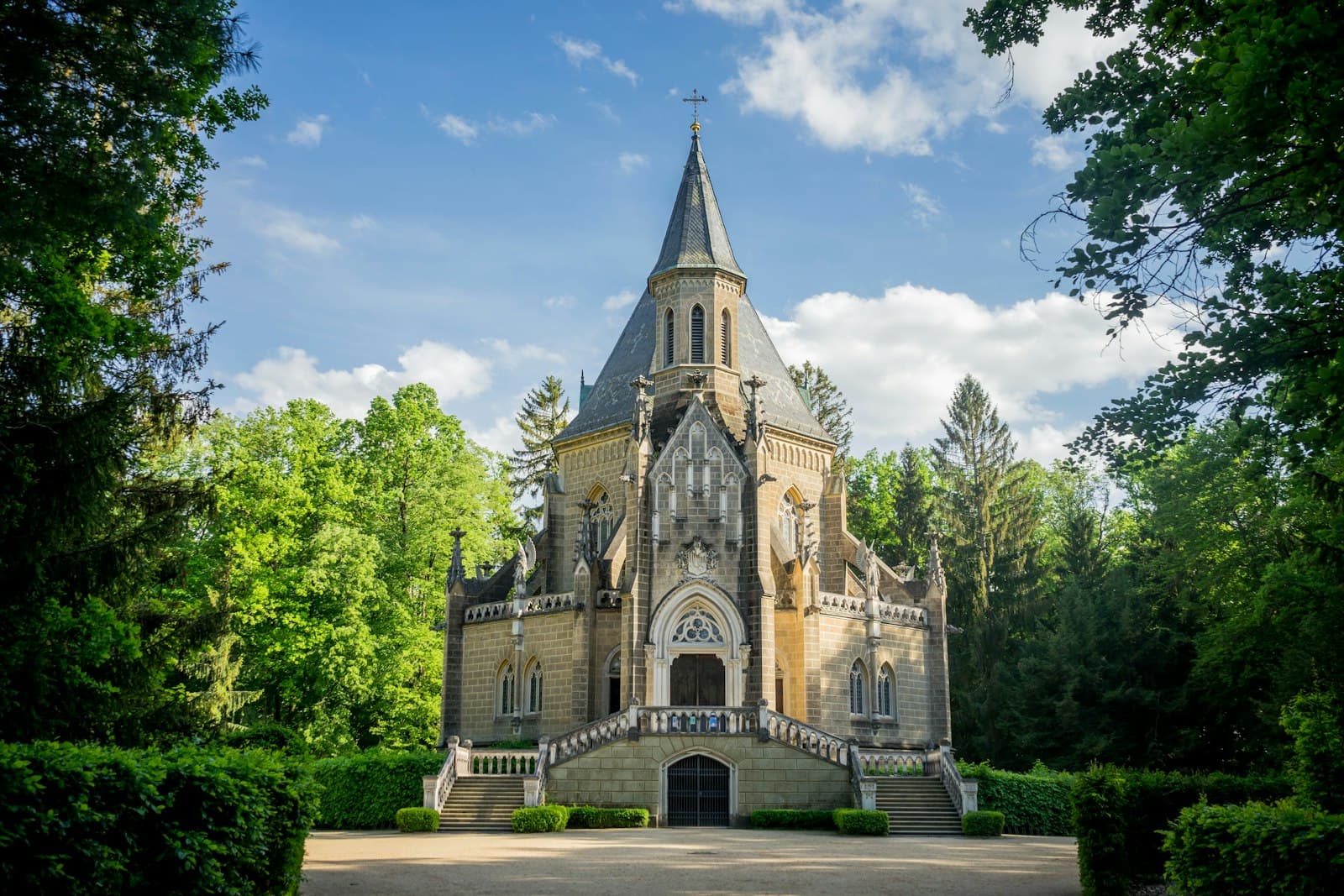
Nessuna visita a Třeboň è completa senza sperimentare il suo unico sistema di stagni. La città stessa si trova sulla riva dello Stagno di Svět, uno dei più grandi stagni cechi, utilizzato per la ricreazione e lo sport. Puoi percorrere a piedi o in bicicletta il sentiero "Giro del Mondo" che circonda lo Stagno di Svět. Più lontano, lo Stagno di Rožmberk, lo stagno per la pesca più grande del mondo per superficie, si estende per 489 ettari ed è stato ingegnerizzato tra il 1584 e il 1590. Il Mausoleo Schwarzenberg, una struttura esagonale neogotica costruita tra il 1874 e il 1877, funge da luogo di riposo finale per 26 membri della famiglia Schwarzenberg.
Per un assaggio della tradizione locale, visita il Birrificio Regent, uno dei più antichi birrifici della Repubblica Ceca, con un'eredità che risale al 1379. Offrono tour e degustazioni delle loro birre prodotte tradizionalmente. Infine, le Terme di Třeboň offrono trattamenti a base di torba per disturbi muscoloscheletrici, promettendo un'esperienza rigenerante e terapeutica.
Třeboň è più piacevole da maggio a settembre, quando il clima invita alle attività all'aperto come il ciclismo e l'esplorazione degli stagni. Maggio e inizio giugno offrono serate prolungate, il profumo dei tigli in fiore e meno folla. Luglio e agosto sono i mesi più caldi, con massime giornaliere medie intorno ai 23-24°C, ideali per attività con clima caldo, anche se questi mesi possono vedere anche più visitatori. Settembre porta una luce dorata, una diminuzione della folla e la tradizionale raccolta delle carpe, un evento culturale distintivo. Sebbene ottobre offra un clima piacevole e meno visitatori, alcuni hotel e attrazioni potrebbero iniziare a chiudere per la stagione. Gli inverni sono freddi e nevosi, con minime medie intorno ai -4°C a gennaio, ma offrono un'esperienza tranquilla e suggestiva se si è preparati a chiusure anticipate.
Třeboň si trova nella regione della Boemia meridionale, a circa 22 chilometri a sud-ovest di Jindřichův Hradec e 19 chilometri a est di České Budějovice. La valuta locale è la Corona Ceca (CZK). Sebbene il ceco sia la lingua ufficiale, le informazioni turistiche sono spesso disponibili in inglese.
Per spostarsi nell'area, il ciclismo è molto popolare, con sentieri ben segnalati come il percorso "Giro del Mondo" che circonda lo Stagno di Pesca Svět. Considera l'acquisto della Třeboňsko Card se intendi visitare più attrazioni, poiché può coprire l'ingresso al castello, i tour del birrificio e i trasporti regionali. Quando visiti tra maggio e agosto, porta con te un repellente per zanzare a causa delle zone umide degli stagni. Per quanto riguarda i pasti, Třeboň è celebrata per i suoi piatti a base di pesce d'acqua dolce, in particolare la carpa. Se un ristorante come Šupina è pieno, è pratica comune chiedere di condividere un tavolo per essere serviti più velocemente. La copertura del cellulare può essere incostante tra gli stagni, quindi è consigliabile scaricare mappe offline prima dell'arrivo.
Třeboň — coreano, cinese, ebraico e altre 29 lingue, ogni tappa narrata da una voce madrelingua. La più ampia scelta di lingue tra i tour audio autoguidati.
Disponibile in: