Palacio Cantero
Der prächtige Palacio Cantero, heute das Städtische Geschichtsmuseum, birgt hinter seiner imposanten Fassade ein skandalöses Geheimnis.
Die ganze Geschichte wird in der Tour freigeschaltet
 Schwarzenfelder / CC BY-SA 4.0, via Wikimedia Commons
Selbstgeführte Audio-Walking-Tour durch Trinidad — GPS-Route, Offline-Wiedergabe, erzählerische Narration in 32 Sprachen.
“Trinidad: wo Kopfsteinpflaster mit vergessenen Melodien summt und lebhafte Farbtöne Geschichten von gemachtem und verlorenem Glück erzählen.”
Nicht die Postkarten. Die Geschichten, die selbst Einheimische nicht kennen – dir ins Ohr geflüstert, genau dort, wo sie geschahen.
Der prächtige Palacio Cantero, heute das Städtische Geschichtsmuseum, birgt hinter seiner imposanten Fassade ein skandalöses Geheimnis.
Der hoch aufragende Manaca Iznaga, einst ein Symbol des Zuckerwohlstands, soll mit einer dramatischen Geschichte von Geschwisterrivalität verbunden sein.
Trinidads Casa de la Música, ein lebendiges Zentrum kubanischer Rhythmen, diente einst einem anderen Zweck.
Entdecke jedes Geheimnis von Trinidad
Jede Adresse, jede Enthüllung vollständig – in deinem Ohr, genau dort, wo es geschah.
Du wählst deine Stationen. Du gehst. Die Stimme enthüllt, was andere übersehen.


Deine selbstgeführte Audio-Tour durch Trinidad ist bereit – wähle deine Sehenswürdigkeiten, deine Sprache und starte, sobald du ankommst.
KaufenLume enthält einen integrierten Augmented-Reality-Guide. Halten Sie Ihr Handy hoch: Die Kamera zeigt die Straße vor Ihnen, mit einem leuchtenden Pfeil über dem echten Bild, der immer auf Ihren nächsten Stopp zeigt — keine Karte zum Rätseln, keine falschen Abzweigungen. Wie alles bei Lume funktioniert es komplett offline.
Trinidad, seit 1988 als UNESCO-Weltkulturerbe anerkannt, ist eine Stadt, in der die Zeit stillzustehen scheint und die architektonische Pracht ihrer Zuckerblütezeit im 18. und 19. Jahrhundert akribisch bewahrt wird. An der südzentralen Küste Kubas in der Provinz Sancti Spíritus gelegen, ruht sie zwischen der Karibik und den Bergen der Sierra del Escambray. Ihre steilen und unebenen Steinstraßen, für die meisten Fahrzeuge ungeeignet, sind gesäumt von pastellfarbenen Häusern und vermitteln das Gefühl eines Freilichtmuseums.
Gegründet am 23. Dezember 1514 vom spanischen Konquistador Diego Velázquez de Cuéllar, war Trinidad eine der ersten von den Spaniern in Amerika gegründeten Städte. Während sie zunächst als Ausgangspunkt für Expeditionen diente, einschließlich der Reise von Hernán Cortés nach Mexiko, wurde das heutige Trinidad maßgeblich durch den immensen Reichtum geprägt, der aus der Zuckerindustrie generiert wurde. Diese zufällige Erhaltung, eine Folge des wirtschaftlichen Niedergangs nach dem Zusammenbruch des Zuckermarktes und der Unabhängigkeitskriege, ist genau der Grund, warum die Stadt ein so fesselndes Fenster in Kubas Kolonialvergangenheit bleibt.
## Von Konquistadoren zu Zuckermagnaten Trinidads Geschichte beginnt am 23. Dezember 1514, als sie von Diego Velázquez de Cuéllar als Villa de la Santísima Trinidad gegründet wurde. Sie diente als früher Stützpunkt für spanische Expeditionen, insbesondere für Hernán Cortés im Jahr 1518, als dieser Männer für seine Reise nach Mexiko sammelte.
Die wahre Verwandlung der Stadt und der Ursprung ihrer beständigen Kolonialarchitektur kamen jedoch viel später mit dem Zuckerboom, der das späte 18. und das gesamte 19. Jahrhundert umfasste. Das Valle de los Ingenios (Tal der Zuckermühlen), östlich von Trinidad gelegen, entwickelte sich zu einer der produktivsten Zuckeranbauregionen der Karibik. Diese Industrie, die auf der Arbeit versklavter Afrikaner beruhte, generierte immense Vermögen für Familien wie die Borrells, Iznagas und Brunets. Sie investierten ihren Reichtum in Trinidad selbst und errichteten neoklassizistische Paläste, prächtige Herrenhäuser mit Freskendecken, importiertem italienischem Marmor und kunstvollen schmiedeeisernen Gittern, die das heutige Stadtbild prägen.
Bis 1827 waren im Tal über fünfzig Mühlen in Betrieb, und Aufzeichnungen deuten darauf hin, dass mehr als 11.000 versklavte Afrikaner auf den Zuckerrohrfeldern und in den Mühlen arbeiteten. Diese Ära des Wohlstands machte Trinidad zu einer der reichsten Städte Kubas. Dennoch geriet der Zuckermarkt schließlich ins Stocken, die Konkurrenz durch stärker mechanisierte Produzenten nahm zu, und die kubanischen Unabhängigkeitskriege am Ende des 19. Jahrhunderts beeinträchtigten die Region weiter. Trinidads wirtschaftlicher Abschwung bedeutete, dass kein Geld für Modernisierungen vorhanden war, was seinen kolonialen Charakter unwissentlich bewahrte. 1988 erklärten die UNESCO Trinidad und das Valle de los Ingenios zum Weltkulturerbe und würdigten die Stadt als eines der am besten erhaltenen Beispiele einer spanischen Kolonialsiedlung in der Karibik und das Tal als umfassendes Zeugnis der Zuckerwirtschaft.
Die Seele Trinidads liegt auf der Plaza Mayor, einem intimen Platz mit erhöhten Gärten, weißen schmiedeeisernen Zäunen und Palmen, umgeben von den Herrenhäusern der Zuckerfamilien. Die bemerkenswertesten Sehenswürdigkeiten sind nur einen kurzen Spaziergang vom Platz entfernt.
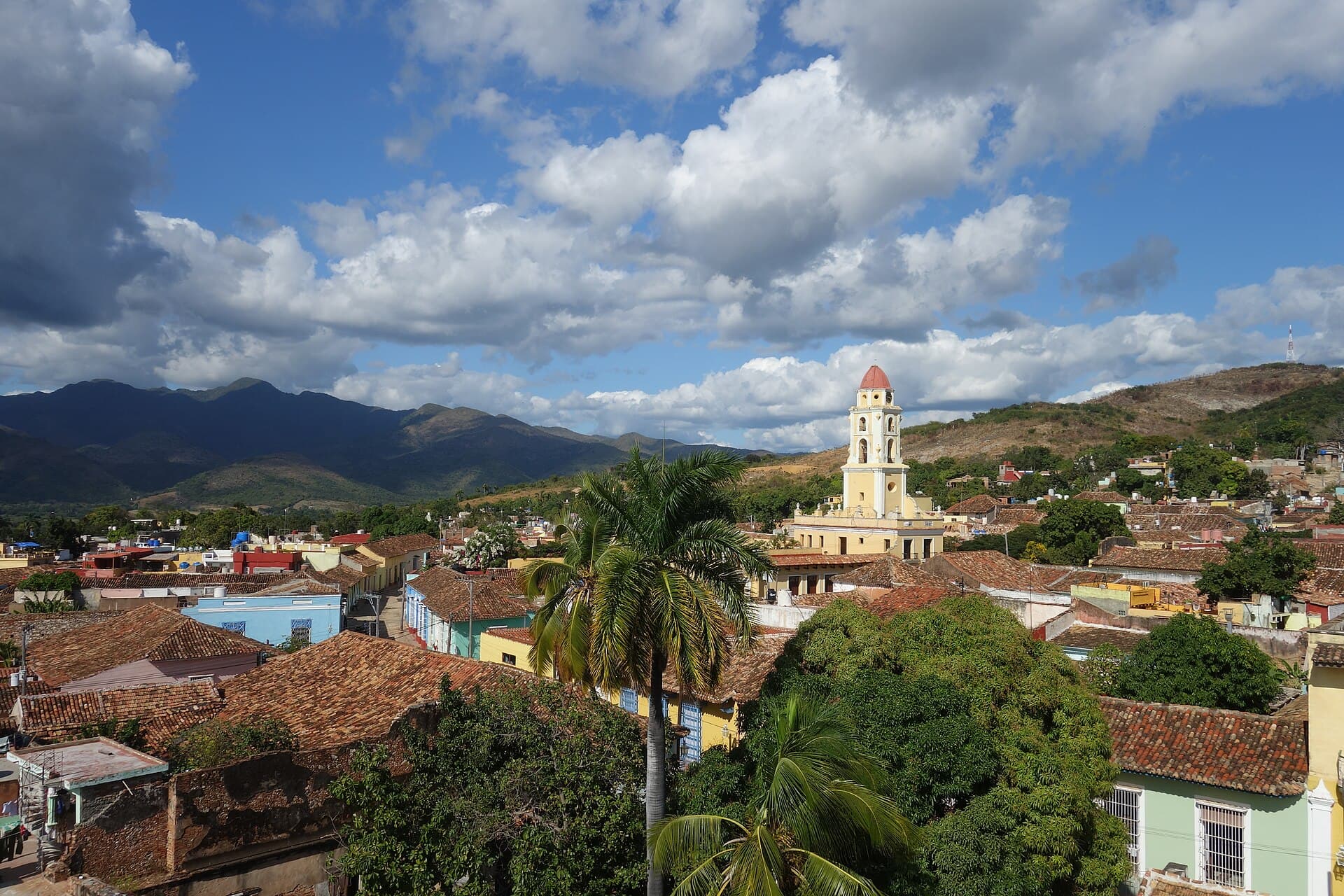
Besteigen Sie den blassgelben Glockenturm des ehemaligen Convento de San Francisco de Asís, um einen weiten Blick über die Dächer der Stadt, die Berge und das Meer zu genießen. Das Kloster beherbergt heute ein Museum, das den Jahren nach der Revolution gewidmet ist.
Treten Sie ein in den Palacio Cantero, der 1828 für eine der reichsten Familien der Stadt erbaut wurde und heute das Städtische Geschichtsmuseum beherbergt. Seine Sammlung bietet Einblicke in das koloniale Leben, und sein Turm bietet einen weiteren ausgezeichneten Aussichtspunkt über die Stadt und die Plaza Mayor.
Schlendern Sie durch die Straßen, die von der Plaza Mayor zur Plaza de las Tres Cruces führen, wie die Amargura und Real del Jigüe, wo die Kopfsteinpflaster und kolonialen Fassaden besonders gut erhalten sind. Erkunden Sie das Valle de los Ingenios, eine kurze Fahrt östlich von Trinidad, um die Überreste von Zuckerplantagen und den Manaca Iznaga Tower zu besichtigen, der einst zur Überwachung versklavter Arbeiter diente.
Wenn der Abend hereinbricht, begeben Sie sich zur Casa de la Música, einem Open-Air-Veranstaltungsort auf den Stufen nahe der Plaza Mayor, für Live-Salsa-Musik und Tanz. Für ein tieferes Eintauchen in die afro-kubanische Kultur bietet das Palenque de los Congos Reales fesselnde Musik- und Tanzaufführungen.
Die ideale Zeit, um Trinidad zu erleben, ist während der Trockenzeit von November bis April. Die Temperaturen sind in diesen Monaten angenehm, liegen zwischen Mitte 20 und Ende 20 Grad Celsius und es gibt nur geringe Niederschläge. Dezember bis März fällt auch mit der Hauptkultur- und Festivalsaison zusammen. Während die Tage warm sein können, bieten die Abende kühlere Temperaturen. Mai bis Oktober leiten die karibische Regenzeit ein, die von kurzen, aber heftigen Nachmittagsschauern geprägt ist, und Juli und August sind die wärmsten Monate mit hoher Luftfeuchtigkeit.
Die Fortbewegung in Trinidad ist am einfachsten zu Fuß, da die Steinstraßen für Fahrzeuge schwierig sein können und bequeme Wanderschuhe erfordern. Taxis stehen für längere Strecken oder Tagesausflüge zur Verfügung. Unterkünfte, insbesondere casa particulares (privat geführte Pensionen), sind empfehlenswert und sollten besonders in der Hochsaison im Voraus gebucht werden. Viele casas bieten Frühstück gegen eine geringe Gebühr an. Während Kuba den Kubanischen Peso (CUP) verwendet, bezahlen Reisende oft in Dollar oder CUC. Es wird empfohlen, Geld in einer casa de cambio oder bei Ihren Gastgebern in Pesos zu wechseln. Der Internetzugang kann eingeschränkt sein, obwohl viele Restaurants und casas WLAN anbieten, das oft ETECSA-WLAN-Karten erfordert. Tragen Sie immer Kleingeld und Toilettenpapier für öffentliche Toiletten bei sich. Trinidad gilt generell als sehr sicher für Reisende.
Trinidad — Koreanisch, Chinesisch, Hebräisch und 29 weitere Sprachen, jede Station von einer muttersprachlichen Stimme erzählt. Die größte Sprachauswahl aller selbstgeführten Audiotouren.
Verfügbar auf: