Torre Civica di Trnava
La Torre Civica rinascimentale offre ampie viste su Trnava, eppure un'ispezione più ravvicinata rivela un curioso dettaglio sulla sua facciata.
La storia completa si sblocca nel tour
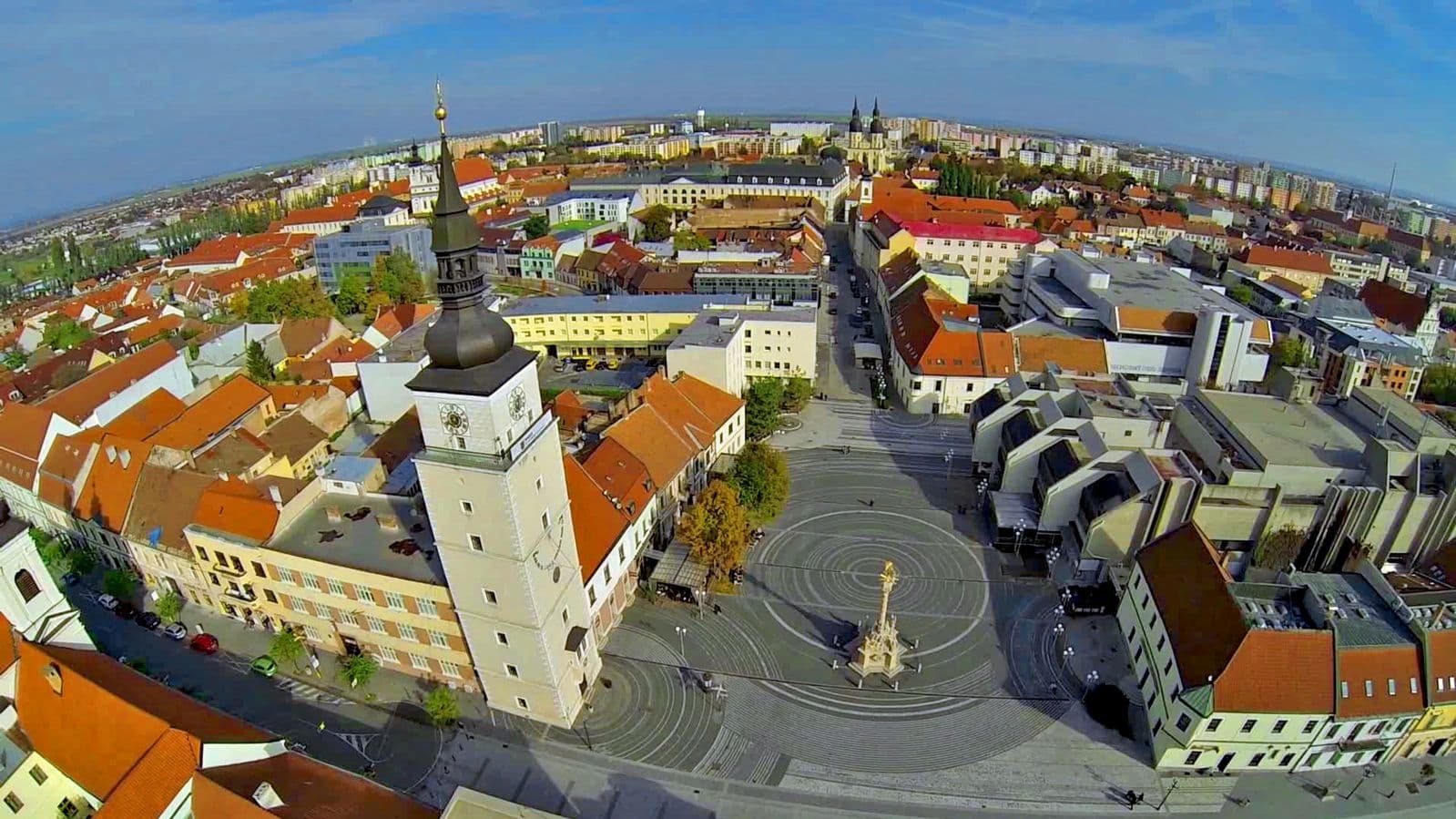 Pavel Briatka / CC BY-SA 2.5, via Wikimedia Commons
Tour audio autoguidato di Trnava — percorso GPS a piedi, riproduzione offline, narrazione coinvolgente in 32 lingue.
“Trnava: Dove gli echi della 'Piccola Roma' incontrano un vivace impulso universitario.”
Non le cartoline. Le storie che nemmeno i locali conoscono — sussurrate nel tuo orecchio, proprio dove sono accadute.
La Torre Civica rinascimentale offre ampie viste su Trnava, eppure un'ispezione più ravvicinata rivela un curioso dettaglio sulla sua facciata.
Questo popolare caffè occupa un'ex sinagoga e il suo interno conserva una sorprendente quantità del suo passato.
Trnava ospitò un tempo l'unica università del Regno d'Ungheria, ma la sua eredità va oltre le attività accademiche.
Scopri ogni segreto di Trnava
Ogni indirizzo, ogni rivelazione completa — nel tuo orecchio, proprio dove è accaduta.
Scegli le tue tappe. Cammini. La voce rivela ciò che gli altri perdono.
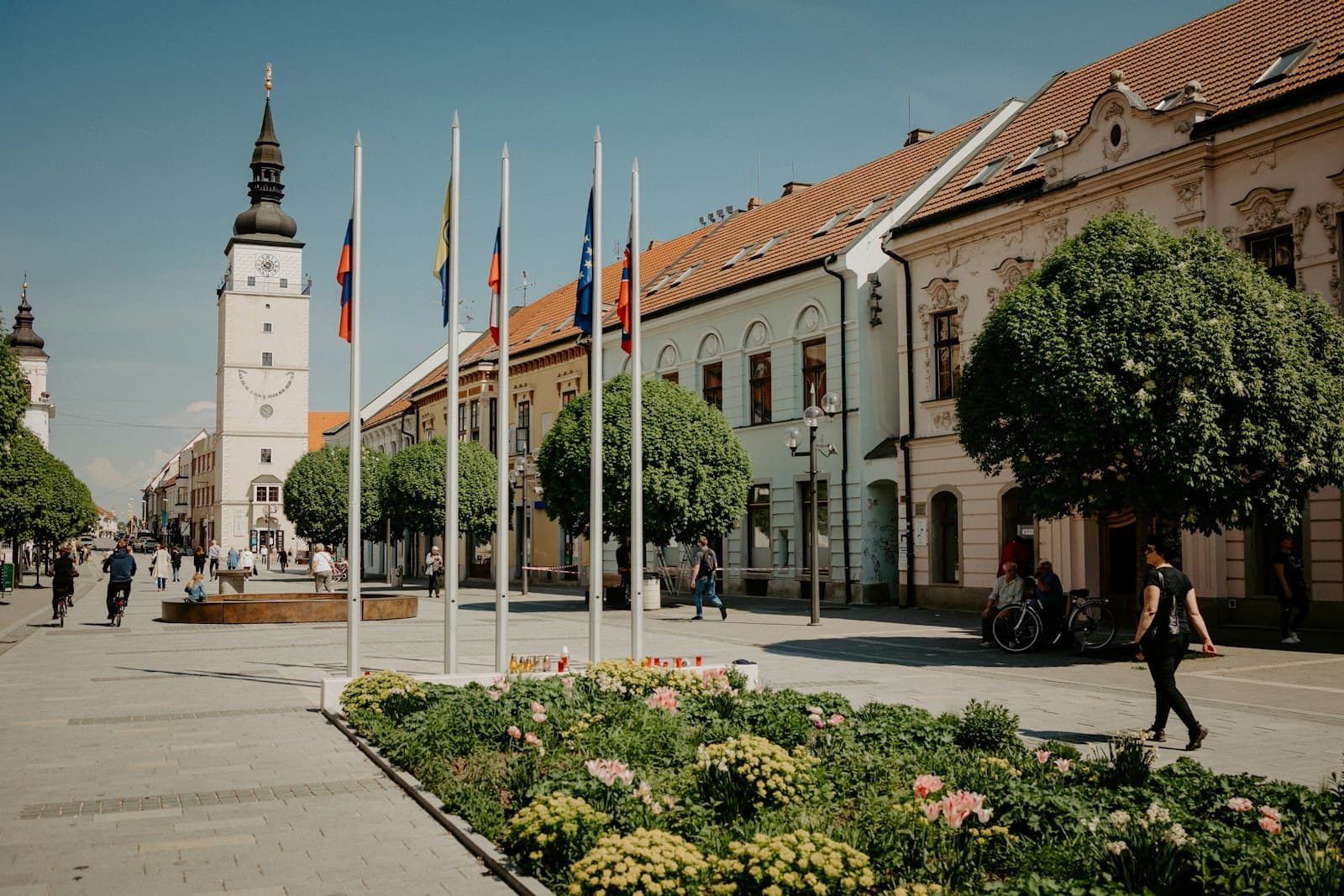

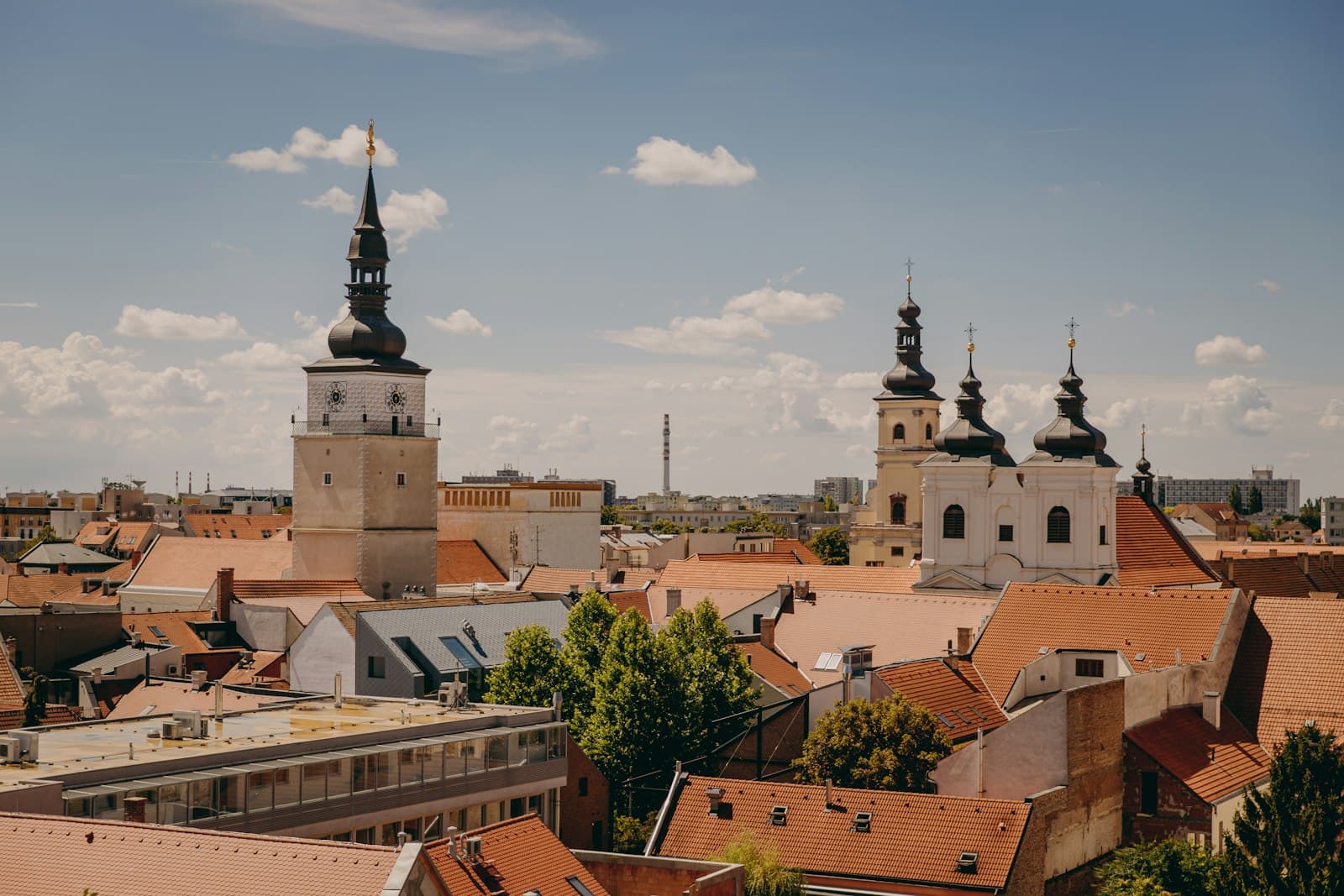
Il tuo tour audio autoguidato di Trnava è pronto — scegli i tuoi punti di interesse, seleziona la tua lingua e inizia nel momento in cui arrivi.
AcquistaLume include una guida in realtà aumentata. Alza il telefono: la fotocamera mostra la strada davanti a te, con una freccia luminosa sovrapposta all'immagine reale che punta sempre verso la tua prossima tappa — nessuna mappa da decifrare, nessuna svolta sbagliata. Come tutto in Lume, funziona completamente offline.
Trnava, spesso definita la 'Piccola Roma della Slovacchia', è una città nella Slovacchia occidentale, a circa 50 chilometri a nord-est di Bratislava. Questa designazione deriva dalla sua notevole concentrazione di chiese, monasteri e istituzioni ecclesiastiche nel suo nucleo storico. Essendo la prima città nell'attuale Slovacchia a ricevere una carta cittadina nel 1238 dal re ungherese Béla IV, Trnava possiede un passato profondo e stratificato.
Oggi, Trnava fonde la sua architettura medievale ben conservata con una dinamica atmosfera universitaria, creando una destinazione attiva per coloro che sono interessati alla storia e alla cultura. Oltre alla sua importanza storica, Trnava è anche un importante centro industriale, sede di grandi stabilimenti, e funge da capoluogo della Regione di Trnava. La sua posizione accessibile, a breve distanza in treno da Bratislava, la rende un'ottima scelta per una gita di un giorno o per un'esplorazione più lunga delle sue offerte culturali e architettoniche.
La prima testimonianza scritta di Trnava risale al 1211, che la stabilisce come un importante insediamento mercantile situato all'incrocio di importanti vie commerciali che collegavano la Boemia all'Ungheria e il Mediterraneo alla Polonia. Nel 1238, Trnava divenne la prima città nell'attuale Slovacchia a ricevere privilegi civici dal re, un momento cruciale che ne stimolò la crescita da centro agricolo a polo manifatturiero, commerciale e artigianale.
Il XVI e XVII secolo segnarono l'età d'oro di Trnava. Dopo la conquista ottomana di gran parte dell'Ungheria nel 1541, l'Arcivescovo di Esztergom trasferì la sua sede a Trnava. Questa mossa trasformò la città nel centro della Chiesa Cattolica nel Regno d'Ungheria, ruolo che mantenne per quasi 300 anni. La fondazione dell'Università di Trnava nel 1635 da parte dell'Arcivescovo Péter Pázmány consolidò ulteriormente la sua posizione di importante centro religioso ed educativo. Questa concentrazione di istituzioni ecclesiastiche e dell'università valse a Trnava i suoi duraturi soprannomi: 'Piccola Roma della Slovacchia' o 'Roma Slovacca'.
Nonostante la sua importanza religiosa, Trnava visse periodi di conflitto. Fu coinvolta nelle Guerre Hussite nel XV secolo, con gli Hussiti che occuparono persino la città per un periodo. Il XVII secolo vide numerose rivolte anti-asburgiche che ebbero un impatto negativo sulla città. Nel 1777, l'Imperatrice Maria Teresa ordinò il trasferimento dell'università a Buda, portando a un declino del prestigio religioso e accademico di Trnava. Tuttavia, Trnava svolse un ruolo significativo nel Risveglio Nazionale Slovacco alla fine del XVIII secolo, diventando un centro per l'educazione e la letteratura slovacca.
Nel XIX secolo, Trnava subì l'industrializzazione, inclusa la costruzione della prima ferrovia a cavalli nel Regno d'Ungheria, che la collegava a Bratislava. Dopo la formazione della Cecoslovacchia nel 1918, Trnava emerse come una delle principali città industriali del paese, uno status che mantiene ancora oggi. Nel 1977, Papa Paolo VI ristabilì Trnava come sede di un arcivescovado slovacco separato, concedendo alla Slovacchia per la prima volta in secoli l'indipendenza nell'amministrazione ecclesiastica. Oggi, Trnava continua a prosperare come centro amministrativo, economico, educativo e culturale della regione di Trnava.
Inizia la tua esplorazione nel centro storico di Trnava, dove stretti vicoli invitano a passeggiate tranquille. Un punto di riferimento prominente è la Torre Civica di Trnava, una struttura rinascimentale della fine del XVI secolo. Sali i suoi 143 gradini per godere di viste panoramiche sui tetti rossi della città e sulle numerose guglie delle chiese. La Basilica di San Nicola, una cattedrale gotica risalente al XIV e XV secolo, è la chiesa più antica di Trnava, riconoscibile per le sue distintive torri. Un altro sito ecclesiastico significativo è la Cattedrale di San Giovanni Battista, il primo edificio barocco primitivo della Slovacchia, completato nel 1637 e notevole per il suo elaborato interno, incluso l'altare maggiore interamente in legno del 1640.
Passeggia lungo tratti delle mura medievali della città di Trnava, considerate tra i sistemi di fortificazione meglio conservati dell'Europa centrale, con parti risalenti dal XIII al XVI secolo. Queste mura, originariamente lunghe circa 3 km con quattro porte e 35 torri, offrono prospettive uniche sulla città. La Synagóga Café, ospitata nell'ex Sinagoga Ortodossa (Synagoga Status Quo Ante), offre un connubio unico di storia e cultura contemporanea, fungendo sia da caffè che da centro culturale per mostre d'arte ed eventi. Esplora Piazza della Trinità (Trojičné námestie), la piazza principale della città, caratterizzata dalla Barocca Colonna della Santissima Trinità del 1695. Per gli appassionati d'arte, la Galleria Ján Koniarek espone arte moderna e contemporanea.
Il periodo più piacevole per visitare Trnava per attività all'aperto va da inizio giugno a metà settembre, con un picco nella seconda settimana di agosto, quando il clima è caldo. La primavera (aprile-maggio) e l'autunno (settembre-ottobre) offrono un clima mite, meno folla e condizioni gradevoli per l'esplorazione. L'autunno è particolarmente attraente per la stagione della vendemmia e i colori cangianti delle foglie. Mentre l'estate offre gli orari di apertura più lunghi e la ristorazione all'aperto, può anche essere il periodo più affollato.
Trnava è facilmente raggiungibile, situata a soli 55 km da Bratislava. Puoi raggiungere la città in treno in circa 30-45 minuti, con collegamenti frequenti. Anche gli autobus partono regolarmente da Bratislava, impiegando circa 50 minuti. La stazione ferroviaria di Trnava è a pochi passi dal centro storico, consentendo una facile esplorazione a piedi una volta arrivati. L'inglese è ampiamente parlato negli hotel e nei ristoranti, anche se conoscere alcune frasi slovacche di base può essere utile. La valuta locale è l'Euro (€). Le opzioni di alloggio vanno da hotel e pensioni a ostelli. Considera di provare piatti slovacchi locali come bryndzové halušky (gnocchi di patate con formaggio di pecora) e vini locali della regione dei Piccoli Carpazi.
Trnava — coreano, cinese, ebraico e altre 29 lingue, ogni tappa narrata da una voce madrelingua. La più ampia scelta di lingue tra i tour audio autoguidati.
Disponibile in: