Cattedrale di San Lorenzo
Oltre al suo magnifico portale romanico, la Cattedrale di San Lorenzo custodisce un segreto che parla di un'era dimenticata di fede.
La storia completa si sblocca nel tour
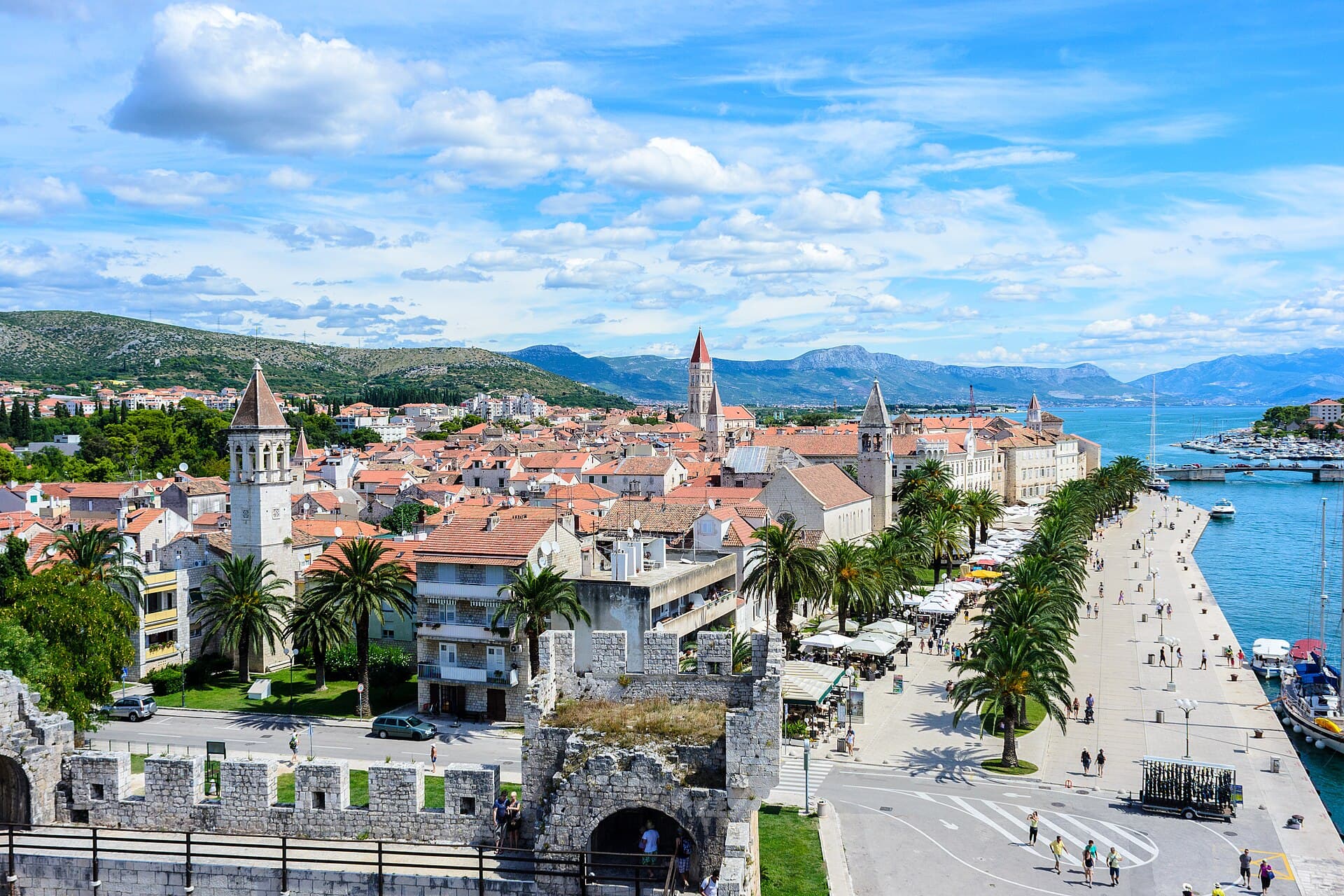 Nick Savchenko from Kiev, Ukraine / CC BY-SA 2.0, via Wikimedia Commons
Tour audio autoguidato di Trogir — percorso GPS a piedi, riproduzione offline, narrazione coinvolgente in 32 lingue.
“Dove antiche pietre raccontano imperi e arte.”
Non le cartoline. Le storie che nemmeno i locali conoscono — sussurrate nel tuo orecchio, proprio dove sono accadute.
Oltre al suo magnifico portale romanico, la Cattedrale di San Lorenzo custodisce un segreto che parla di un'era dimenticata di fede.
Il grandioso Palazzo Cipiko, sede di una delle famiglie più influenti di Trogir, porta una sottile iscrizione al suo ingresso principale che offre un prezioso consiglio senza tempo.
Il nome stesso di Trogir porta un sorprendente legame con un animale comune, rivelando uno sguardo alla sua storia più antica.
Scopri ogni segreto di Trogir
Ogni indirizzo, ogni rivelazione completa — nel tuo orecchio, proprio dove è accaduta.
Scegli le tue tappe. Cammini. La voce rivela ciò che gli altri perdono.

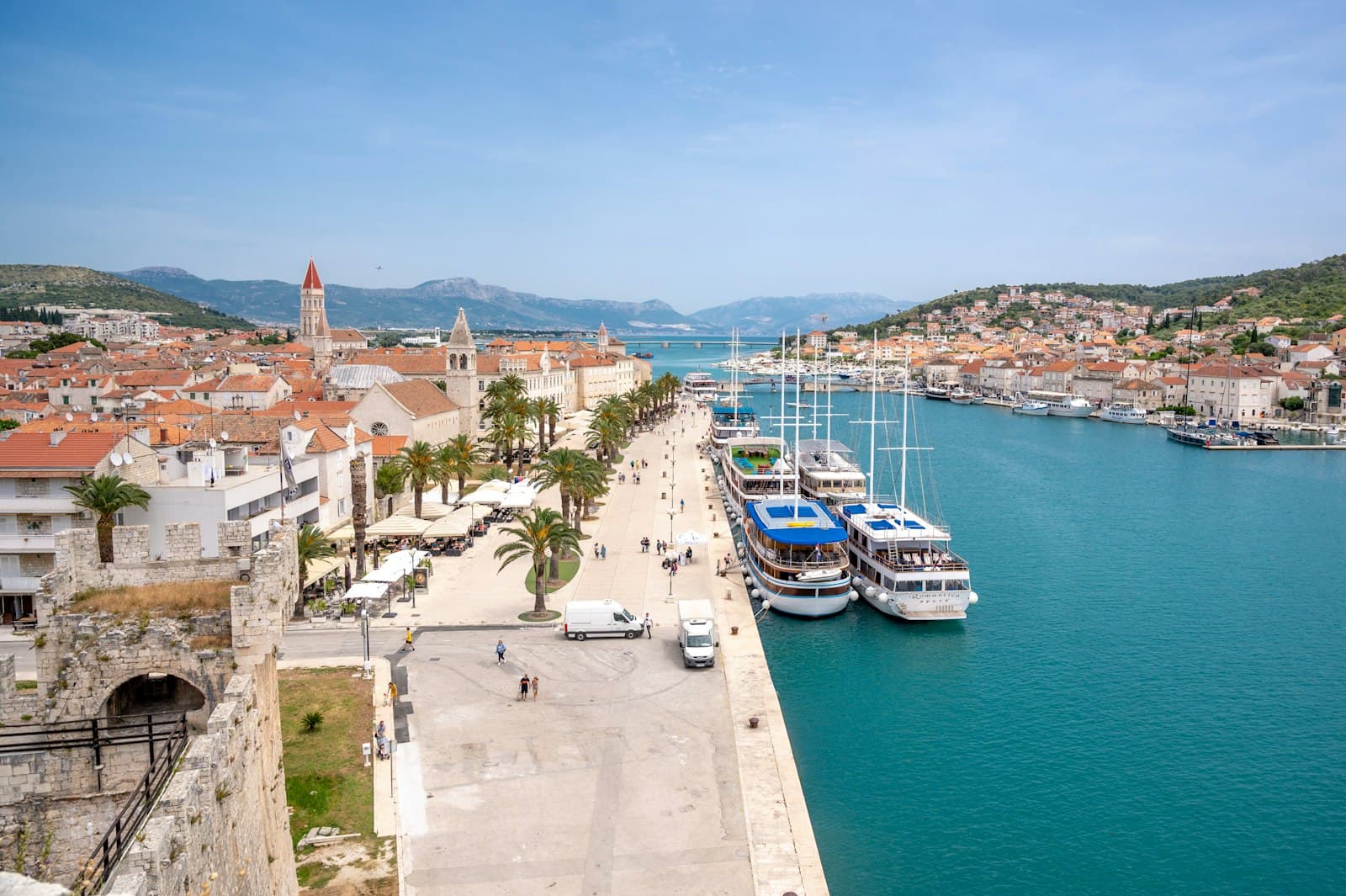
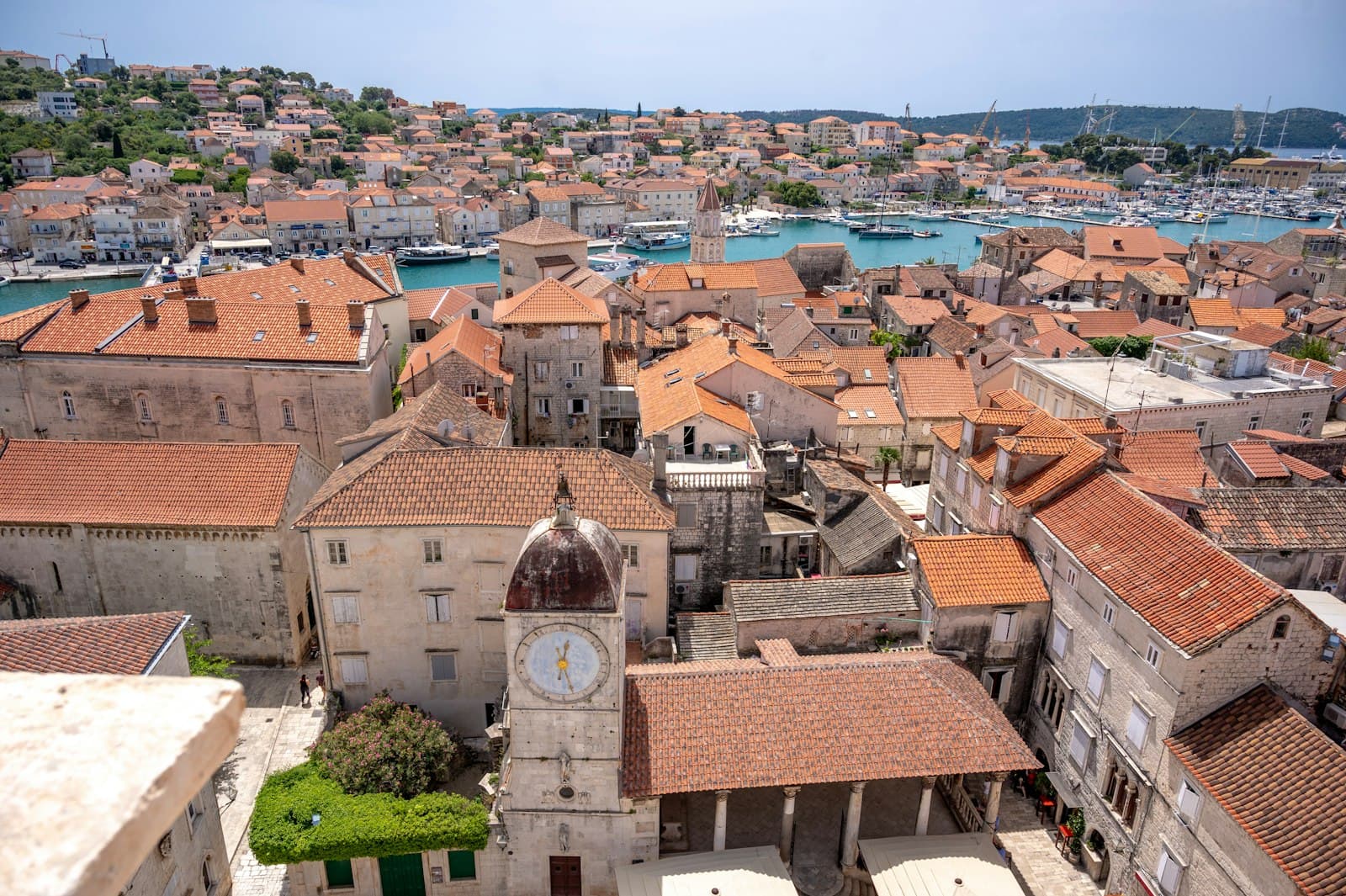
Il tuo tour audio autoguidato di Trogir è pronto — scegli i tuoi punti di interesse, seleziona la tua lingua e inizia nel momento in cui arrivi.
AcquistaLume include una guida in realtà aumentata. Alza il telefono: la fotocamera mostra la strada davanti a te, con una freccia luminosa sovrapposta all'immagine reale che punta sempre verso la tua prossima tappa — nessuna mappa da decifrare, nessuna svolta sbagliata. Come tutto in Lume, funziona completamente offline.
Trogir, una città storica sulla costa adriatica della Croazia, si erge come un museo vivente, il suo nucleo antico riconosciuto come patrimonio mondiale dell'UNESCO. Situata su una piccola isola tra la terraferma e l'isola di Čiovo, Trogir offre un viaggio attraverso 2.300 anni di tradizione urbana continua. La sua pianta stradale ortogonale, risalente al periodo ellenistico, è stata preservata e migliorata dai successivi governanti, lasciando una notevole collezione di edifici romanici, gotici, rinascimentali e barocchi.
Questo compatto insediamento insulare, a soli 27 chilometri a ovest di Spalato, invita i visitatori a passeggiare per le sue strette vie, dove ogni svolta rivela un pezzo del suo passato stratificato. Dalle mura fortificate ai grandi palazzi e alle chiese intricate, l'armonia architettonica di Trogir racconta una storia di influenze diverse, dagli antichi Greci e Romani ai Veneziani e all'Impero Asburgico. È un luogo dove la storia non viene solo osservata ma sentita, una testimonianza dell'endurante continuità urbana sulla costa dalmata.
La storia di Trogir inizia nel III secolo a.C., quando i coloni greci dell'isola di Lissa (Vis) fondarono un porto commerciale chiamato Tragurion. Il nome, che si ritiene derivi dalla parola greca per 'capra maschio' o 'collina delle capre', allude al paesaggio iniziale della zona. I Greci disposero la città secondo una pianta stradale a griglia, una base che persiste notevolmente ancora oggi.
Dopo i Greci, i Romani presero il controllo, rinominandola Tragurium. La sua importanza diminuì con la prosperità della vicina Salona, ma Trogir in seguito offrì rifugio ai cittadini in fuga dalla distruzione di Salona durante la migrazione dei Croati nel VI e VII secolo. Dal IX secolo, Trogir pagò tributi ai sovrani croati e all'Impero Bizantino, e la sua diocesi fu istituita nell'XI secolo.
Nel 1107, Trogir ottenne l'autonomia sotto il re Colomanno d'Ungheria, Croazia e Dalmazia. Tuttavia, questo periodo di pace fu infranto nel 1123 quando i Saraceni distrussero la città. Trogir conobbe una significativa ricostruzione e fioritura artistica nel XIII secolo.
L'influenza più duratura sul carattere architettonico di Trogir arrivò con la Repubblica di Venezia, che governò dal 1420 al 1797. Quest'era vide un boom nell'economia della città e la costruzione di molti degli edifici romanici, gotici, rinascimentali e barocchi che definiscono oggi il suo centro storico. Nonostante il dominio veneziano, la lingua croata fu preservata. Dopo la caduta di Venezia, Trogir passò sotto il dominio francese, durante il quale alcune mura cittadine furono demolite, e successivamente sotto il controllo austriaco fino al 1918. Trogir fu annessa dall'Italia durante la Seconda Guerra Mondiale, poi divenne parte della Jugoslavia e infine ottenne l'indipendenza con la Croazia nel 1991.
Nel 1997, il centro storico di Trogir è stato iscritto nella Lista del Patrimonio Mondiale dell'UNESCO, riconosciuto come un notevole esempio di continuità urbana e un complesso romanico-gotico ben conservato nell'Europa centrale.
L'incantevole centro storico di Trogir si esplora al meglio a piedi, permettendoti di scoprire i suoi numerosi tesori architettonici. La Cattedrale di San Lorenzo (Katedrala sv. Lovre) è il fulcro, un magnifico esempio di architettura romanico-gotica. Da non perdere le intricate sculture del Portale di Radovan, risalenti al 1240, e considera di salire sul campanile per ammirare ampie viste sulla città e sul Mar Adriatico.
Di fronte alla Cattedrale, il Palazzo Cipiko mostra un mix di stili gotico, romanico e rinascimentale, riflettendo la famiglia influente che vi risiedeva. La sua facciata, con un balcone ad arco triangolare e l'iscrizione "Nosce te ipsum", è particolarmente degna di nota.
La Loggia Comunale e la Torre dell'Orologio nella piazza principale sono anch'esse significative. La Loggia del XV secolo fungeva un tempo da tribunale, e l'adiacente Torre dell'Orologio, con il suo distintivo quadrante blu, è un punto di riferimento prominente. All'estremità occidentale dell'isola, il Castello Kamerlengo e la Torre di San Marco, una fortezza veneziana del XV secolo, offrono spunti storici e viste sulla costa, ospitando spesso concerti all'aperto in estate.
Una passeggiata lungo la Riva offre un'atmosfera vivace con viste su yacht e pescherecci, perfetta per osservare la vita quotidiana o godersi un pasto. Per un'immersione più profonda nel passato della città, il Museo Civico di Trogir, ospitato nel Palazzo Garagnin–Fanfogna, presenta manufatti e mostre che illustrano lo sviluppo culturale e artistico di Trogir.
Il periodo ideale per visitare Trogir è la primavera (da aprile a inizio giugno) o l'inizio dell'autunno (da fine settembre a ottobre). Durante questi periodi, il clima è piacevolmente caldo e la folla è più gestibile rispetto ai mesi di punta estivi di luglio e agosto. Maggio e settembre offrono un buon equilibrio tra temperature calde del mare, sole e meno turisti, rendendoli perfetti per esplorare la città storica e godersi le attività all'aperto. Mentre luglio e agosto garantiscono il mare più caldo e abbondante sole, aspettati prezzi più alti e un'atmosfera frenetica.
Trogir è facilmente raggiungibile, situata a soli 5-6 chilometri dall'aeroporto di Spalato (SPU), che serve voli nazionali e internazionali. Puoi raggiungere Trogir dall'aeroporto in auto, autobus o taxi. Se viaggi da Spalato, autobus frequenti, auto a noleggio o persino un suggestivo giro in barca sono opzioni. Il centro storico è piccolo e percorribile a piedi, quindi un'auto non è necessaria una volta arrivati; il parcheggio è disponibile appena oltre il ponte sulla terraferma.
La valuta ufficiale in Croazia è l'Euro (€, EUR), adottato nel gennaio 2023. I bancomat sono ampiamente disponibili, ma è consigliabile scegliere di essere addebitati in Euro per ottenere tassi di cambio migliori. Mentre Trogir ha generalmente un codice di abbigliamento rilassato, si raccomanda un abbigliamento modesto che copra spalle e ginocchia quando si visitano i siti religiosi.
Trogir — coreano, cinese, ebraico e altre 29 lingue, ogni tappa narrata da una voce madrelingua. La più ampia scelta di lingue tra i tour audio autoguidati.
Disponibile in: