Les Roches Noires
Ce grand hôtel, autrefois un phare du luxe, recèle un secret mêlé à l'histoire littéraire et à une transformation inattendue.
L'histoire complète se débloque dans le tour
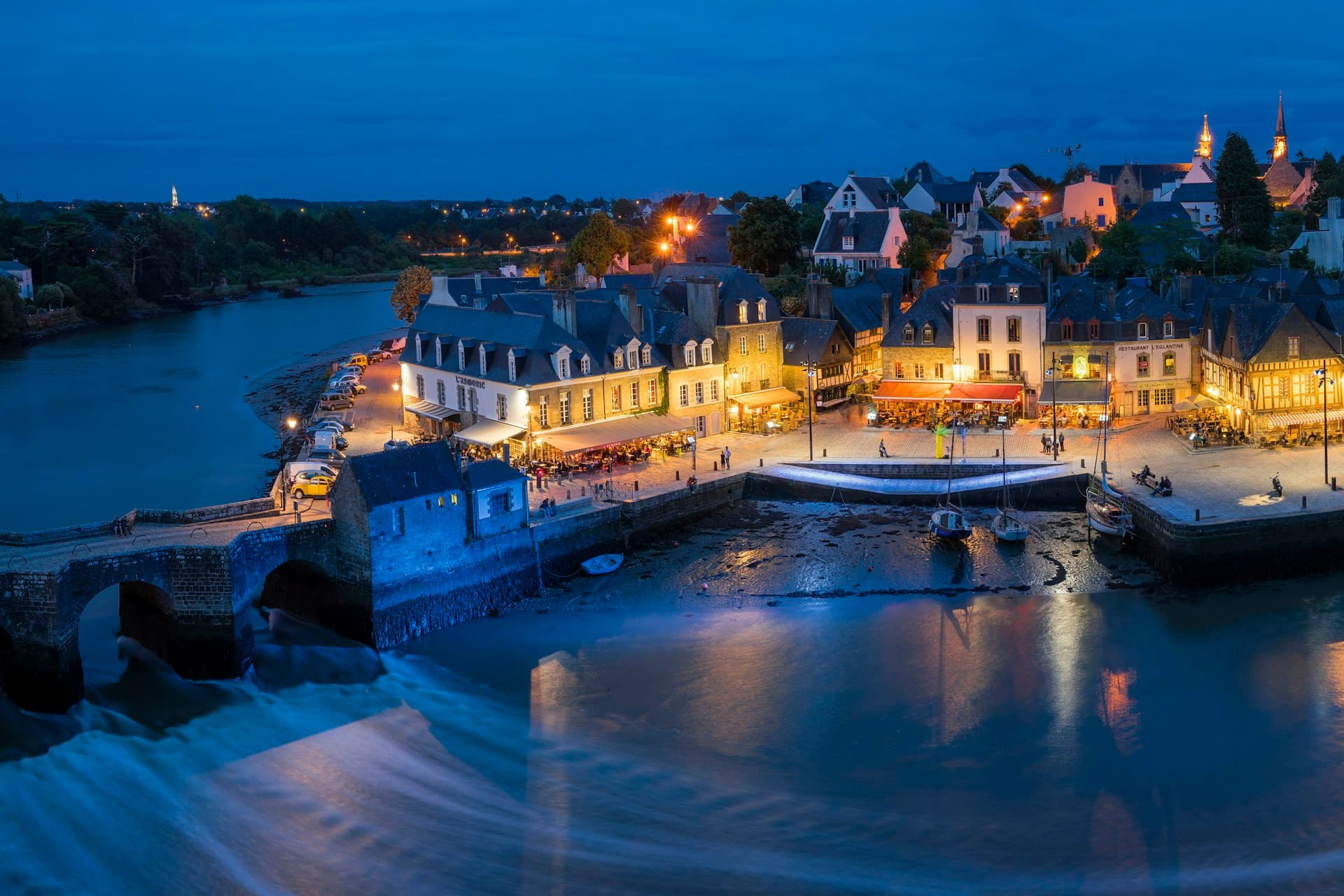 Photo: Pedro Lastra / Unsplash
Visite audio autoguidée de Trouville-sur-Mer — parcours GPS à pied, lecture hors ligne, narration en 32 langues.
“Là où l'élégance Belle Époque rencontre l'authenticité de la vie balnéaire normande.”
Pas les cartes postales. Les histoires que même les habitants ignorent — soufflées à l'oreille, là où elles se sont passées.
Ce grand hôtel, autrefois un phare du luxe, recèle un secret mêlé à l'histoire littéraire et à une transformation inattendue.
Sous l'élégante façade du casino de Trouville se cache un chapitre surprenant d'un conflit mondial.
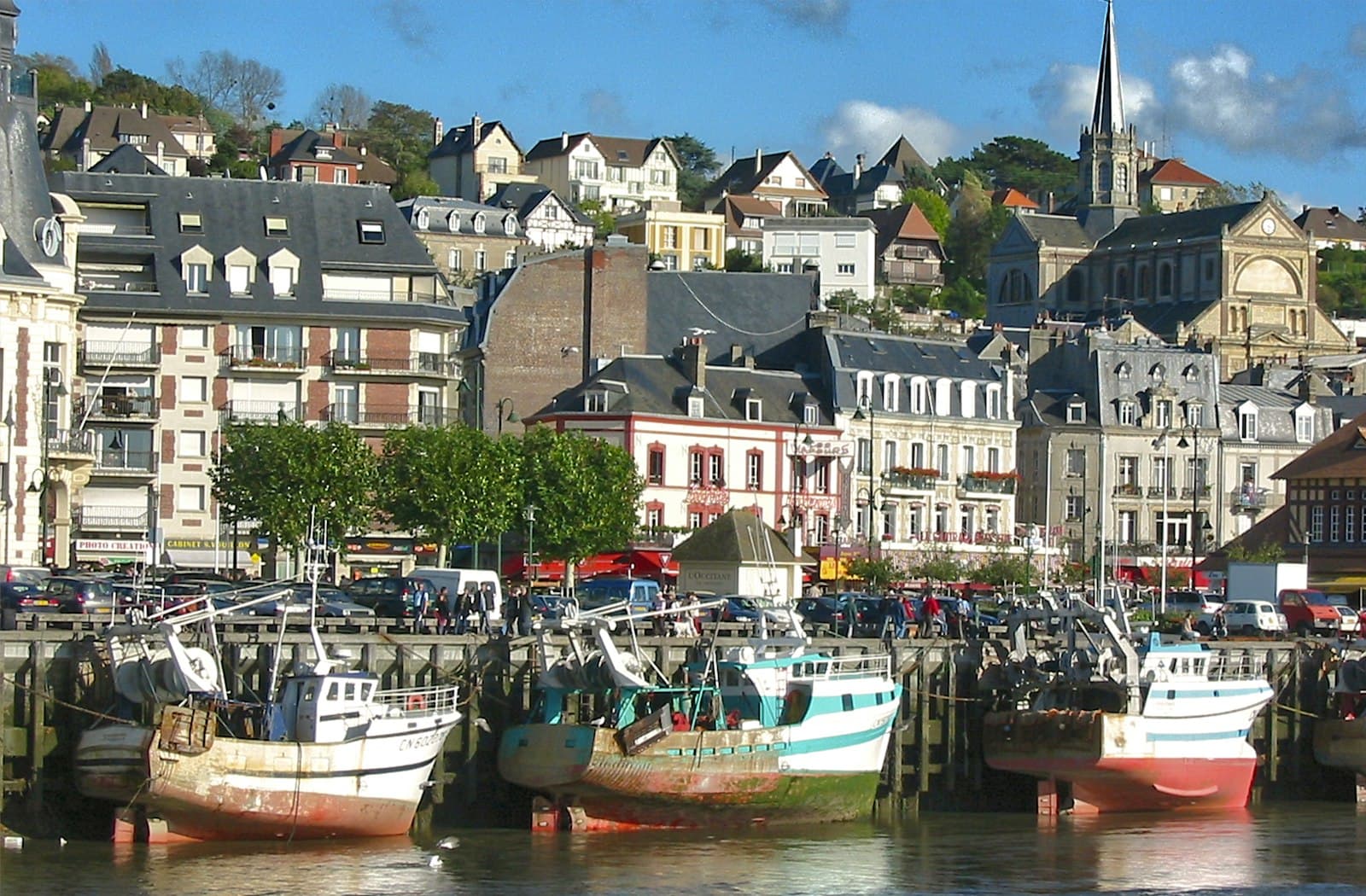
L'emblématique marché aux poissons de Trouville, un spectacle quotidien, présente un détail architectural unique inspiré d'une autre célèbre ville normande.
Découvrez tous les secrets de Trouville-sur-Mer
Chaque adresse, chaque révélation en entier — dans ton oreille, là où elle s'est passée.
Tu choisis tes lieux. Tu marches. La voix te révèle ce que les autres ignorent.
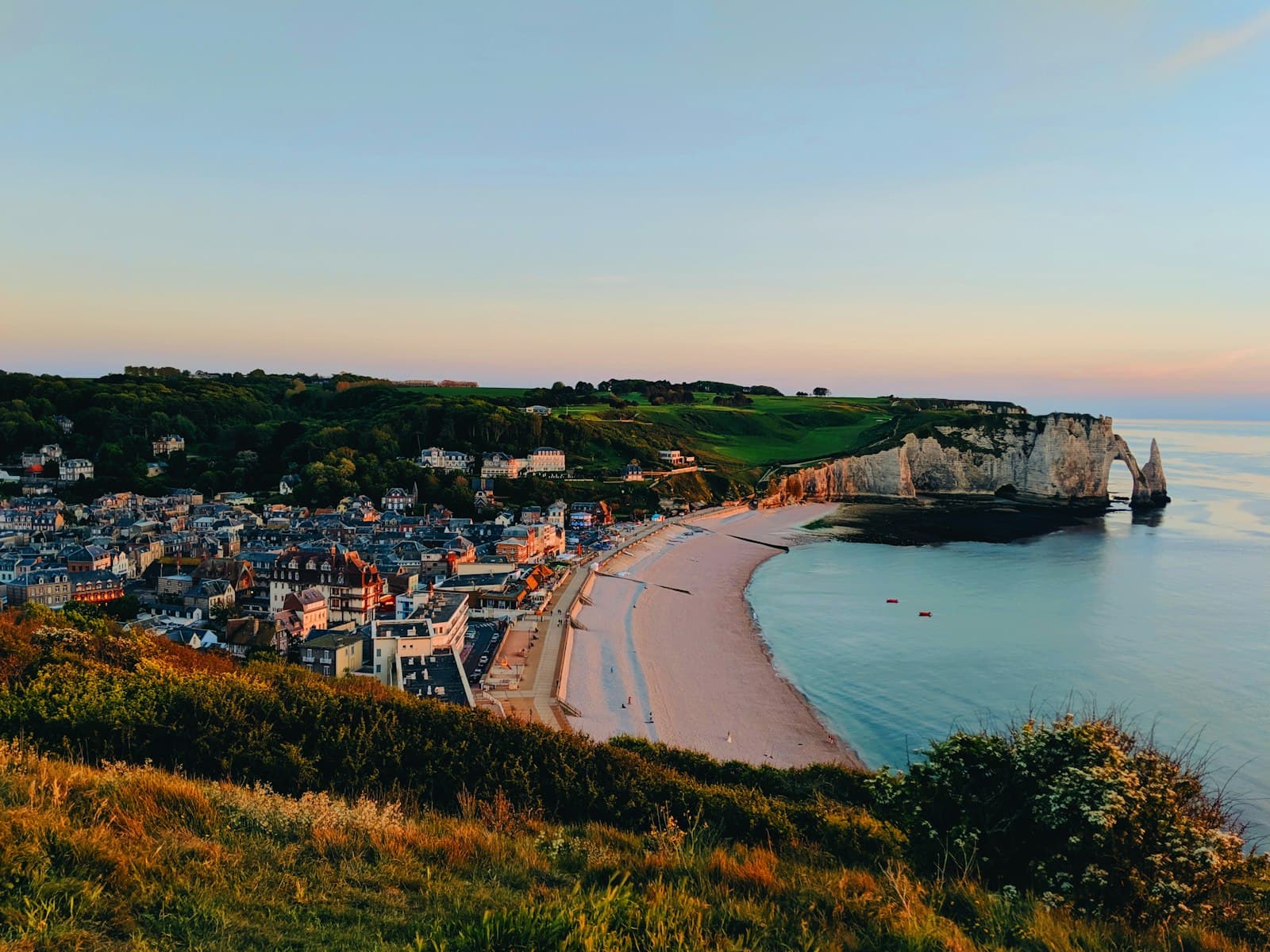
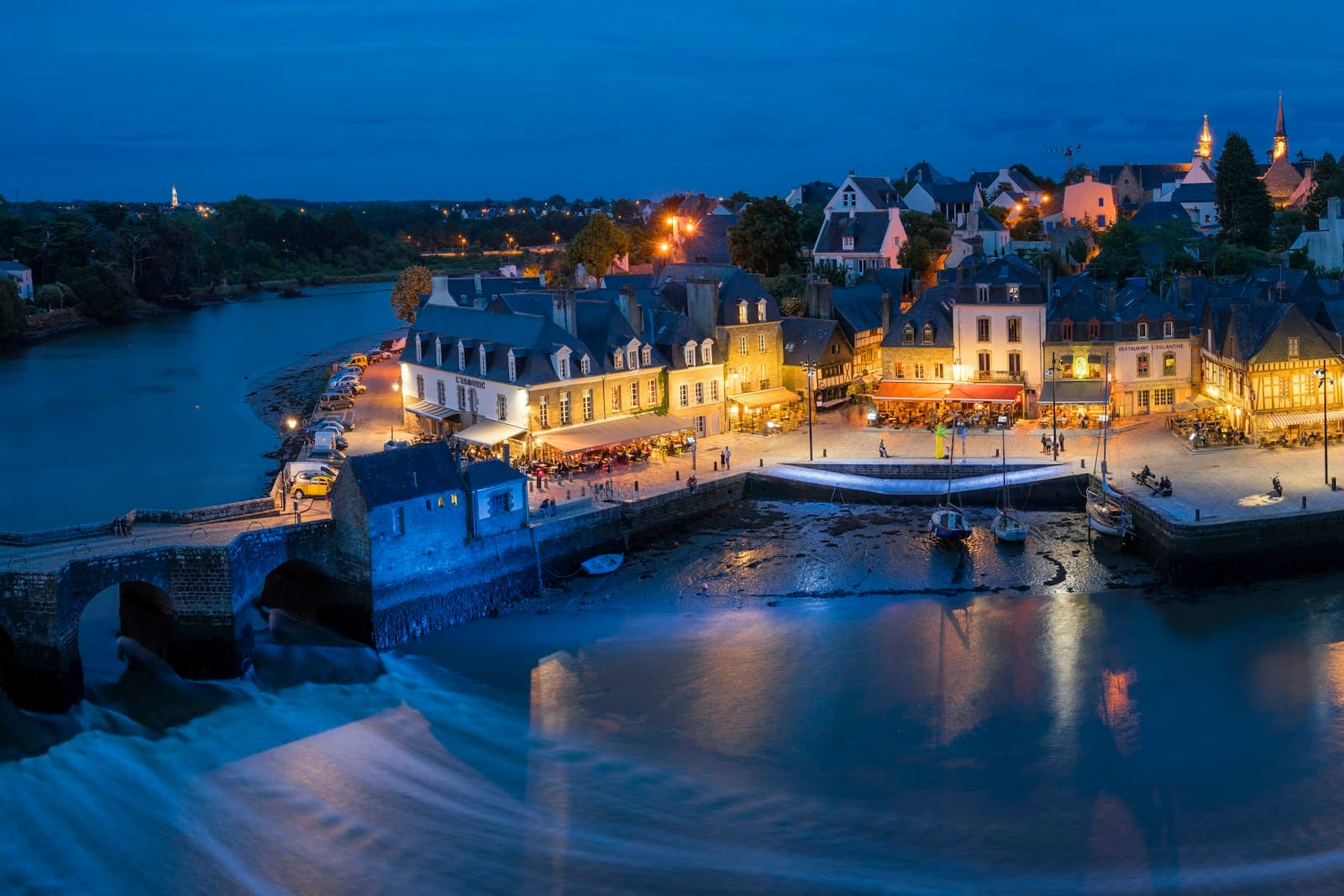
Votre visite audioguidée de Trouville-sur-Mer vous attend — choisissez vos lieux, votre langue, et lancez-vous dès votre arrivée.
AcheterLume intègre un guide en réalité augmentée. Levez votre téléphone : sa caméra montre la rue devant vous, avec une flèche lumineuse posée sur l'image réelle qui pointe toujours vers votre prochain arrêt — aucune carte à déchiffrer, aucun mauvais virage. Comme tout dans Lume, ça fonctionne entièrement hors-ligne.
Trouville-sur-Mer, une charmante ville balnéaire sur la Côte Fleurie normande, offre un mélange d'attrait côtier décontracté, d'élégance Belle Époque et d'une touche de nostalgie française à l'ancienne. Située à l'embouchure de la Touques, directement en face de sa voisine plus opulente Deauville, Trouville a conservé une atmosphère plus bohème et terre-à-terre. Autrefois un refuge prisé des artistes et écrivains du XIXe siècle, la ville conserve son âme artistique et offre une alternative rafraîchissante aux boutiques de luxe et aux casinos que l'on trouve à proximité.
Connue comme la « Reine des Plages » pour sa vaste étendue de sable, Trouville est une destination idéale pour ceux qui recherchent des fruits de mer frais, des promenades tranquilles le long de la côte et un goût authentique de la vie normande. Son port de pêche actif assure un approvisionnement constant en prises fraîches, facilement disponibles dans ses nombreux restaurants et directement sur le marché animé. Facilement accessible en train depuis Paris, Trouville est une escapade populaire pour une excursion d'une journée ou un week-end de détente.
Les origines de Trouville-sur-Mer remontent à l'époque romaine, lorsqu'elle était un petit port sur la Manche. Le nom « Trevilla » est une première attestation de la localité. En 1066, Guillaume le Conquérant, duc de Normandie, établit une motte féodale dans la région. Plus tard, en 1078, Richard de Normandie, également connu sous le nom de Richard Cœur de Lion, ordonna la construction d'un château fortifié, dont certains vestiges, comme le clocher, la porte de Caen et la « Tour Vauban », sont encore visibles aujourd'hui. Ce château servit de siège royal et de résidence privilégiée aux rois anglais.
Le roi de France Philippe Auguste fortifia davantage la ville avec un mur en 1214. Pendant des siècles, Trouville resta un paisible village de pêcheurs, sa vie étant liée à la mer. Cependant, son destin commença à changer en 1825 lorsque le peintre Charles Mozin la « découvrit ». Captivé par la lumière unique de la Manche et la plage accueillante, les peintures de Trouville de Mozin dans les salons parisiens attirèrent d'autres artistes, dont des figures notables comme Jean-Baptiste Camille Corot, Eugène Boudin et Claude Monet. Des écrivains tels qu'Alexandre Dumas, Gustave Flaubert et Marcel Proust succombèrent également à son charme, leurs éloges faisant connaître ce pittoresque village balnéaire.
L'arrivée de la ligne de chemin de fer Paris-Caen en 1860, avec l'ouverture de la gare Trouville-Deauville en 1864, marqua un moment charnière. Trouville se transforma rapidement en l'une des premières stations balnéaires de France, popularisée par l'élite parisienne. La popularité croissante des bains de mer pour leurs bienfaits perçus sur la santé alimenta encore sa croissance. Trouville se proclama audacieusement « La Plus Belle Plage du Monde ». Cette époque vit la construction d'élégantes villas, de grands hôtels et d'un casino en 1847 pour répondre à l'afflux de visiteurs. La promenade emblématique en bois, Les Planches, fut établie en 1867, devenant un lieu à la mode pour se promener et afficher les dernières modes.
Alors que Trouville prospérait, sa relation avec sa voisine plus jeune et plus opulente, Deauville, de l'autre côté de la Touques, devint complexe. Le développement de Deauville, mené par le Duc de Morny dans les années 1860, éclipsa initialement Trouville. Cependant, Trouville réussit à conserver son caractère distinct, plus authentique. La ville continua d'attirer des figures culturelles, Marguerite Duras résidant notamment dans l'ancien Hôtel Les Roches Noires. Aujourd'hui, Trouville-sur-Mer reste une destination prisée, célébrée pour son attrait durable et son lien avec son patrimoine maritime.
Commencez votre exploration par la Plage de Trouville, une vaste étendue de sable qui constitue le centre animé de la ville, surtout pendant les mois les plus chauds. Elle est idéale pour la baignade, les bains de soleil et les jeux de plage, et est bordée de parasols colorés et de villas de plage classiques de la Belle Époque. Promenez-vous le long de la Promenade des Planches, la promenade historique en bois datant de 1867, en admirant l'élégante architecture.
Le Marché aux Poissons de Trouville, situé directement sur le port, est une pierre angulaire de la vie locale. Installé dans un bâtiment néo-normand, il est ouvert tous les jours et offre une exposition animée de fruits de mer frais, avec de nombreux stands proposant la possibilité de déguster un plateau de fruits de mer sur place avec un verre de vin blanc. Promenez-vous dans les ruelles étroites derrière le port, un plaisir de s'y perdre, en découvrant de petites boutiques et des restaurants.
Pour une touche de culture, visitez le Musée Villa Montebello, qui présente l'histoire de la thalassothérapie de Trouville et des œuvres d'artistes qui ont fréquenté la station, y compris des peintures et des affiches originales de Raymond Savignac. Cherchez les fresques de Savignac disséminées dans la ville. Le Casino Barrière de Trouville, un impressionnant bâtiment Belle Époque surplombant la mer, offre divertissement, restauration et un aperçu du passé glamour de la ville.
Ne manquez pas les marchés en plein air actifs qui ont lieu tous les mercredis et dimanches le long de la Rue des Bains, où vous pouvez trouver des produits locaux, des fromages et des produits artisanaux. Un marché biologique dédié a également lieu le samedi matin près du marché aux poissons.
La meilleure période pour visiter Trouville-sur-Mer pour un temps agréable et une activité animée se situe entre mai et septembre. En juillet et août, la ville est à son apogée, avec des événements sur la plage, des concerts en plein air et des marchés animés. Pour ceux qui préfèrent un temps plus doux et moins de foule, le printemps et le début de l'automne offrent un rythme plus détendu. Les mois les plus chauds sont généralement de juin à septembre, avec des températures moyennes allant de 21°C à 23°C. Bien que l'hiver soit plus calme, il conserve un certain attrait, surtout pendant la période des fêtes.
Trouville-sur-Mer est facilement explorable à pied, avec son centre-ville compact et ses principales attractions accessibles à pied. Des trains directs relient Trouville à la Gare Saint-Lazare à Paris, avec un temps de trajet d'environ deux heures. L'Office de Tourisme, situé au 32 Boulevard Fernand-Moureaux, peut fournir des informations aux visiteurs et des brochures pour des visites à pied autoguidées. Des banques avec des distributeurs automatiques de billets sont disponibles le long du Boulevard Fernand Moureaux, de la Rue Victor Hugo et de la Place Foch. Des pharmacies sont également facilement accessibles, comme la Pharmacie Centrale du Port au 138 Boulevard Fernand Moureaux. Pour traverser à Deauville, un petit ferry piétonnier fonctionne à marée haute (tous les jours de mars à septembre ; week-ends et jours fériés d'octobre à février) ou vous pouvez utiliser le pont permanent des Belges, à 10-15 minutes à pied. Des locations de vélos et de scooters sont également disponibles à Trouville.
Trouville-sur-Mer en coréen, en chinois ou en hébreu — et dans 29 autres langues, chaque étape narrée par une voix native. La plus large gamme de langues de tous les audioguides autoguidés.
Disponible en :