O Wakihonjin Okuya
Esta pousada secundária, reconstruída em 1877, guarda um segredo sobre seu material de construção que desafiou as regras de sua época.
História completa desbloqueada no tour
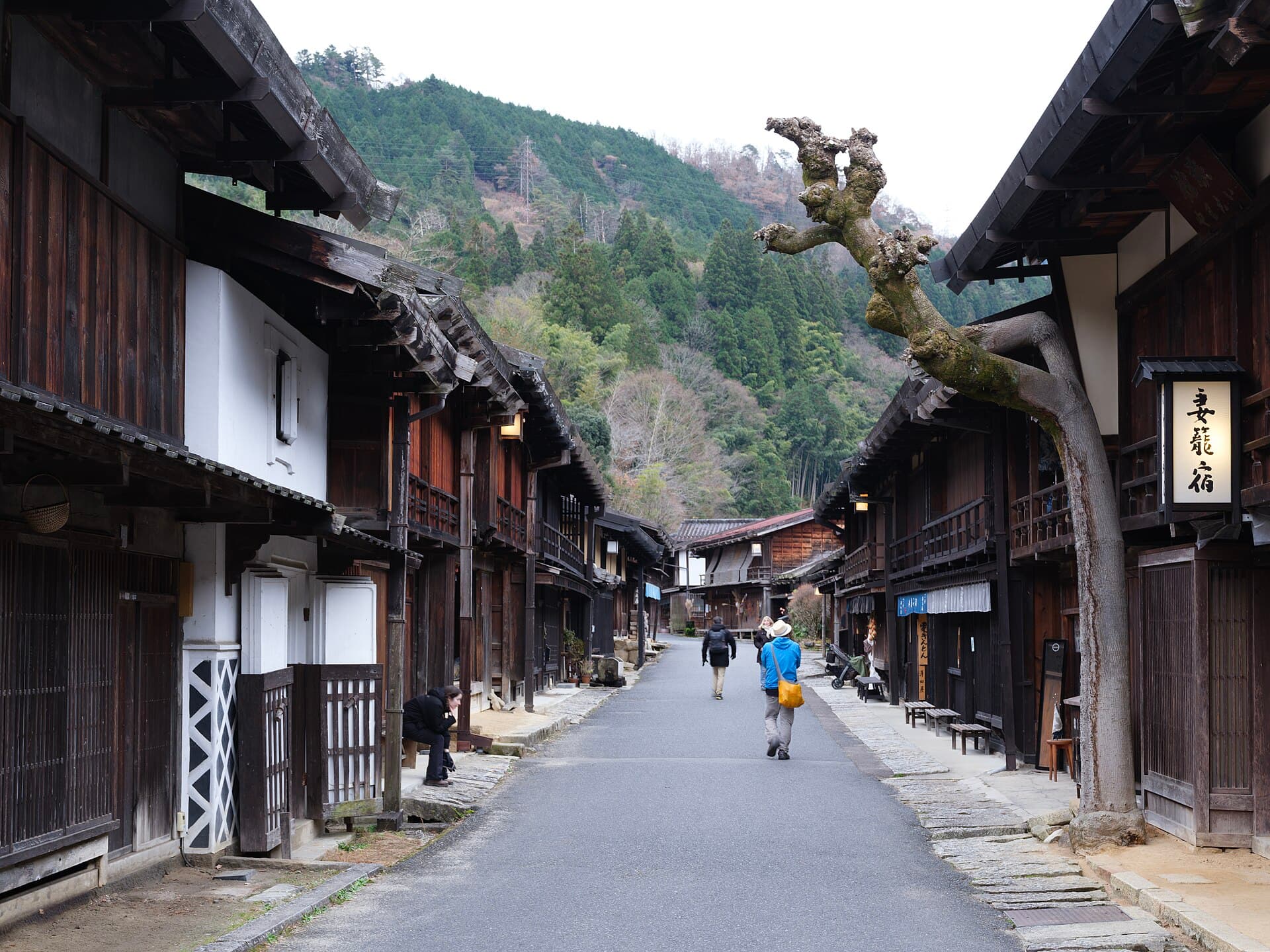 Chensiyuan / CC BY-SA 4.0, via Wikimedia Commons
Tour de áudio autoguiado por Tsumago — rota GPS a pé, reprodução offline, narração envolvente em 32 idiomas.
“Caminhe pelo Japão da era Edo, onde trilhas antigas convidam à contemplação tranquila.”
Não os postais. As histórias que nem os locais conhecem — sussurradas ao seu ouvido, exatamente onde aconteceram.
Esta pousada secundária, reconstruída em 1877, guarda um segredo sobre seu material de construção que desafiou as regras de sua época.
Ao longo desta sinuosa trilha de caminhada, você pode descobrir um memorial único que geralmente homenageia um tipo diferente de viajante.
Ao passear pelas ruas preservadas, você notará uma clara ausência de infraestrutura moderna, uma escolha deliberada com uma origem surpreendente.
Descubra cada segredo de Tsumago
Cada endereço, cada revelação na íntegra — no seu ouvido, exatamente onde aconteceu.
Você escolhe as suas paragens. Você caminha. A voz revela o que os outros perdem.


O seu tour áudio autoguiado de Tsumago está pronto — escolha os seus pontos de interesse, selecione o seu idioma e comece no momento em que chegar.
ComprarA Lume inclui um guia de realidade aumentada. Levante o telemóvel: a câmara mostra a rua à sua frente, com uma seta luminosa sobreposta à imagem real que aponta sempre para a sua próxima paragem — sem mapa para decifrar, sem voltas erradas. Como tudo na Lume, funciona totalmente offline.
Tsumago-juku, uma cidade postal meticulosamente preservada no Vale Kiso, no Japão, oferece um vislumbre raro do período Edo do país (1603-1868). Foi a 42ª de 69 estações ao longo da rota Nakasendo, uma rodovia vital que conectava Edo (atual Tóquio) e Kyoto. Tsumago fornecia alojamento e serviços essenciais para viajantes, incluindo samurais, mercadores e peregrinos. Hoje, o compromisso da cidade em recriar o ambiente dessa era passada é evidente em seus edifícios de madeira cuidadosamente mantidos, utilidades modernas ocultas e rua principal sem carros durante o dia.
Entrar em Tsumago é como uma jornada imersiva no tempo, um museu vivo onde os sons de rodas d'água e o ranger de pisos de madeira transportam os visitantes a séculos passados. Os esforços de preservação da cidade, iniciados por moradores locais no final da década de 1960, estabeleceram um precedente para a conservação de paisagens urbanas históricas no Japão. Essa dedicação garante que Tsumago permaneça uma experiência tranquila e autêntica, convidando à exploração de sua arquitetura tradicional, artesanato local e serenos arredores naturais.
Durante o período Edo, Tsumago-juku floresceu como uma cidade postal crucial na Nakasendo, também conhecida como Kisoji, uma importante rota interior que atravessa a região montanhosa de Kiso. Esta rota serviu como uma artéria principal para comunicação e comércio entre a capital imperial de Kyoto e a sede do xogunato em Edo. A localização estratégica de Tsumago, no cruzamento das rodovias Nakasendo e Iida, contribuiu para sua prosperidade, com registros de 1843 indicando 31 pousadas e uma população de aproximadamente 418 pessoas.
As fortunas da cidade mudaram drasticamente com o advento da ferrovia no final do século XIX. A construção da Linha Principal Chuo contornou Tsumago, levando a um declínio em sua importância como cidade postal e a um período de negligência e pobreza. Muitos edifícios históricos caíram em desuso, e a comunidade enfrentou a ameaça de decadência rural.
No final da década de 1960, moradores locais reconheceram os inestimáveis bens históricos de Tsumago e iniciaram um movimento de preservação inovador. Em 1968, os esforços começaram para restaurar sítios e estruturas históricas, com cerca de 20 casas restauradas até 1971. Uma carta foi estabelecida, estipulando que nenhuma propriedade em Tsumago deveria ser 'vendida, alugada ou destruída', um testemunho do compromisso da comunidade. Essa dedicação levou à designação de Tsumago em 1976 como um dos primeiros Distritos de Preservação Nacionalmente Importantes para Grupos de Edifícios Tradicionais do Japão. O sucesso da cidade em preservar sua aparência do período Edo, incluindo o ocultamento de linhas de energia modernas e a proibição de carros na rua principal durante o dia, a tornou um modelo para outras cidades históricas no Japão.
Passeie pela rua principal, onde edifícios tradicionais de madeira abrigam lojas, restaurantes e pousadas, todos meticulosamente preservados para refletir o período Edo. Visite o Honjin, a pousada principal para oficiais de alta patente, reconstruída com sua aparência dos anos 1830, e o Wakihonjin Okuya, uma pousada secundária que acomodava oficiais de menor status, que mantém sua estrutura original do século XIX. Ambos agora funcionam como museus, exibindo artefatos e documentos históricos. O Museu da Cidade de Nagiso, adjacente ao Wakihonjin Okuya, oferece insights sobre a história de Nagiso e da região de Kiso, incluindo o movimento de preservação da cidade. Explore Kami-Sagaya, um edifício de meados do século XVIII que já foi uma pousada de baixo custo, oferecendo um vislumbre da vida cotidiana das pessoas comuns durante o período Edo. Não perca o Kousatsuba (Quadro de Avisos), um imponente quadro de madeira que exibia decretos do xogunato. Para vistas panorâmicas de Tsumago e do vale circundante, caminhe até as ruínas do Castelo de Tsumago, que desempenhou um papel na 'Batalha do Castelo de Tsumago' de 1584. O Templo Kotoku, um templo budista que se acredita ter sido construído em 1500, oferece uma parada agradável e serena. Logo fora da cidade, as cachoeiras Otake e Medaki, também conhecidas como 'Cachoeiras Masculinas' e 'Cachoeiras Femininas', dizem ter sido usadas para rituais de purificação.
As épocas mais agradáveis para visitar Tsumago são durante a primavera (março a maio) e o outono (setembro a novembro), quando o clima é ameno e a paisagem é particularmente vibrante. O verão pode ser quente e úmido, enquanto o inverno traz ar fresco, manhãs geladas e neve ocasional, oferecendo uma experiência tranquila e reflexiva com ruas iluminadas por lanternas. Para evitar multidões, considere visitar pela manhã ou à noite durante a semana.
Tsumago é acessível por ônibus da Estação JR Nagiso, com uma viagem de ida levando cerca de sete minutos e custando 300 ienes. Táxis também estão disponíveis. Alternativamente, uma trilha marcada conecta a Estação Nagiso a Tsumago em cerca de uma hora. Para aqueles que chegam de Nagoya, pegue o JR Shinano Limited Express para a Estação Nagiso. Se você planeja caminhar pela popular trilha de 8 quilômetros entre Tsumago e Magome, um serviço de entrega de bagagem está disponível de final de março a novembro por 1.000 ienes por peça, permitindo uma caminhada mais leve. Muitas lojas e restaurantes em Tsumago aceitam apenas dinheiro, portanto, é aconselhável carregar ienes suficientes. Wi-Fi gratuito e armários de moedas estão disponíveis no Centro de Informações Turísticas de Tsumago e no Estacionamento nº 1.
Tsumago — coreano, chinês, hebraico e mais 29 idiomas, cada parada narrada por uma voz nativa. A maior variedade de idiomas entre os passeios de áudio autoguiados.
Disponível em: