The most important document in Argentine history was signed here, but the room where it all happened wasn't always part of the original house.
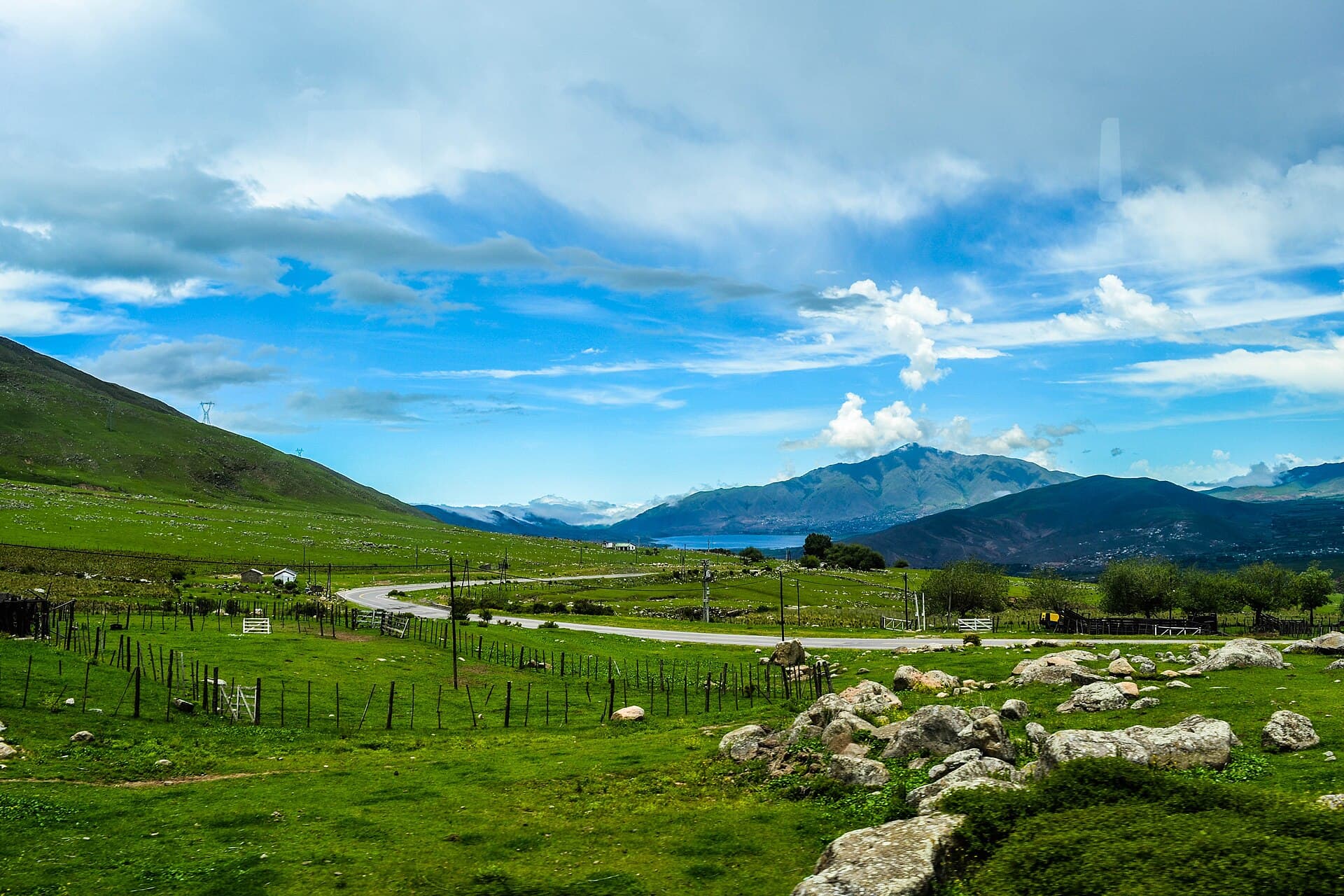
TitiNicola / CC BY-SA 4.0, via Wikimedia CommonsTucumán
“Where the whispers of independence still echo in the sugarcane fields.”
Tucumán, as no one tells it.
Not the postcards. The stories even locals don't know — whispered in your ear, right where they happened.
This sprawling urban park has a surprising connection to a French urban planner and a very specific type of tree.
Beyond the bustling stalls and local produce, this market once served a very different, more strategic purpose.
Discover every secret of Tucumán
Every address, every reveal in full — in your ear, right where it happened.
You pick your stops. You walk. The voice reveals what the others miss.
How long do you have in Tucumán?
No tours available yet. Check back soon — we're preparing them.
The story of Tucumán
San Miguel de Tucumán, often simply called Tucumán, is the capital city of the Tucumán Province, in the northwest of Argentina. Known as 'El Jardín de la República' (The Garden of the Republic) due to its lush landscapes and pleasant climate, the city holds a pivotal place in Argentine history. It was here, on July 9, 1816, that Argentina declared its independence from Spain, a foundational event commemorated at the iconic Casa Histórica de la Independencia.
The city serves as a vital economic and cultural hub for the region, surrounded by fertile plains that are dominated by sugarcane cultivation. This agricultural heritage is deeply intertwined with Tucumán's identity, influencing its cuisine, traditions, and the rhythm of daily life. Beyond its historical significance, Tucumán offers an animated urban experience with a blend of colonial architecture, active markets, and spirited plazas, reflecting its enduring role as a significant Argentine city.
The Cradle of Argentine Independence
Tucumán's history is inextricably linked with the birth of Argentina as an independent nation. Founded in 1565 by Diego de Villarroel, the city was initially established in what is now the town of Ibatín before being moved to its current location in 1685 due to issues with water supply and hostile indigenous groups. Its strategic position along trade routes between the Río de la Plata and the Upper Peru (modern-day Bolivia) saw it grow into an important commercial center during the colonial era.
However, it was in the early 19th century that Tucumán truly etched its name into the annals of Argentine history. As the fervor for independence from Spanish rule swept across South America, representatives from the United Provinces of the Río de la Plata convened in Tucumán. The city was chosen for its central location and its relative safety from Spanish loyalist forces. On July 9, 1816, in a modest house on what is now Calle Congreso, the Declaration of Independence was signed, formally severing ties with Spain and marking the birth of Argentina. This act transformed Tucumán into a symbol of national sovereignty.
Following independence, Tucumán continued to prosper, largely driven by its burgeoning sugar industry. The arrival of the railway in the late 19th century further boosted its economic development, facilitating the transport of sugar and other agricultural products. This period saw significant urban growth and the construction of many of the city's most emblematic buildings, reflecting a blend of colonial and European architectural influences. The city also played a role in the Argentine Civil Wars, often aligning with the Unitarian cause. Throughout the 20th century, Tucumán remained a crucial agricultural and industrial center, while preserving its historical legacy as the 'Cradle of Independence.'
Begin your exploration at the Casa Histórica de la Independencia, the modest colonial house where Argentina declared its independence. The museum offers insights into the events of 1816. Just a few blocks away, the Plaza de la Independencia is the city's main square, framed by significant buildings like the Government House (Casa de Gobierno), an impressive example of Art Nouveau architecture, and the Cathedral Basilica of Our Lady of the Incarnation, with its neoclassical facade.
For a taste of local life, visit the Mercado del Norte, an active market offering fresh produce, regional specialties, and handicrafts. Art enthusiasts can explore the Museo Provincial de Bellas Artes Timoteo Navarro, showcasing Argentine art. Don't miss a stroll through Parque 9 de Julio, a large urban park designed by Charles Thays, featuring a lake, rose garden, and the historic Museo de la Industria Azucarera (Museum of the Sugar Industry) housed in the former San Pablo sugar mill.
The best time to visit Tucumán is during the autumn (March to May) and spring (September to November) months. During these periods, the weather is mild and pleasant, with comfortable temperatures for exploring the city and its surroundings. Summers (December to February) can be very hot and humid, while winters (June to August) are generally dry and mild, though evenings can be cool.
Tucumán is well-connected by air, with Teniente General Benjamín Matienzo International Airport (TUC) serving domestic flights and some regional connections. The city center is walkable, but for longer distances, taxis and ride-sharing services are readily available. Public buses also operate throughout the city. The local currency is the Argentine Peso (ARS). While credit cards are accepted in many establishments, it's advisable to carry some cash for smaller purchases and markets. Spanish is the official language, and while some English may be spoken in tourist-oriented areas, knowing a few basic Spanish phrases will enhance your experience.
- What is Tucumán known for?
- Tucumán is primarily known as the 'Cradle of Argentine Independence' due to the signing of the Declaration of Independence here in 1816. It is also famous for its sugarcane production and is often called 'The Garden of the Republic' for its lush landscapes.
- How do I get to Tucumán?
- You can fly into Teniente General Benjamín Matienzo International Airport (TUC), which has domestic flights from Buenos Aires and other major Argentine cities, as well as some regional connections. Long-distance buses are also a common and affordable way to reach Tucumán from various parts of Argentina.
- What local dishes should I try in Tucumán?
- Be sure to try 'empanadas tucumanas,' which are distinct from other Argentine empanadas due to their juicy, hand-cut meat filling and often a spicier flavor. 'Milanesa a caballo' (breaded steak with a fried egg) and 'locro' (a hearty stew) are also popular.
- Is Tucumán safe for tourists?
- Like any large city, it's advisable to be aware of your surroundings, especially at night. However, Tucumán is generally considered safe for tourists, particularly in the main tourist areas and during the day. Standard precautions apply, such as safeguarding valuables.
- What is the significance of the sugarcane industry in Tucumán?
- The sugarcane industry has been the backbone of Tucumán's economy for centuries. It shaped the region's development, leading to significant wealth and infrastructure growth, and continues to be a major agricultural activity, influencing local culture and cuisine.
- Are there any day trips from Tucumán?
- Yes, popular day trips include Tafí del Valle, a picturesque mountain town known for its cheese and pre-Incan ruins, and the Jesuit Estancias of Córdoba, a UNESCO World Heritage site (though this is a longer day trip). The Quilmes Ruins, an ancient indigenous city, are also accessible.