El Manantial Chalybeate
El manantial que dio origen a Tunbridge Wells fue descubierto por un noble que se recuperaba de una noche de indulgencia.
La historia completa se desbloquea en el tour
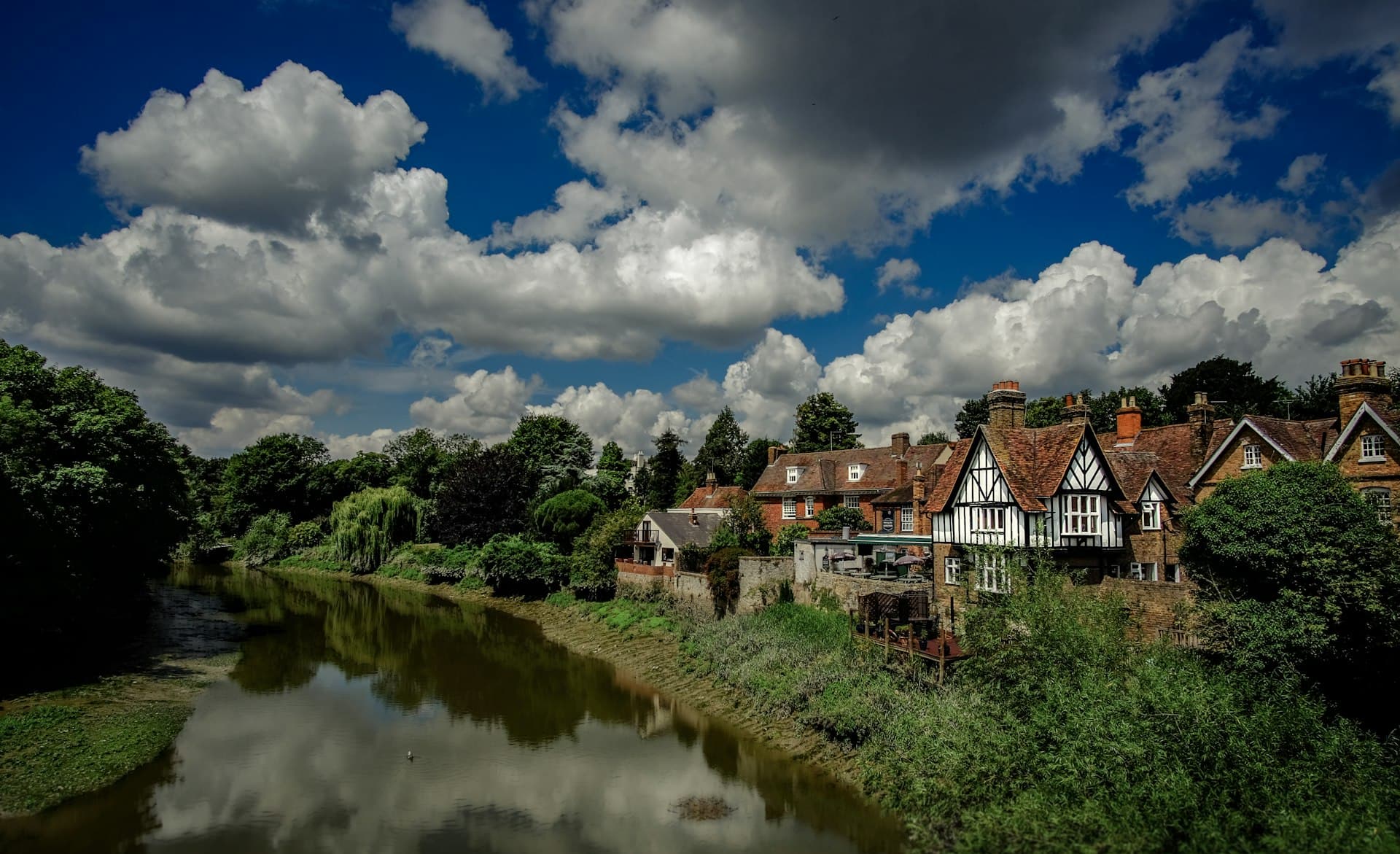 Photo: Zoltan Tasi / Unsplash
Tour de audio autoguiado de Tunbridge Wells — ruta GPS a pie, reproducción offline, narración en 32 idiomas.
“Donde la elegancia georgiana se encuentra con manantiales naturales y una tranquila intriga.”
No las postales. Las historias que ni los locales conocen — al oído, justo donde ocurrieron.
El manantial que dio origen a Tunbridge Wells fue descubierto por un noble que se recuperaba de una noche de indulgencia.
La distintiva pasarela pavimentada de The Pantiles debe su existencia a un percance real.
Los nombres bíblicos de algunas colinas de Tunbridge Wells fueron una ingeniosa estrategia de marketing.
Descubre todos los secretos de Tunbridge Wells
Cada dirección, cada revelación al completo — a tu oído, justo donde ocurrió.
Eliges tus paradas. Caminas. La voz te revela lo que los demás ignoran.


Tu tour de audioguía por Tunbridge Wells te espera — elige tus lugares, tu idioma y empieza al llegar.
ComprarLume incluye una guía de realidad aumentada. Levanta el móvil y su cámara muestra la calle que tienes delante, con una flecha luminosa sobre la imagen real que siempre apunta a tu próxima parada — sin mapas que descifrar, sin giros equivocados. Como todo en Lume, funciona completamente sin conexión.
Royal Tunbridge Wells, a menudo llamado simplemente Tunbridge Wells, es una histórica ciudad balneario en Kent, Inglaterra, aproximadamente a 30 millas al sureste del centro de Londres. Se asienta en el borde norte de High Weald, un Área de Destacada Belleza Natural, caracterizada por formaciones rocosas de arenisca como High Rocks. La historia de la ciudad comenzó en 1606 con el descubrimiento de su manantial chalybeate, cuyas aguas ricas en hierro se creía que poseían propiedades restauradoras.
Este descubrimiento transformó Tunbridge Wells en un balneario de moda, atrayendo a la realeza y la alta sociedad, particularmente durante la era georgiana. La elegante arquitectura de la ciudad, sus verdes parques y su escena cultural reflejan su herencia balnearia, ofreciendo una mezcla de carácter histórico y comodidades modernas. Hoy en día, sigue siendo un destino favorito para aquellos que buscan una escapada de ocio, con sus paseos columnados, boutiques independientes y acceso a un pintoresco campo.
La historia de Tunbridge Wells está profundamente conectada con su manantial chalybeate, descubierto en 1606 por Dudley Lord North, un noble que encontró sus aguas ricas en hierro vigorizantes. Este descubrimiento se extendió rápidamente, y para 1630, la Reina Enriqueta María, esposa del Rey Carlos I, visitó los manantiales durante seis semanas, residiendo en opulentas tiendas debido a la falta de alojamiento local. Este patrocinio real ayudó a establecer la ciudad como un balneario, atrayendo a un número creciente de visitantes que buscaban los supuestos beneficios medicinales de las aguas.
En 1638, se trazaron 'The Walks', un paseo con dos hileras de árboles, donde los comerciantes comenzaron a instalar puestos. Después de un incendio en 1687 que destruyó muchos de los edificios de madera, estos fueron reconstruidos con las distintivas columnatas que caracterizan The Pantiles hoy. El nombre 'The Pantiles' en sí surgió alrededor de 1699, después de que la Reina Ana proporcionara fondos para pavimentar los resbaladizos caminos con baldosas de arcilla de fabricación local. A principios del siglo XVIII, el plan de calles de la ciudad tomó forma, y para 1703, The Grove fue donado como parque público. Richard 'Beau' Nash, un prominente dandi y socialite, se convirtió en Maestro de Ceremonias en 1736, orquestando bailes y eventos sociales que consolidaron el estatus de Tunbridge Wells como un centro de moda hasta principios del período de la Regencia.
Aunque su popularidad como balneario disminuyó con el auge de los balnearios costeros, Tunbridge Wells continuó creciendo. El siglo XIX trajo un desarrollo significativo, incluida la llegada del ferrocarril en 1845, que hizo la ciudad más accesible desde Londres. En 1889, Tunbridge Wells se convirtió en un municipio, y en 1909, el Rey Eduardo VII le otorgó el prestigioso prefijo 'Royal', reconociendo su larga asociación con la familia real. Durante este período, la ciudad también fue conocida por 'Tunbridge Ware', una forma única de marquetería de madera incrustada. La arquitectura de la ciudad muestra esta evolución, con edificios georgianos, victorianos y eduardianos bien conservados que contribuyen a su carácter distintivo.
Comience su exploración en The Pantiles, el corazón histórico de la ciudad. Este paseo georgiano con columnatas, antes 'The Walks', era donde los visitantes 'tomaban las aguas' del Manantial Chalybeate. Hoy en día, alberga tiendas independientes, galerías de arte, cafeterías y restaurantes, con bandas de jazz a menudo tocando en el quiosco de música durante el verano. Todavía se puede probar el agua del manantial rica en hierro, a veces servida por un 'Dipper' disfrazado en los meses más cálidos.
Más allá de The Pantiles, explore el Tunbridge Wells Common, una extensa área de brezales y bosques ideal para pasear y hacer picnics. Aquí, encontrará las llamativas formaciones de arenisca de Wellington Rocks, populares para la escalada. Otro espacio verde es Dunorlan Park, un parque victoriano con amplias laderas cubiertas de hierba, un lago para pasear en bote y vistas de Weald. Para una inmersión más profunda en la historia y el arte local, visite el Tunbridge Wells Museum & Art Gallery, que alberga la colección más grande del mundo de Tunbridge Ware. La ciudad también ofrece una variedad de estilos arquitectónicos, desde casas adosadas georgianas hasta villas victorianas, particularmente alrededor de Calverley Park Crescent y Mount Sion.
La época más agradable para visitar Tunbridge Wells para actividades al aire libre y un clima confortable es desde finales de junio hasta principios de septiembre. Durante estos meses de verano, las temperaturas máximas diarias promedio superan los 18°C (65°F), siendo julio el mes más cálido, con un promedio de 20°C (69°F). La primavera y el verano ofrecen paisajes brillantes y actividades agradables, con flores silvestres en flor y oportunidades para caminar y andar en bicicleta. Si bien la lluvia es posible durante todo el año, generalmente es ligera y se distribuye de manera uniforme. El invierno es fresco pero templado, con temperaturas promedio en enero de alrededor de 4.9°C.
Tunbridge Wells es fácilmente accesible en tren desde Londres, con servicios regulares desde Charing Cross, London Bridge y Cannon Street que tardan aproximadamente una hora. Para aquellos que conducen, la ciudad está bien conectada por la carretera principal A21. Hay estacionamiento disponible en varias ubicaciones del centro de la ciudad.
El centro de la ciudad es transitable, especialmente alrededor de The Pantiles y los parques. Sin embargo, un coche puede ser útil para explorar los pueblos y el campo circundantes. El transporte público dentro de la ciudad se realiza en autobuses y taxis. El alojamiento varía desde hoteles de lujo hasta encantadores bed and breakfasts. Es aconsejable hacer reservas en restaurantes, especialmente los fines de semana. El clima es templado y cambiante, por lo que se recomienda llevar capas y un paraguas o impermeable.
Tunbridge Wells en coreano, en chino o en hebreo — y 29 idiomas más, cada parada narrada por una voz nativa. La mayor variedad de idiomas de cualquier audioguía autoguiada.
Disponible en: