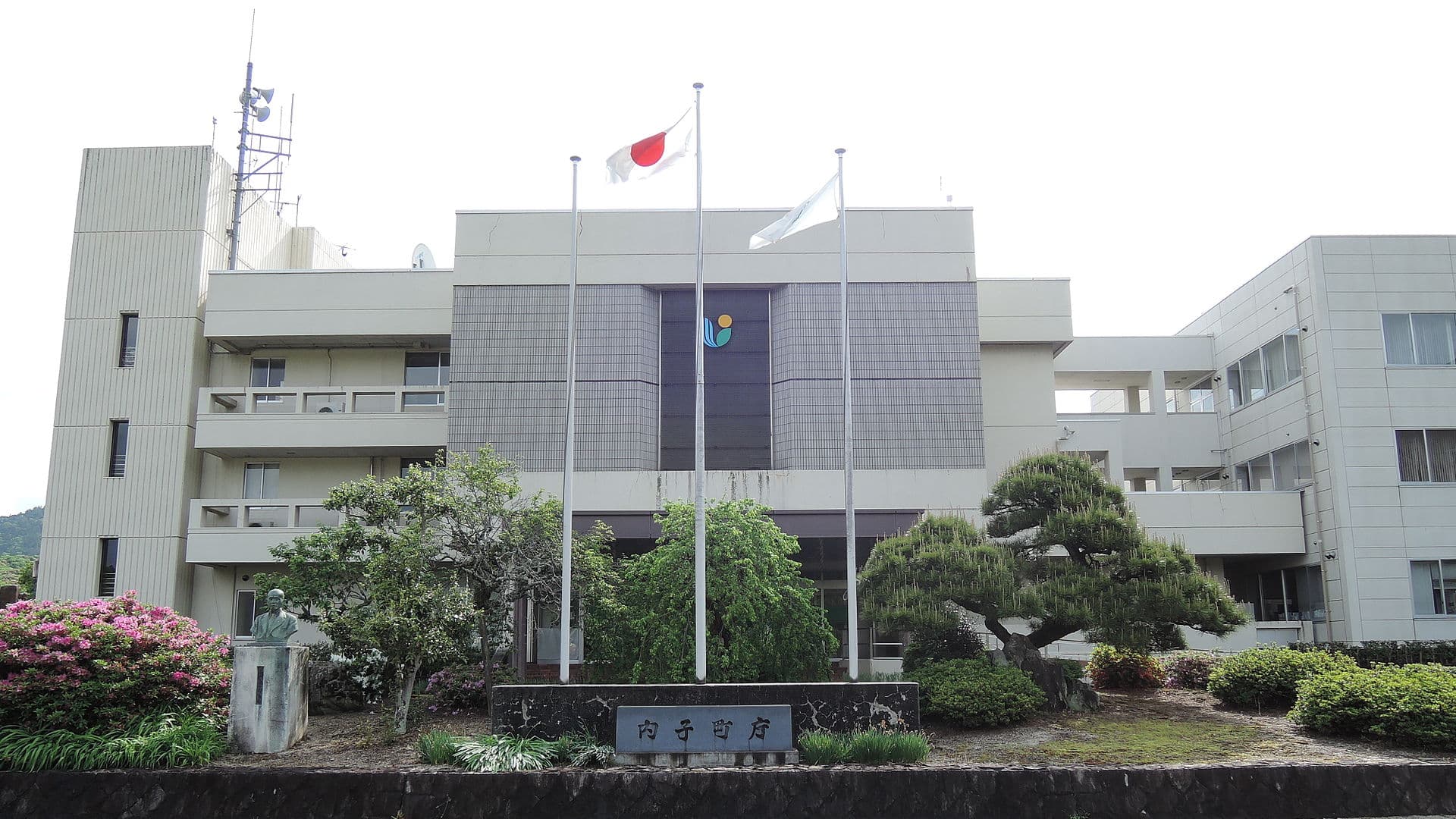
Uchiko, Japanアラツク / CC BY-SA 4.0, via Wikimedia Commons
JP

Uchiko

Where time slows, and echoes of merchant prosperity linger.

The secrets of Uchiko

Uchiko, as no one tells it.

Not the postcards. The stories even locals don't know — whispered in your ear, right where they happened.

3 secrets below. Many more wait inside the tour.
Uchiko-za Theater

This historic kabuki theater, constructed in 1916, conceals a secret beneath its stage.

Full story unlocks in the tour
Omori Japanese Candle Shop

At Uchiko's final traditional candlemaker, the flame itself reveals a distinctive characteristic.

Full story unlocks in the tour
Kamihaga Residence

Beyond its grand exterior, this former wax merchant's dwelling unveils an unexpected architectural detail.

Full story unlocks in the tour
The full tour

Discover every secret of Uchiko

Every address, every reveal in full — in your ear, right where it happened.

Get the key to Uchiko

You pick your stops. You walk. The voice reveals what the others miss.

Choose your time

How long do you have in Uchiko?

No tours available yet. Check back soon — we're preparing them.

About Uchiko

The story of Uchiko

Uchiko, a tranquil town in Ehime Prefecture on Shikoku island, offers a tangible journey into Japan's past. Approximately 40 kilometers southwest of Matsuyama, this former center of wax and paper production retains a beautifully preserved historic district. The town's atmosphere evokes a sense of stepping back in time, with traditional wooden buildings from the late Edo and early Meiji periods lining its thoroughfares.

Designated an "Important Traditional Construction Preservation Area," Uchiko's Yokaichi and Gokoku districts display the affluence that defined the town over a century ago. Visitors can wander through these historical streetscapes, where former merchant houses, museums, tea houses, and craft shops invite exploration. It's a place where the quiet allure of rural Japan is palpable, offering a peaceful counterpoint to the country's bustling metropolises.

Uchiko's dedication to preserving its cultural heritage is evident in its meticulously maintained residences and the active use of its historic Uchiko-za Theater for traditional performances. The town provides a unique opportunity to witness traditional Japanese crafts firsthand and to understand the industries that shaped its identity.

History

From Modest Beginnings to Wax Magnates

For much of its early existence, Uchiko was a modest rest stop along the Ozu Highway. However, its fortunes began to shift dramatically in the late Edo Period (1603-1868) with the burgeoning production of local paper and, more significantly, wax. The cultivation of haze (sumac) trees in the surrounding hills provided the raw material for a thriving wax industry. In 1738, experts from Hiroshima were brought in to share their knowledge of wax production from haze berries, laying the groundwork for Uchiko's future prosperity.

The Golden Age of Wax and Paper

The 1800s marked Uchiko's golden age, as improvements in wax production techniques led to a high-quality product suitable for both domestic use and export. A local man named Haga is credited with discovering a method for producing pure, white wax, which further propelled Uchiko to prominence. At its peak, Uchiko was responsible for approximately 30% of Japan's wax production. This high-quality Japanese wax was even displayed and awarded prizes at international trade shows, including the Chicago World's Fair in 1894 and the Paris World Expo in 1900.

The immense wealth generated by the wax trade allowed local merchants to construct elaborate homes and public buildings, many of which still stand today. The Kamihaga Residence, built in 1894, is a prime example of the opulent architecture from this period, serving as both a residence and a wax-making workshop. The Honhaga Residence, completed in 1889 by the town's wealthiest merchant family, also showcases lavish decorations. Beyond wax, Uchiko was also a significant center for washi paper production, with its history tracing back to the Heian Period (794-1185). The local Ozu Washi, known for its fineness and evenness, became highly regarded, particularly for calligraphy.

Preservation and Modern Revival

The introduction of petroleum-derived paraffin wax and electricity in the early 20th century led to a decline in demand for traditional plant-based wax and candles, causing Uchiko's wax industry to fade. However, in the 1970s and 1980s, grassroots preservation efforts emerged to protect the town's historic district. The Uchiko-za Theater, a grand kabuki theater built in 1916, was saved from demolition and restored in 1985, becoming a symbol of the town's commitment to its cultural past. Today, Uchiko's preserved townscape continues to draw visitors, offering a window into its prosperous past and a testament to the community's dedication to its heritage.

What to see

Begin your exploration in the Yokaichi Old Town district, a 600-meter stretch of preserved merchant houses and historic buildings that offer a glimpse into Uchiko's prosperous past. Many of these traditional structures now house shops, museums, and cafes.

Visit the Kamihaga Residence and Wax Museum, an elegant former home of a prominent wax producer. Here, you can explore the architecture and learn about the history of Uchiko's wax industry. Also, seek out the Honhaga Residence, another grand merchant house, impressive from its exterior.

A highlight is the Uchiko-za Theater, a full-scale kabuki theater built in 1916. While it may be closed for renovations until 2029, you can often tour its interior, including the revolving stage, concealed tunnels, and trapdoors. For a hands-on experience, consider a workshop at Uchiko no Wa, where you can try making traditional Japanese crafts like lanterns, candles, or paper.

Do not overlook the Omori Japanese Candle Shop, Uchiko's last traditional candlemaker, where you can observe the intricate process of handmade candle production. For a deeper dive into the town's history, the Uchiko History Museum provides insights into the lives of its former residents.

When to visit

Uchiko offers a pleasant visit throughout the year. Spring, particularly late March to early April, is ideal for cherry blossom viewing. Summer brings the lively Uchiko Sasa Matsuri at the beginning of August, with streets adorned in colorful streamers. Autumn provides agreeable weather and potentially lively fall foliage. Visiting in the early morning or late evening allows for a more tranquil experience of the historic district, avoiding daytime crowds. Winter mornings can even offer views of a "sea of clouds" from elevated points.

Practical

Uchiko is easily accessible from Matsuyama, Ehime Prefecture's capital. Take the JR Yosan limited express train from Matsuyama JR Station, a journey of approximately 25-30 minutes. From Uchiko Station, the Yokaichi Old Town area is about a 15-20 minute walk. On weekends and holidays, the Chagamaru Retro Bus provides convenient transportation to major tourist destinations within the town.

Bicycle rental is available near Uchiko Station, offering a recommended way to explore the town. The Uchiko Town Visitors' Centre, located at 2020 Uchiko, provides free tourist pamphlets, maps, and Wi-Fi. A combined ticket is available for the Japanese Wax Museum & Kamihaga Residence, Uchiko-za Theater, and Uchiko History and Folklore Museum. Some accommodations, shops, and restaurants accept credit cards.

Good to know
How do I get to Uchiko?
Uchiko is accessible by JR Yosan limited express train from Matsuyama Station, a journey of about 25-30 minutes. From Uchiko Station, the historic district is a 15-20 minute walk.
What are Uchiko's main attractions?
Key attractions include the Yokaichi Old Town historic district, the Kamihaga Residence and Wax Museum, and the Uchiko-za Theater.
Can I experience traditional Japanese crafts in Uchiko?
Yes, workshops like Uchiko no Wa offer hands-on experiences in making traditional Japanese lanterns, candles, and paper. The Omori Japanese Candle Shop also demonstrates traditional candle making.
When is the best time to visit Uchiko?
Spring (late March-early April) for cherry blossoms, summer for the Sasa Matsuri festival (early August), and autumn for pleasant weather are popular. Visiting in the early morning or late evening can avoid crowds.
Is Uchiko suitable for a day trip?
Yes, Uchiko is ideal for a day or half-day trip from Matsuyama, with its compact historic district easily explored on foot.
Are there English resources available for visitors?
The Uchiko Town Visitors' Centre offers free tourist pamphlets and maps, and English-language signboards are available at some attractions. English-speaking volunteer guides can also be reserved.
Uchiko
From€9.00
No booking · activate anytime · 12h to walk it
Get the key to Uchiko