Castello di Uçhisar
Il 'castello' di Uçhisar non è quello che si potrebbe immaginare come una tipica fortezza europea.
La storia completa si sblocca nel tour
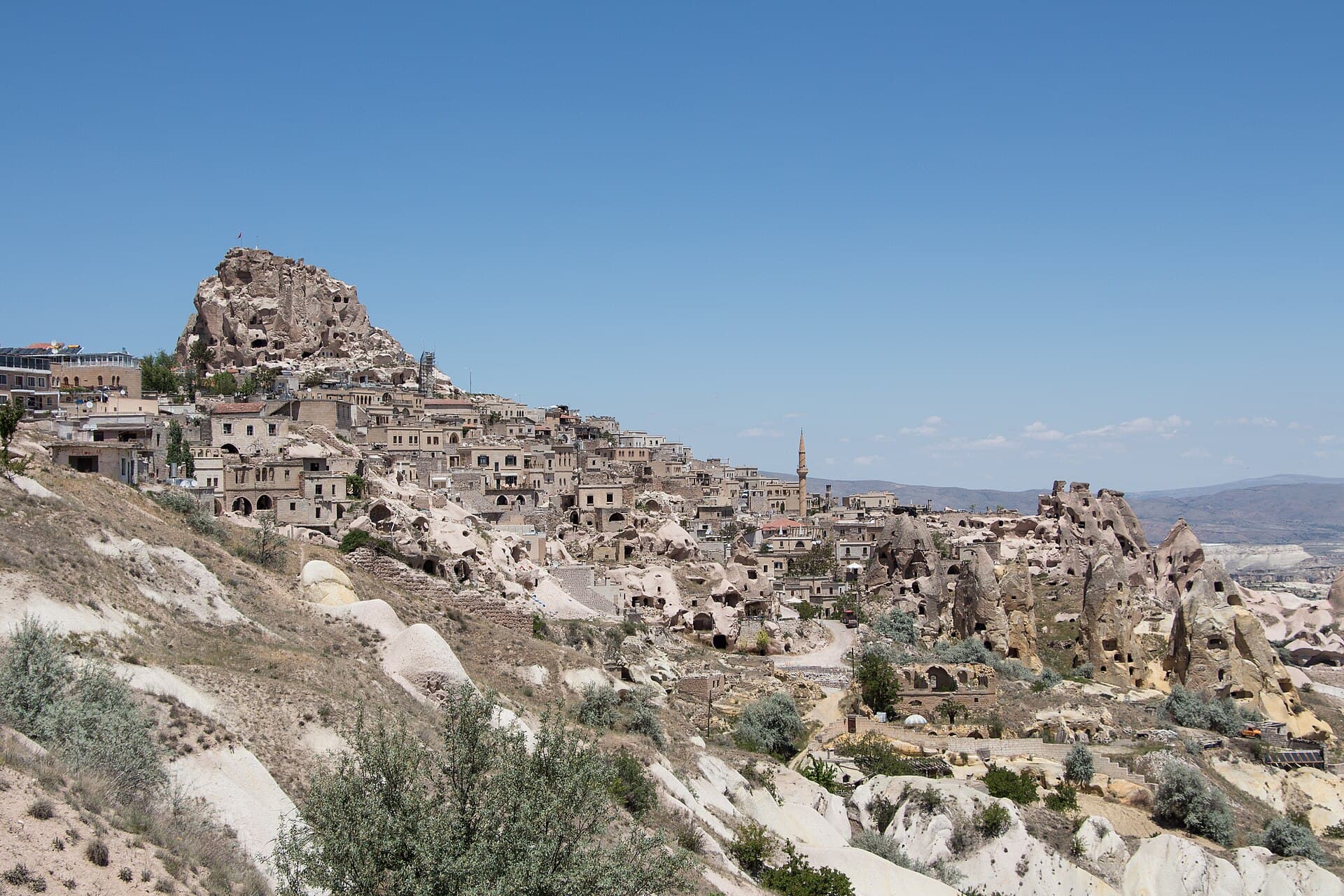 Bernard Gagnon / CC BY-SA 3.0, via Wikimedia Commons
Tour audio autoguidato di Uçhisar — percorso GPS a piedi, riproduzione offline, narrazione coinvolgente in 32 lingue.
“Dove antiche formazioni rocciose incontrano la tranquilla vita di villaggio.”
Non le cartoline. Le storie che nemmeno i locali conoscono — sussurrate nel tuo orecchio, proprio dove sono accadute.
Il 'castello' di Uçhisar non è quello che si potrebbe immaginare come una tipica fortezza europea.
Le migliaia di colombaie scavate nelle scogliere della Valle dei Piccioni servivano a uno scopo oltre la mera decorazione.
Oltre all'imponente castello, le strade più antiche di Uçhisar custodiscono una storia silenziosa sul suo passato recente.
Scopri ogni segreto di Uçhisar
Ogni indirizzo, ogni rivelazione completa — nel tuo orecchio, proprio dove è accaduta.
Scegli le tue tappe. Cammini. La voce rivela ciò che gli altri perdono.
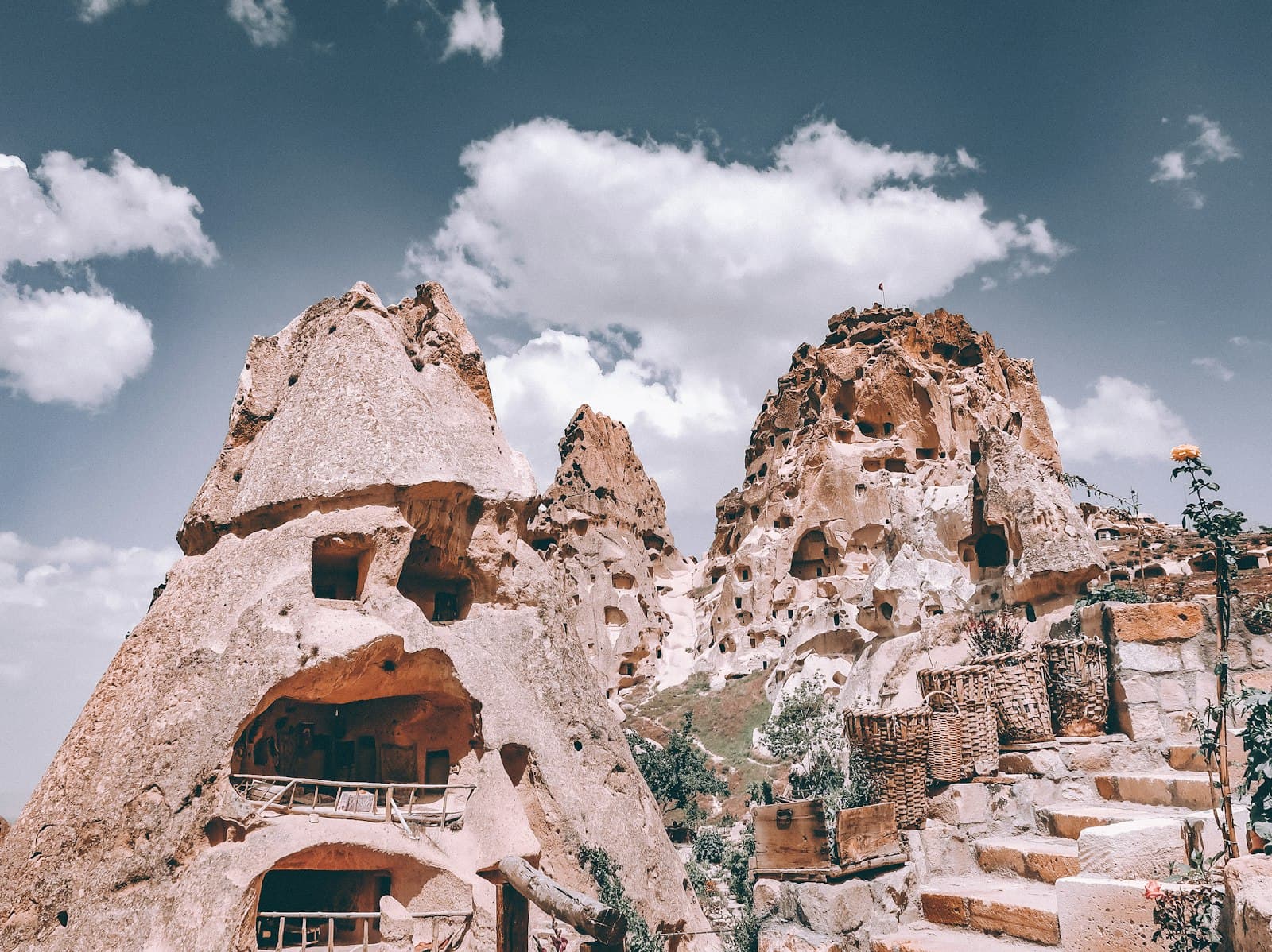

Il tuo tour audio autoguidato di Uçhisar è pronto — scegli i tuoi punti di interesse, seleziona la tua lingua e inizia nel momento in cui arrivi.
AcquistaLume include una guida in realtà aumentata. Alza il telefono: la fotocamera mostra la strada davanti a te, con una freccia luminosa sovrapposta all'immagine reale che punta sempre verso la tua prossima tappa — nessuna mappa da decifrare, nessuna svolta sbagliata. Come tutto in Lume, funziona completamente offline.
Uçhisar, che significa 'cittadella esterna' o 'fortezza della punta', è un'incantevole cittadina nella regione della Cappadocia in Turchia, riconosciuta per le sue drammatiche formazioni rocciose e l'imponente Castello di Uçhisar. A differenza dei centri più vivaci di Göreme o Ürgüp, Uçhisar offre uno sguardo più tranquillo e autentico sulla vita cappadociana, con i suoi vicoli tortuosi e le case in pietra. La città è essenzialmente costruita attorno e all'interno di un massiccio pinnacolo roccioso formato naturalmente, che funge da suo castello iconico e dall'altitudine più elevata della Cappadocia.
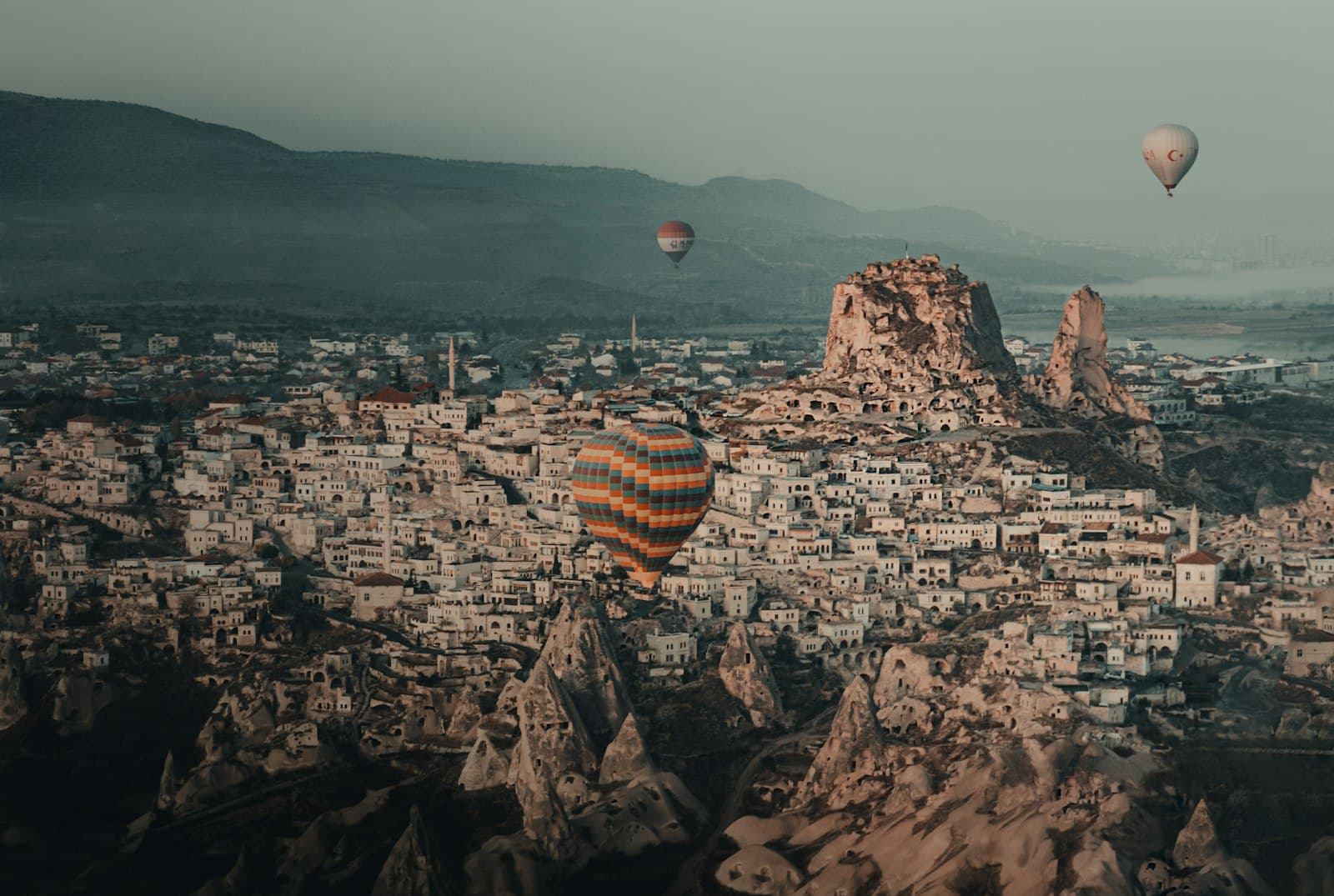
Dalla sua posizione elevata, Uçhisar offre ampie viste panoramiche delle valli circostanti, dei camini delle fate e persino del lontano Monte Erciyes. Presenta una posizione privilegiata per assistere all'ascesa dei rinomati palloni aerostatici della Cappadocia all'alba, dipingendo il cielo con colore. Il villaggio stesso, con una popolazione di circa 3.555 abitanti nel 2022, fonde storia antica con ospitalità contemporanea, offrendo una base unica per esplorare le meraviglie della regione.
La storia di Uçhisar inizia milioni di anni fa, non per mano umana, ma con eruzioni vulcaniche. Il Monte Erciyes, il Monte Hasan e il Monte Güllüdağ ricoprirono la regione di morbida cenere vulcanica, o tufo. Nel corso degli eoni, il vento e l'acqua scolpirono questo tufo nel surreale paesaggio di camini delle fate e canyon drammatici che definiscono la Cappadocia oggi. Il Castello di Uçhisar, la caratteristica centrale della città, è la più grande di queste formazioni naturali, un affioramento monolitico destinato a diventare una fortezza.
Le prove suggeriscono che l'area di Uçhisar sia stata abitata fin dai tempi ittiti, nell'età del bronzo. La sua altezza strategica la rese una risorsa inestimabile per varie civiltà. Nel VII secolo d.C., i Bizantini stabilirono qui una zona cuscinetto contro l'espansione islamica, utilizzando le difese naturali del terreno e il mimetismo fornito dagli edifici scavati nella roccia. L'interno del castello divenne un labirinto di stanze interconnesse, corridoi e scale, fungendo da abitazioni, depositi di cibo e posizioni difensive.
Successivamente, i Turchi Selgiuchidi riconobbero e sfruttarono il potenziale difensivo dell'area, stabilendo piccoli centri e caravanserragli. Uçhisar fu menzionato esplicitamente per la prima volta in una cronaca del XIV secolo di Aziz ibn Ardasir. Il nome stesso Uçhisar, che significa 'Cittadella Esterna' o 'Fortezza della Punta', riflette la sua duratura importanza strategica. La fortezza continuò il suo ruolo durante l'era ottomana, servendo come torre di guardia e rifugio. Oggi, il Castello di Uçhisar è patrimonio mondiale dell'UNESCO, riconosciuto per la sua importanza storica e la sua architettura unica.
L'attrazione principale di Uçhisar è l'iconico Castello di Uçhisar, il punto più alto della Cappadocia. Salire fino alla sua cima, accessibile tramite ripidi e irregolari gradini scavati nella roccia, premia i visitatori con viste a 360 gradi senza pari delle valli della regione, dei camini delle fate e delle città lontane come Göreme, Avanos, Çavuşin e Ortahisar. Prevedete almeno un'ora per la salita e per assorbire completamente il panorama.
Oltre al castello, esplorate le affascinanti strade del villaggio, che offrono un'atmosfera più tranquilla rispetto ad altre città della Cappadocia. Troverete negozi locali che vendono tappeti, ceramiche e frutta secca, insieme a hotel rupestri e caffè scavati nella roccia. Una passeggiata attraverso la Valle dei Piccioni (Güvercinlik Vadisi), che si estende tra Uçhisar e Göreme, è altamente raccomandata. Questo panoramico sentiero di 4 chilometri, che richiede circa 1,5 ore, attraversa un paesaggio punteggiato da colombaie scavate nella roccia e camini delle fate. Per un punto di vista alternativo senza la folla, considerate il Castello di Tiraz, un altro pinnacolo scavato nelle vicinanze che offre eccellenti viste sul Castello di Uçhisar.
I periodi più piacevoli per visitare Uçhisar sono la primavera (aprile-giugno) e l'autunno (settembre-ottobre), quando il clima è mite, il cielo è sereno e le folle sono generalmente più piccole. Queste stagioni intermedie sono ideali per scalare il castello e godersi le attività all'aperto. Sebbene i voli operino tutto l'anno, i voli in mongolfiera sono migliori all'alba, e la primavera e l'autunno offrono condizioni ottimali per viste nitide. L'estate (luglio-agosto) può essere calda e affollata, mentre l'inverno offre la possibilità di vedere un paesaggio innevato, sebbene il tempo possa essere imprevedibile.
Uçhisar è facilmente raggiungibile, situata a circa 7 chilometri a est di Nevşehir e 4 chilometri da Göreme. I viaggi a lunga distanza comportano tipicamente il volo per gli aeroporti di Nevşehir o Kayseri, seguiti da un trasferimento privato o condiviso. I dolmuş (minibus) collegano frequentemente Uçhisar con Nevşehir, Göreme e altre città vicine. Il villaggio stesso è percorribile a piedi, anche se bisogna essere preparati a sentieri ripidi e irregolari, specialmente salendo al castello. Scarpe robuste e comode con una buona aderenza sono essenziali per esplorare il castello e le valli. Sebbene non ci sia un codice di abbigliamento ufficiale per il castello, è consigliabile vestirsi a strati a causa dei potenziali venti in cima. Il Castello di Uçhisar è aperto tutti i giorni, con orari prolungati in estate (07:30–19:30) e orari ridotti in inverno (08:00–17:00). L'ingresso richiede un biglietto.
Uçhisar — coreano, cinese, ebraico e altre 29 lingue, ogni tappa narrata da una voce madrelingua. La più ampia scelta di lingue tra i tour audio autoguidati.
Disponibile in: