Дворец Джаг Мандир
Еще до того, как был даже задуман Тадж-Махал, принц Моголов искал мир и вдохновение на островном дворце в Удайпуре.
Полная история открывается в туре
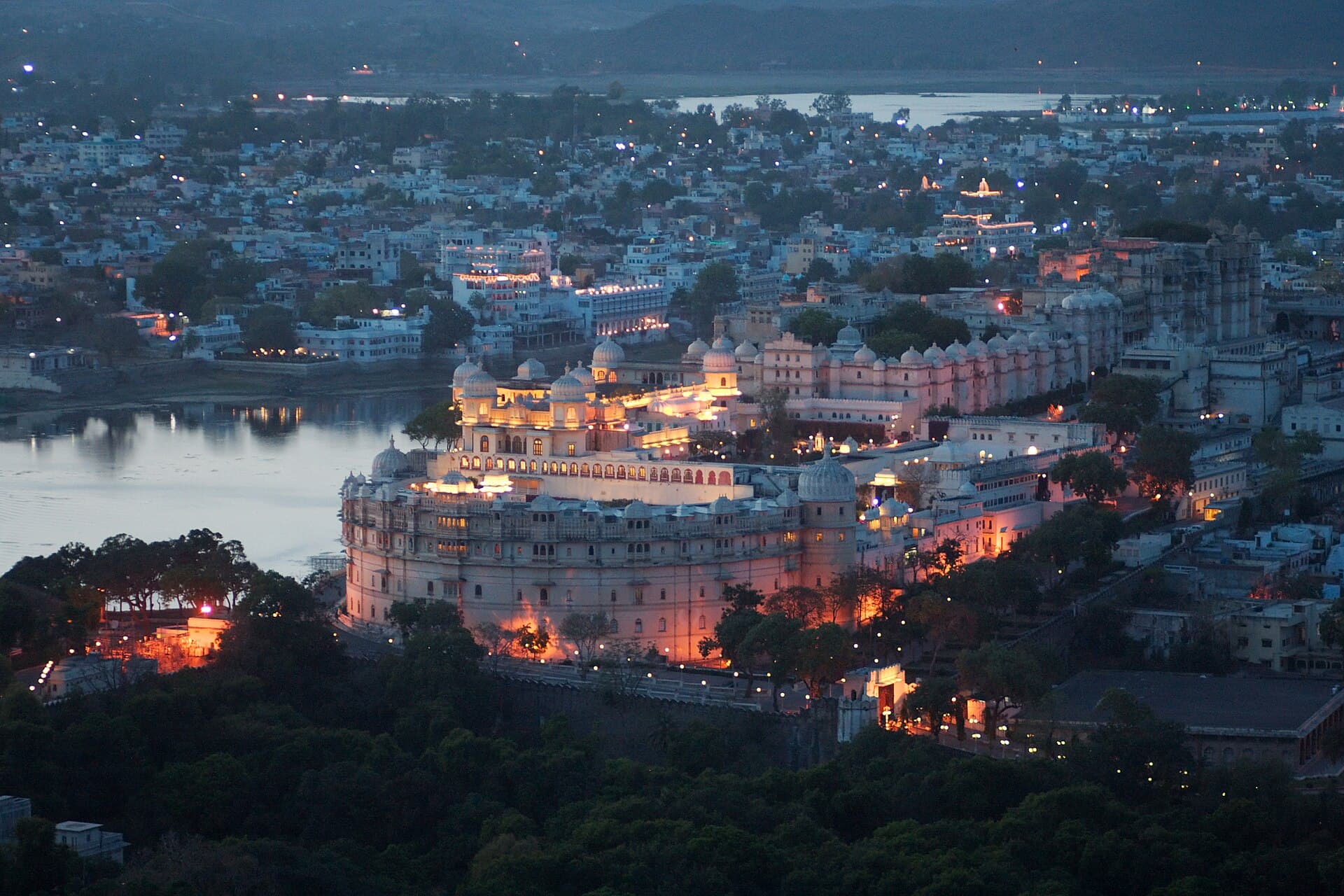 Geri from Biel/Bienne, Schweiz / CC BY-SA 2.0, via Wikimedia Commons
Самостоятельная аудиопрогулка по Удайпур — GPS-маршрут, офлайн-воспроизведение, увлекательное повествование на 32 языках.
“Где дворцы плавают на мерцающих озерах, а история дышит из каждого мраморного фасада.”
Не открытки. Истории, которые не знают даже местные жители — шепотом в вашем ухе, прямо там, где они произошли.
Еще до того, как был даже задуман Тадж-Махал, принц Моголов искал мир и вдохновение на островном дворце в Удайпуре.
В обширном комплексе Городского дворца существует сеть проходов, позволяющих незаметно перемещаться во время конфликтов.
Ослепительный Павлиний двор, украшенный бесчисленными стеклянными элементами, несет в себе местную легенду о проклятии.
Откройте для себя каждый секрет Удайпур
Каждый адрес, каждое полное раскрытие — в вашем ухе, прямо там, где это произошло.
Вы выбираете остановки. Вы гуляете. Голос раскрывает то, что упускают другие.


Ваш самостоятельный аудиотур по Удайпур готов — выберите свои достопримечательности, выберите свой язык и начните в момент прибытия.
КупитьВ Lume встроен гид дополненной реальности. Поднимите телефон: камера показывает улицу перед вами, а поверх реального изображения светится стрелка, всегда указывающая на вашу следующую остановку — не нужно разбираться с картой и сворачивать не туда. Как и всё в Lume, это работает полностью офлайн.
Удайпур, часто называемый «Городом озер» или «Венецией Востока», — город в Раджастане, Индия, известный своими историческими дворцами, спокойными искусственными озерами и самобытной культурой. Окруженный хребтом Аравалли, который отделяет его от пустыни Тар, Удайпур представляет собой живописный ландшафт с более умеренным климатом, чем в других частях Раджастана. Очарование города заключается в гармоничном сочетании королевского наследия и природного великолепия, что делает его излюбленным местом для путешественников со всего мира.
## Основание новой столицы История Удайпура начинается в 1559 году, когда Махарана Удай Сингх II из клана Сисодия раджпутов основал город. Он перенес свою столицу из Читторгарха, который подвергался частым осадам со стороны императора Великих Моголов Акбара. Легенда гласит, что во время охоты Махарана Удай Сингх II встретил святого человека, который посоветовал ему построить дворец в удачно расположенном месте в плодородной долине Гирва, заверив его, что он будет хорошо защищен. Следуя этому совету, Махарана заложил фундамент Удайпура, создав новую столицу, естественно укрепленную холмами Аравалли.
## Века королевского расширения Строительство Городского дворца, обширного комплекса, началось в 1553 году Махараной Удай Сингхом II и продолжалось почти 400 лет при 23 поколениях правителей, каждый из которых вносил свой уникальный архитектурный вклад. В результате получилось сложное слияние раджастанского, могольского, европейского и китайского влияний. В 1567 году, чтобы еще больше обезопасить свою территорию от вторжений моголов, Рана Удай Сингх построил шестикилометровую городскую стену с семью воротами вокруг Удайпура, район, до сих пор известный как старый или обнесенный стеной город.
## Княжество и современный город Удайпур оставался столицей княжества Мевар до 1818 года, когда он стал британским княжеством. После обретения Индией независимости в 1947 году провинция Мевар стала частью Раджастана. Сегодня Удайпур является значимым городом в Раджастане, почитаемым за свою историю, культуру и живописную красоту.
Начните свое исследование с Городского дворца, грандиозного комплекса дворцов, дворов и садов с видом на озеро Пичола. Его архитектура демонстрирует смешение стилей, с такими достопримечательностями, как богато украшенный Мор Чоук (Павлиний двор) и Зенана Махал. Совершите лодочную прогулку по озеру Пичола, чтобы полюбоваться Городским дворцом с воды и увидеть плавучий Дворец на озере (ныне отель) и Джаг Мандир. Храм Джагдиш, индуистский храм XVII века, посвященный богу Вишну, выделяется своей замысловатой резьбой и возвышающимся шпилем. Для панорамных видов на город и его озера отправляйтесь во Дворец Муссонов (Дворец Саджангарх), особенно на закате. Сахелион-ки-Бари, или Сад служанок, предлагает умиротворяющее убежище с фонтанами, киосками и мраморными слонами. Не пропустите Кенотафы Ахар, менее известное место с куполообразными памятниками, отмечающими места кремации Махаран Мевара. Чтобы окунуться в местное искусство и культуру, посетите Багор Ки Хавели, где также проходят вечерние фольклорные танцевальные представления.
Самое приятное время для посещения Удайпура — зимние месяцы, с октября по март. В этот период погода приятная и комфортная, с температурами примерно от 10°C до 25°C, что идеально подходит для осмотра достопримечательностей и активного отдыха. Сезон муссонов, с июля по октябрь, приносит умеренные дожди и превращает город в пышный зеленый ландшафт, предлагая романтический и безмятежный опыт, хотя влажность может быть высокой. Лето, с апреля по июнь, жаркое и влажное, с температурами, часто достигающими 40-45°C, что затрудняет дневные прогулки.
Удайпур легко доступен по воздуху, железной дороге и автомобильным транспортом. Аэропорт Махарана Пратап (аэропорт Дабок) обеспечивает сообщение с крупными городами Индии. Город также имеет хорошо развитую железнодорожную сеть. В пределах Удайпура для передвижения по городу распространены авторикши, такси и приложения для совместных поездок. Многие районы, особенно старый город, лучше всего исследовать пешком. Рекомендуется иметь при себе наличные, так как многие местные магазины и некоторые закусочные могут не принимать кредитные карты. Торговаться принято на местных рынках, таких как Хати Пол Базар. Для поездки на 3-4 дня вы можете комфортно осмотреть основные достопримечательности. Хотя Удайпур в целом безопасен, всегда разумно следить за своими вещами и избегать одиночных ночных прогулок.
Удайпур: корейский, китайский, иврит и ещё 29 языков — каждую остановку озвучивает носитель языка. Самый широкий выбор языков среди аудиоэкскурсий без гида.
Доступные языки: