Templo Byodo-in
O icônico Salão da Fênix, que adorna a moeda de 10 ienes do Japão, nem sempre foi um local de adoração.
História completa desbloqueada no tour
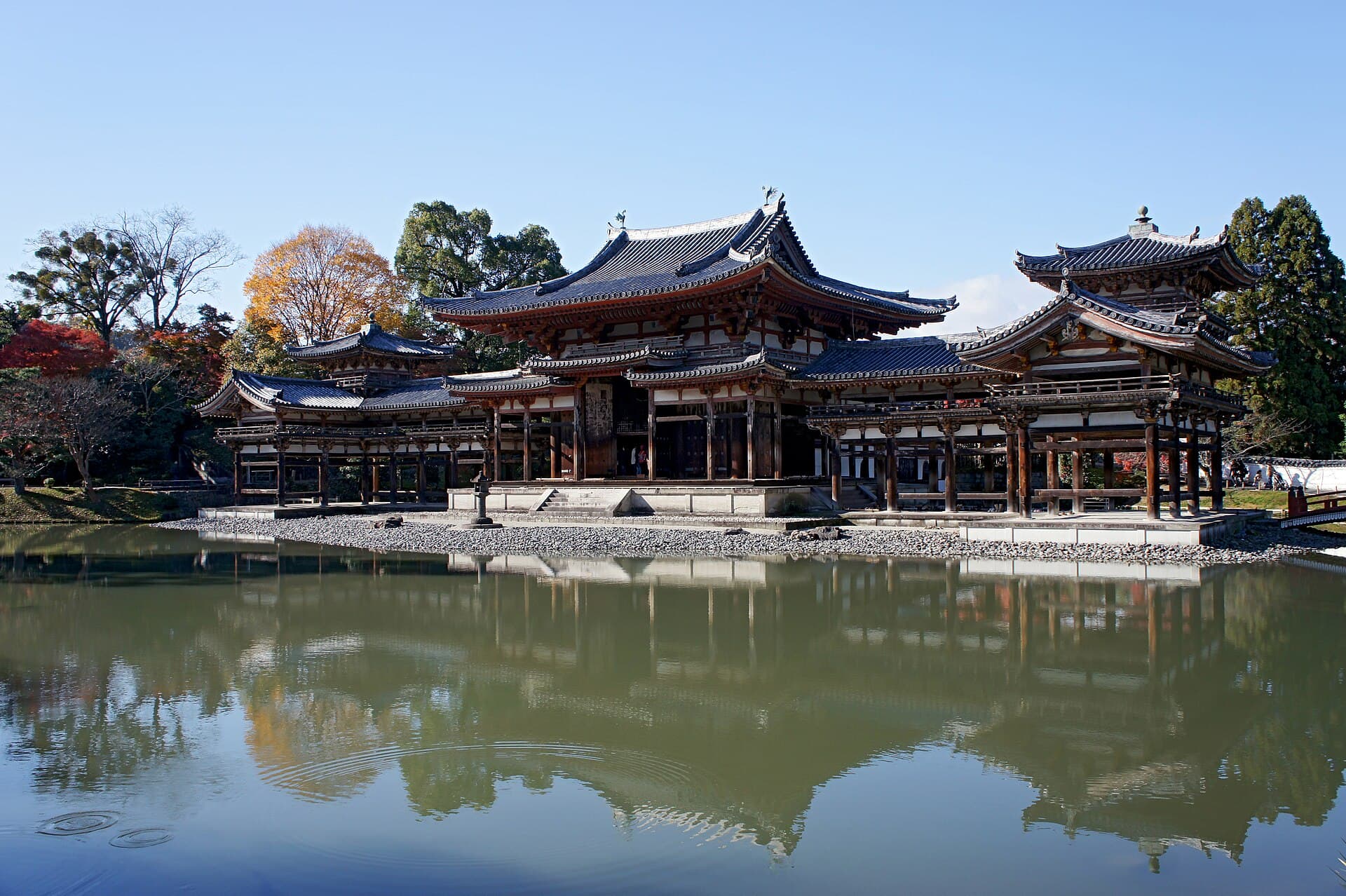 663highland / CC BY 2.5, via Wikimedia Commons
Tour de áudio autoguiado por Uji — rota GPS a pé, reprodução offline, narração envolvente em 32 idiomas.
“Onde contos antigos e matcha cerimonial se entrelaçam.”
Não os postais. As histórias que nem os locais conhecem — sussurradas ao seu ouvido, exatamente onde aconteceram.
O icônico Salão da Fênix, que adorna a moeda de 10 ienes do Japão, nem sempre foi um local de adoração.
Uma das pontes mais antigas do Japão carrega uma conexão lendária mais sombria.
Este Patrimônio Mundial da UNESCO abriga um estilo arquitetônico único ligado a uma disputa de sucessão imperial.
Descubra cada segredo de Uji
Cada endereço, cada revelação na íntegra — no seu ouvido, exatamente onde aconteceu.
Você escolhe as suas paragens. Você caminha. A voz revela o que os outros perdem.


O seu tour áudio autoguiado de Uji está pronto — escolha os seus pontos de interesse, selecione o seu idioma e comece no momento em que chegar.
ComprarA Lume inclui um guia de realidade aumentada. Levante o telemóvel: a câmara mostra a rua à sua frente, com uma seta luminosa sobreposta à imagem real que aponta sempre para a sua próxima paragem — sem mapa para decifrar, sem voltas erradas. Como tudo na Lume, funciona totalmente offline.
Uji, uma cidade situada entre Kyoto e Nara, oferece um refúgio tranquilo na profunda paisagem cultural do Japão, mundialmente reconhecida como o berço do matcha. As encostas nebulosas que cercam Uji proporcionam um ambiente ideal para o cultivo das folhas de chá verde vibrantes que definem seu matcha de grau cerimonial. Além de seus exuberantes campos de chá e inúmeras casas de chá, Uji é uma cidade com profundas raízes históricas, servindo como um cenário proeminente para os capítulos finais da obra-prima literária do século XI de Murasaki Shikibu, O Conto de Genji, frequentemente considerada o primeiro romance do mundo.
Os visitantes de Uji podem mergulhar em uma mistura de tradições duradouras e esplendor natural. O Rio Uji, que flui pelo centro da cidade, oferece caminhos cênicos e oportunidades para cruzeiros relaxantes. Templos e santuários históricos, muitos dos quais são Patrimônios Mundiais da UNESCO, pontuam a paisagem, oferecendo vislumbres da herança espiritual e arquitetônica do Japão. Desde saborear iguarias infundidas com matcha até explorar locais que inspiraram a literatura clássica, Uji apresenta uma experiência distinta e pacífica, um contraste com as metrópoles agitadas do Japão.
As origens de Uji remontam ao século VII, desenvolvendo-se como um ponto crucial de travessia de rio. A Ponte Uji, uma das mais antigas do Japão, diz-se ter sido construída por volta de 646 por um monge de Nara, solidificando a importância estratégica de Uji para o transporte terrestre e aquático entre as antigas capitais de Nara e Kyoto. Durante o período Heian (794-1185), Uji floresceu como um centro cultural, particularmente sob a influência do poderoso clã Fujiwara, que estabeleceu vilas e promoveu uma cultura aristocrática sofisticada. Foi durante esta era que o Templo Byodo-in, inicialmente uma vila, foi convertido em um templo budista em 1052, exibindo os ideais arquitetônicos e espirituais do período.
A importância literária de Uji também floresceu no período Heian, com a cidade servindo como pano de fundo para os dez capítulos finais de O Conto de Genji. Essa associação deixou uma marca duradoura, com vários locais em Uji dedicados ao romance e à sua autora, Murasaki Shikibu.
O século XIV marcou um momento crucial para Uji com a introdução do cultivo de chá por Myoe do Templo Kosanji. Uji rapidamente ganhou fama por seu chá verde de qualidade superior, uma reputação promovida sob o patrocínio de figuras influentes como o Shogun Ashikaga Yoshimitsu, e mais tarde, Oda Nobunaga e Toyotomi Hideyoshi. Essa dedicação ao cultivo e inovação do chá, incluindo o desenvolvimento de práticas de sombreamento, solidificou o status de Uji como a "capital mundial do matcha". Mesmo com a mudança dos centros políticos, o chá de Uji manteve seu alto prestígio, contribuindo para o desenvolvimento de práticas culturais japonesas como o Sado (o caminho do chá) e o Budismo Zen, particularmente com o estabelecimento de templos como Manpukuji. Hoje, Uji continua seu legado como uma região produtora de chá de primeira linha, com sua profunda história evidente em seus templos antigos, conexões literárias e, é claro, seu celebrado chá verde.
Comece sua exploração no Templo Byodo-in, um Patrimônio Mundial da UNESCO e um notável exemplo da arquitetura budista da Terra Pura. Seu icônico Salão da Fênix, retratado na moeda de 10 ienes, parece flutuar sobre um lago calmo. No interior, uma estátua do Buda Amida está consagrada, e breves visitas guiadas oferecem uma compreensão mais profunda. Nas proximidades, o Museu Byodo-in (Hoshokan) abriga artefatos valiosos e fornece exposições multilíngues sobre o passado do templo.
Atravesse a histórica Ponte Uji, uma das mais antigas do Japão, que oferece vistas panorâmicas do Rio Uji e se conecta ao Parque Uji. Na extremidade oeste da ponte, você encontrará uma estátua de Murasaki Shikibu, autora de O Conto de Genji. Continue até o Santuário Ujigami, outro Patrimônio Mundial da UNESCO, reconhecido como o edifício de santuário xintoísta em pé mais antigo do Japão. Seu distinto estilo arquitetônico nagare-zukuri é um detalhe histórico significativo.
Para uma perspectiva diferente, visite o Templo Mimuroto-ji, conhecido como o "templo das flores" por seus extensos jardins de flores sazonais, incluindo cerejeiras, azaleias, hortênsias e lótus. O templo também apresenta estátuas intrigantes, como um boi e um coelho, que se acredita trazer boa sorte quando tocados.
Aprofunde-se na herança literária de Uji no Museu O Conto de Genji, onde exposições, maquetes e filmes dão vida ao mundo do romance clássico, focando particularmente nos "capítulos de Uji". Claro, nenhuma visita a Uji está completa sem experimentar seu celebrado matcha. Explore a Rua Byodoin Omotesando para encontrar inúmeras lojas de chá e guloseimas infundidas com matcha. Considere uma experiência tradicional de cerimônia do chá em locais como Taihoan ou Nakamura Tokichi, ou visite Tsuen, a loja de chá mais antiga do Japão, fundada em 1160 d.C.
Uji é um destino que oferece um encanto único durante todo o ano. A primavera (março-maio) e o outono (setembro-outubro) são particularmente favorecidos por seu clima ameno e beleza natural deslumbrante, com flores de cerejeira adornando o Rio Uji no início de abril e folhagem vibrante de outono ao redor dos templos no outono. O verão (junho-agosto) traz uma vegetação exuberante, campos de chá frescos e oportunidades para observar a pesca tradicional com cormorões no Rio Uji. Embora quente e úmido, o final de julho a início de setembro é ideal para atividades em clima quente. O inverno oferece uma experiência mais tranquila, com menos turistas e a chance de desfrutar de matcha quente em um ar fresco, com neve ocasional adicionando à atmosfera serena.
Uji é facilmente acessível, tornando-se uma viagem de um dia popular a partir de Kyoto ou Osaka. Da Estação de Kyoto, um trem na Linha JR Nara o levará à Estação JR Uji em cerca de 17 minutos. De Osaka, a viagem leva aproximadamente uma hora. A cidade em si é bastante caminhável, com muitas atrações significativas concentradas ao redor do Templo Byodo-in e da Ponte Uji, geralmente exigindo 4-5 horas para explorar os destaques. Bicicletas alugadas também estão disponíveis para aqueles que preferem pedalar ao longo do Rio Uji e através das plantações de chá. Ônibus locais e táxis também são opções para navegar pela área. Tenha em mente que muitas lojas e templos menores podem preferir dinheiro, então é aconselhável carregar alguns ienes japoneses. Lixeiras públicas são escassas no Japão, portanto, esteja preparado para carregar seu lixo até encontrar uma área de descarte designada.
Uji — coreano, chinês, hebraico e mais 29 idiomas, cada parada narrada por uma voz nativa. A maior variedade de idiomas entre os passeios de áudio autoguiados.
Disponível em: