Beyond the soaring arches and royal sepulchers, a singular garment tells a story of medieval regality.
Axebackman / CC BY-SA 4.0, via Wikimedia CommonsUppsala
“Where ancient scholarship and hallowed stones meet the flowing Fyris.”
Uppsala, as no one tells it.
Not the postcards. The stories even locals don't know — whispered in your ear, right where they happened.
These ancient earthworks hold more than the remains of kings; they speak of a time when deities themselves walked among mortals.
Gaze upon the distinctive dome of Uppsala University's oldest structure, and you will find it conceals a surprising and rather theatrical secret.
Discover every secret of Uppsala
Every address, every reveal in full — in your ear, right where it happened.
You pick your stops. You walk. The voice reveals what the others miss.
How long do you have in Uppsala?
No tours available yet. Check back soon — we're preparing them.
The story of Uppsala
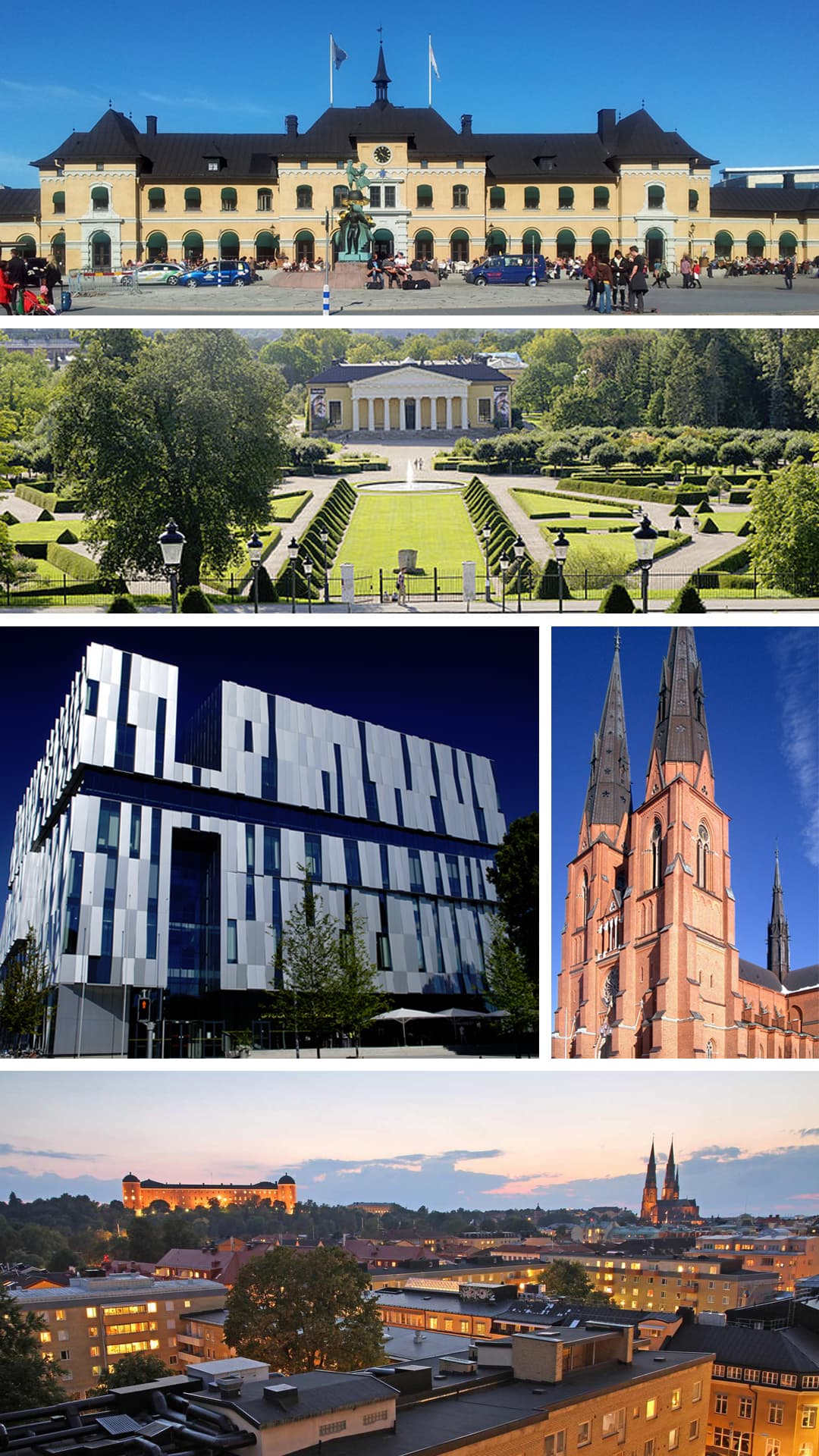
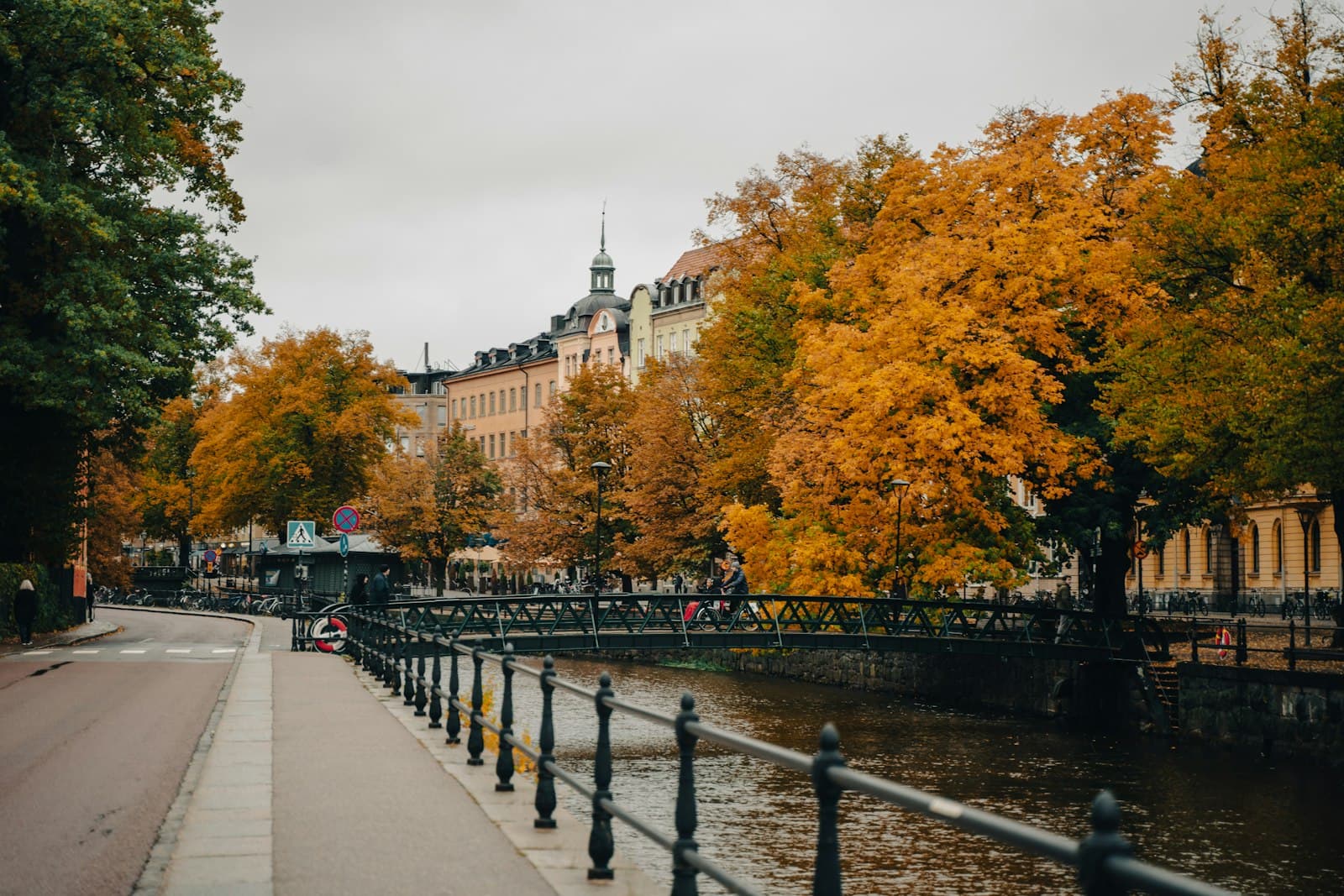
Uppsala, Sweden's fourth-largest city, presents a compelling fusion of profound historical roots and a youthful, academic pulse. Situated just 70 kilometers north of Stockholm, it is readily accessible and offers a distinct counterpoint to the capital. The city is bisected by the Fyris River, with its medieval core, including the imposing Uppsala Cathedral and Uppsala University, gracing the western bank.
Uppsala's identity is deeply intertwined with its past as a significant religious and political center, evolving from a Viking-era settlement to the ecclesiastical heart of Sweden. Today, it is a university town, home to Scandinavia's oldest university, established in 1477. This academic legacy imbues Uppsala with an energetic atmosphere, particularly during term time, while its historic landmarks provide a tangible connection to centuries of Swedish history and intellectual development.
From Pagan Origins to Academic Prominence
Uppsala's narrative begins approximately 1,500 years ago, not in its current footprint, but about five kilometers north in what is now known as Gamla Uppsala (Old Uppsala). This ancient location was the political and religious core of the early Swedish kingdom, Svea Rike, and a crucial nexus for trade and lawmaking. It was here, in the 6th century, that three kings were interred in monumental burial mounds, which remain a prominent symbol of the city's deep past.
With the arrival of Christianity in the early 1100s, Uppsala underwent a profound transformation. The pagan temple, thought to have stood where the Gamla Uppsala Church is now located, was supplanted by a Christian church. In 1164, Uppsala was designated the seat of the archbishop, cementing its role as Sweden's spiritual center for roughly a century. However, a devastating fire in the mid-1200s, coupled with land uplift that made the Fyrisån river increasingly challenging to navigate, prompted the relocation of the archbishop's seat south to Östra Aros. In 1286, this new site was formally founded and adopted the name Uppsala, while the original settlement became Gamla Uppsala.
The new city swiftly grew into a significant center for trade and, crucially, for education. In 1477, Uppsala University, the oldest university in the Nordic region, was established. This institution drew world-renowned scholars such as Carl Linnaeus, Anders Celsius, and Olof Rudbeck the Elder, further solidifying Uppsala's intellectual standing. The 17th century saw a major urban redesign, shifting from medieval winding streets to an orderly, grid-patterned layout. Many older buildings were dismantled to create new thoroughfares and the distinctive Stora torget (Main Square), Sweden's first square with closed corners where buildings meet at the intersections. Uppsala Castle, initiated by King Gustav Vasa in the 16th century, served as a royal residence and further elevated the city's importance, at times making Uppsala the secondary capital of Sweden. Though much of the castle was consumed by a 1702 fire, its historical significance and commanding vistas persist.
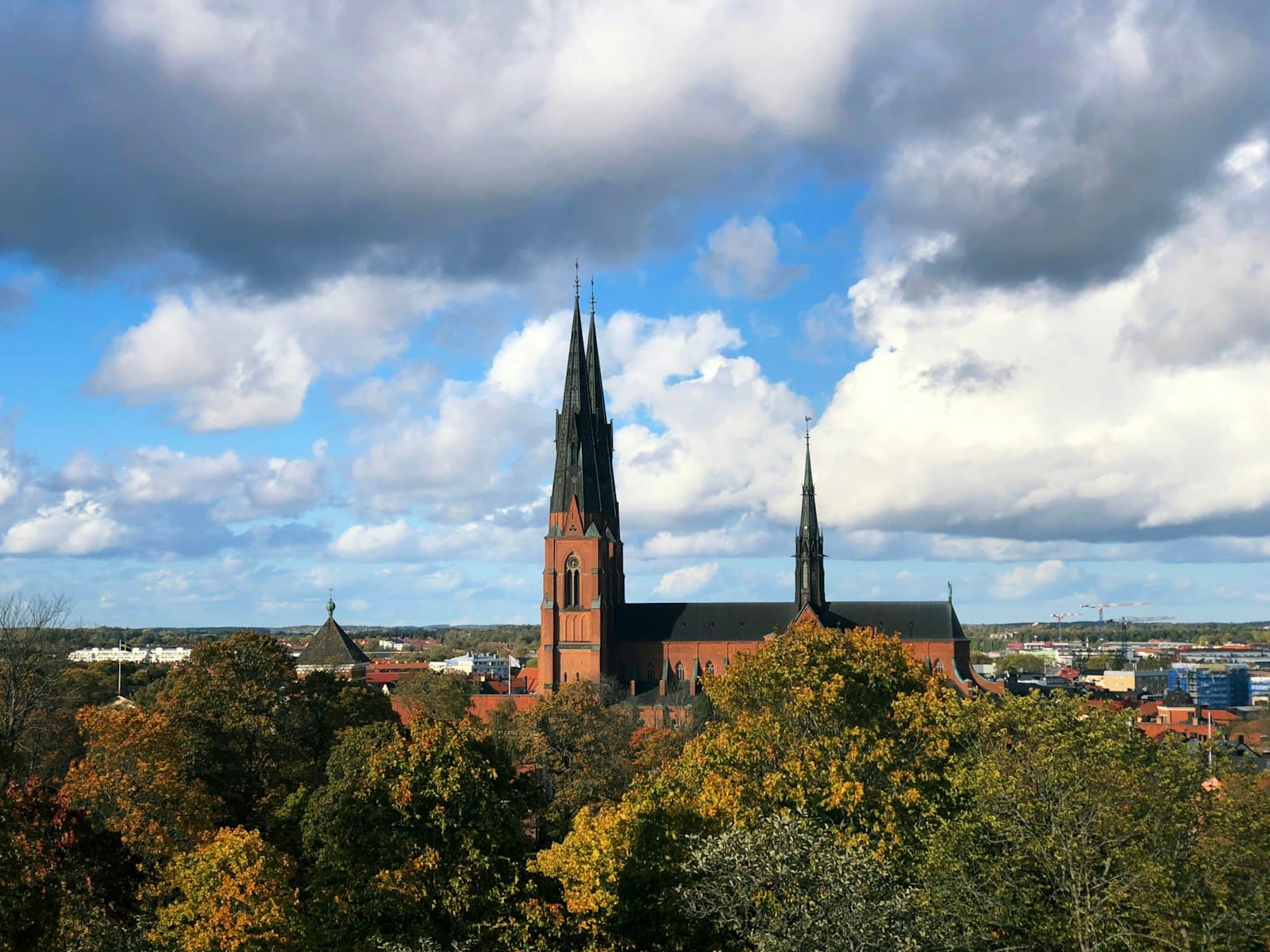
Begin your exploration at the imposing Uppsala Cathedral, Scandinavia's largest church. This Gothic marvel, consecrated in 1435, serves as the seat of the Archbishop of Sweden and the burial site of Swedish monarchs like Gustav Vasa, as well as the celebrated botanist Carl Linnaeus. Be sure to visit the Treasury in the north tower, home to medieval church fabrics and Queen Margaret's golden gown.
Adjacent to the cathedral stands Uppsala University, Scandinavia's oldest. Discover its historic buildings, including the Carolina Rediviva library, which safeguards significant collections like the Codex Argenteus. Visit Gustavianum, the university's oldest surviving structure, completed in 1625. Its distinctive cupola conceals a 17th-century anatomical theatre.
Just five kilometers north of the city center lies Gamla Uppsala, a profound archaeological site. Here, you will encounter three monumental royal burial mounds dating back to the 6th century, believed to be the resting places of early Swedish kings or even Norse gods. The Gamla Uppsala Museum offers essential context with artifacts and interactive exhibits on Viking and Iron Age history. Nearby, the Gamla Uppsala Church stands on the site of a former pagan temple.
For those who appreciate nature, Uppsala offers several botanical havens. The Uppsala Botanical Garden, established in the 17th century and later relocated, features a baroque garden, a two-hundred-year-old orangery, and a tropical greenhouse with a rainforest environment. The Linnaeus Garden, Carl Linnaeus's original botanical garden from 1745, displays approximately 1,000 species arranged according to his classification system.
Finally, ascend to Uppsala Castle, constructed by King Gustav Vasa, for expansive views of the city. While portions were destroyed by fire, it now houses museums and the residence of the Governor of Uppsala County.
Uppsala welcomes visitors throughout the year, each season offering a distinct allure. The warmest and most frequented period extends from late May to August, with average temperatures ranging from 16°C to 25°C (61°F to 77°F). Summer brings extended daylight hours, outdoor cafes, and festivals, though some student-oriented establishments may operate with reduced hours as many students depart for break.
For fewer crowds and agreeable weather, consider late spring (April-May) or early autumn (September). Spring witnesses blooming gardens and the lively Walpurgis Night celebrations on April 30th. Autumn presents beautiful fall colors and a more tranquil atmosphere. Winter, while cold with temperatures often below freezing, provides a cozy, festive experience with potential snow and Christmas markets.
Uppsala is a city easily explored on foot, with many key attractions within a 30-minute walk. For longer distances, particularly to Gamla Uppsala, public transport is readily available. UL travel cards can be acquired for unlimited bus and train travel within the region.
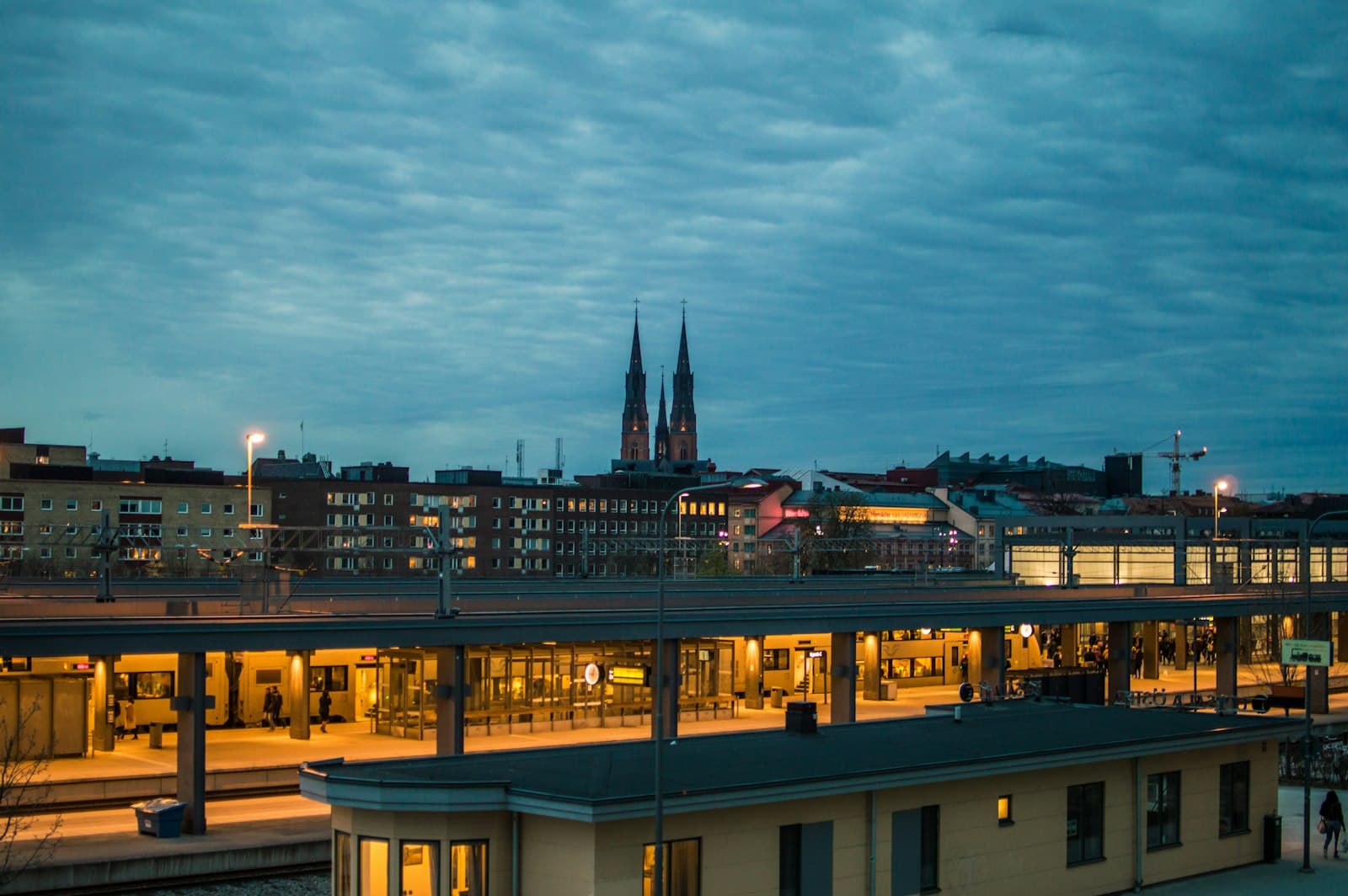
Reaching Uppsala is straightforward: it is a 40-minute train journey from Stockholm Central Station and approximately 20 minutes from Stockholm Arlanda Airport. The city uses Swedish Krona (SEK), and credit cards (VISA, MasterCard) are widely accepted, though some smaller establishments might only accept Swish (a Swedish payment app). Many museums and attractions offer free entry for children and students, and some, like Uppsala Cathedral and the outdoor areas of Gamla Uppsala, are free for all visitors. Consult official websites for specific opening hours, as these can vary by season and for special events.
- What are the main attractions in Uppsala?
- The main attractions include Uppsala Cathedral, Uppsala University (Gustavianum, Carolina Rediviva Library), Gamla Uppsala (burial mounds, museum, church), the Uppsala Botanical Garden, and the Linnaeus Garden.
- How far is Uppsala from Stockholm?
- Uppsala is approximately 70 kilometers (44 miles) north of Stockholm and can be reached by train in about 40 minutes.
- Is Uppsala a good day trip from Stockholm?
- Yes, Uppsala is considered an excellent day trip from Stockholm due to its proximity and numerous historical and cultural sites.
- What is Gamla Uppsala?
- Gamla Uppsala, or Old Uppsala, is an ancient archaeological site about five kilometers north of the current city, celebrated for its 6th-century royal burial mounds and its historical significance as a pagan and early Christian center.
- When is the best time to visit Uppsala?
- The best time to visit for warm weather and outdoor activities is from late May to August. For fewer crowds and pleasant scenery, spring (April-May) or early autumn (September) are also recommended.
- Is Uppsala walkable?
- Yes, Uppsala is a very walkable city, with many of its main attractions located within comfortable walking distance of each other.