Collina Temenni
Sulla cima del punto più alto di Ürgüp, si erge una tomba, le cui vere origini sono rimaste velate per secoli.
La storia completa si sblocca nel tour
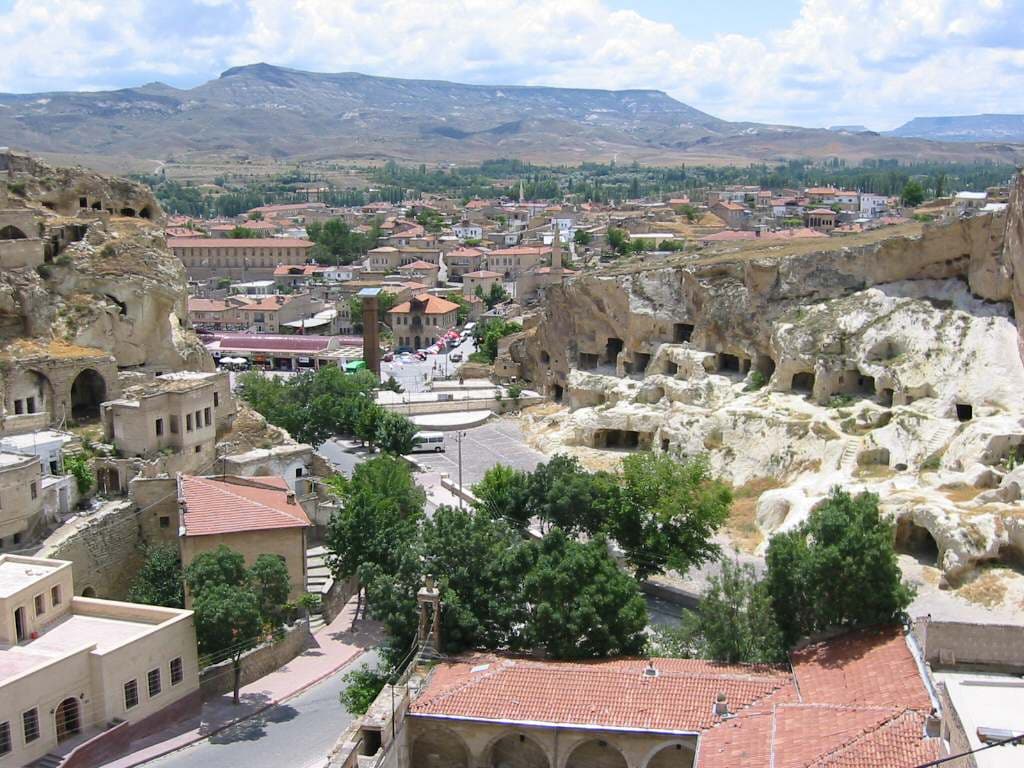 Kapatuka / Public domain, via Wikimedia Commons
Tour audio autoguidato di Ürgüp — percorso GPS a piedi, riproduzione offline, narrazione coinvolgente in 32 lingue.
“Dove antiche tradizioni incontrano i capricci delle formazioni geologiche.”
Non le cartoline. Le storie che nemmeno i locali conoscono — sussurrate nel tuo orecchio, proprio dove sono accadute.
Sulla cima del punto più alto di Ürgüp, si erge una tomba, le cui vere origini sono rimaste velate per secoli.
Passeggiando per le strade più antiche, grandi case in pietra si ergono come silenziose narratrici di una comunità che un tempo prosperava qui.
La città conosciuta come Ürgüp ha indossato molti nomi nel corso della sua lunga esistenza, ognuno riflettendo l'influenza di un'epoca diversa.
Scopri ogni segreto di Ürgüp
Ogni indirizzo, ogni rivelazione completa — nel tuo orecchio, proprio dove è accaduta.
Scegli le tue tappe. Cammini. La voce rivela ciò che gli altri perdono.
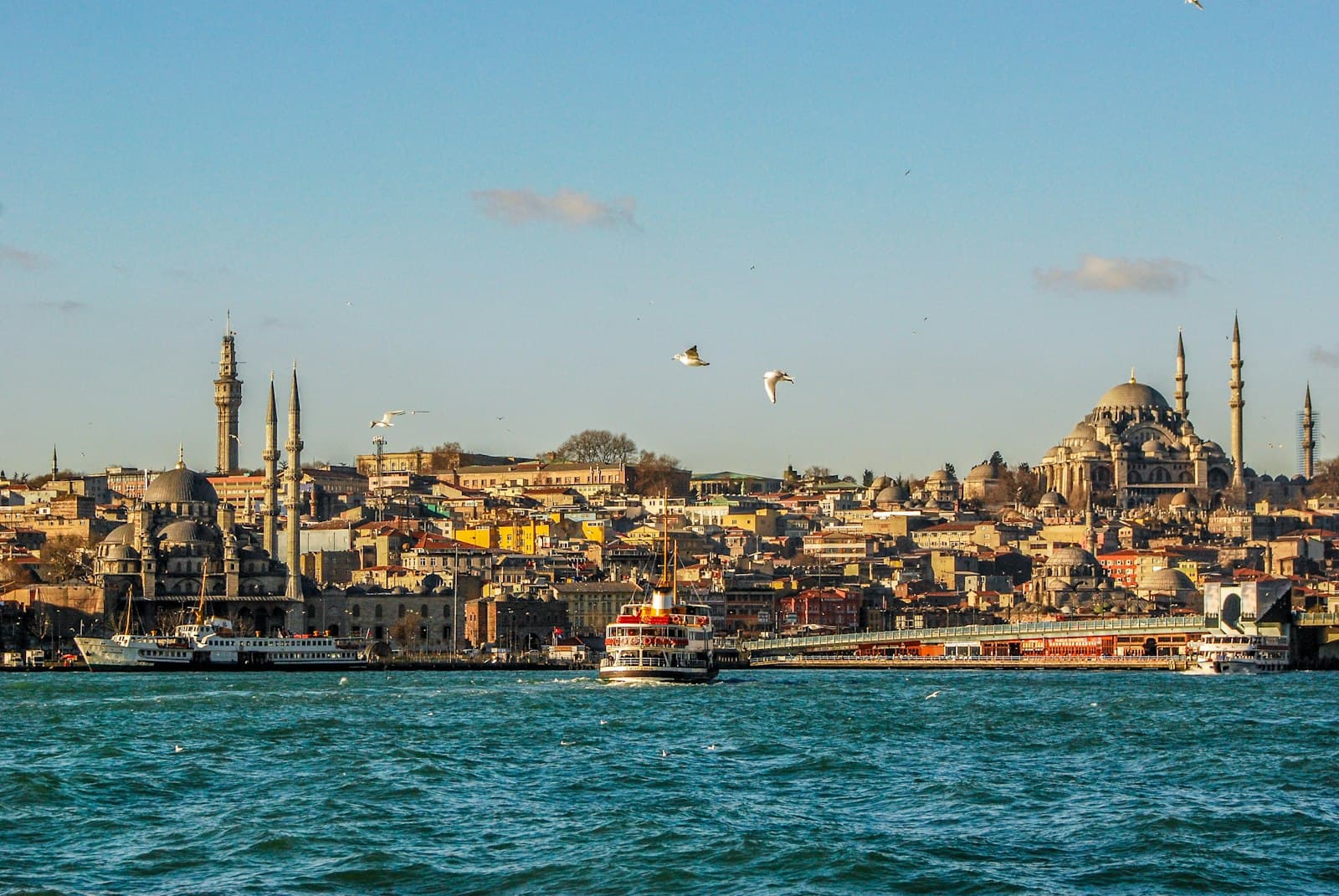
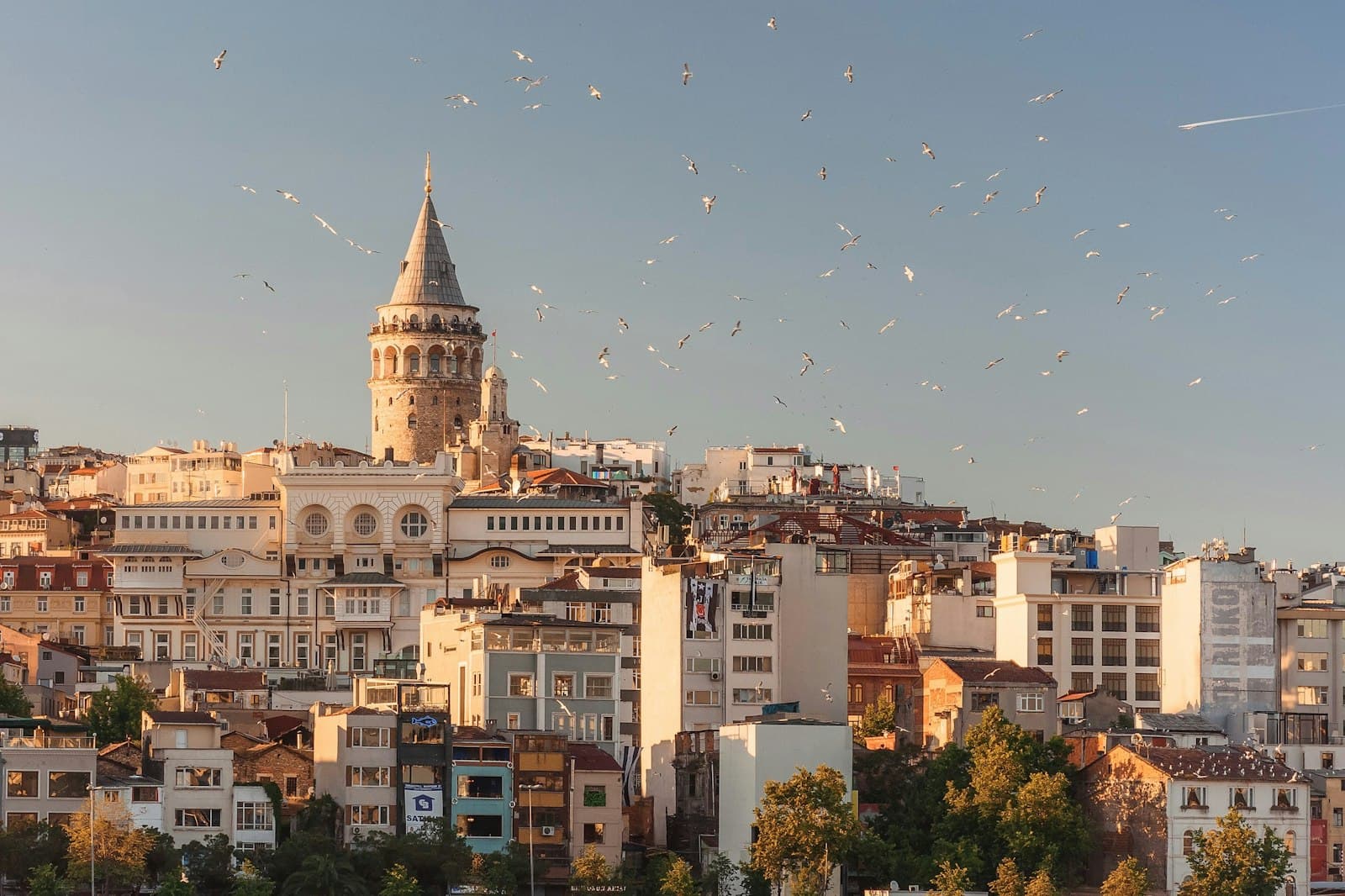
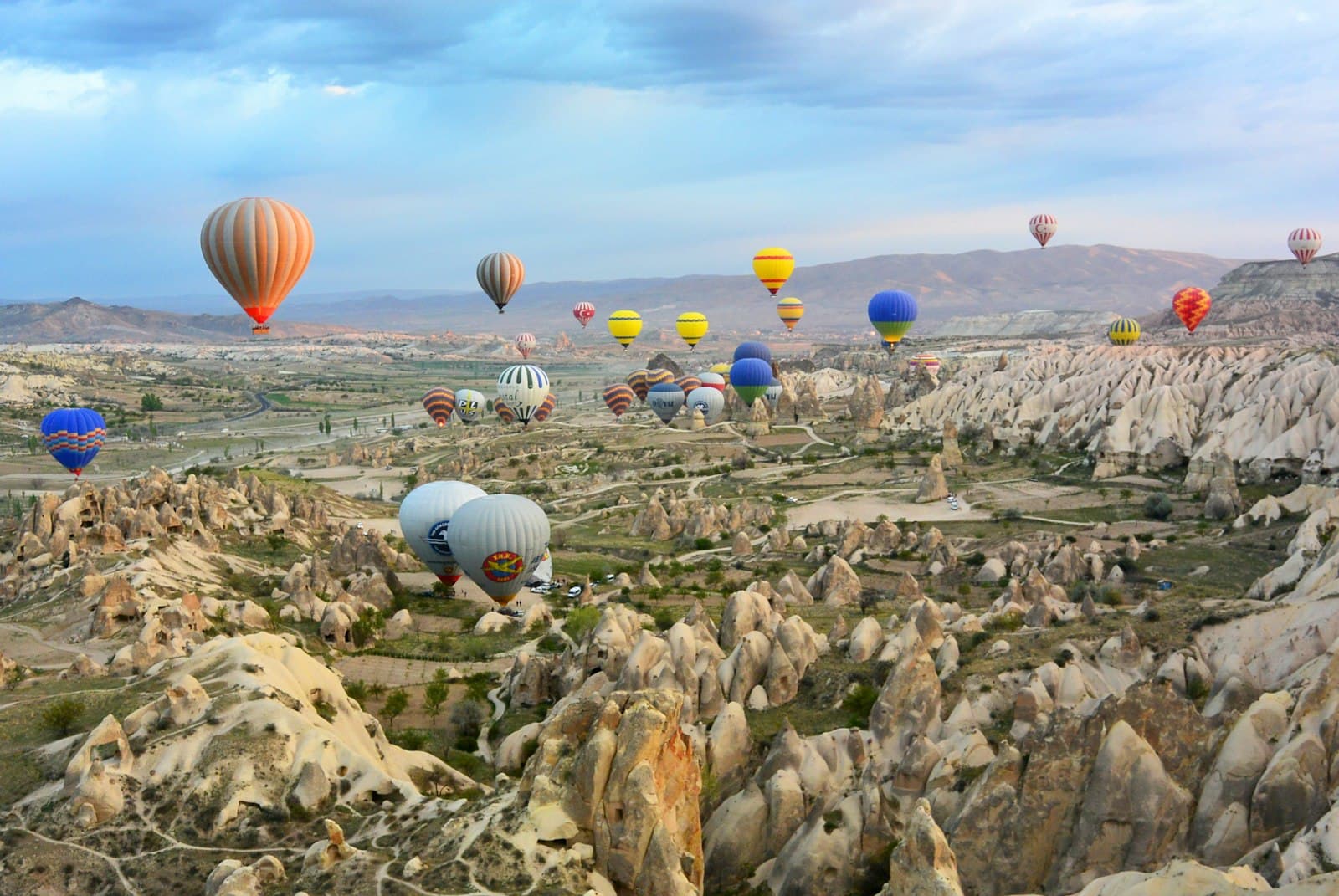
Il tuo tour audio autoguidato di Ürgüp è pronto — scegli i tuoi punti di interesse, seleziona la tua lingua e inizia nel momento in cui arrivi.
AcquistaLume include una guida in realtà aumentata. Alza il telefono: la fotocamera mostra la strada davanti a te, con una freccia luminosa sovrapposta all'immagine reale che punta sempre verso la tua prossima tappa — nessuna mappa da decifrare, nessuna svolta sbagliata. Come tutto in Lume, funziona completamente offline.
Ürgüp, una cittadina di spicco nella regione della Cappadocia in Turchia, offre una miscela distintiva di profondità storica e meraviglia naturale. A differenza di alcuni dei suoi vicini più focalizzati esclusivamente sul turismo, Ürgüp mantiene un vivace ritmo locale accanto al suo fascino per i visitatori. È riconosciuta per la sua cultura del vino, le singolari formazioni rocciose e le tradizionali dimore in pietra, molte delle quali sono state trasformate in boutique hotel rupestri.
Posizionata a est di Göreme e centralmente all'interno della Cappadocia, Ürgüp funge da eccellente punto di partenza per esplorare la regione più ampia. La città stessa è caratterizzata dalla sua architettura in tufo vulcanico, con molte case tradizionali parzialmente scavate nelle formazioni naturali. La sua atmosfera più urbana, combinata con una profonda connessione con il paesaggio vulcanico, la stabilisce come un importante centro culturale e logistico.
La storia di Ürgüp si estende ai tempi antichi, con reperti archeologici che suggeriscono insediamenti umani fin dal Paleolitico. La città iniziò a formarsi come un insediamento fortificato durante l'Impero Ittita. Durante il periodo bizantino, era conosciuta come Osiana o Assiana, e successivamente come Agios Prokopiios, in onore di San Procopio. Durante questo periodo, la Cappadocia divenne un santuario per i primi cristiani, che scavarono città sotterranee e chiese rupestri nella morbida roccia vulcanica.
Con l'arrivo dei Turchi Selgiuchidi in Anatolia, Ürgüp, allora chiamata Başhisar ('La Fortezza Principale'), si trasformò in un importante centro islamico. Moschee in pietra, madrase e tombe monumentali arricchirono il paesaggio urbano, consolidando il suo status di fulcro amministrativo e religioso. Sotto l'Impero Ottomano, la città continuò a prosperare, conosciuta per un periodo come Burgut Kalesi, e successivamente come Ürgüp. Molte delle squisite dimore in pietra, o konak, con le loro intricate incisioni, furono costruite durante quest'epoca, plasmando il carattere storico delle strade che si vedono oggi.
L'inizio del XX secolo portò significativi cambiamenti demografici a Ürgüp con lo scambio di popolazioni tra Grecia e Turchia nel 1923. Molte delle vecchie case greche, tangibili ricordi di una popolazione greco-ortodossa un tempo numerosa, furono lasciate indietro. Tuttavia, con l'ascesa del turismo dopo gli anni '80, Ürgüp conobbe una rinnovata vitalità. Oggi, si presenta come una delle principali destinazioni turistiche, celebrata per i suoi hotel rupestri, i vini locali e la vicinanza ai siti iconici della Cappadocia.
Ürgüp offre una varietà di attrazioni, sia all'interno della città che nei suoi immediati dintorni. Le iconiche formazioni geologiche delle Tre Bellezze (Üç Güzeller) sono una popolare sosta fotografica, caratterizzate dai loro alti e slanciati pilastri e dai cappelli arrotondati. Per ampie vedute di Ürgüp e del lontano Monte Erciyes, una salita sulla Collina Temenni (Collina dei Desideri) è altamente raccomandata, specialmente al tramonto. La collina presenta anche tombe selgiuchidi del XIII secolo. Esplorare le strade del Centro Storico rivela case tradizionali in pietra e dimore restaurate che riflettono l'architettura dell'era ottomana.
Ürgüp è nel cuore della regione vinicola della Cappadocia, e una visita a una cantina locale come Turasan o Kocabağ per una degustazione di vitigni autoctoni come l'Emir e il Kalecik Karası è un'esperienza memorabile. L'Ürgüp Museum, quando aperto, offre una modesta ma interessante collezione che spazia dalla preistoria al periodo ottomano, includendo monete antiche e icone del XIX secolo. Le attrazioni vicine includono la Città Sotterranea di Mazi, che offre uno spaccato della vita sotterranea antica con i suoi tunnel, spazi abitativi e chiese, e la serena Valle di Pancarlık, nota per le sue formazioni rocciose e le antiche chiese rupestri adornate di affreschi.
I periodi ideali per visitare Ürgüp sono la primavera (da aprile a giugno) e l'autunno (da settembre a novembre). Queste stagioni offrono temperature miti, rendendole confortevoli per attività all'aperto, visite turistiche ed esplorazione delle attrazioni della regione. L'estate (da giugno a settembre) porta pomeriggi caldi e serate piacevoli, con luglio come mese più caldo. Gli inverni (da dicembre a marzo) sono freddi e possono essere nevosi, ma offrono un'esperienza più tranquilla con meno visitatori. Ürgüp, funzionando sia come città residenziale che come base turistica, rimane attiva tutto l'anno.
Ürgüp è facilmente percorribile a piedi, anche se alcune salite, in particolare verso aree come Esbelli, possono essere ripide. Sono disponibili collegamenti con i trasporti pubblici, e la città si trova a circa 10 minuti di auto da Göreme. Per coloro che arrivano in aereo, Ürgüp dista circa 45 minuti dall'aeroporto di Nevşehir Kapadokya (NAV) e 60 minuti dall'aeroporto di Kayseri (ASR), con servizi navetta che operano regolarmente. Le opzioni di alloggio vanno da distintivi hotel rupestri a storiche dimore in pietra e moderne pensioni; si consiglia la prenotazione anticipata, soprattutto per soggiorni tradizionali. La via principale per lo shopping, Kayseri Caddesi, offre una varietà di beni, tra cui antiquariato, gioielli e artigianato locale.
Ürgüp — coreano, cinese, ebraico e altre 29 lingue, ogni tappa narrata da una voce madrelingua. La più ampia scelta di lingue tra i tour audio autoguidati.
Disponibile in: