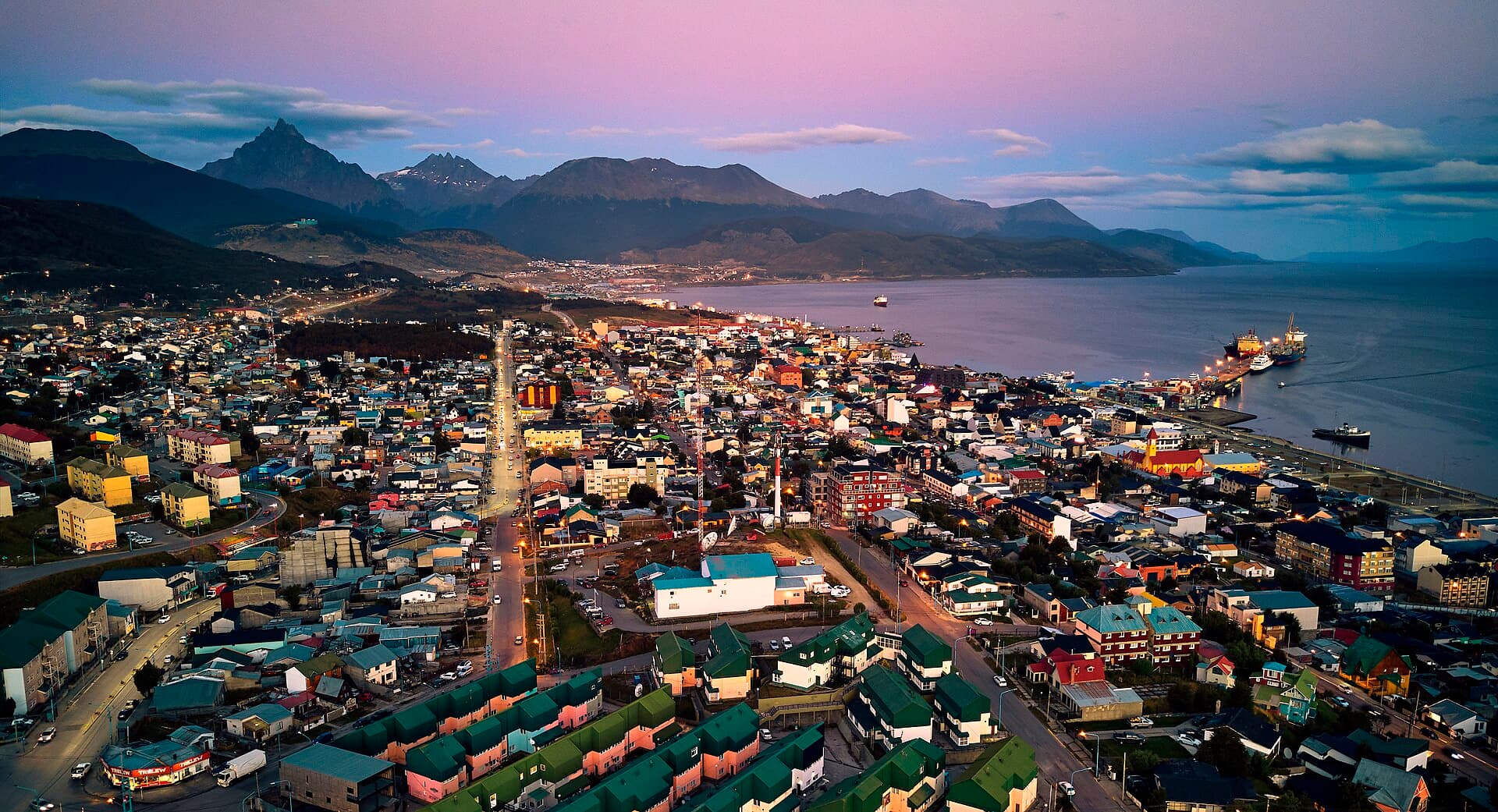
Ushuaia, ArgentinaDeensel / CC BY 2.0, via Wikimedia Commons
AR

Ushuaia

Where the world ends, adventure begins.

The secrets of Ushuaia

Ushuaia, as no one tells it.

Not the postcards. The stories even locals don't know — whispered in your ear, right where they happened.

3 secrets below. Many more wait inside the tour.
The Maritime and Prison Museum of Ushuaia

The infamous prison, often called 'Argentina's Alcatraz,' held some of the country's most dangerous criminals and political dissidents.

Full story unlocks in the tour
Martial Glacier

Just a short distance from the city, the Martial Glacier offers sweeping views of Ushuaia and the Beagle Channel.

Full story unlocks in the tour
The 'End of the World' Passport Stamp

Many visitors to Ushuaia seek out the unique 'End of the World' stamp for their passports.

Full story unlocks in the tour
The full tour

Discover every secret of Ushuaia

Every address, every reveal in full — in your ear, right where it happened.

Get the key to Ushuaia

You pick your stops. You walk. The voice reveals what the others miss.

Choose your time

How long do you have in Ushuaia?

No tours available yet. Check back soon — we're preparing them.

About Ushuaia

The story of Ushuaia

Ushuaia, the capital of Argentina's Tierra del Fuego province, holds the distinction of being the world's southernmost city. Situated on the Beagle Channel, with the Martial Mountains rising behind it, Ushuaia offers a dramatic landscape where the Andes meet the sea. This remote location, often referred to as 'El Fin del Mundo' (The End of the World), serves as a popular gateway for Antarctic expeditions and a hub for exploring the natural wonders of Patagonia. The city's unique geography means the Andes mountain range, which typically runs north-south, here runs west to east due to a tectonic fault.

Despite its extreme southerly setting, Ushuaia is a lively city with a population of over 89,000 residents. It has transformed from a missionary base and penal colony into an active tourist destination, complete with a bustling port, restaurants, and shops. The city's character is shaped by its isolation and the wild nature that surrounds it, offering a blend of modern amenities and raw, untamed beauty. Ushuaia is also notable for its duty-free shopping and some of the highest average salaries in Argentina, though living costs are also elevated due to the need to import many goods.

History

From Indigenous Lands to Penal Colony

The area around Ushuaia was originally inhabited by indigenous peoples, primarily the Yámana (also known as Yaghan) and Selk'nam tribes, for thousands of years. The Yámana were a nomadic, canoe-dwelling people who navigated the Beagle Channel, hunting sea lions, fish, and birds, and were known for keeping fires lit permanently in their canoes. The Selk'nam, on the other hand, were semi-nomadic hunters of guanacos on the open steppe.

European contact began in the early 19th century, with Captain Robert FitzRoy of the HMS Beagle first reaching the channel in 1833. The city's name, Ushuaia, derives from a Yámana word meaning 'deep bay' or 'bay penetrating westward.' British Anglican missionaries established the first non-native settlement in 1869, with Waite Hockin Stirling being the first European to live there.

Ushuaia officially came under Argentine control when Commodore Augusto Lasserre established a sub-division on October 12, 1884, raising the Argentine flag to reaffirm sovereignty. In 1896, Ushuaia was designated as a remote penal colony, a decision that profoundly shaped its development. The prison, which housed hardened criminals and political dissidents, officially opened in 1921, though construction began in 1902. Prisoners were instrumental in building the city's infrastructure, including roads, buildings, and a railway to transport timber. The prison operated until 1947, when it was closed by order of President Juan Domingo Perón. Today, the former prison building houses the Maritime and Prison Museum, offering a glimpse into this significant period of Ushuaia's past.

Modern Development

After the closure of the prison, Ushuaia continued to grow, fueled by sheep farming, timber, and a small offshore oil field. In the late 20th century, it emerged as a crucial hub for Antarctic exploration, due to its deep port and proximity to the continent. Today, tourism is a major industry, with the city serving as a base for hiking, winter sports, and cruises to Antarctica.

What to see

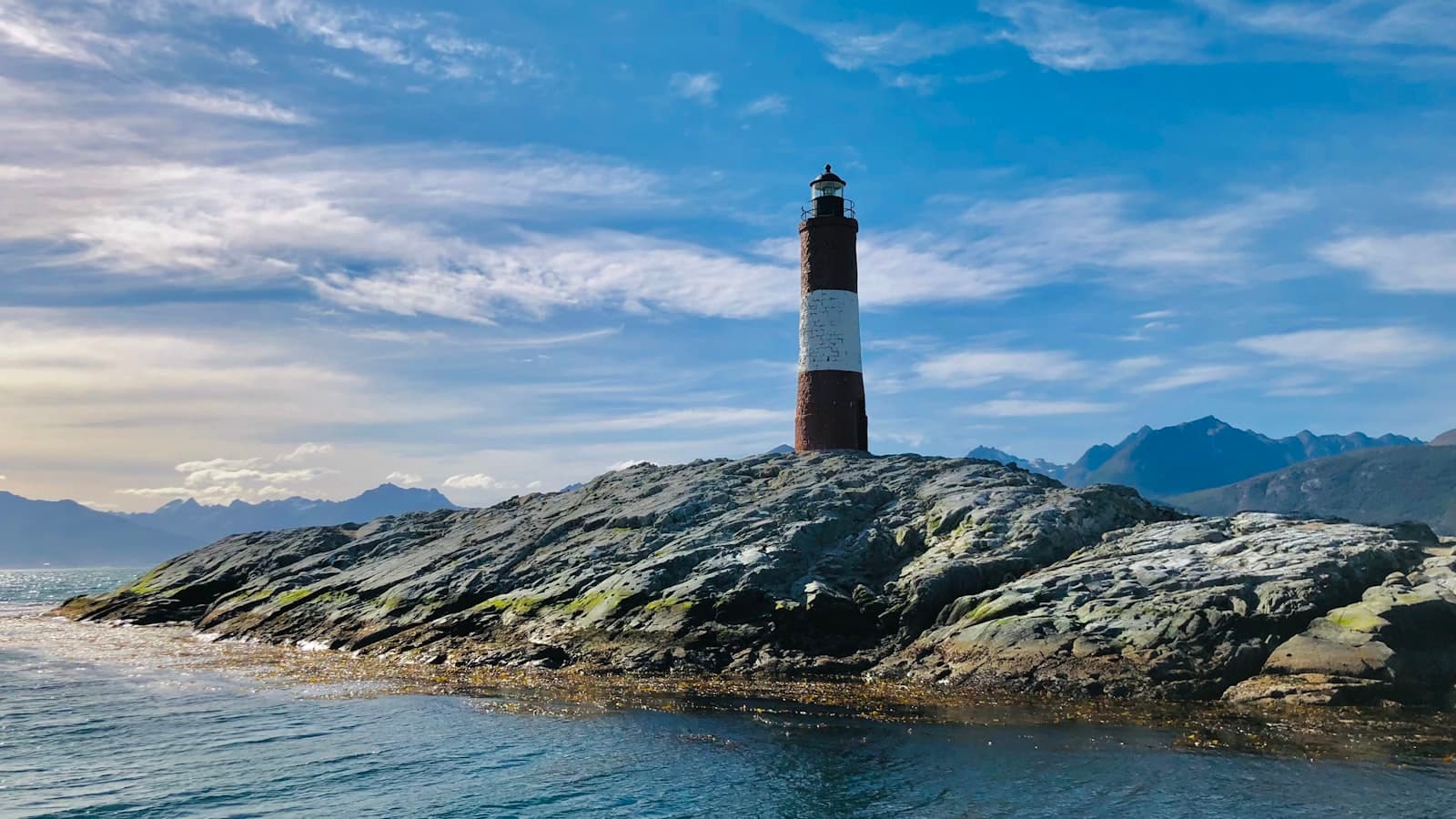
Ushuaia offers a range of activities, from exploring its unique history to immersing oneself in the dramatic Patagonian landscape. A boat tour of the Beagle Channel is a popular choice, providing views of sea lion and cormorant colonies, as well as the iconic Les Eclaireurs Lighthouse. For a truly memorable wildlife encounter, consider a tour to Martillo Island to walk among Magellanic and Gentoo penguins, which are present from mid-October to mid-April.

On land, the Tierra del Fuego National Park, just west of the city, is a compelling visit. This park, Argentina's only national park encompassing marine, forest, and mountain environments, offers numerous hiking trails and memorable scenery. The End of the World Train (Tren del Fin del Mundo) provides a scenic journey into the park, tracing the route once used by prisoners. For sweeping views of Ushuaia and the Beagle Channel, a hike to Martial Glacier is highly recommended. In winter, the glacier area also offers opportunities for skiing and snowboarding.

Within the city, delve into Ushuaia's past at the Maritime and Prison Museum, housed in the former penitentiary. The museum details the prison's history, maritime expeditions, and the lives of the region's indigenous peoples. The Museo del Fin del Mundo (End of the World Museum) also offers insights into the area's natural history, birdlife, and early settlers, with exhibits spread across two buildings. Avenue San Martín is the main thoroughfare for shopping and dining, offering a chance to experience the city's lively atmosphere.

When to visit

The austral summer, from December to March, is generally considered the best time to visit Ushuaia. During these months, temperatures are milder, averaging around 10-16°C (50-61°F), and daylight hours are extended, with up to 17-18 hours of light. This period is ideal for outdoor activities like hiking, kayaking, and exploring Tierra del Fuego National Park. It's also prime time for seeing penguins on Martillo Island, as they arrive in October and stay until late March.

While summer is popular, shoulder seasons like spring (September to November) and autumn (March to April) offer good value with fewer crowds and lower prices. Autumn, in particular, showcases striking fall foliage in the lenga beech forests. Winter (June to October) brings snow and opportunities for skiing at Cerro Castor, though days are shorter and colder.

Practical

Ushuaia is accessible by air, with daily flights from Buenos Aires to Malvinas Argentinas Ushuaia International Airport. Flights from El Calafate are also available. Booking flights in advance is recommended, as prices tend to rise closer to departure. If traveling by car, be prepared for long drives across Patagonia and border crossings with Chile.

Given Ushuaia's changeable weather, even in summer, dressing in layers is crucial. Pack waterproof outer layers, comfortable walking or trekking shoes, and thermal clothing. Sunscreen is also advisable during the long summer days. US dollars are widely accepted, but it's important to have Argentine pesos for national park entry fees, as credit cards are not accepted there. Booking accommodation in advance, especially during high season (January, February, July, and August), is highly recommended due to the high number of visitors.

Good to know
What does 'Ushuaia' mean?
The name 'Ushuaia' comes from the indigenous Yámana or Yaghan language and means 'bottom bay' or 'deep bay.'
Is Ushuaia truly the southernmost city in the world?
Ushuaia claims the title of the world's southernmost city. While Puerto Williams in Chile is technically further south, its smaller population means Ushuaia generally holds the 'city' designation.
What is the End of the World Train?
The End of the World Train (Tren del Fin del Mundo) is a tourist railway that follows the route once used by prisoners from the Ushuaia prison to collect timber from the surrounding forests, now part of Tierra del Fuego National Park.
Can I see penguins in Ushuaia?
Yes, Magellanic and Gentoo penguins can be seen on Martillo Island, typically from mid-October to mid-April.
What kind of weather should I expect?
Ushuaia's weather is highly unpredictable, often experiencing sunshine, wind, rain, and even snow all in one day. Temperatures in summer (December-March) average 10-16°C, while winter (June-October) can see temperatures around freezing.
What is the Martial Glacier?
The Martial Glacier is a natural reserve located just a few kilometers from Ushuaia, offering hiking opportunities in summer and skiing in winter, along with sweeping views of the city and the Beagle Channel. It is also an important source of drinking water for Ushuaia.
Ushuaia
From€9.00
No booking · activate anytime · 12h to walk it
Get the key to Ushuaia