Vaasa, as it stands today, is not its original self. The city you see was built after a devastating event, yet fragments of its former life recount a narrative of endurance.
Fenn-O-maniC / CC BY-SA 4.0, via Wikimedia CommonsVaasa
“Where the land rises from the sea, a city reborn from ashes.”
Vaasa, as no one tells it.
Not the postcards. The stories even locals don't know — whispered in your ear, right where they happened.
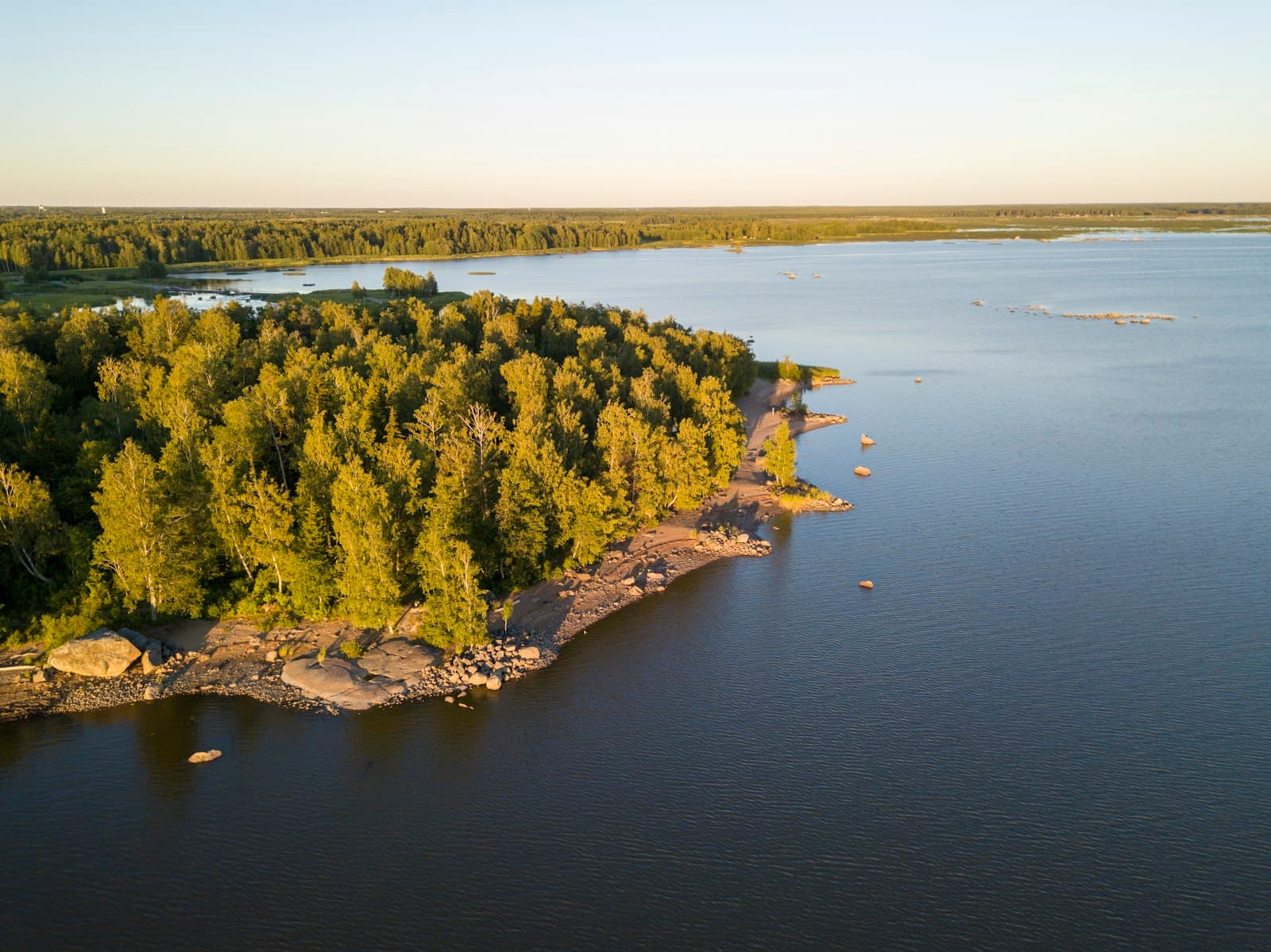
Picture a place where the very earth beneath your feet is in constant flux, growing and reshaping the contours of the land.
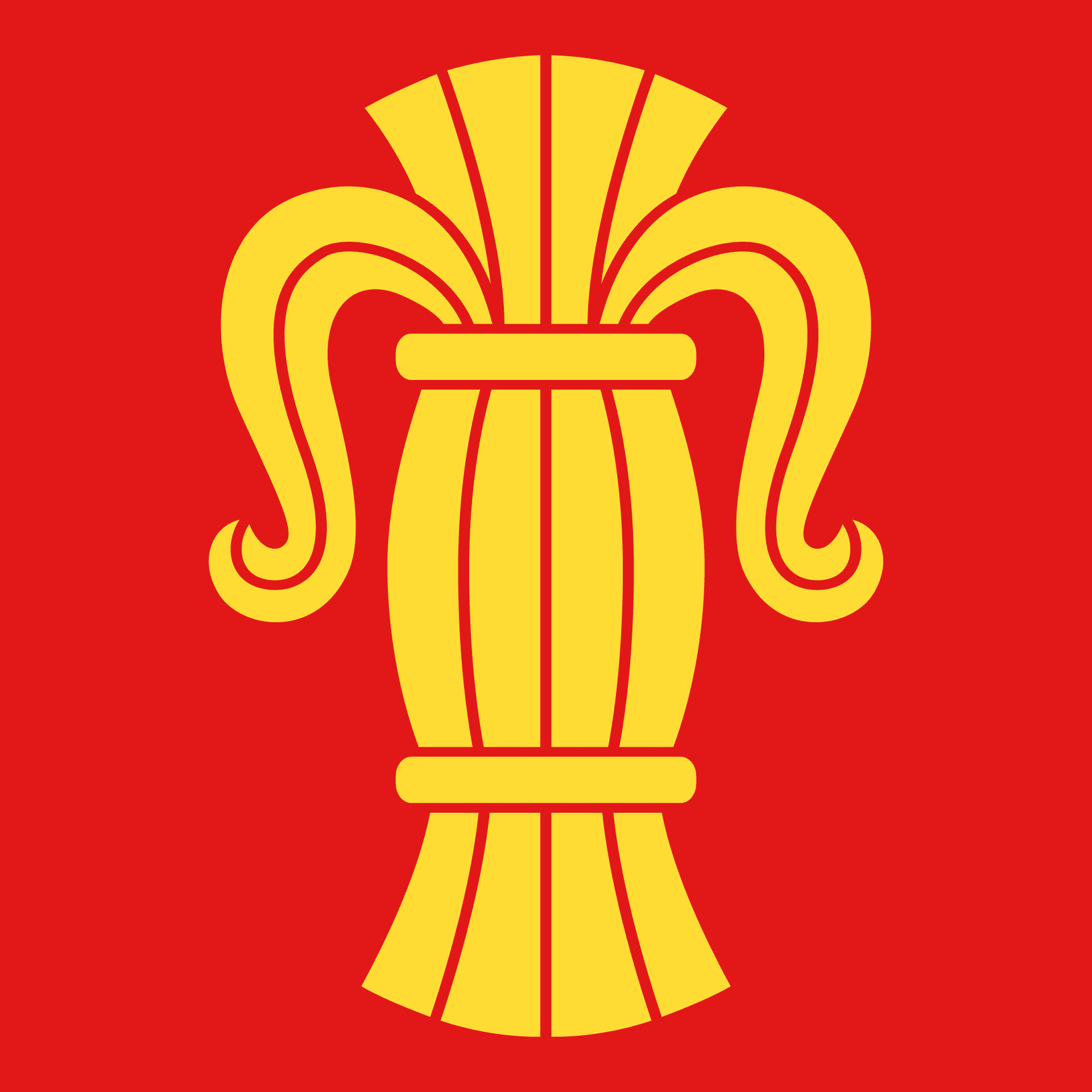
The city's official emblem carries a deep meaning, a nod to its royal beginnings and a pivotal moment in Finnish history.
Discover every secret of Vaasa
Every address, every reveal in full — in your ear, right where it happened.
You pick your stops. You walk. The voice reveals what the others miss.
How long do you have in Vaasa?
No tours available yet. Check back soon — we're preparing them.
The story of Vaasa
Vaasa, a coastal city on Finland's western edge, presents a distinct fusion of urban existence and natural splendor. Recognized as one of Finland's sunniest cities, it serves as a bilingual center where both Finnish and Swedish are widely spoken, reflecting its enduring connections to Sweden. The city's bond with the sea is palpable, from its active harbor to the nearby Kvarken Archipelago, a UNESCO World Heritage site where the very land steadily ascends from the water.
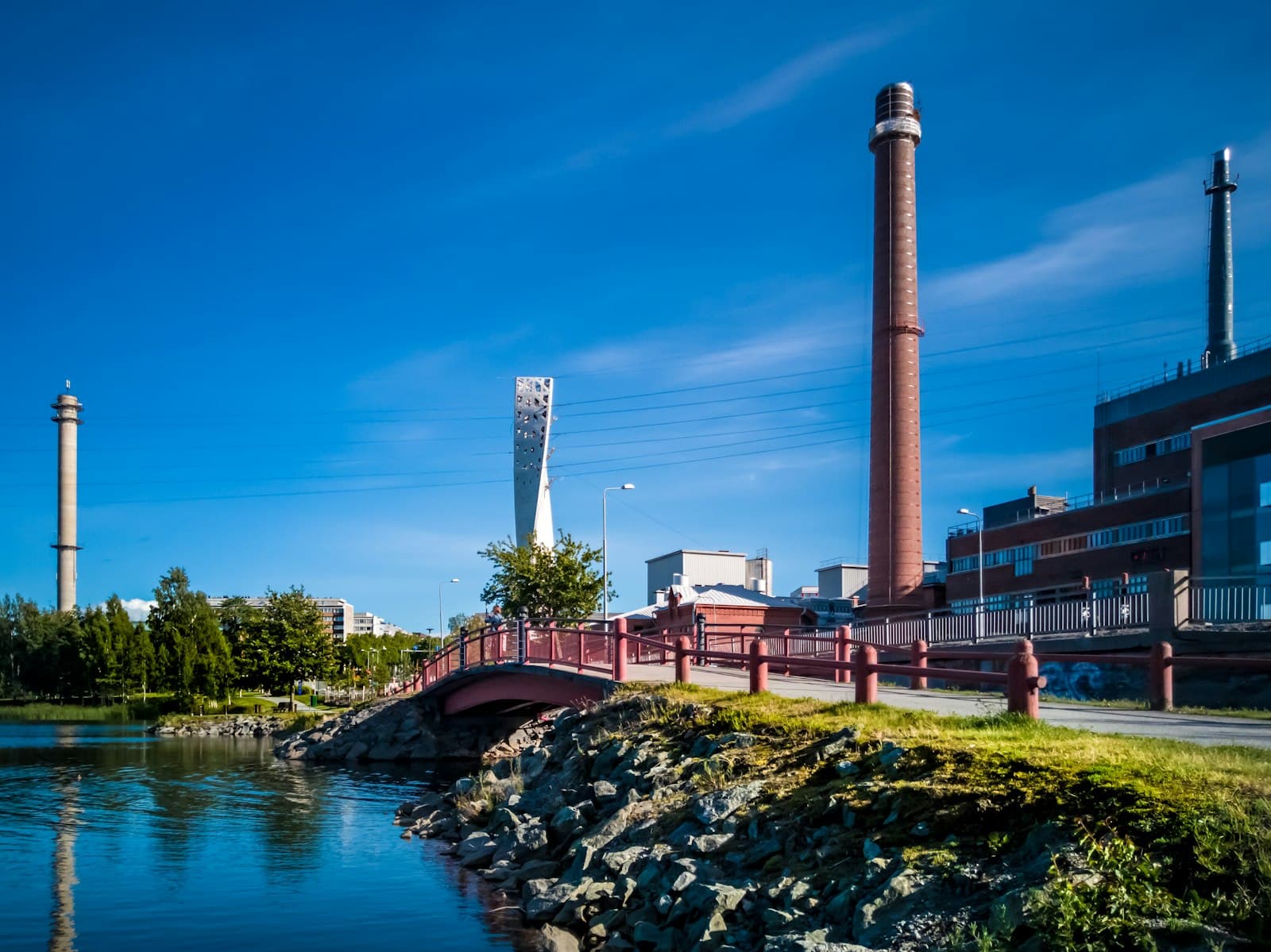
Beyond its maritime allure, Vaasa is a lively university city with a substantial student population, contributing to its global atmosphere. It is also acknowledged as the 'Energy Capital' of the Nordic countries, home to a concentration of companies within the energy sector. Whether exploring its layered past, enjoying its many museums, or venturing into the singular surrounding landscapes, Vaasa offers a comprehensive and engaging experience.
## From Royal Charter to Rebirth Vaasa's origins trace back to a settlement established in 1606 by King Charles IX of Sweden near Korsholm Castle. In 1611, it received a municipal charter and was named after the Swedish royal House of Vasa. The 17th century saw Vaasa thrive, primarily driven by shipbuilding and the lucrative tar trade, which was essential for European shipping. The city also established itself as an early educational center, with the first Trivial School founded in 1684 and Finland's first public library opening in 1794.
In 1776, Vaasa gained further administrative importance with the establishment of Finland's second Court of Appeal. However, a calamitous fire in 1852 nearly erased the old wooden city, leaving thousands without shelter. The decision was made to rebuild Vaasa closer to the sea, approximately 8 kilometers from its original location, with broader avenues designed to avert future fires. For a period until 1917, the rebuilt city was officially known as Nikolainkaupunki, though locals continued to use the traditional name.
During the Finnish Civil War in 1918, Vaasa played a critical role, serving briefly as the capital of 'White Finland' and hosting the Senate of Finland. This period earned Vaasa the designation 'The White City' and led to the singular honor of adding the Cross of Freedom to its coat of arms. Today, Vaasa continues to evolve, preserving its historical character while embracing its status as a modern energy hub and a significant cultural and educational center in Ostrobothnia.
Begin your exploration in Vaasa by walking around the central market square (Kauppatori), a traditional area where you can find fresh produce and local flavors. The city is very walkable, allowing you to easily explore its mixture of new and historic buildings, shops, cafes, and restaurants.
For a deeper journey into the past, visit the ruins of Old Vaasa (Vanha Vaasa), located about 7 kilometers from the current city center. Here, you can wander among the stone remnants of St. Mary's Church and the bell tower, which withstood the 1852 fire. Those who appreciate nature should head to the Kvarken Archipelago, Finland's only natural UNESCO World Heritage Site, to observe the ongoing land uplift. The World Heritage Gateway Visitor Centre, near the Raippaluoto bridge, is an excellent starting point for exploring the archipelago by boat, bike, or on foot.
Vaasa offers a strong museum experience, including the Ostrobothnian Museum for regional history and artifacts, and the Kuntsi Museum of Modern Art, housed in a former customs warehouse, displaying significant modern and contemporary Finnish art. The Tikanoja Art Museum provides a more classical art experience in a former private home. Do not overlook Vaasa's beaches, such as Hietasaari, Mansikkasaari, and Strömsö, which are popular spots for observing people and enjoying the scenery, especially during the summer.
The ideal time to visit Vaasa is during the summer months, from early June to mid-August. During this period, the city experiences long, sunny days and mild temperatures, with average daily highs in July approaching 20°C (68°F). Summer terraces and outdoor festivals are common, and the many beaches become lively. While summer is perfect for warm-weather activities and exploring the archipelago, be prepared for occasional rainy days and cooler evenings. For those interested in the Northern Lights, the optimal viewing season extends from September through March, with peak activity in September.
Vaasa is readily accessible, with Vaasa Airport (VAA) situated just 8.9 km from the city center, offering regular regional connections. Travel from the airport to downtown Vaasa is convenient by taxi or bus. As a coastal city, Vaasa can be breezy, so consider packing layers. In winter, thermal clothing, a windproof coat, and sturdy, anti-slip boots are essential for freezing temperatures and snow. For summer visits, lighter clothing is suitable, but a jacket for cooler evenings is advisable.
Vaasa is generally more affordable than larger Finnish cities like Helsinki. Accommodation prices are mid-range, but it is recommended to book in advance, especially during the peak summer season in July, as the city is a popular destination and a busy university hub. Public transport within Vaasa is not extensive due to the city's size, but it is a very walkable city, and cycling is also a popular option. For newcomers, the Welcome Office provides free guidance and information in multiple languages on various aspects of settling in Vaasa.
- What languages are spoken in Vaasa?
- Vaasa is a bilingual municipality, with both Finnish and Swedish as official languages. Approximately 62% of the population speaks Finnish, and 23% speaks Swedish, alongside a strong Swedish cultural presence.
- Is Vaasa a good place for students?
- Yes, Vaasa is a significant university city, with every fifth resident being a student. It is home to the University of Vaasa, Vaasa University of Applied Sciences, Novia University of Applied Sciences, and faculties of Åbo Akademi University, University of Helsinki, and Hanken School of Economics.
- Can I see the Northern Lights in Vaasa?
- Yes, Vaasa offers good viewing quality for the Northern Lights, with regular displays in autumn and winter. The optimal viewing season is from September through March, with September being statistically the best month due to peak aurora activity and sufficient darkness.
- What is the Kvarken Archipelago?
- The Kvarken Archipelago is Finland's only natural UNESCO World Heritage Site. It is known for its unique geological phenomenon of land uplift, where the land continuously rises from the sea, creating a constantly changing landscape.
- How do I get around Vaasa?
- Vaasa is a compact and very walkable city, making it easy to explore most of the city center on foot or by bicycle. While public transport exists, it is not as extensive as in larger cities.
- Is Vaasa expensive?
- Vaasa is generally more affordable than larger Finnish cities like Helsinki, Espoo, or Tampere. Rent and everyday expenses are noticeably lower, offering a comfortable lifestyle.