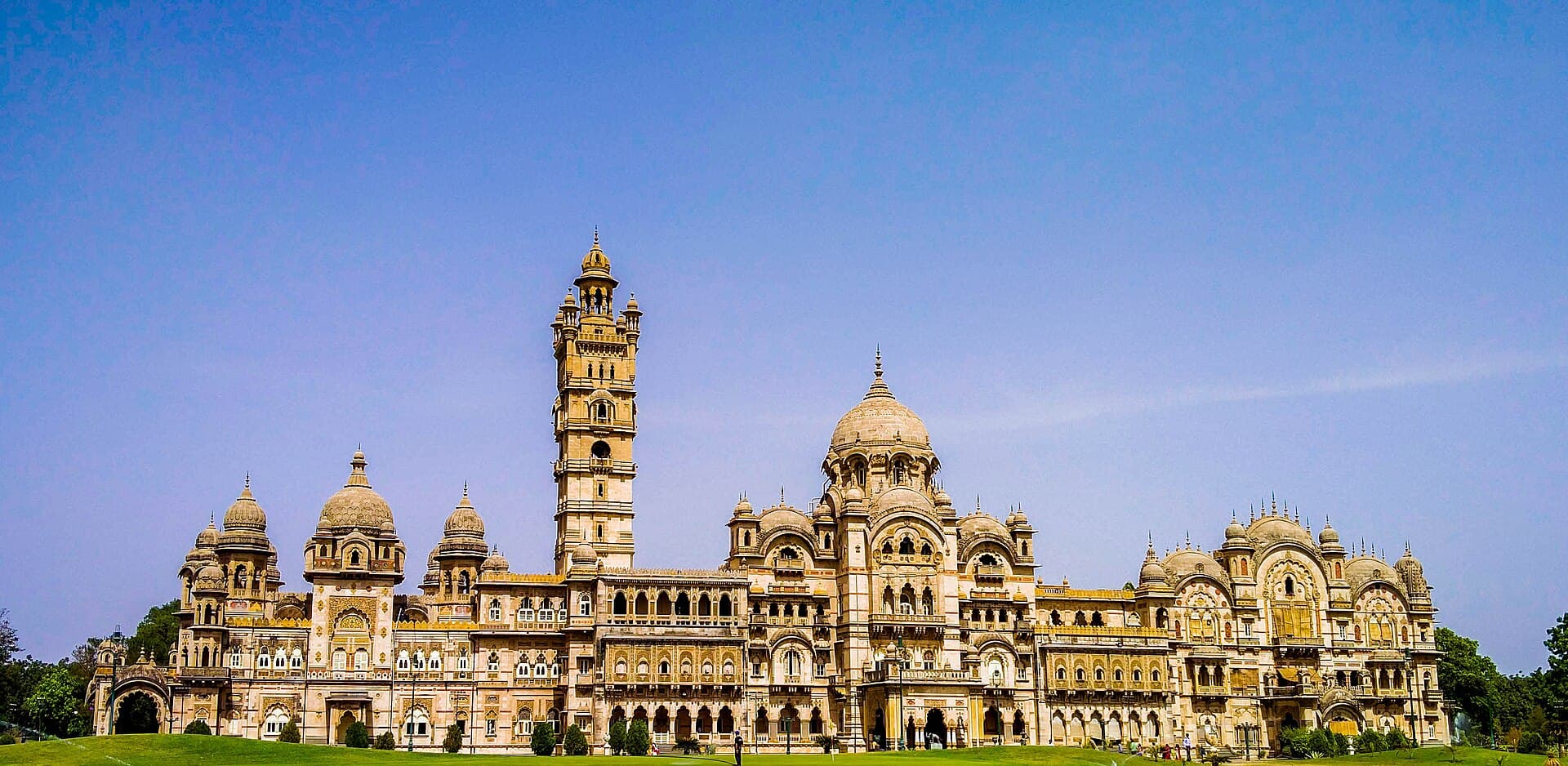
This sprawling palace, four times the size of Buckingham Palace, was designed for a royal couple. Yet, a specific room, vital for the Gaekwad lineage, holds a surprisingly humble secret.
Sharadsy / CC BY-SA 4.0, via Wikimedia CommonsVadodara
“Where banyan trees once shaded a royal legacy, culture thrives in every corner.”
Vadodara, as no one tells it.
Not the postcards. The stories even locals don't know — whispered in your ear, right where they happened.
This central city lake, once a small pond, is believed to hold a passage from its original builder's home.
Beyond its bustling platforms, a local legend speaks of portals beneath the tracks, leading to an unseen city.
Discover every secret of Vadodara
Every address, every reveal in full — in your ear, right where it happened.
You pick your stops. You walk. The voice reveals what the others miss.
How long do you have in Vadodara?
No tours available yet. Check back soon — we're preparing them.
The story of Vadodara
Vadodara, also known as Baroda, is a city in the Indian state of Gujarat, situated on the banks of the Vishwamitri River. Its name, derived from 'Vadodará' or 'Vadpatraka,' is believed to come from the Sanskrit word 'vatodar,' meaning 'in the heart of the banyan tree,' referencing the abundance of banyan trees in the area. Often called the 'Cultural City' (Sanskrutik Nagari) and 'City of Art' (Kala Nagari) of India, Vadodara is a significant cultural and educational hub.
The city's strategic location on the fertile plains between the Mahi and Narmada Rivers, and its position on major trade routes, have contributed to its historical and economic importance. Vadodara is known for its blend of tradition and modernity, evident in its grand architecture, lively culture, and diverse industries, including petrochemicals, engineering, and pharmaceuticals.
From Ancient Settlements to Princely State
The earliest recorded history of Vadodara dates back to 812 AD, with mentions of a village called Vadapadraka. However, the region's history stretches further, with evidence of human habitation from prehistoric times. Around the 9th century, the area of present-day Akota, then known as Ankottaka, was a prominent center for Jainism.
Over centuries, Vadodara saw the rule of various dynasties. The Gupta Empire held sway in the early Christian Era, followed by the Chalukya and Solanki dynasties. The city was also known as Chandanavati, named after Raja Chandan of the Dor tribe of Rajputs. Muslim rule spread across India, and Vadodara fell under the Delhi Sultans, who were later overthrown by the Mughals.
The Marathas, under the Gaekwad dynasty, eventually took control, establishing Vadodara as their capital. The glorious reign of the Gaekwads began in 1726 when Maratha General Pilaji Rao Gaekwad conquered Songadh from the Mughals. The Gaekwads intensified their hold over Gujarat, becoming powerful rulers. Maharaja Sayajirao Gaekwad III, who ruled from 1875 to 1939, is particularly celebrated for ushering in a 'Golden Period' of progress and achievements. He introduced compulsory and free primary education in 1906, making Baroda State one of the best-administered states in British India. During the British Raj, Baroda remained a princely state until its accession to the newly formed Union of India in 1949. The city's official name was changed back to Vadodara in 1974.
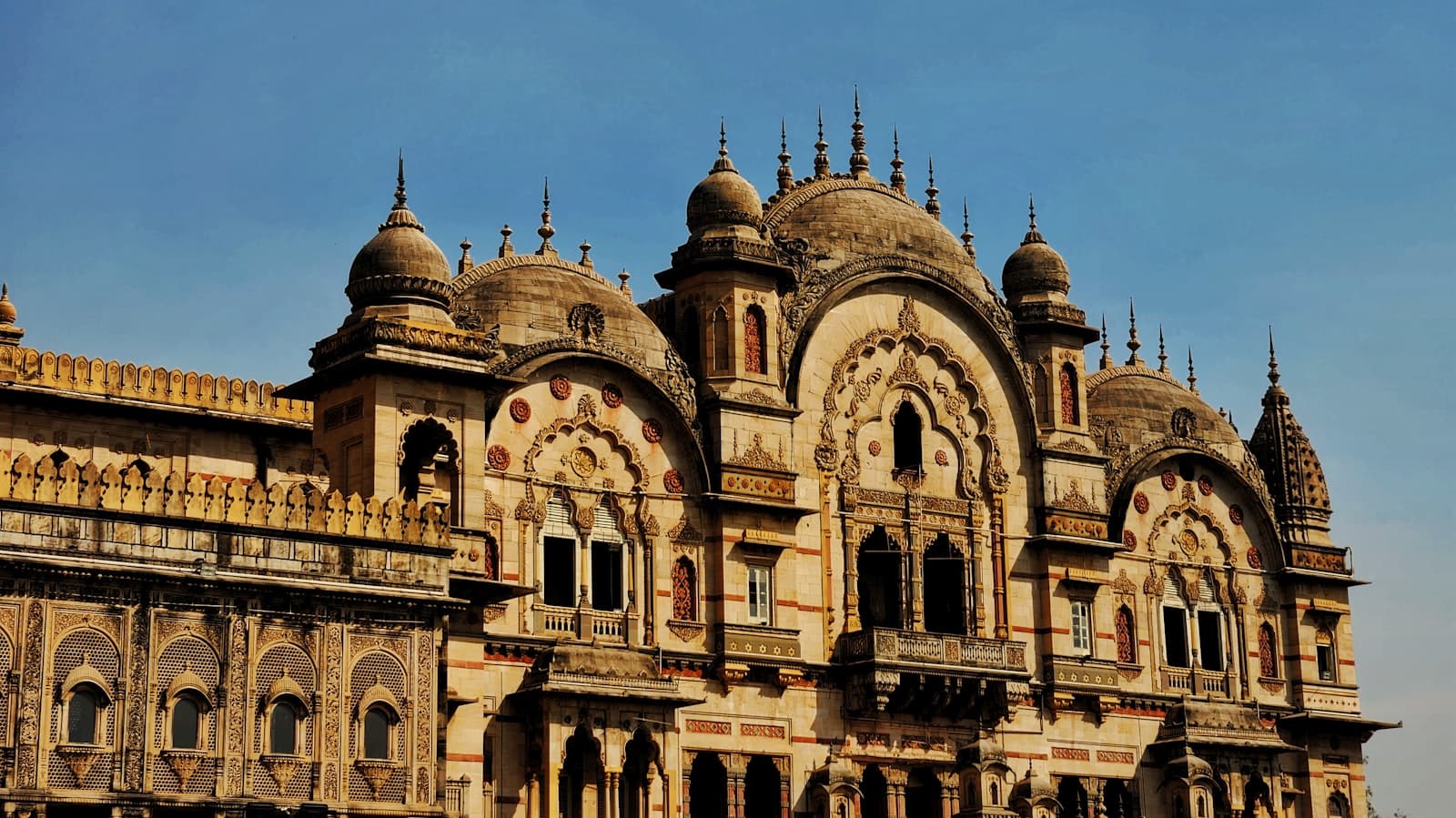
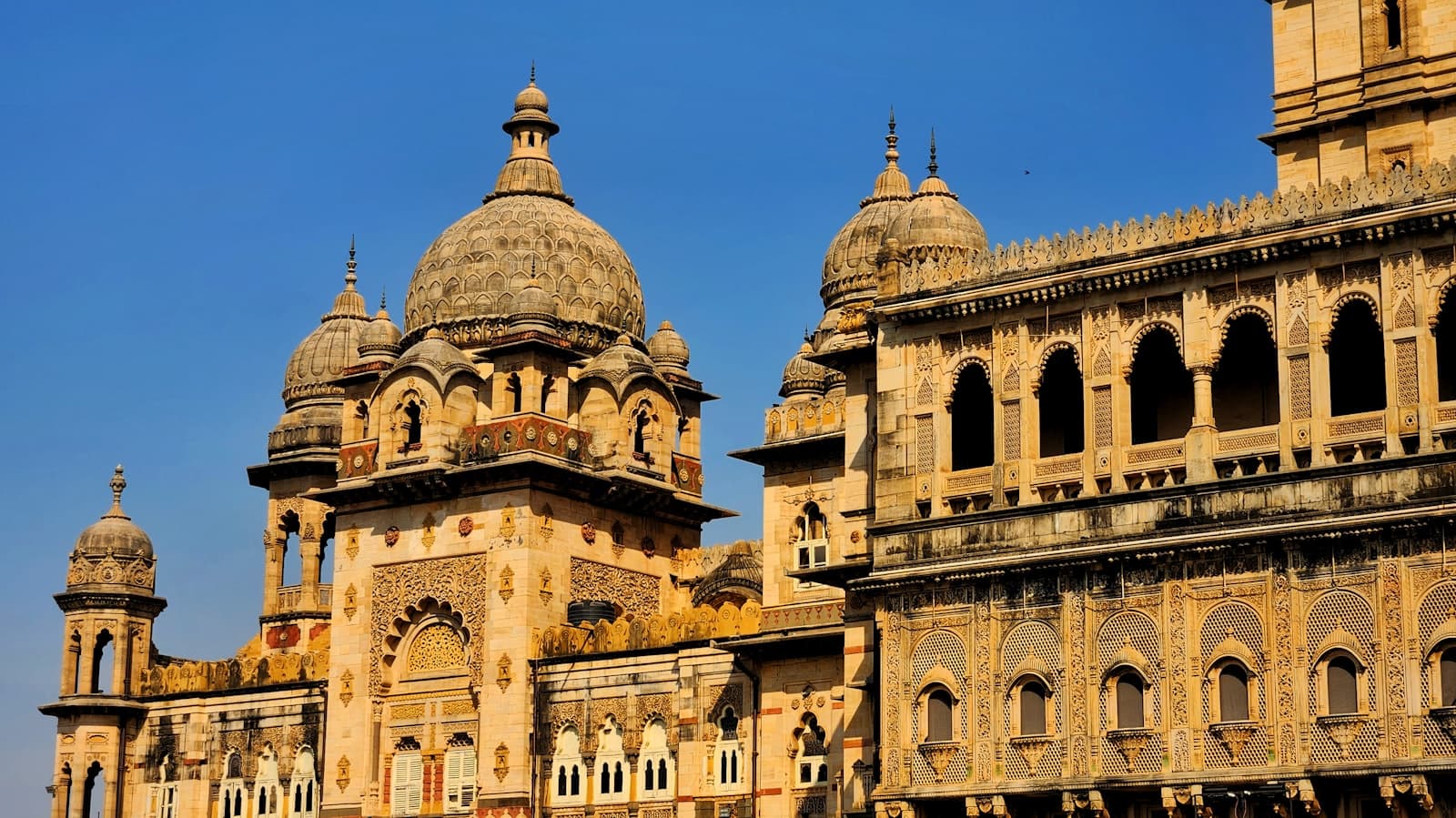
Vadodara offers a range of attractions reflecting its royal past and cultural spirit. The Laxmi Vilas Palace, built in 1890, is a monumental private residence, four times the size of Buckingham Palace, showcasing Indo-Saracenic architecture. A portion of the palace is open to the public, featuring a museum with European paintings, sculptures, and artifacts. The palace grounds also encompass the Maharaja Fateh Singh Museum, which houses the royal family's private collection of art.
For a green escape, Sayaji Baug, also known as Kamati Baug, is an expansive public garden spanning over 100 acres. It features a zoo, a planetarium, a health museum, and the Baroda Museum & Picture Gallery, which displays a diverse collection including an Egyptian mummy and a blue whale skeleton. The EME Temple is a unique modern temple dedicated to Lord Shiva, constructed with aluminum sheets and surrounded by ancient statues, reflecting elements from multiple religions.
Other notable sites include Kirti Mandir, a memorial built in 1936 to commemorate Maharaja Sayajirao Gaekwad III's Diamond Jubilee, dedicated to the ancestors of the Gaekwad family. The Nyay Mandir (Temple of Justice), originally built as a market, was repurposed as a court by Maharaja Sayajirao due to its architectural grandeur. The serene Sursagar Lake, in the heart of the city, is a popular spot for quiet walks.
Beyond the city, the Champaner-Pavagadh Archaeological Park, a UNESCO World Heritage site, is approximately 45 kilometers northeast of Vadodara and offers a glimpse into medieval architecture.
The ideal time to visit Vadodara is during the cooler months, from October to March. During this period, the weather is pleasant and mild, with average temperatures ranging from 15°C to 30°C. This season is perfect for exploring and outdoor activities, with less humidity. The city also comes alive with festivals, especially Navratri, which attracts many visitors. Summers, from March to June, are hot and dry, with temperatures reaching up to 45°C, making it the off-season. The monsoon season, from July to September, brings moderate rainfall and lush greenery, but also humidity.
Vadodara is well-connected by air, rail, and road. The Civil Airport Harni (BDQ) is about eight miles from the city, with taxi services available. Vadodara Junction is a major railway hub on the Mumbai-Delhi Western Railway Main Line, with services from across India. The city is also accessible by national highways connecting Delhi and Mumbai. Buses operate from various parts of Gujarat and western India, with air-conditioned intercity options recommended.
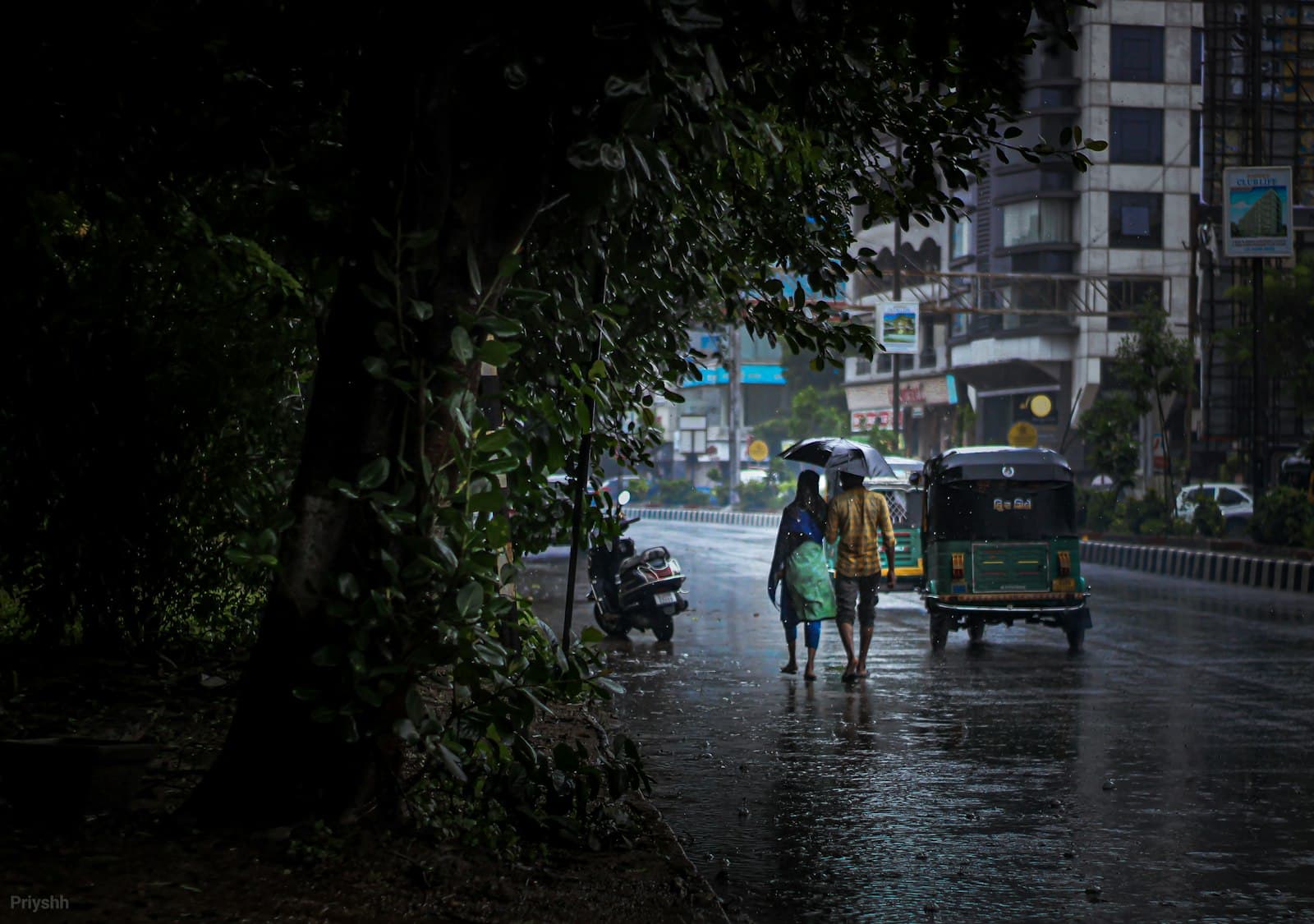
Accommodation rates are generally higher during the peak cooler season (October to March) due to increased tourism. More affordable rates can be found during the monsoon and off-season. While exploring, consider local transport like auto-rickshaws or ride-sharing services. Many attractions, such as the Baroda Museum & Picture Gallery, prohibit photography inside, so be mindful of local rules.
- What is Vadodara known for?
- Vadodara is known as the 'Cultural City' and 'City of Art' of India, celebrated for its history, grand architecture like the Laxmi Vilas Palace, lively culture, and educational institutions.
- What was Vadodara's former name?
- Vadodara was formerly known as Baroda. It was also historically called Chandanavati, Virakshetra, and Vadpatraka.
- What is the Laxmi Vilas Palace?
- The Laxmi Vilas Palace is a monumental private residence built in 1890 for the Gaekwad royal dynasty, four times the size of Buckingham Palace, and a prime example of Indo-Saracenic architecture.
- Are there any natural attractions in Vadodara?
- Yes, Sayaji Baug (Kamati Baug) is a large public garden with a zoo and planetarium. Sursagar Lake is also a prominent natural feature within the city.
- What is the best way to get around Vadodara?
- Local transport options include auto-rickshaws and ride-sharing services. Vadodara is also well-connected by rail and road, making it easy to reach various attractions.
- Is photography allowed in all attractions?
- No, photography is often prohibited inside many attractions, such as the Baroda Museum & Picture Gallery and parts of the Laxmi Vilas Palace. It's advisable to check specific rules at each location.