Schloss Vadstena
Das prächtige Renaissanceschloss, das heute steht, war nicht immer für den königlichen Wohnsitz vorgesehen.
Die ganze Geschichte wird in der Tour freigeschaltet
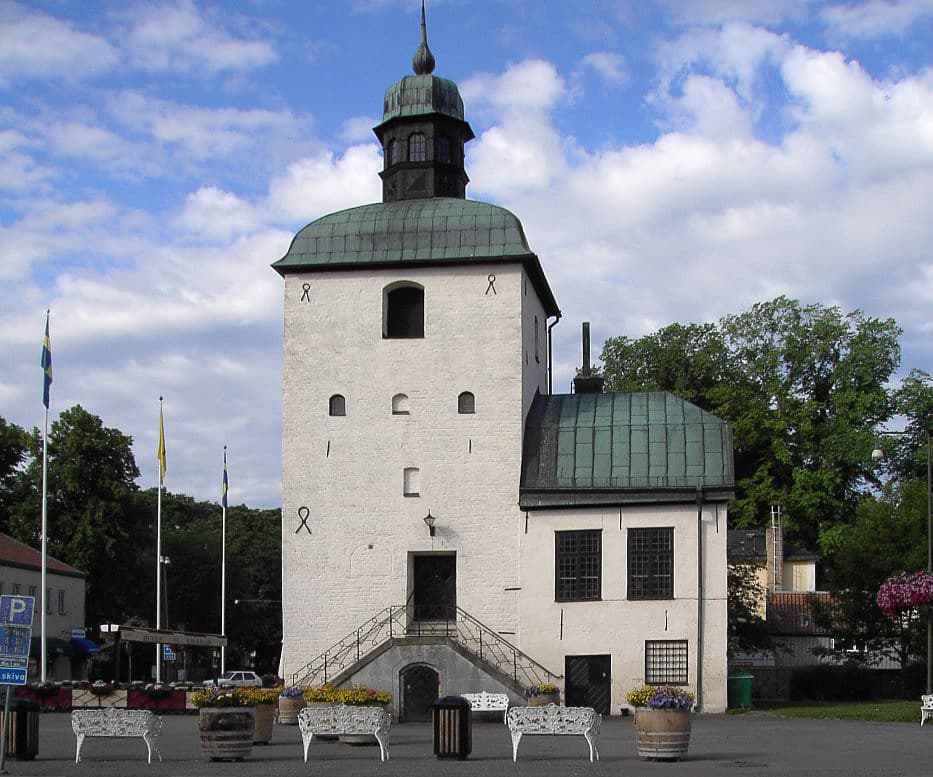 Unknown author / CC BY-SA 2.5, via Wikimedia Commons
Selbstgeführte Audio-Walking-Tour durch Vadstena — GPS-Route, Offline-Wiedergabe, erzählerische Narration in 32 Sprachen.
“Wo mittelalterliche Frömmigkeit auf königlichen Ehrgeiz an den ruhigen Ufern des Vätternsees trifft.”
Nicht die Postkarten. Die Geschichten, die selbst Einheimische nicht kennen – dir ins Ohr geflüstert, genau dort, wo sie geschahen.
Das prächtige Renaissanceschloss, das heute steht, war nicht immer für den königlichen Wohnsitz vorgesehen.
Die ruhige Abteikirche, ein Leuchtfeuer für Pilger, wurde nach ganz bestimmten, göttlich inspirierten Anweisungen erbaut.
Bevor er zu einem spirituellen Heiligtum wurde, beherbergte das älteste weltliche Backsteingebäude Schwedens eine ganz andere Art von königlicher Aktivität.
Entdecke jedes Geheimnis von Vadstena
Jede Adresse, jede Enthüllung vollständig – in deinem Ohr, genau dort, wo es geschah.
Du wählst deine Stationen. Du gehst. Die Stimme enthüllt, was andere übersehen.


Deine selbstgeführte Audio-Tour durch Vadstena ist bereit – wähle deine Sehenswürdigkeiten, deine Sprache und starte, sobald du ankommst.
KaufenLume enthält einen integrierten Augmented-Reality-Guide. Halten Sie Ihr Handy hoch: Die Kamera zeigt die Straße vor Ihnen, mit einem leuchtenden Pfeil über dem echten Bild, der immer auf Ihren nächsten Stopp zeigt — keine Karte zum Rätseln, keine falschen Abzweigungen. Wie alles bei Lume funktioniert es komplett offline.
Vadstena, eine kleine Stadt am Ostufer des Vätternsees in der schwedischen Provinz Östergötland, bietet eine greifbare Reise durch jahrhundertealte, vielschichtige Geschichte. Trotz seiner bescheidenen Einwohnerzahl von rund 5.800 Einwohnern behält es seinen Stadtstatus, eine Auszeichnung, die ihm 1400 durch Privilegien verliehen wurde. Der mittelalterliche Stadtplan ist bemerkenswert gut erhalten, mit Gebäuden hauptsächlich aus dem 16., 17. und 18. Jahrhundert, die seine alten Durchgangswege säumen.
Vadstena ist berühmt für zwei entscheidende Stränge der schwedischen Geschichte: die Gründung des ersten Klosters des Ordens der Heiligen Birgitta durch die Heilige Birgitta von Schweden im späten 14. Jahrhundert und das Schloss Vadstena, eines der am vollständigsten erhaltenen Schlösser Schwedens aus der Wasa-Ära des 16. Jahrhunderts. Die Nähe der Stadt zum Vätternsee bietet weite Ausblicke und Freizeitmöglichkeiten, was zu einer Atmosphäre beiträgt, die sowohl ruhig als auch tief in der Vergangenheit verwurzelt ist.
## Vom Königssitz zum spirituellen Zentrum Die Geschichte von Vadstena beginnt lange vor seiner offiziellen Stadtrechtsverleihung. Das älteste Bauwerk, der Palast der Folkungaätten, stammt aus den 1260er Jahren und diente ursprünglich als Sommerresidenz für König Waldemar. Diese frühe königliche Verbindung legte den Grundstein für seine zukünftige Bedeutung.
## Das Erbe der Heiligen Birgitta Das späte 14. Jahrhundert markierte eine tiefgreifende Umwandlung mit der Ankunft der Heiligen Birgitta von Schweden, die 1346 das erste Kloster ihres Ordens der Heiligen Birgitta in Vadstena gründete. König Magnus IV. und Königin Blanche spendeten zehn Höfe, darunter das königliche Gut, zur Unterstützung seiner Gründung. Die Abtei, ein Doppelkloster, das sowohl Mönche als auch Nonnen beherbergte, entwickelte sich zu einem bedeutenden religiösen und kulturellen Zentrum, das für seine Manuskripte und internationalen Pilgerrouten bekannt war. Die Abteikirche, die 1430 geweiht wurde, wurde nach den göttlichen Anweisungen der Heiligen Birgitta erbaut und betont die Einfachheit. Auch nach der schwedischen Reformation im 16. Jahrhundert, die 1595 zu ihrer offiziellen Schließung führte, blieb eine katholische Präsenz bestehen, und die mittelalterliche Abteikirche blieb ein bedeutendes Pilgerziel.
## Eine Wasa-Festung Neben dem spirituellen Einfluss der Abtei wurde Vadstena auch zu einem Ort von königlicher strategischer Bedeutung. Im Jahr 1545 begann König Gustav Wasa mit dem Bau des Schlosses Vadstena als Verteidigungsanlage zum Schutz Schwedens vor Einfällen aus dem Süden. Sein Sohn Johan III. verwandelte die ursprüngliche Festung in ein prächtiges Renaissanceschloss, das 1620 fertiggestellt wurde. Dieses gut erhaltene Schloss diente bis 1716 als Königspalast, danach wurde es als Getreidelager genutzt. Heute beherbergt es das Provinzarchiv und ein Museum.
## Anhaltender mittelalterlicher Charme Vadstena erhielt 1400 seine Stadtrechte, und sein Rathaus, das Mitte des 15. Jahrhunderts erbaut wurde, ist das älteste erhaltene kommunale Gebäude Schwedens. Der Kern der Stadt hat weitgehend seine mittelalterliche Anlage beibehalten, wobei viele Gebäude aus dem 16., 17. und 18. Jahrhundert noch erhalten sind. Seit dem 16. Jahrhundert beherbergt Vadstena auch ein Krankenhaus, das historisch gesehen psychisch Kranke versorgte. Einige dieser ältesten Krankenhausgebäude bilden heute das Vadstena Hospital Museum.
Beginnen Sie Ihre Erkundung im Schloss Vadstena, das als das am vollständigsten erhaltene Renaissanceschloss Skandinaviens gilt. Sie können seine drei Originalgeschosse besichtigen, Ausstellungen über seine Vergangenheit erkunden, ein Modell seiner Festungsursprünge betrachten und einen der Kanonentürme erkunden. Die oberste Etage zeigt Möbel aus dem 16., 17. und 18. Jahrhundert. Das Schloss beherbergt auch das kleinste Opernhaus Schwedens, die International Vadstena-Akademien, und veranstaltet im Sommer Konzerte in seinem Innenhof.
Tauchen Sie neben dem Schloss in die spirituelle Geschichte der Abteikirche von Vadstena ein, auch bekannt als die Blaue Kirche. Dieser gotische Komplex, gegründet von der Heiligen Birgitta, ist ein bedeutendes Pilgerziel. Erkunden Sie die Kirche, die Reliquien der Heiligen Birgitta und mittelalterliche Skulpturen beherbergt, und besuchen Sie das nahe gelegene Sancta Birgitta Klostermuseum, um mehr über das Klosterleben zu erfahren. Das Museum befindet sich im ehemaligen Palast der Folkungaätten, dem ältesten erhaltenen mittelalterlichen Palast des Nordens.
Schlendern Sie durch das gut erhaltene mittelalterliche Zentrum der Stadt, wo Sie das älteste Rathaus Schwedens aus der Mitte des 15. Jahrhunderts finden. Entdecken Sie das Mårten Skinnare Haus, ein gut erhaltenes spätmittelalterliches Wohnhaus aus der Zeit um 1520, das für seine historische Toilette bemerkenswert ist. Für eine einzigartige Perspektive auf die Medizingeschichte besuchen Sie das Vadstena Hospital Museum, das in Gebäuden untergebracht ist, die einst Teil des historischen Krankenhauses waren.
Die ideale Zeit, um Vadstena bei angenehmem Wetter und für Outdoor-Aktivitäten zu erleben, reicht von Ende Juni bis Mitte August, wobei der Juli die optimalen Bedingungen bietet. Während dieser warmen Jahreszeit steigen die durchschnittlichen täglichen Höchsttemperaturen über 17 °C, wobei der Juli im Durchschnitt einen Höchstwert von 21 °C erreicht. Die Stadt erlebt angenehme, teilweise bewölkte Sommer. Viele Veranstaltungen, darunter Konzerte im Schloss Vadstena, finden während dieser Sommermonate statt.
Der historische Kern von Vadstena lässt sich am besten zu Fuß erkunden, da die wichtigsten Sehenswürdigkeiten wie das Schloss, die Abtei und das Rathaus alle bequem zu Fuß erreichbar sind. Die alten Straßen sind für Fußgänger ausgelegt und ermöglichen ein gemächliches Tempo, um die mittelalterliche Architektur zu genießen. Das Vadstena InfoCenter steht Ihnen bei der Unterkunft, Gastronomie, Sehenswürdigkeiten und Aktivitäten zur Verfügung. Kostenloses öffentliches WLAN mit dem Namen „Vadstena WiFi“ ist an verschiedenen Orten in der gesamten Gemeinde verfügbar. Für Flugreisende ist der Flughafen Linköping City (LPI) die nächstgelegene Option. Vadstena ist auch mit dem Bus erreichbar, wobei lokale Dienste von Östgötatrafiken angeboten werden. Der Yachthafen der Stadt, der sich neben dem Schloss Vadstena befindet, bietet Liegeplätze für Boote.
Vadstena — Koreanisch, Chinesisch, Hebräisch und 29 weitere Sprachen, jede Station von einer muttersprachlichen Stimme erzählt. Die größte Sprachauswahl aller selbstgeführten Audiotouren.
Verfügbar auf: