Крепость Хошап
Впечатляющая крепость Хошап, форпост XVII века, имеет удивительную деталь над главными воротами.
Полная история открывается в туре
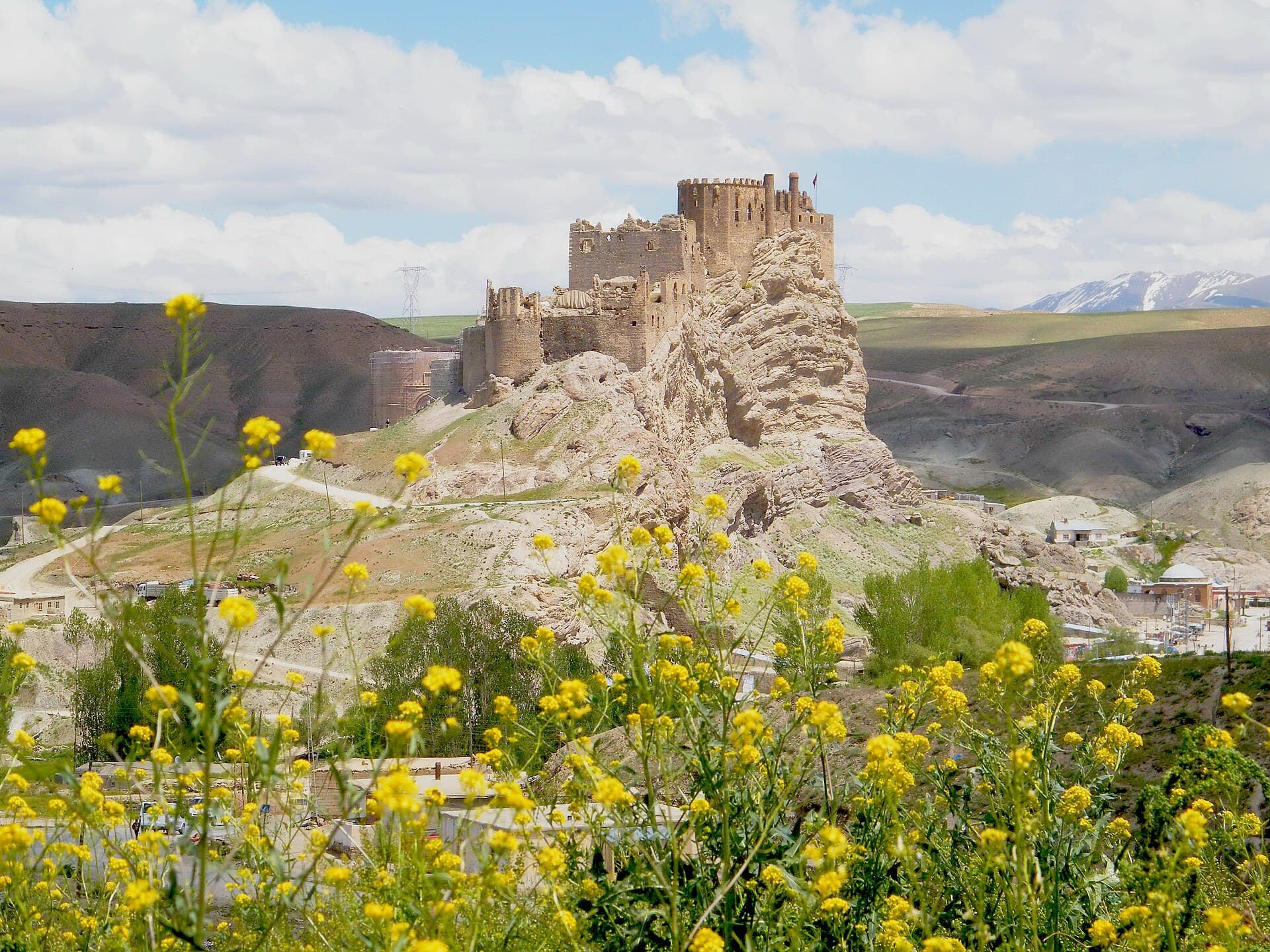 Volker Höhfeld / CC BY-SA 4.0, via Wikimedia Commons
Самостоятельная аудиопрогулка по Ван — GPS-маршрут, офлайн-воспроизведение, увлекательное повествование на 32 языках.
“Где древние отголоски встречаются с плещущимися берегами огромного соленого озера.”
Не открытки. Истории, которые не знают даже местные жители — шепотом в вашем ухе, прямо там, где они произошли.
Впечатляющая крепость Хошап, форпост XVII века, имеет удивительную деталь над главными воротами.
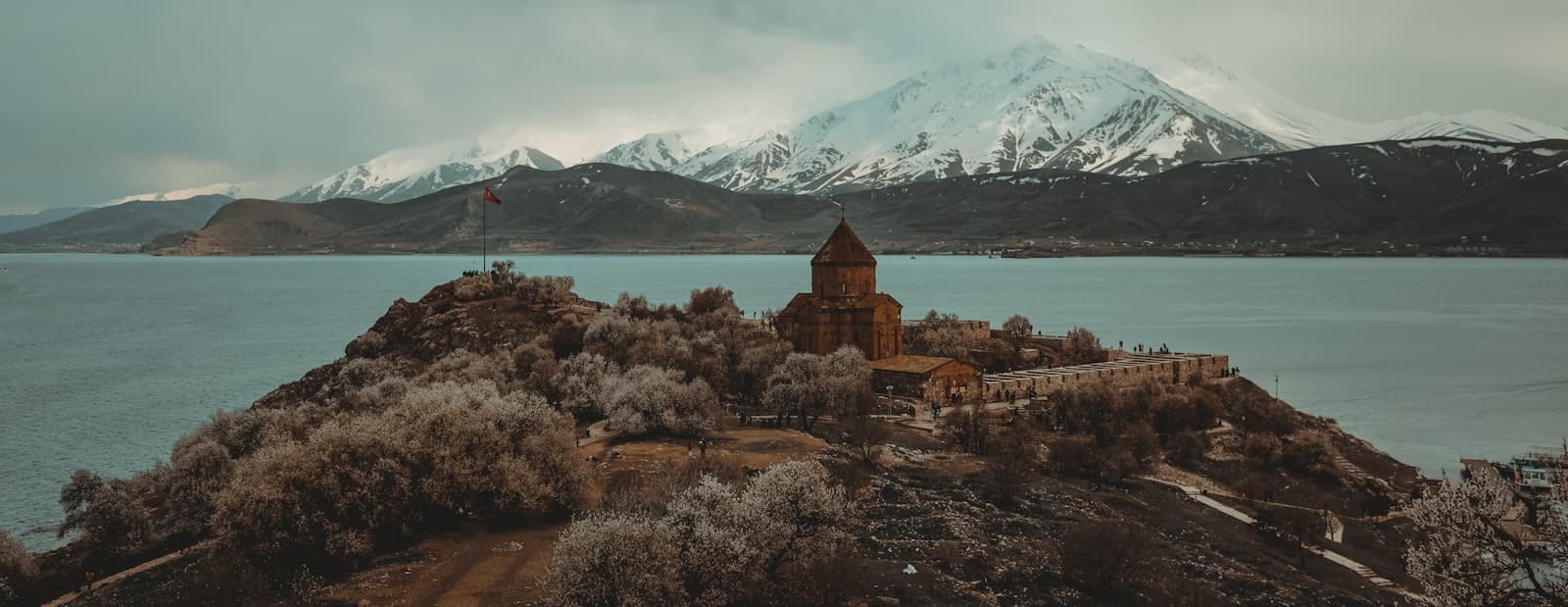
Остров Ахтамар, где находится армянская церковь X века, связан с трагической историей любви, давшей название острову.
Знаменитая Ванская кошка, известная своей поразительной белой шерстью и часто разноцветными глазами, обладает неожиданной привязанностью, которая отличает ее от большинства кошачьих.
Откройте для себя каждый секрет Ван
Каждый адрес, каждое полное раскрытие — в вашем ухе, прямо там, где это произошло.
Вы выбираете остановки. Вы гуляете. Голос раскрывает то, что упускают другие.


Ваш самостоятельный аудиотур по Ван готов — выберите свои достопримечательности, выберите свой язык и начните в момент прибытия.
КупитьВ Lume встроен гид дополненной реальности. Поднимите телефон: камера показывает улицу перед вами, а поверх реального изображения светится стрелка, всегда указывающая на вашу следующую остановку — не нужно разбираться с картой и сворачивать не туда. Как и всё в Lume, это работает полностью офлайн.
Ван, город на востоке Турции, расположен на восточном берегу озера Ван, крупнейшего озера страны. Местные жители часто называют его «морем» из-за его огромных размеров, а его глубокие синие воды создают безмятежный фон на фоне окружающих вулканических гор. Это стратегическое расположение, исторически находившееся на древнем Шелковом пути, превратило Ван в перекресток культур и традиций. Город предлагает уникальное сочетание природной красоты, древнего наследия и особого местного колорита, что делает его интригующим местом для тех, кто ищет впечатлений за пределами более посещаемых западного и южного побережий Турции.
Идентичность Вана глубоко переплетена с его тысячелетней историей, восходящей к Урартийскому царству, и его оживленной современной жизнью. Посетители могут исследовать древние укрепления, рассказывающие истории забытых империй, открыть для себя острова с многовековыми церквями и погрузиться в кулинарную сцену, известную своей пышной традицией завтрака. Город и его окрестности представляют собой увлекательное путешествие во времени и природе, приглашая путешественников раскрыть слои истории и насладиться безмятежной красотой его уникального ландшафта.
История Вана насчитывает более 4000 лет, ранние поселения связаны с хурритами. Наиболее известной древней идентичностью города был Тушпа, столица могущественного Урартийского царства, процветавшего с IX по VI века до н.э. Грандиозная Ванская крепость, массивное каменное укрепление, была сердцем этой урартийской столицы, где до сих пор видны царские гробницы, высеченные в скале, и клинописные надписи.
После урартов Ван находился под контролем различных империй, включая ахеменидских персов в VI веке до н.э., а затем Александра Македонского в 331 году до н.э. Он стал важным центром в составе Армянского царства Васпуракан, период, оставивший значительный культурный след, включая строительство собора Святого Креста на острове Ахтамар в X веке. Тюркское присутствие в Ване началось после победы сельджуков в битве при Манцикерте в 1071 году. В последующие века регион стал спорной территорией между Османской и персидской Сефевидской империями, Ван неоднократно переходил из рук в руки, прежде чем окончательно перейти под контроль Османской империи в 1548 году во время правления Сулеймана Великолепного. Османы продолжили развивать Ванскую крепость, добавив внутренние стены, ворота, арсенал и мечеть Сулеймана-хана, которая является первым исламским сооружением в Ване.
Ван оставался значительным городским центром на протяжении всей османской эпохи, хотя он пережил значительные потрясения во время Первой мировой войны и геноцида армян в 1910-х годах, что существенно изменило его демографию. Сегодня Ван — это провинция с преобладающим курдским населением и значительным турецким меньшинством, отражающая его сложное и мультикультурное прошлое.
Начните свое исследование с озера Ван, крупнейшего озера Турции, которое местные жители часто называют «морем». Его глубокие синие солено-содовые воды поразительно контрастируют с окружающими вулканическими ландшафтами. Совершите лодочную прогулку на остров Ахтамар, где находится армянский собор Святого Креста X века, шедевр средневековой архитектуры, украшенный замысловатыми каменными рельефами, изображающими библейские сцены. Остров особенно привлекателен весной, когда цветут миндальные деревья.
Над современным городом и озером возвышаются руины Ванской крепости (Van Kalesi), древней столицы Урартийского царства, Тушпы. Поднимитесь к цитадели, чтобы обнаружить царские гробницы, высеченные в скале, и древние клинописные надписи, и останьтесь, чтобы полюбоваться захватывающим видом на озеро на закате. Неподалеку Музей археологии и этнографии Вана предлагает всесторонний обзор долгой истории региона, с особым акцентом на урартийские артефакты.
Отправьтесь на юго-восток от города к крепости Хошап, драматическому форпосту XVII века, построенному курдским вождем на более ранних урартийских и армянских фундаментах. Исследуйте его внутренние и внешние укрепления, обращая внимание на рельефы львов и персидские надписи над входом. Для природного отдыха посетите водопад Мурадие, особенно впечатляющий весной, когда таяние снегов увеличивает его поток. Не уезжайте из Вана, не попробовав традиционный Van Kahvaltısı, знаменитый завтрак города, роскошное угощение из местных сыров, меда, джемов и свежего хлеба.
В Ване континентальный климат с ярко выраженными сезонами. Лето (июнь-сентябрь) теплое и сухое, идеально подходит для озерных развлечений и пеших прогулок, с самым ясным небом в июле. Весна (май-июнь) и осень (сентябрь-октябрь) предлагают приятные температуры для осмотра исторических мест, таких как Ванская крепость и остров Ахтамар, без экстремальной жары или холода. Весна особенно красива для наблюдения за цветением миндаля на острове Ахтамар. Зимы (декабрь-февраль) холодные и снежные, создавая спокойную атмосферу для тех, кто ищет безмятежные, покрытые снегом пейзажи. Для комфортного осмотра региона обычно рекомендуется поездка на 2-3 дня.
Валюта в Ване — турецкая лира (TRY). Хотя кредитные карты принимаются в крупных заведениях, наличные деньги необходимы для небольших закусочных, местных рынков и оплаты проезда на долмушах (маршрутных такси). Банкоматы легко доступны в центре города. Чаевые в размере 5-10% в ресторанах и округление стоимости такси — это добрый жест.
Основным языком является турецкий, и хотя в крупных отелях можно встретить носителей английского, в местных рынках он встречается реже. Настоятельно рекомендуется загрузить автономное приложение для перевода и выучить основные турецкие фразы, такие как «Merhaba» (Привет) и «Teşekkürler» (Спасибо). Предоплаченные SIM-карты доступны у основных операторов, таких как Turkcell или Vodafone, при предъявлении паспорта.
Ван в целом считается безопасным городом для туристов, но применяются стандартные меры предосторожности. Рекомендуется пить бутилированную воду. Для передвижения по городу и к близлежащим достопримечательностям долмуши — экономичный вариант. Такси желтого цвета, с таксометром и широко доступны. Аренда автомобиля часто является лучшим вариантом для изучения всей провинции.
При посещении религиозных мест требуется скромная одежда; женщины должны иметь при себе платок для покрытия головы, а плечи и колени должны быть закрыты для всех.
Ван: корейский, китайский, иврит и ещё 29 языков — каждую остановку озвучивает носитель языка. Самый широкий выбор языков среди аудиоэкскурсий без гида.
Доступные языки: