Antigua Estación de Tren de Tikkurila
El edificio de estación más antiguo de Finlandia guarda más que solo recuerdos ferroviarios.
La historia completa se desbloquea en el tour
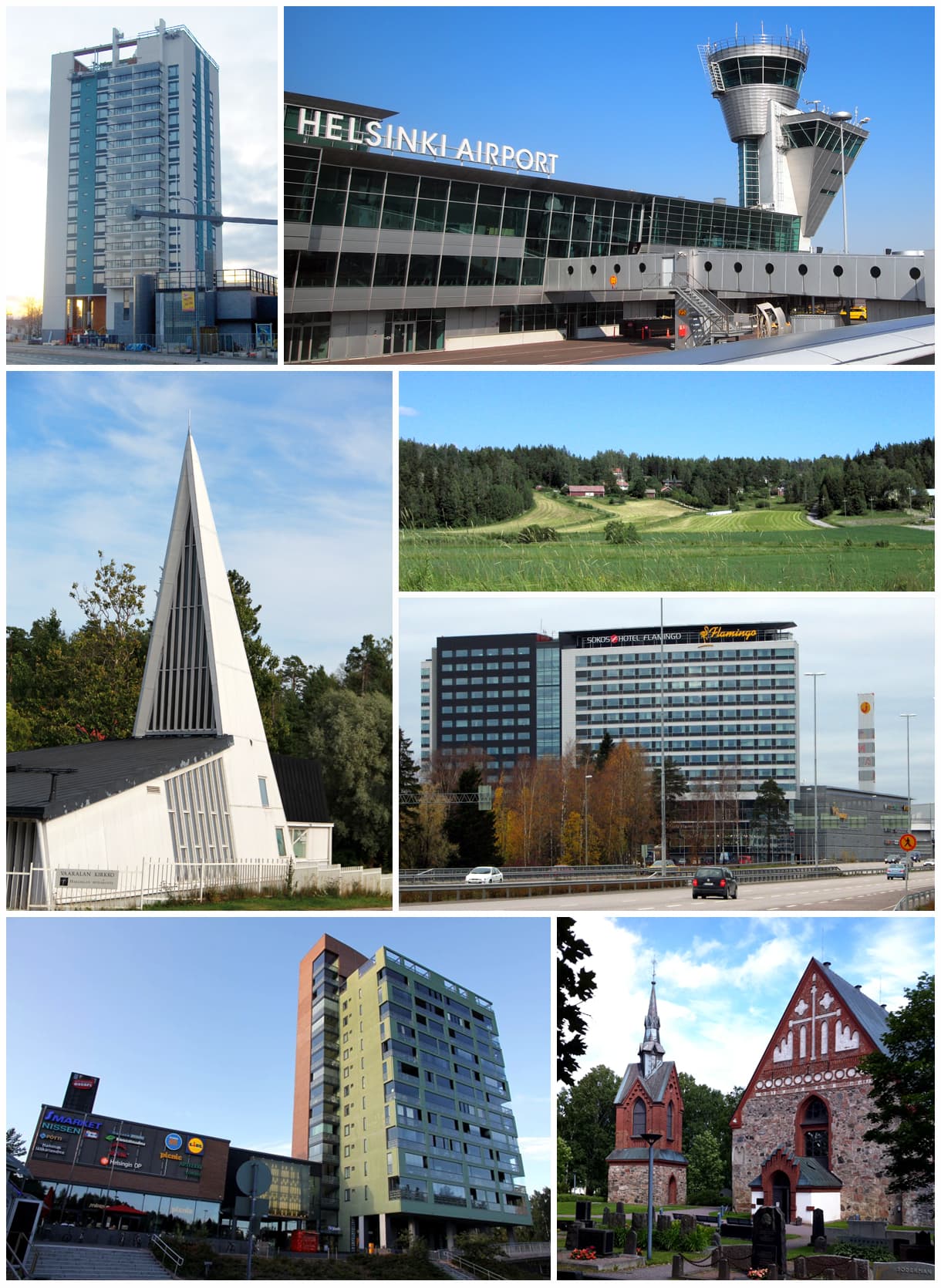 Jisis, Skorpion87, Tiia Monto, Htm, Migro, Anttihav, Paju / CC BY-SA 4.0, via Wikimedia Commons
Tour de audio autoguiado de Vantaa — ruta GPS a pie, reproducción offline, narración en 32 idiomas.
“Más allá del asfalto: Vantaa, donde las corrientes antiguas se encuentran con el ingenio moderno.”
No las postales. Las historias que ni los locales conocen — al oído, justo donde ocurrieron.
El edificio de estación más antiguo de Finlandia guarda más que solo recuerdos ferroviarios.
Participe en un ritual finlandés tradicional, comunitario de una manera que podría sorprender.
Satisfaga su antojo de dulzura y descubra un sorprendente vínculo con un imperio mundial de confitería.
Descubre todos los secretos de Vantaa
Cada dirección, cada revelación al completo — a tu oído, justo donde ocurrió.
Eliges tus paradas. Caminas. La voz te revela lo que los demás ignoran.


Tu tour de audioguía por Vantaa te espera — elige tus lugares, tu idioma y empieza al llegar.
ComprarLume incluye una guía de realidad aumentada. Levanta el móvil y su cámara muestra la calle que tienes delante, con una flecha luminosa sobre la imagen real que siempre apunta a tu próxima parada — sin mapas que descifrar, sin giros equivocados. Como todo en Lume, funciona completamente sin conexión.
Vantaa, la cuarta ciudad más poblada de Finlandia, con frecuencia sirve como la primera impresión de la nación para muchos viajeros que llegan al Aeropuerto de Helsinki-Vantaa. Sin embargo, percibirla únicamente como un punto de tránsito es pasar por alto su espíritu distintivo. Esta dinámica ciudad, justo al norte de la capital, Helsinki, entrelaza una cómoda atmósfera suburbana con importantes cimientos industriales y de transporte, todo ello mientras conserva amplios espacios verdes y el sinuoso río Vantaanjoki.
Aunque Vantaa obtuvo oficialmente el estatus de ciudad en 1974, sus orígenes se remontan a la Edad Media, con la primera mención documentada del área apareciendo en 1351. Hoy, Vantaa opera como un municipio bilingüe, con el finlandés y el sueco como sus lenguas oficiales, y una creciente variedad de más de 120 idiomas nativos hablados por sus habitantes. Es un lugar donde la profunda historia converge con la innovación moderna, ofreciendo una visión singular de la vida finlandesa más allá de la experiencia típica de la capital.
La ciudad se divide en siete áreas principales, cada una con su propio carácter, desde el centro administrativo y cultural de Tikkurila hasta las extensiones más pastorales de Sotunki y Seutula. Vantaa no es simplemente una ciudad aeroportuaria; es un destino con un animado paisaje cultural, museos atractivos y abundantes oportunidades para conectar con el mundo natural.
El territorio ahora reconocido como Vantaa posee una historia que abarca aproximadamente 7.000 años, con evidencia de asentamientos de la Edad de Piedra. El primer registro escrito de la región, entonces conocida como Helsinge, data de 1351, cuando el rey sueco concedió a los monjes de un monasterio estonio la prerrogativa de pescar salmón en el río local, el Vantaanjoki, que finalmente dio su nombre a la ciudad. Durante siglos, Helsinge siguió siendo principalmente una extensión agraria.
Un hito significativo en la historia temprana de Vantaa fue la construcción de la Iglesia de Piedra de San Lorenzo en la década de 1460, que hoy se erige como el edificio más antiguo de Vantaa y de la región capital de Helsinki. El Camino del Rey, una histórica vía que unía Turku y Vyborg, atravesó Vantaa desde el siglo XIV, atrayendo atención y contribuyendo al asentamiento duradero de la zona.
El año 1865 marcó el establecimiento del gobierno municipal en Finlandia, transformando Helsingin pitäjä en Helsingin maalaiskunta, o el municipio rural de Helsinki. La llegada de la línea ferroviaria Helsinki-Hämeenlinna en 1862, con una estación en Tikkurila, estimuló la industrialización y la expansión demográfica. El antiguo edificio de la estación de Tikkurila, concebido por Carl Albert Edelfelt, se erige como el único edificio de estación de ladrillo en Finlandia conservado en su forma original.
El siglo XX trajo una rápida transformación. En 1952, el Aeropuerto de Helsinki-Vantaa abrió sus puertas en anticipación a los Juegos Olímpicos de Verano de Helsinki, consolidando el papel de Vantaa como un nexo de transporte principal. El municipio fue renombrado Vantaa en 1972 y se le concedió el estatus de ciudad comercial, antes de convertirse finalmente en una ciudad plena en 1974. Este período fue testigo de un auge demográfico y la construcción generalizada de nuevos distritos residenciales como Myyrmäki y Martinlaakso. Vantaa celebró su 650 aniversario en 2001, reflejando su largo y evolutivo viaje desde un asentamiento ribereño rico en salmón hasta una ciudad contemporánea y diversa.
Vantaa presenta un espectro de atracciones que satisfacen diversos intereses. Para familias y curiosos, el Heureka, el Centro de Ciencias Finlandés, ofrece exposiciones interactivas, películas de planetario y programas educativos. Aquellos fascinados por la aviación apreciarán el Museo Finlandés de Aviación, situado en el área de Aviapolis cerca del Aeropuerto de Helsinki-Vantaa, que exhibe docenas de aeronaves y la narrativa de la aviación finlandesa, con simuladores de vuelo incluidos.
Para adentrarse en el pasado de la ciudad, visite el Museo de la Ciudad de Vantaa, ubicado en la histórica estación de tren antigua de Tikkurila, que ofrece entrada gratuita y exposiciones sobre la evolución de Vantaa. Para los entusiastas del arte, el Museo de Arte de Vantaa Artsi exhibe obras de artistas finlandeses e internacionales. La medieval Iglesia de San Lorenzo, que data de la década de 1460, es la estructura más antigua de Vantaa y un importante monumento cultural.
Abundan las escapadas naturales. Kuusijärvi es una zona recreativa favorita con una playa de arena, saunas de humo tradicionales y oportunidades para nadar, incluso nadar en hielo en invierno. La reserva natural de Tammisto invita a la exploración a lo largo de sus senderos a través de bosques de madera dura, ideal para observar aves. Para aquellos que buscan actividades activas, el piragüismo o el kayak en los ríos Vantaanjoki y Keravanjoki ofrecen una ruta escénica a través del entorno local. Además, el Centro de Visitantes Fazer Experience ofrece un dulce viaje a través de la historia de la icónica marca de chocolate de Finlandia, con muestras incluidas.
La época más agradable para experimentar Vantaa para actividades de clima cálido es desde finales de junio hasta mediados de agosto, cuando las temperaturas son agradables, típicamente entre 16°C y 21.5°C. Durante estos meses de verano, los días se alargan y se desarrollan festivales al aire libre. Para aquellos atraídos por las actividades invernales y un paisaje cubierto de nieve, de diciembre a marzo es oportuno, aunque las temperaturas pueden ser bastante frías, oscilando entre 0°C y -40°C. El aire es generalmente seco, lo que puede atenuar el frío. La primavera y el otoño traen un clima más fresco y cambiante, con el otoño potencialmente pintando el paisaje con tonos vívidos.
Vantaa está bien conectada y es fácil de navegar, particularmente porque alberga el Aeropuerto de Helsinki-Vantaa (HEL), el centro aéreo más grande de Finlandia. El aeropuerto se encuentra aproximadamente a 5 kilómetros del centro administrativo de Vantaa, Tikkurila, y a 17 kilómetros al norte del centro de la ciudad de Helsinki. El transporte público en Vantaa está integrado en la red de Transporte de la Región de Helsinki (HSL), que abarca autobuses, trenes de cercanías y, pronto, un tren ligero. La Línea Circular de Ferrocarril conecta el aeropuerto con la línea principal de ferrocarril, con trenes I y P que circulan con frecuencia a la estación de Tikkurila y a la Estación Central de Helsinki, un viaje de aproximadamente 20-30 minutos. Los autobuses, como las líneas 615 y 620, también conectan el aeropuerto con el centro de la ciudad de Helsinki. Los taxis están fácilmente disponibles en el aeropuerto.
Vantaa ofrece bicicletas urbanas en áreas como Tikkurila, Aviapolis, Myyrmäki y Martinlaakso, con pases diarios, semanales y de temporada obtenibles a través de la aplicación Vantaan kaupunkipyörät. La información turística es accesible en los centros de información de Vantaa en Tikkurila y Myyrmäki, así como en el Aeropuerto de Helsinki-Vantaa.
Vantaa en coreano, en chino o en hebreo — y 29 idiomas más, cada parada narrada por una voz nativa. La mayor variedad de idiomas de cualquier audioguía autoguiada.
Disponible en: