Вäксjöский собор
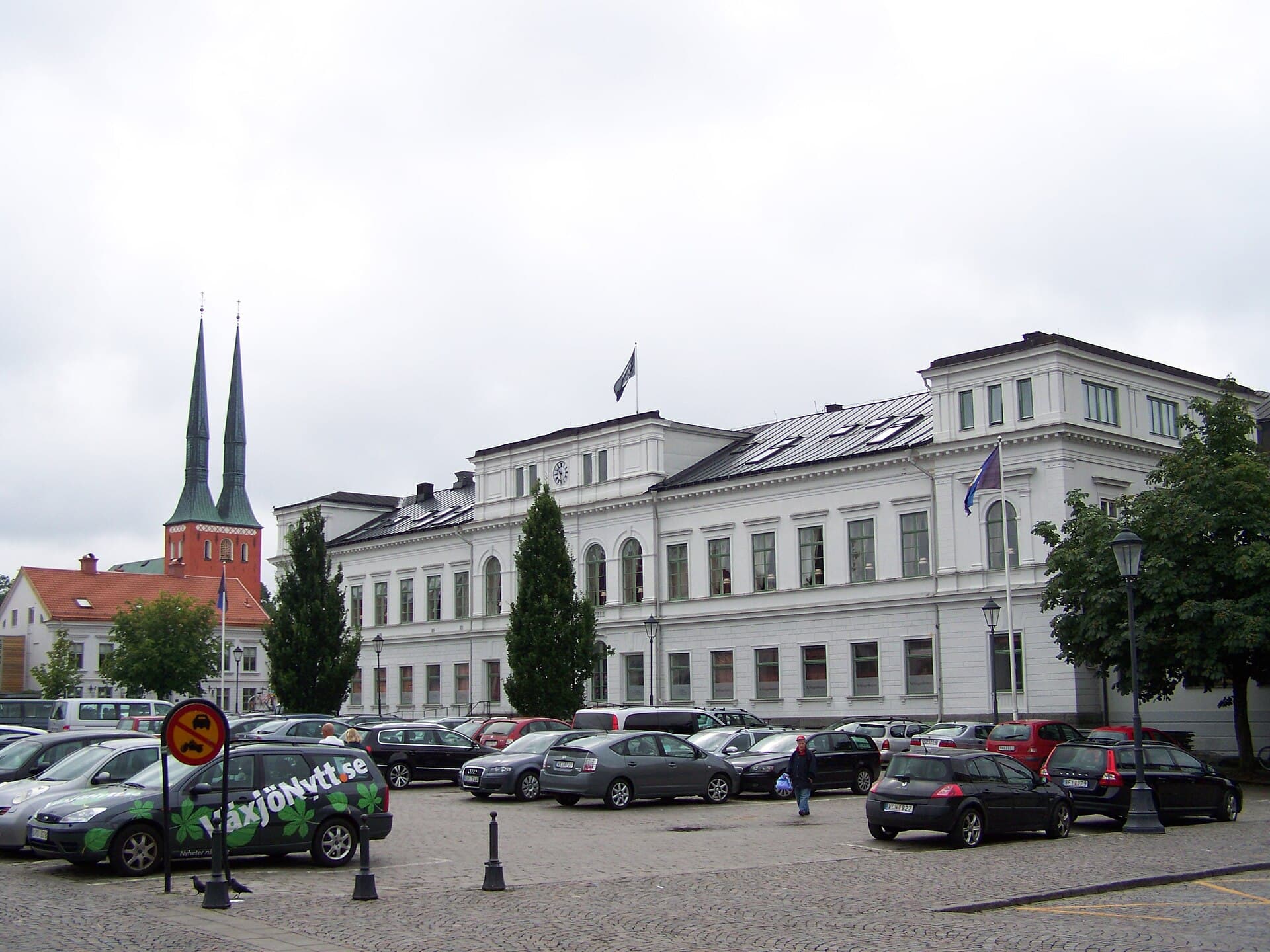
Впечатляющие двойные шпили Вäксjöского собора возвышаются над городом, но лишь немногие догадываются о красочном секрете, который веками хранился в его каменных стенах.
Полная история открывается в туре
 Klugschnacker / CC BY-SA 3.0, via Wikimedia Commons
Самостоятельная аудиопрогулка по Векшё — GPS-маршрут, офлайн-воспроизведение, увлекательное повествование на 32 языках.
“Векшё: Где древняя история встречается с более зеленым будущим.”
Не открытки. Истории, которые не знают даже местные жители — шепотом в вашем ухе, прямо там, где они произошли.
Впечатляющие двойные шпили Вäксjöского собора возвышаются над городом, но лишь немногие догадываются о красочном секрете, который веками хранился в его каменных стенах.
Эти средневековые руины на озере Хельгсьон рассказывают истории восстания, но истинная история его самого известного жителя сложнее, чем простое восстание.
Вäксjö носит титул «Самый зеленый город Европы» — честь, завоеванная не только благодаря современным инициативам, но и благодаря приверженности окружающей среде, которая началась на удивление рано.
Откройте для себя каждый секрет Векшё
Каждый адрес, каждое полное раскрытие — в вашем ухе, прямо там, где это произошло.
Вы выбираете остановки. Вы гуляете. Голос раскрывает то, что упускают другие.
Ваш самостоятельный аудиотур по Векшё готов — выберите свои достопримечательности, выберите свой язык и начните в момент прибытия.
КупитьВ Lume встроен гид дополненной реальности. Поднимите телефон: камера показывает улицу перед вами, а поверх реального изображения светится стрелка, всегда указывающая на вашу следующую остановку — не нужно разбираться с картой и сворачивать не туда. Как и всё в Lume, это работает полностью офлайн.
Вäксjö, административный центр уезда Крунуберг на юге Швеции, — это город, где исторические корни переплетаются с дальновидным, устойчивым духом. Его название, происходящее от слов 'väg' (дорога) и 'sjö' (озеро), намекает на его происхождение как торгового места, доступного через замерзшее озеро, что свидетельствует о его давней роли как перекрестка торговли и сообщества. Сегодня Вäксjö признан «Самым зеленым городом Европы» — титулом, который он активно культивировал на протяжении десятилетий новаторских экологических инициатив.
Окруженный спокойными озерами и густыми лесами региона Смаланд, Вäксjö предлагает убедительное сочетание городских удобств и непосредственного доступа к природе. Центр города оживлен пешеходными улицами, уникальными магазинами и разнообразным кулинарным ландшафтом, в то время как спокойные набережные у озер и обширные зеленые зоны находятся всего в нескольких минутах ходьбы. От своего древнего собора до приверженности будущему без ископаемого топлива, Вäксjö приглашает посетителей исследовать город, который глубоко укоренен в своем прошлом и смело смотрит в завтрашний день.
История Вäксjö восходит к раннему Средневековью, и его основание часто связывают с английским миссионером Святым Зигфридом, который, как полагают, построил первую деревянную церковь в XI веке. Это место в конечном итоге стало основой для Вäксjöского собора, значительной достопримечательности, построенной около 1300 года. Город стал резиденцией епархии в конце 1160-х годов, укрепив свой статус духовной и административной столицы региона Смаланд.
Вäксjö официально получил свой городской устав в 1342 году от короля Магнуса Эрикссона, что предоставило ему официальные торговые привилегии. Его стратегическое положение недалеко от границы с Данией в Средние века и ранний современный период делало его частым местом споров. Город пережил многочисленные пожары на протяжении своей истории, значительные из которых были зафиксированы в 1277, 1516, 1570, 1612, 1658, 1690, 1749, 1753, 1799, 1838 и 1843 годах. Разрушительный пожар 1843 года, в результате которого более тысячи жителей остались без крова, привел к созданию нынешнего плана улиц города во время его последующего восстановления.
Образование имеет давние традиции в Вäксjö, первая школа города, Växjö Katedralskola, была основана в XIV веке, а затем получила статус гимназии в 1643 году. В XIX и XX веках Вäксjö превратился из преимущественно административного и торгового города в промышленный и культурный центр, чему способствовало прибытие железной дороги в 1865 году. Сегодня здесь находится Линнеевский университет, современное учреждение с сильным международным профилем, образованное в 2010 году путем слияния Университета Вäксjö и Университета Кальмара.
Приверженность Вäксjö устойчивому развитию началась рано: в 1996 году город поставил цель стать полностью свободным от ископаемого топлива к 2030 году. Этот новаторский дух принес ему награду European Green Leaf Award в 2018 году, отметившую его обширную сеть охраняемых природных территорий, зеленых зон и инициатив, таких как общественный транспорт на биогазе.
Начните свое исследование с Вäксjöского собора, выдающегося готического сооружения с характерными двойными шпилями и терракотово-красным фасадом. Внутри полюбуйтесь современным стеклянным искусством, включая впечатляющий стеклянный алтарный образ Бертиля Валльена и стеклянную купель для крещения Гёрана Вёрффа, отражающие стеклодувное наследие региона.
Недалеко от центра города находится Смаландский музей, старейший провинциальный музей Швеции, в котором также расположен Шведский музей стекла. Здесь вы можете погрузиться в культурную историю Смаланда и изучить обширную коллекцию произведений искусства и утилитарного стекла с XVI века по настоящее время. Рядом находится Дом эмигрантов (Utvandrarnas Hus), который рассказывает захватывающую историю шведской эмиграции в Америку в XIX и XX веках.
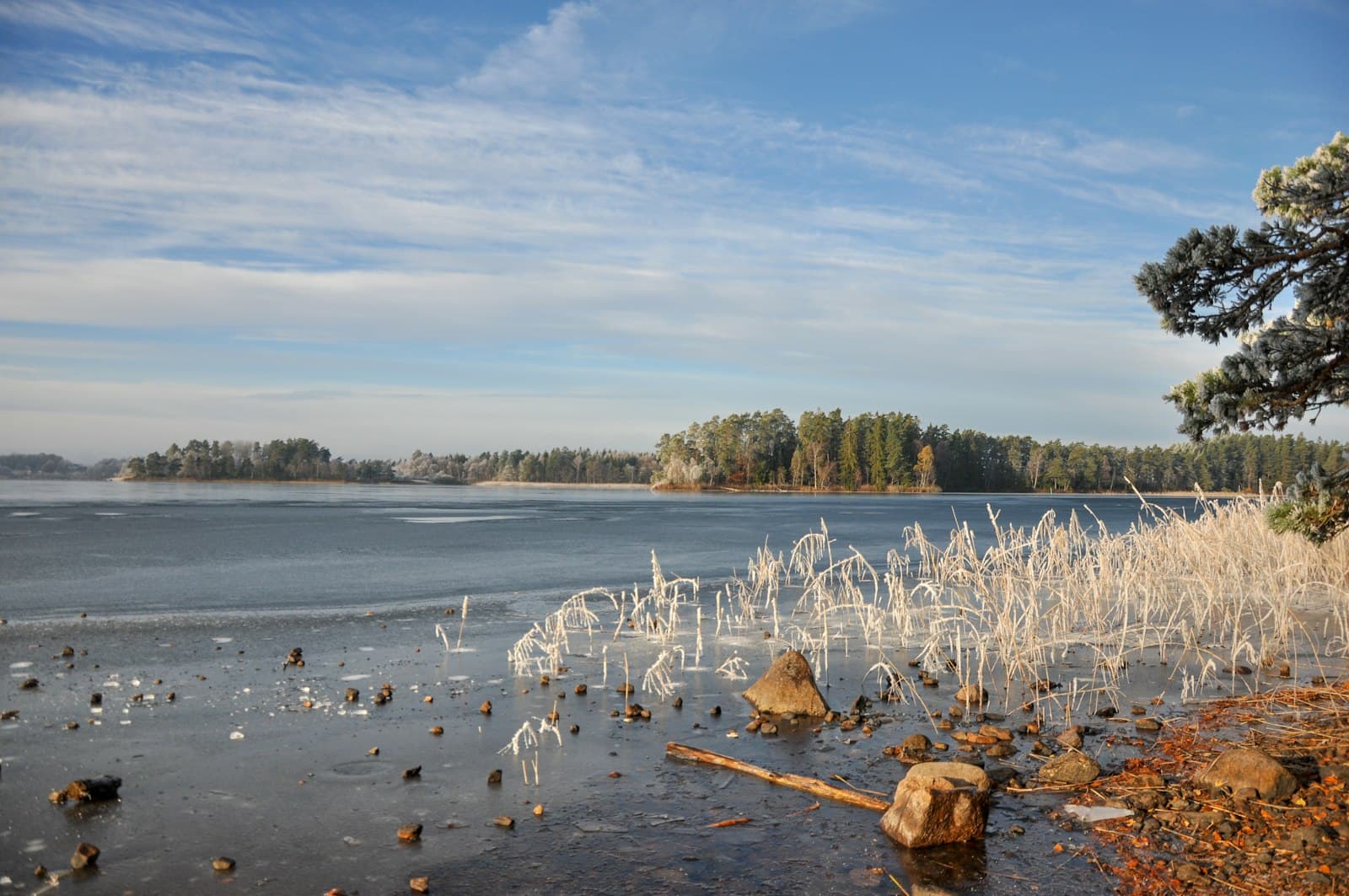
Для прикосновения к средневековой истории посетите руины замка Крунуберг, расположенного на острове озера Хельгсьон. Эта крепость XV века, некогда база Нильса Даке, предлагает живописное место и может быть достигнута на историческом пароходе S/S Thor в летние месяцы. Еще одним архитектурным чудом является замок Телеборг, здание начала века недалеко от Линнеевского университета, которое в настоящее время функционирует как отель и конференц-центр.
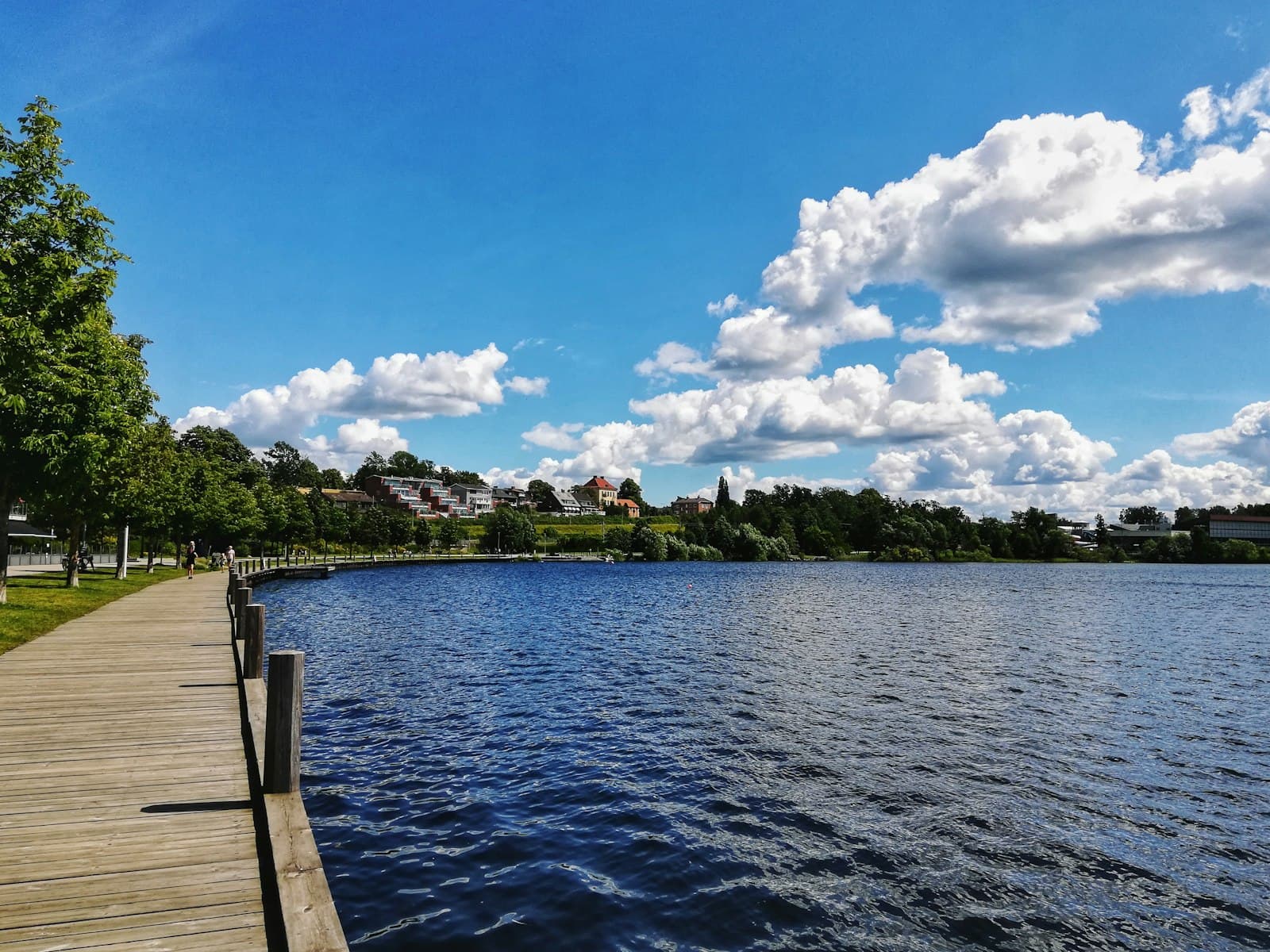
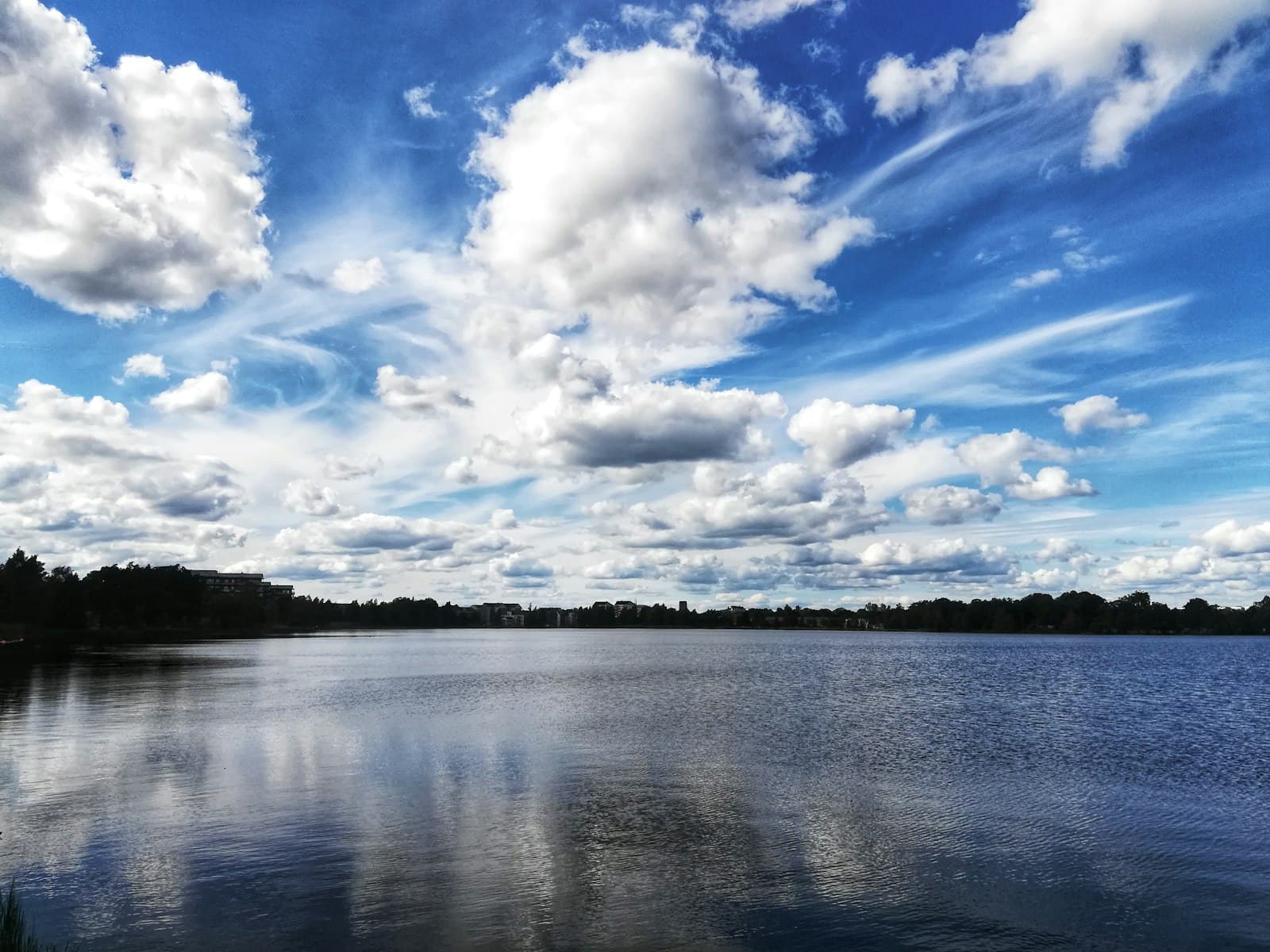
Оцените зеленые достоинства Вäксjö, прогуливаясь или катаясь на велосипеде вокруг озера Вäкссьосьон, которое имеет экологически чистые тропы и изобилие птиц. Линнепаркен, названный в честь знаменитого ботаника Карла Линнея, предлагает еще одно спокойное зеленое убежище в центре города.
Самое приятное время для посещения Вäксjö — летние месяцы, с июня по август, когда температура умеренная, обычно колеблется от 19°C до 22°C (66°F до 72°F). Этот период предлагает комфортные условия для активного отдыха, долгие световые дни и возможность посетить местные фестивали. Хотя летом могут быть дождливые дни, осадков обычно умеренно. Весна (май) и ранняя осень (сентябрь) также предлагают приятную погоду с цветущей природой или красивой листвой соответственно, хотя температура будет прохладнее. Зимы холодные, с температурой около нуля, что подходит для уютных занятий в помещении.
Вäксjö — город, удобный для пеших прогулок, особенно его центр, где Storgatan является главной артерией магазинов и кафе. Для исследования мест за пределами непосредственного центра города велосипеды являются популярным и поощряемым видом транспорта с обширной сетью велосипедных дорожек. Общественный транспорт эффективен: городские автобусы и региональные маршруты, управляемые Länstrafiken, доступны с железнодорожного вокзала. Городские автобусы работают на биогазе, что соответствует инициативам Вäксjö в области устойчивого развития.
Для тех, кто прибывает по воздуху, аэропорт Вäксjö Смоланд (VXO) предлагает рейсы, в том числе в некоторые европейские города. Варианты размещения варьируются от скромных хостелов до отелей, с выбором как в центре города, так и в более тихих районах, таких как Телеборг. При выборе ресторана учитывайте репутацию Вäксjö как гастрономического направления с сильным акцентом на устойчивое развитие, примером которого являются рестораны со звездами Мишлен, такие как PM & Vänner.
Векшё: корейский, китайский, иврит и ещё 29 языков — каждую остановку озвучивает носитель языка. Самый широкий выбор языков среди аудиоэкскурсий без гида.
Доступные языки: