Forte Douaumont
Um dos fortes mais formidáveis do sistema de defesa de Verdun cedeu às forças alemãs com surpreendente facilidade.
História completa desbloqueada no tour
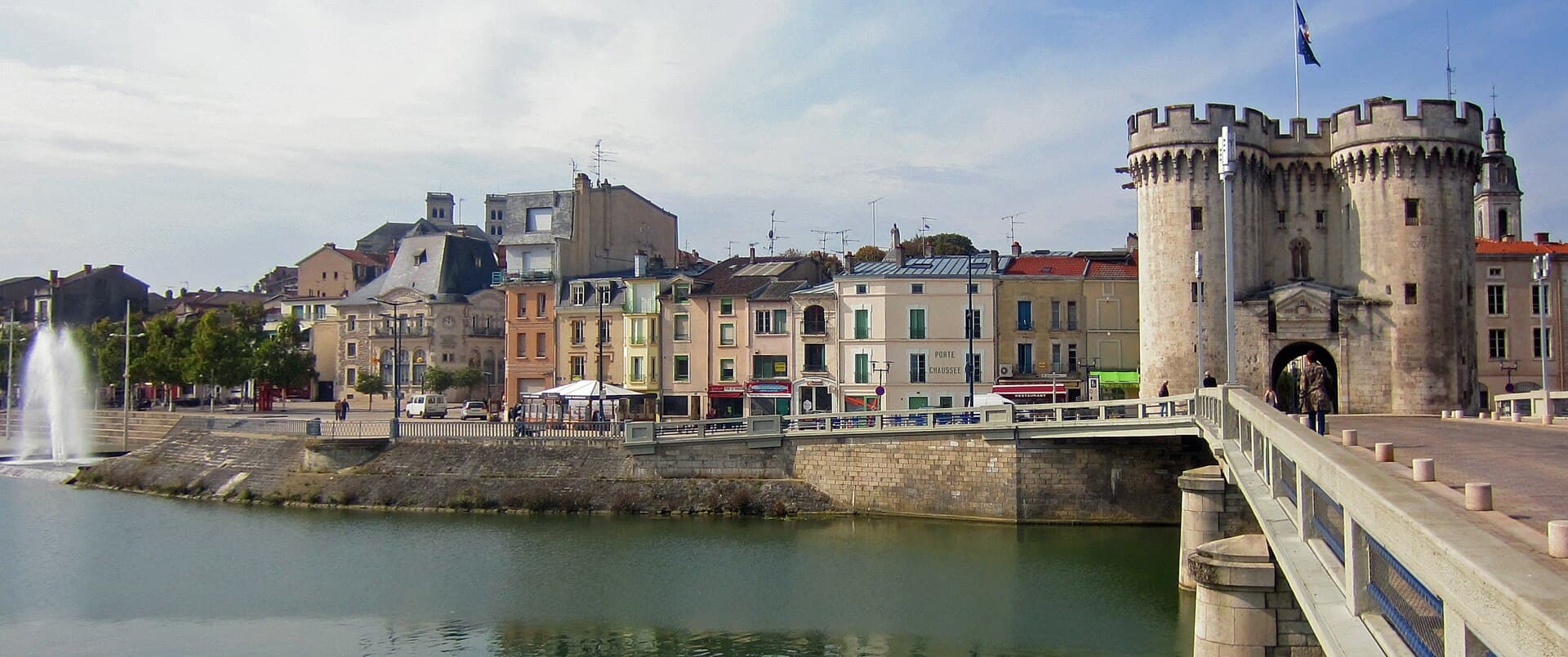 Aimelaime / CC BY-SA 4.0, via Wikimedia Commons
Tour de áudio autoguiado por Verdun — rota GPS a pé, reprodução offline, narração envolvente em 32 idiomas.
“Onde a terra se lembra, e a paz encontra sua voz.”
Não os postais. As histórias que nem os locais conhecem — sussurradas ao seu ouvido, exatamente onde aconteceram.
Um dos fortes mais formidáveis do sistema de defesa de Verdun cedeu às forças alemãs com surpreendente facilidade.
O próprio solo onde o conflito se alastrou se transformou em um monumento estranho e duradouro, mesmo após o fim dos combates.
O 'Soldado Desconhecido' da França, cujo túmulo repousa sob o Arco do Triunfo em Paris, foi escolhido dentro do labirinto subterrâneo de Verdun.
Descubra cada segredo de Verdun
Cada endereço, cada revelação na íntegra — no seu ouvido, exatamente onde aconteceu.
Você escolhe as suas paragens. Você caminha. A voz revela o que os outros perdem.


O seu tour áudio autoguiado de Verdun está pronto — escolha os seus pontos de interesse, selecione o seu idioma e comece no momento em que chegar.
ComprarA Lume inclui um guia de realidade aumentada. Levante o telemóvel: a câmara mostra a rua à sua frente, com uma seta luminosa sobreposta à imagem real que aponta sempre para a sua próxima paragem — sem mapa para decifrar, sem voltas erradas. Como tudo na Lume, funciona totalmente offline.
Verdun, uma cidade no nordeste da França, carrega um nome eternamente gravado nos anais da história, principalmente por seu papel crucial na Primeira Guerra Mundial. Esta cidade, situada no departamento de Meuse, oferece uma mistura cativante de significado histórico e a beleza serena do rio Meuse. Embora seu passado seja inegavelmente marcado por profundo sacrifício, Verdun hoje se ergue como um poderoso símbolo de lembrança e resiliência, frequentemente chamada de 'capital mundial da Paz.'
Além de seus memoriais solenes e campos de batalha, Verdun é uma cidade charmosa que se reconstruiu cuidadosamente. Os visitantes podem explorar seu calçadão à beira-rio, jardins públicos tranquilos e cafés acolhedores, experimentando um ritmo de vida relaxado que contrasta acentuadamente com seu passado turbulento. A cidade também mantém uma orgulhosa tradição culinária e arquitetura notável, convidando os viajantes a refletir, aprender e apreciar seu espírito duradouro.
A história de Verdun remonta a dois milênios, mas é a Primeira Guerra Mundial que moldou profundamente sua identidade moderna. A cidade era uma fortaleza estrategicamente vital no Rio Meuse, ameaçando as linhas de comunicação alemãs e possuindo imenso valor simbólico para o moral nacional francês. Em 1916, o Chefe do Estado-Maior Geral alemão, Erich von Falkenhayn, iniciou uma ofensiva, codinome Operação Julgamento, com o objetivo de 'sangrar a França até a morte' atraindo o exército francês para uma batalha de atrito da qual não poderiam escapar.
A Batalha de Verdun começou em 21 de fevereiro de 1916, com um massivo bombardeio de artilharia alemão, o maior e mais longo visto até então, lançando milhões de projéteis. Os combates se estenderam por 302 dias, tornando-a a batalha mais longa da Primeira Guerra Mundial e uma das mais custosas da história humana. As forças francesas, apesar de reveses iniciais como a rápida captura do Forte Douaumont pelos alemães, resistiram ferozmente. Os franceses rotacionaram divisões em Verdun, o que significa que uma porção significativa do exército francês lutou nesta batalha.
A batalha foi caracterizada por brutal guerra de trincheiras, lança-chamas e fogo incessante de artilharia, com uma estimativa de 70-80% das baixas causadas pela artilharia. As condições eram horríveis; os soldados suportavam bombardeios constantes, lutavam em terrenos lamacentos e cheios de cadáveres, e enfrentavam sede extrema e tormento psicológico. Em dezembro de 1916, contra-ofensivas francesas recuperaram grande parte do terreno perdido, incluindo o Forte Douaumont e o Forte Vaux. A batalha terminou em 18 de dezembro de 1916, com baixas estarrecedoras: aproximadamente 377.000 soldados franceses e 330.000 soldados alemães foram mortos ou feridos. Embora os franceses tenham repelido com sucesso a ofensiva alemã, a batalha deixou uma cicatriz indelével em ambas as nações e na paisagem.
Após a devastação da Primeira Guerra Mundial, Verdun sofreu mais ocupação alemã na Segunda Guerra Mundial. No entanto, a cidade foi meticulosamente reconstruída e transformada em um centro global de paz e lembrança, combinando turismo com um profundo dever de honrar seu passado.
Verdun oferece um roteiro cativante para aqueles que buscam entender sua história. Comece no Museu Memorial de Verdun (Mémorial de Verdun), uma instituição marcante redesenhada em 2016, que oferece um olhar aprofundado sobre a batalha através de artefatos, histórias pessoais e exposições interativas.
A visita ao Ossuário de Douaumont (Ossuaire de Douaumont) é essencial. Este significativo memorial de guerra abriga os restos mortais de mais de 130.000 soldados franceses e alemães não identificados. Em frente, o Cemitério Nacional de Douaumont apresenta fileiras intermináveis de cruzes brancas, uma visão sombria do custo humano da guerra.
Explore as estruturas militares bem preservadas que desempenharam papéis cruciais na batalha, como o Forte Douaumont e o Forte Vaux. Os visitantes podem caminhar por passagens escuras, salas de comando e bunkers, obtendo insights sobre os combates ferozes.
Outro local comovente é a Trincheira das Baionetas (Tranchée des Baïonnettes), um memorial único onde as baionetas de soldados franceses, aparentemente sepultados por um projétil, emergem da terra.
Para uma experiência imersiva, desça à Cidadela Subterrânea de Verdun (Citadelle Souterraine). Um tour interativo leva os visitantes pela extensa rede de túneis que abrigaram tropas francesas, usando projeções audiovisuais para dar vida às histórias da guerra.
Além dos campos de batalha, explore o patrimônio urbano da cidade, incluindo a Catedral de Nossa Senhora de Verdun, uma das mais antigas da Europa, e o Portão Châtel, parte das muralhas medievais da cidade.
A melhor época para visitar Verdun é durante as estações intermediárias, de abril a junho e de setembro a outubro. Durante esses meses, o clima é geralmente ameno e agradável, ideal para explorar os locais históricos ao ar livre e os campos de batalha. O verão (junho a agosto) oferece as temperaturas mais quentes e horas de luz mais longas, mas também pode ser a época mais movimentada com turistas. O outono proporciona uma atmosfera tranquila com menos multidões e belas folhagens de outono nas zonas de batalha arborizadas. Embora o inverno seja tranquilo e atmosférico, alguns locais podem ter horários de funcionamento limitados.
Verdun é uma cidade compacta e muitas de suas atrações podem ser exploradas a pé, embora sapatos confortáveis sejam recomendados devido às ruas de paralelepípedos. Para visitar os extensos campos de batalha e memoriais, é altamente recomendável reservar um tour organizado ou ter um carro, pois o transporte público para esses locais é limitado. O Museu Memorial de Verdun é um bom ponto de partida para ingressos e informações sobre outros locais. Há estacionamento gratuito disponível para visitantes da Cidadela na Avenue du Soldat Inconnu. A moeda local é o Euro (€). Verdun é geralmente considerada segura, mas como qualquer destino turístico, é prudente estar ciente de seus pertences. Observe que animais de estimação geralmente não são permitidos dentro da Cidadela Subterrânea.
Verdun — coreano, chinês, hebraico e mais 29 idiomas, cada parada narrada por uma voz nativa. A maior variedade de idiomas entre os passeios de áudio autoguiados.
Disponível em: