Verona, ItalyMaurizio Moro5153 / CC BY-SA 4.0, via Wikimedia Commons
IT

Verona

Verona: Where ancient stones share stories of empires, poets, and enduring romance.

The secrets of Verona

Verona, as no one tells it.

Not the postcards. The stories even locals don't know — whispered in your ear, right where they happened.

3 secrets below. Many more wait inside the tour.
Verona Arena

The grand Roman Arena, a symbol of Verona, holds a secret about its initial placement that reveals a practical aspect of its design.

Full story unlocks in the tour
Ponte Pietra

This ancient Roman bridge, a graceful combination of white stone and brick, carries a remarkable story of resilience and rebuilding after a devastating event.

Full story unlocks in the tour
Verona's Capitular Library

Beyond its impressive collection of ancient texts, this library holds a singular distinction that precedes many other renowned institutions.

Full story unlocks in the tour
The full tour

Discover every secret of Verona

Every address, every reveal in full — in your ear, right where it happened.

Get the key to Verona

You pick your stops. You walk. The voice reveals what the others miss.

Choose your time

How long do you have in Verona?

No tours available yet. Check back soon — we're preparing them.

About Verona

The story of Verona

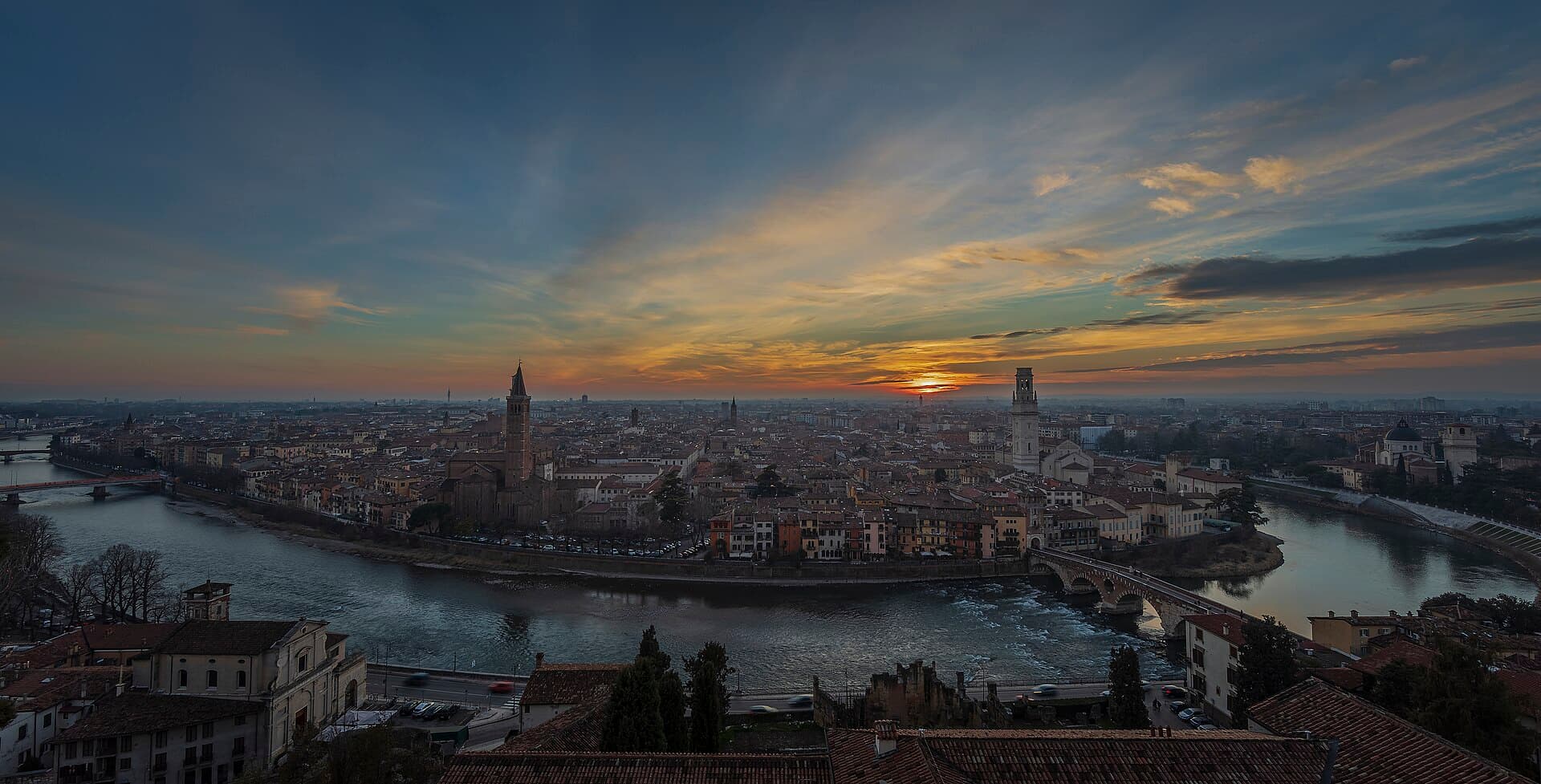
Verona, a UNESCO World Heritage Site in northern Italy's Veneto region, is a city where over two millennia of history unfold along the winding Adige River. While widely celebrated as the setting for Shakespeare's Romeo and Juliet, Verona offers far more than a tragic love story. Its historic center, less crowded than Venice or Florence, invites a slower pace of exploration, revealing a compelling blend of Roman, medieval, and Renaissance influences.

The city's strategic location, historically at the intersection of major Roman roads and between the Adige River and the Lessini Mountains, contributed to its prominence throughout various empires and eras. From ancient Roman amphitheaters to medieval castles and elegant piazzas, Verona's architectural heritage tells a story of enduring power and artistic legacy.

Verona's appeal extends beyond its grand monuments, permeating its pedestrian-friendly streets, lively markets, and tranquil riverside paths. It is a city that rewards those who linger, offering a rich array of culture, art, and culinary delights that reflect its deep traditions.

History

## From Roman Stronghold to Renaissance Splendor Verona's origins trace back to the Lower Paleolithic period, later inhabited by the Veneti, Etruscans, Gauls, and Cenomani. The city's significant history truly began with its alliance with Rome during the Second Punic War, leading to its establishment as a Roman colony in 89 BCE and later a municipium in 49 BCE. Its strategic position at the crossroads of major Roman roads made it an important hub, and the city flourished, leaving behind an impressive collection of Roman artifacts and structures.

Following the fall of the Roman Empire, Verona maintained its importance, serving as a capital for various Roman-Barbarian kingdoms. It was conquered by the Ostrogoths in 489 CE and later became the capital of Italy under Lombard rule until 571 CE. Charlemagne captured the city in 774 CE.

During the early 12th century, Verona emerged as an independent commune. The della Scala (Scaliger) family rose to power in 1260, ushering in a period of significant economic prosperity and construction that lasted over 120 years. Under leaders like Cangrande I della Scala, castles, churches, and palaces were built, and the city hosted notable figures such as Dante and Petrarch. The Scaliger era's legacy is evident in numerous monuments across Verona, including the Castelvecchio, a fortress built for self-defense.

In 1405, Verona voluntarily joined the Republic of Venice, a period that lasted until Napoleon's invasion in 1796. After a brief period under French rule and then Austrian control following the Congress of Vienna in 1815, Verona finally became part of a united Italy in 1866 after the Third Italian War of Independence. The city's layered history is reflected in its urban structure and architecture, leading to its designation as a UNESCO World Heritage Site in 2000.

What to see

Begin your exploration at the Verona Arena, a 1st-century Roman amphitheater that once hosted gladiator fights and now stages world-renowned opera performances. Wander through Piazza Bra, one of Europe's largest squares, where the Arena stands grandly and historic buildings line a pink Valpolicella marble-paved 'liston'. A short walk leads to Castelvecchio, a 14th-century fortress housing a museum with medieval artifacts and Renaissance art, including works by Mantegna and Bellini.

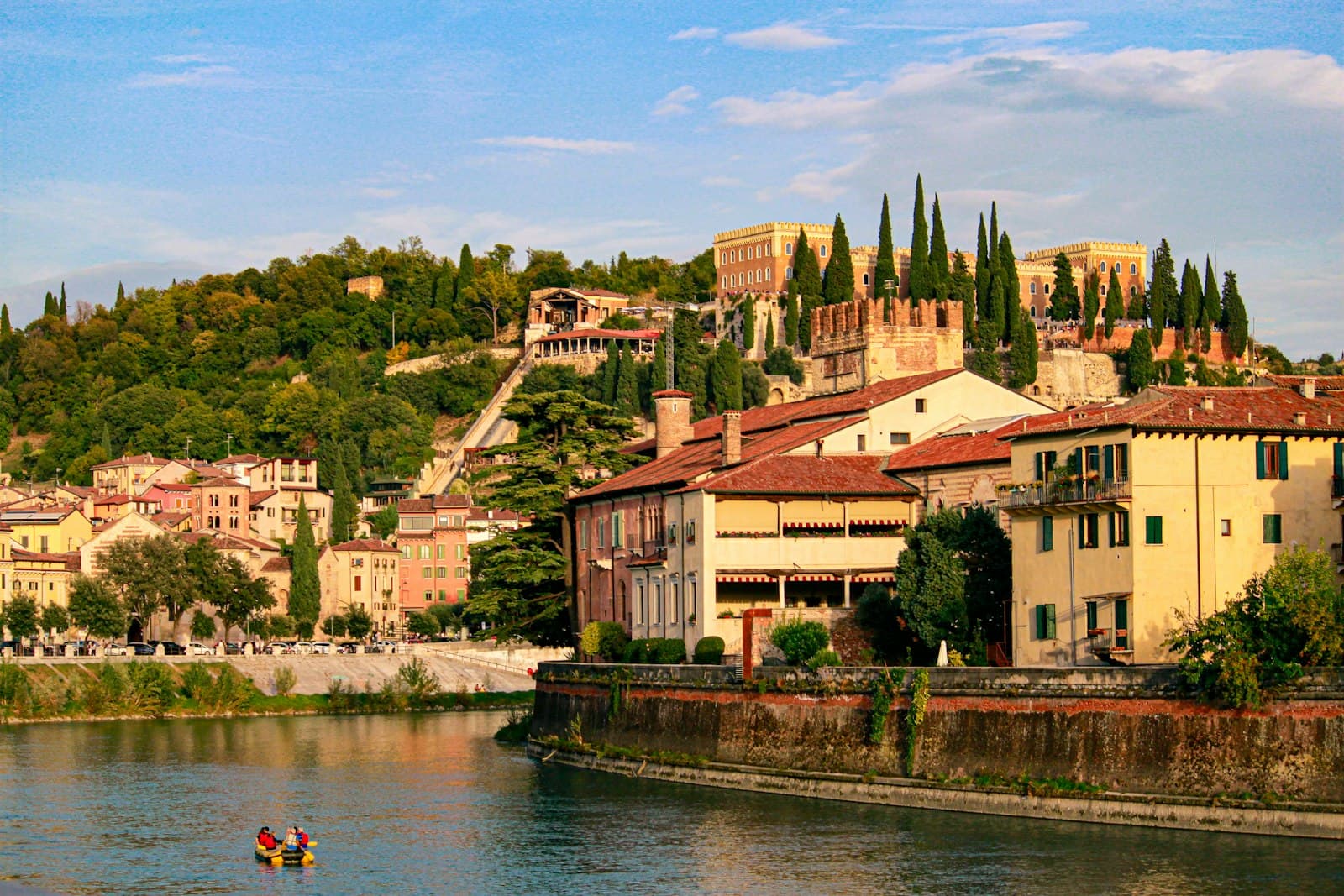
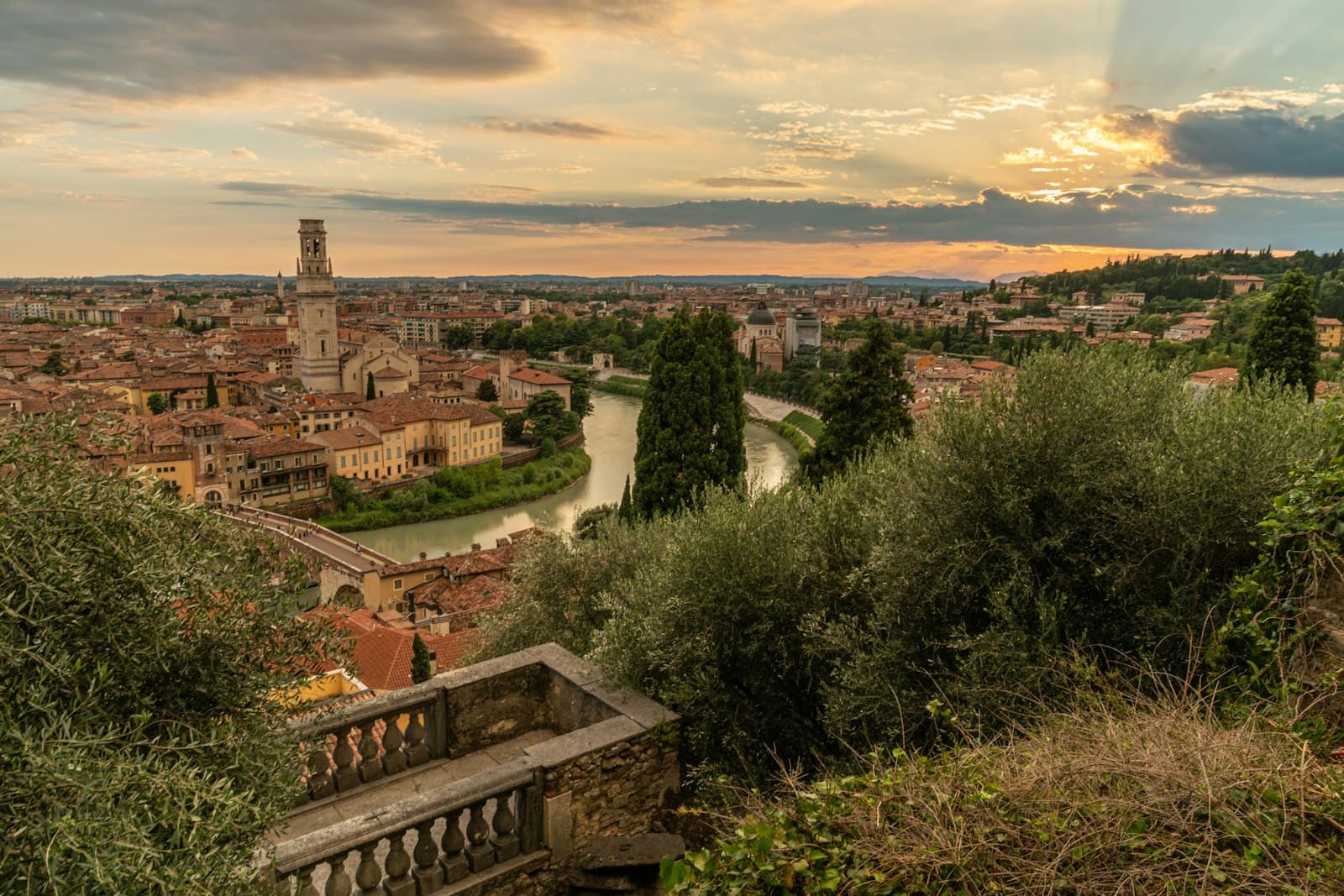
Cross the Adige River via the ancient Ponte Pietra, Verona's only surviving Roman bridge, offering picturesque views. On the left bank, discover the Roman Theatre, a 1st-century BCE open-air theater with an adjacent archaeological museum. For expansive city vistas, ascend to Castel San Pietro. Explore Piazza delle Erbe, Verona's oldest square, a lively center with markets, restaurants, and the frescoed Case Mazzanti.

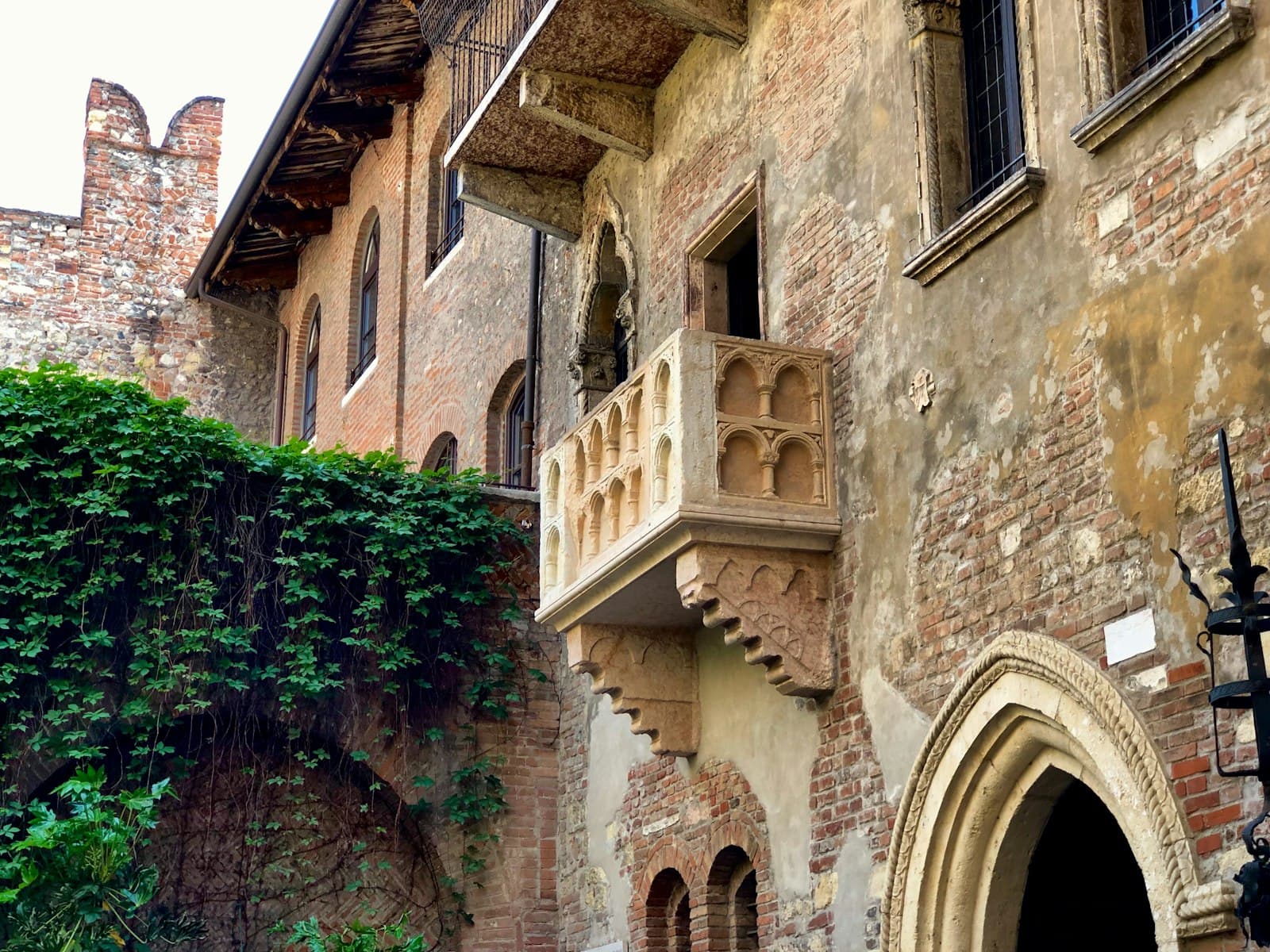
Do not miss Juliet's House (Casa di Giulietta) on Via Cappello, a popular site despite Shakespeare never having visited Verona. Seek out the serene Giardino Giusti, a Renaissance garden with cypress trees, statues, and a small labyrinth. For religious architecture, visit the Basilica di San Zeno Maggiore, a Romanesque masterpiece with a notable triptych by Mantegna and bronze doors depicting biblical scenes.

When to visit

Verona experiences warm summers and mild winters, making it a destination that can be enjoyed year-round. However, the most pleasant times to visit are during spring (April to June) and autumn (September to October).

During these shoulder seasons, temperatures are comfortable, rainfall is relatively low, and crowd levels are more manageable, allowing for a more relaxed exploration of the city. Spring brings blooming gardens and outdoor events, while autumn offers mild weather, colorful foliage, and harvest festivals in nearby wine regions. Summer (June to August) is popular for the opera season at the Arena, but it can be quite hot, busy, and more expensive.

Practical

Verona is a very walkable city, with its historic center being largely pedestrianized. You can easily explore most attractions on foot. For those planning to visit multiple museums and sites, consider purchasing the Verona Card. It offers entry to many attractions and unlimited use of city buses. The card can be bought at monument entrances, museums, newsstands, and tobacconists.

Verona Valerio Catullo Airport (VRN) is located about eight miles from the city center, though many international travelers opt to fly into larger airports like Milan Malpensa (MXP) or Venice Marco Polo (VCE) and then take a train or drive to Verona. Italy has an extensive train network, making rail travel to Verona convenient. Once in the city, parking is available outside the pedestrianized center, with easy access to the sights.

Good to know
Is Verona a walkable city?
Yes, Verona is highly walkable, with its historic center being largely pedestrianized, making it easy to explore most attractions on foot.
What is the Verona Card?
The Verona Card allows entry to many of the city's attractions and offers unlimited travel on city buses, providing a convenient and cost-effective way to sightsee.
What is Verona most famous for?
Verona is most famous for being the setting of Shakespeare's *Romeo and Juliet* and for its remarkably well-preserved Roman Arena, which hosts opera performances.
What is the best way to get to Verona?
You can fly directly to Verona Valerio Catullo Airport (VRN) or fly into larger international airports like Milan or Venice and then take a train or drive to Verona.
Are there Roman ruins in Verona?
Yes, Verona is rich in Roman ruins, including the Verona Arena, the Roman Theatre, and the Ponte Pietra, among others.
What are some lesser-known attractions in Verona?
Lesser-known attractions include the Giardino Giusti, the Basilica di San Zeno Maggiore, the Roman Theatre, and the underground Roman ruins visible in various parts of the city.
Verona
From€9.00
No booking · activate anytime · 12h to walk it
Get the key to Verona