Centre Touristique de la Laine et de la Mode
Il profumo di lanolina aleggia nell'aria, un fantasma del passato industriale di Verviers. Ma non si tratta solo di lana; si tratta di ciò che quella lana produceva.
La storia completa si sblocca nel tour
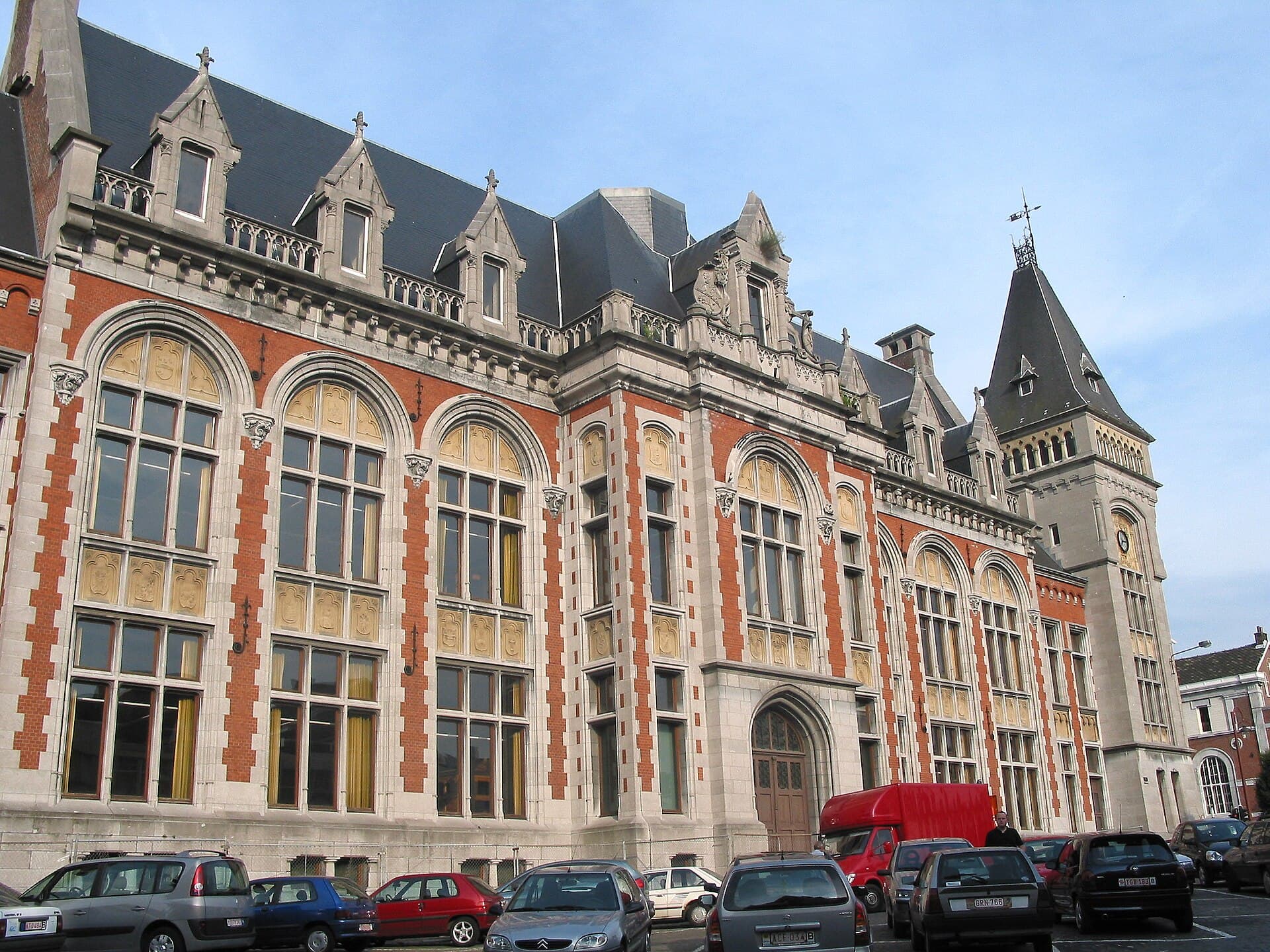 Jean-Pol GRANDMONT / CC BY-SA 3.0, via Wikimedia Commons
Tour audio autoguidato di Verviers — percorso GPS a piedi, riproduzione offline, narrazione coinvolgente in 32 lingue.
“Verviers: Dove i sussurri dell'industria scorrono con la Vesdre.”
Non le cartoline. Le storie che nemmeno i locali conoscono — sussurrate nel tuo orecchio, proprio dove sono accadute.
Il profumo di lanolina aleggia nell'aria, un fantasma del passato industriale di Verviers. Ma non si tratta solo di lana; si tratta di ciò che quella lana produceva.
Oltre il brusio industriale della città, una cascata scende con una tonalità insolita, quasi allarmante.
Nel cuore di Verviers, un edificio apparentemente ordinario nasconde segreti di un'importanza strategica diversa, lontana dai tessuti.
Scopri ogni segreto di Verviers
Ogni indirizzo, ogni rivelazione completa — nel tuo orecchio, proprio dove è accaduta.
Scegli le tue tappe. Cammini. La voce rivela ciò che gli altri perdono.


Il tuo tour audio autoguidato di Verviers è pronto — scegli i tuoi punti di interesse, seleziona la tua lingua e inizia nel momento in cui arrivi.
AcquistaLume include una guida in realtà aumentata. Alza il telefono: la fotocamera mostra la strada davanti a te, con una freccia luminosa sovrapposta all'immagine reale che punta sempre verso la tua prossima tappa — nessuna mappa da decifrare, nessuna svolta sbagliata. Come tutto in Lume, funziona completamente offline.
Verviers, una città nella regione vallone del Belgio, occupa un posto unico nella storia industriale europea. Situata nella pittoresca valle del fiume Vesdre, fu un tempo un centro mondiale per la produzione di lana e tessuti, guadagnandosi il soprannome di 'capitale della lana'. Lo sviluppo della città fu profondamente plasmato dal fiume Vesdre, le cui acque dolci e a basso contenuto di calcare erano ideali per il lavaggio della lana, contribuendo alla rinomata qualità dei tessuti locali. Questa eredità industriale è ancora visibile nell'architettura della città, con imponenti edifici del XIX secolo e ex fabbriche che punteggiano il paesaggio.
Oltre al suo passato industriale, Verviers è anche conosciuta come la 'Capitale dell'Acqua' della Vallonia grazie alle sue numerose fontane e giochi d'acqua. La città offre un mix di patrimonio storico e bellezza naturale, fungendo da porta d'accesso alla circostante regione delle Ardenne. I visitatori possono esplorare le sue affascinanti strade, scoprire i suoi musei e apprezzare l'atmosfera serena che ora caratterizza questa città belga di importanza storica.
Le origini di Verviers risalgono al XII secolo come piccolo villaggio nel Marchesato di Franchimont, parte del Principato-Vescovado di Liegi. Fu solo nel 1651 che Verviers ottenne ufficialmente lo status di una delle "Bonnes Villes" (Città Buone) del Principato-Vescovado, un riconoscimento stimolato dall'espansione dei suoi mulini per follatura. Già nelle sue prime fasi, l'economia di Verviers era incentrata sulla produzione di panni di lana, con le proprietà uniche dell'acqua del fiume Vesdre che rendevano i tessuti locali eccezionalmente morbidi e di alta qualità.
Il vero punto di svolta per Verviers arrivò nel 1799 con l'insediamento dell'ingegnere inglese William Cockerill. Sfidando il divieto inglese di esportare tecnologia, Cockerill stabilì a Verviers le prime macchine meccaniche per la filatura della lana del continente, dando di fatto il via alla Rivoluzione Industriale in Belgio. Questa innovazione, insieme a invenzioni successive come le cardatrici e il 'Leviathan' per la pulizia della lana, trasformò Verviers in un centro leader dell'industria tessile. Il XIX secolo segnò l'"Età dell'Oro" di Verviers, caratterizzata da un colossale afflusso di capitali, un boom edilizio e l'emergere di ampi viali e opulenti edifici pubblici. La potenza industriale della città fu ulteriormente consolidata dall'apertura della Diga di Gileppe nel 1878, che garantì un approvvigionamento costante di acqua pura per le sue fabbriche tessili.
Tuttavia, la metà del XX secolo portò un declino all'industria tessile di Verviers. La concorrenza globale e le crisi economiche portarono alla chiusura di molte fabbriche storiche, iniziando un periodo di ristrutturazione economica. Nonostante queste sfide, Verviers ha lavorato attivamente per preservare il suo patrimonio industriale. L'ex fabbrica Dethier, un edificio neoclassico, fu trasformata nel Centro Turistico della Lana e della Moda nel 1999, dedicato alla valorizzazione della storia tessile della regione. La città ha anche subito danni significativi a causa delle massicce inondazioni del fiume Vesdre nel luglio 2021, che hanno reso necessari estesi sforzi di restauro. Oggi, Verviers fonde il suo passato industriale con una scena culturale, continuando ad adattarsi alle realtà moderne pur onorando la sua storia unica.
Iniziate la vostra esplorazione al Centre Touristique de la Laine et de la Mode (Centro Turistico della Lana e della Moda). Ospitato in un'ex fabbrica, questo museo offre un viaggio immersivo attraverso la storia tessile di Verviers, mostrando vecchi macchinari, testimonianze di operai e abiti d'epoca. Il Municipio di Verviers (Hôtel de Ville) è un imponente edificio neoclassico che funge da punto culminante architettonico nella piazza principale. Un'altra struttura degna di nota è il Grand Theatre, noto anche come La Bonbonnière, completato nel 1892 e simbolo della ricchezza della città durante il suo picco industriale.
Verviers è riconosciuta per le sue numerose fontane, che le sono valse il titolo di 'Capitale dell'Acqua' della Vallonia. Fate una passeggiata per scoprire queste fontane e seguire percorsi turistici urbani che mettono in risalto affreschi, monumenti e macchine tessili. Per un assaggio del patrimonio culinario locale, considerate una visita alla Chocolaterie Darcis, dove potrete approfondire la storia del cioccolato. Il Musée d'Archéologie et du Folklore offre uno sguardo sulla storia e sul folklore regionale all'interno di una casa padronale del XVIII secolo. Se siete desiderosi di esplorare la natura circostante, la Cascata di Bayehon, con la sua distintiva acqua rossa dovuta alle rocce ricche di ferro, è un'attrazione naturale unica. Il Parc de Séroule offre pittoreschi stagni e viali per passeggiate rilassanti.
Il periodo ideale per visitare Verviers per attività all'aperto va da fine giugno a fine agosto. Durante questi mesi estivi, il clima è confortevole, con temperature medie giornaliere massime tipicamente superiori a 18°C (65°F) e spesso raggiungono i 21-23°C (70-73°F), rendendolo adatto per camminare ed esplorare. Sebbene luglio sia il mese più sereno, Verviers registra una significativa probabilità di pioggia durante tutto l'anno, quindi è consigliabile portare un ombrello e abbigliamento impermeabile indipendentemente dalla stagione. La primavera (marzo-maggio) e l'autunno (settembre-novembre) offrono un clima più mite, meno folla e splendidi colori autunnali, sebbene con modelli meteorologici più imprevedibili.
Verviers è ben collegata in treno, offrendo collegamenti diretti con città come Liegi, Bruxelles, Gand e Aquisgrana (Germania). Il viaggio da Liegi a Verviers dura circa 20 minuti, e da Aquisgrana circa 30 minuti. Sebbene non ci sia un aeroporto a Verviers, l'aeroporto di Liegi (LGG) è il più vicino, a circa 30,5 km di distanza, con un trasferimento in taxi o auto che dura 30-40 minuti.
Una volta a Verviers, molte aree centrali sono raggiungibili a piedi. La rete di autobus TEC fornisce il trasporto pubblico in tutta la città. I taxi sono disponibili ma possono essere costosi per brevi distanze. Si consiglia il noleggio di un'auto se si prevede di esplorare la più ampia regione delle Ardenne. La valuta ufficiale è l'Euro (EUR). La maggior parte dei negozi opera dal lunedì al sabato, tipicamente dalle 10:00 alle 18:00 o 18:30, con la maggior parte dei negozi al dettaglio chiusi la domenica. Il francese è la lingua principale, ma l'inglese è comunemente compreso.
Verviers — coreano, cinese, ebraico e altre 29 lingue, ogni tappa narrata da una voce madrelingua. La più ampia scelta di lingue tra i tour audio autoguidati.
Disponibile in: