La Navata della Basilica
I costruttori medievali della Basilica di Vézelay avevano un collaboratore segreto: il sole stesso.
La storia completa si sblocca nel tour
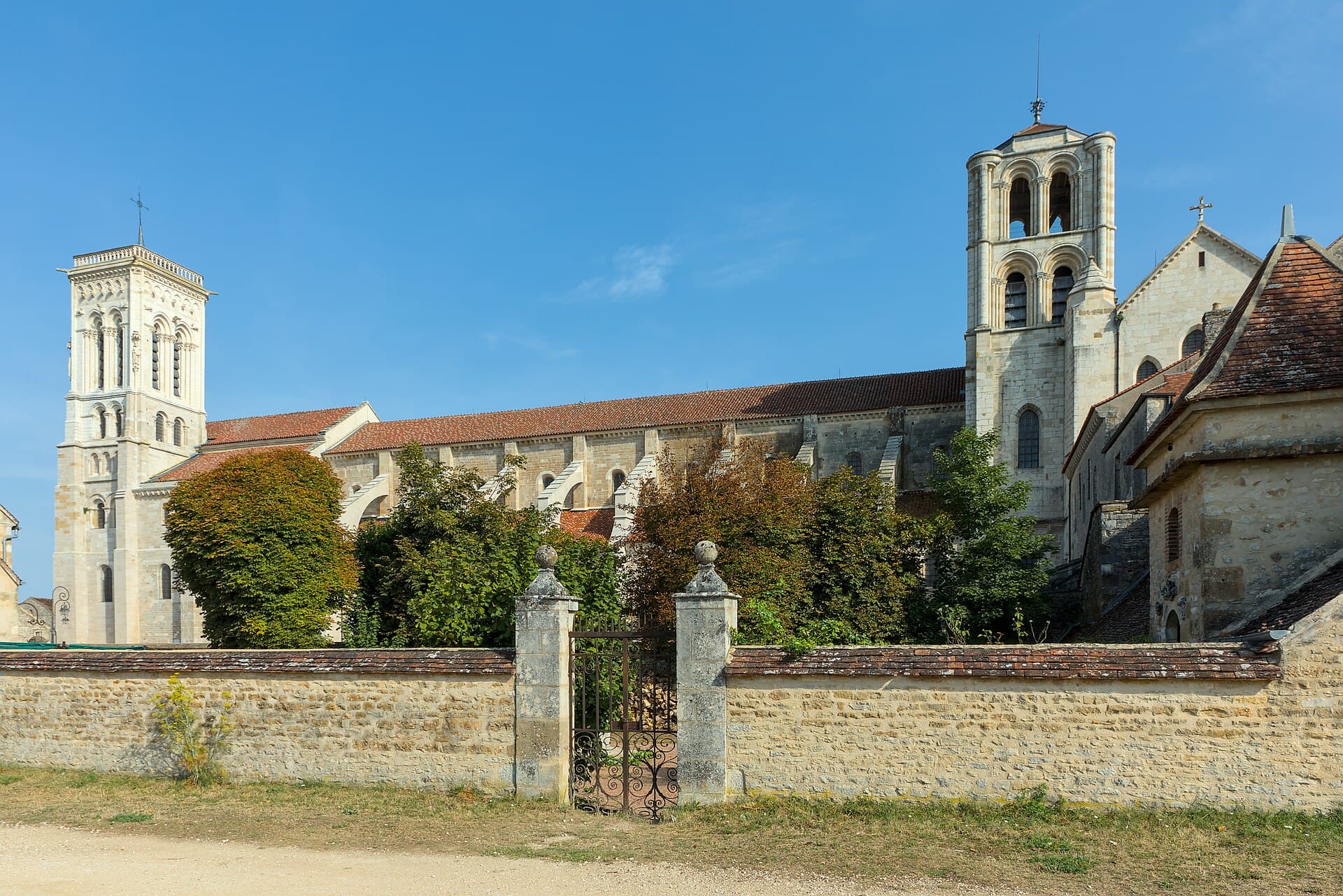 Benjamin Smith / CC BY-SA 4.0, via Wikimedia Commons
Tour audio autoguidato di Vézelay — percorso GPS a piedi, riproduzione offline, narrazione coinvolgente in 32 lingue.
“Dove pietra e luce raccontano storie di pellegrinaggio e potere.”
Non le cartoline. Le storie che nemmeno i locali conoscono — sussurrate nel tuo orecchio, proprio dove sono accadute.
I costruttori medievali della Basilica di Vézelay avevano un collaboratore segreto: il sole stesso.
Il possesso più sacro di Vézelay, che attira pellegrini da secoli, non è esattamente ciò che sembra.
Passeggiando per la via principale di Vézelay, potresti calpestare le orme della storia cinematografica.
Scopri ogni segreto di Vézelay
Ogni indirizzo, ogni rivelazione completa — nel tuo orecchio, proprio dove è accaduta.
Scegli le tue tappe. Cammini. La voce rivela ciò che gli altri perdono.
Lume include una guida in realtà aumentata. Alza il telefono: la fotocamera mostra la strada davanti a te, con una freccia luminosa sovrapposta all'immagine reale che punta sempre verso la tua prossima tappa — nessuna mappa da decifrare, nessuna svolta sbagliata. Come tutto in Lume, funziona completamente offline.
Vézelay sorge da una 'collina eterna', dominando la valle della Cure e il Parco Naturale Regionale del Morvan, un villaggio che sembra sospeso nel tempo. La sua unica, lunga e ripida strada sale alla magnifica Basilica di Sainte-Marie-Madeleine, capolavoro dell'architettura romanica e sito Patrimonio Mondiale dell'UNESCO. Oltre ad essere un bellissimo villaggio, Vézelay è stato un faro spirituale per oltre un millennio, attirando pellegrini, re e artisti sul suo suolo sacro.
Questo piccolo ma potente villaggio, ufficialmente riconosciuto come uno dei più belli di Francia, offre un connubio unico di narrazioni durature, profondità culturale e serena bellezza naturale. Dalle sue antiche mura ai suoi negozi di artigianato, Vézelay invita i visitatori a passeggiare per le sue vie medievali, ad assorbire ampie viste dei vigneti e delle foreste della Borgogna e a sperimentare un profondo senso di continuità con il passato.
La storia di Vézelay è indissolubilmente legata alla sua abbazia benedettina, fondata nel IX secolo. La prominenza del villaggio iniziò a crescere a metà dell'XI secolo con l'affermazione di ospitare le reliquie di Maria Maddalena, presumibilmente salvate da Efeso. Questa rivendicazione, ufficialmente riconosciuta da Papa Stefano IX nel 1058, trasformò Vézelay in una delle destinazioni di pellegrinaggio più significative dell'Europa medievale e un punto di partenza cruciale per il Cammino di Santiago.
L'afflusso di pellegrini portò immensa ricchezza e influenza, ponendo Vézelay al centro della vita religiosa e politica europea. Nel 1146, San Bernardo di Chiaravalle predicò qui la Seconda Crociata, con Re Luigi VII presente. Decenni dopo, nel 1190, Riccardo Cuor di Leone d'Inghilterra e Filippo II di Francia si incontrarono a Vézelay prima di imbarcarsi per la Terza Crociata.
L'attuale Basilica di Sainte-Marie-Madeleine, in gran parte costruita tra il 1120 e il 1150, testimonia quest'era di fervente fede e innovazione architettonica. Tuttavia, le fortune di Vézelay cambiarono. Alla fine del XIII secolo, la scoperta del corpo di Maria Maddalena a Saint-Maximin-la-Sainte-Baume in Provenza portò a un declino dei pellegrinaggi a Vézelay. L'abbazia subì ulteriori danni durante le Guerre di Religione e la Rivoluzione Francese, quando gran parte di essa fu distrutta, lasciando solo la chiesa e la sala capitolare.
Nel XIX secolo, la basilica era in stato di degrado. La sua salvezza venne attraverso i meticolosi sforzi di restauro di Eugène Viollet-le-Duc, iniziati nel 1840. Il suo lavoro, considerato pionieristico nella conservazione moderna, ridiede grandezza alla basilica e consolidò il suo posto come capolavoro dell'arte romanica. Oggi, l'intero villaggio, insieme alla sua basilica, è un sito Patrimonio Mondiale dell'UNESCO, riconosciuto per il suo profondo significato storico e architettonico.
L'attrazione centrale di Vézelay è la Basilica di Sainte-Marie-Madeleine. Questa meraviglia romanica del XII secolo è celebrata per il suo design armonioso, gli intricati capitelli scolpiti che raffigurano scene bibliche e il notevole timpano sopra le porte del portale interno, che ritrae Cristo che invia gli Apostoli a convertire le nazioni. Non trascurare la cripta, una delle parti più antiche della basilica, dove si dice sia conservata la reliquia del dito di Maria Maddalena. L'interno della basilica è sorprendentemente luminoso, con un suggestivo design a pietra a strisce e un coro gotico aggiunto in seguito.
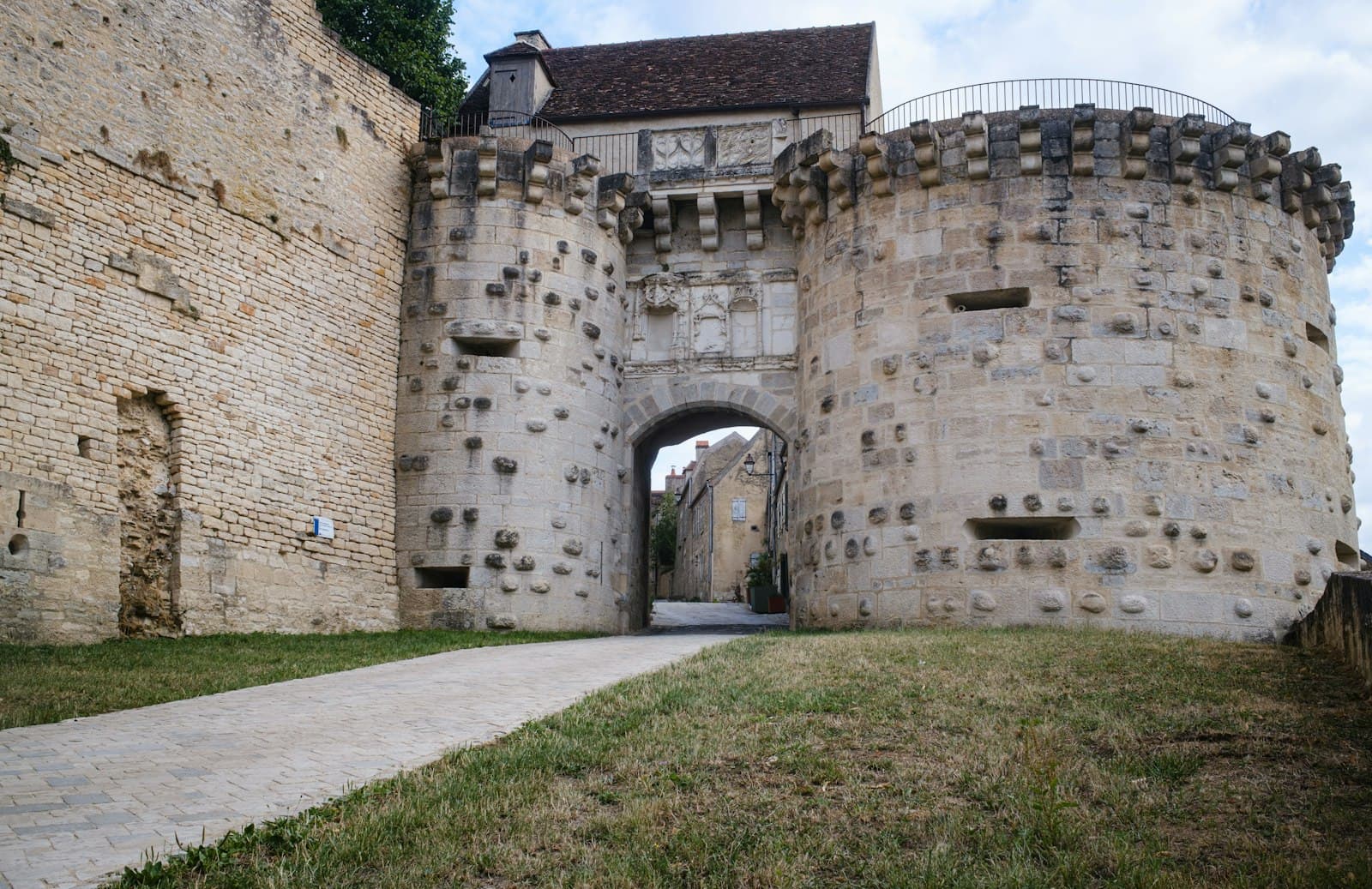
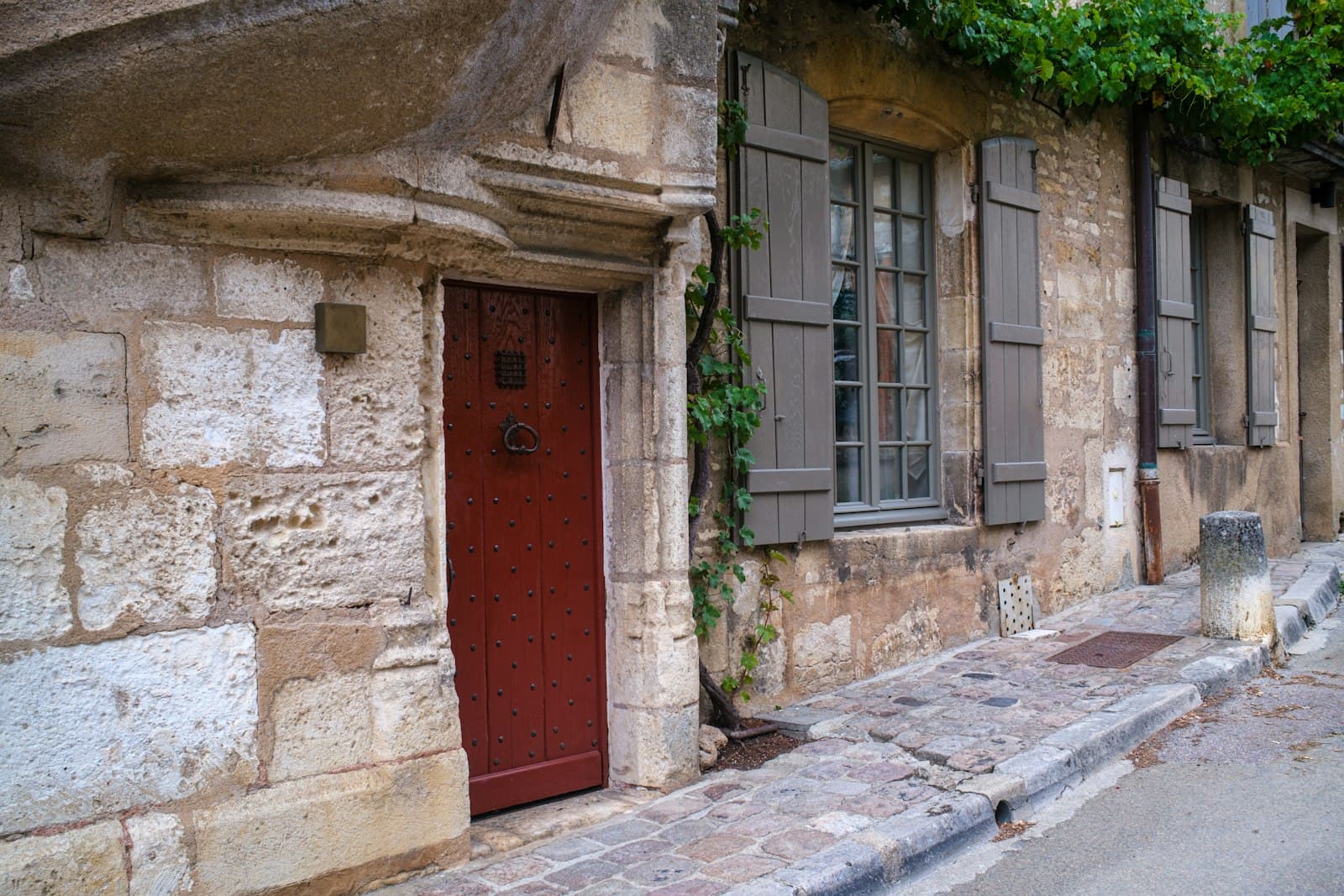
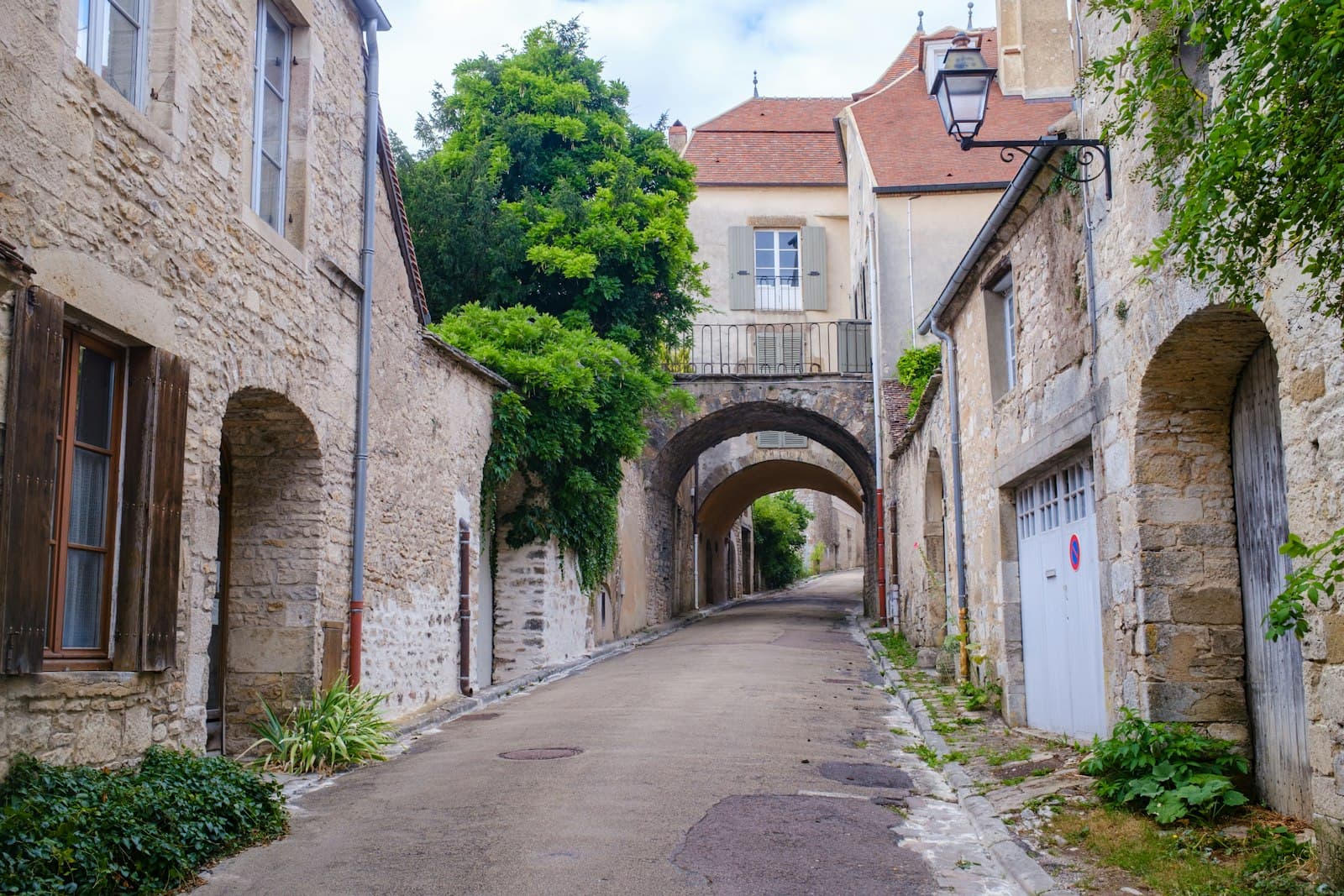
Oltre alla basilica, passeggia per le strade lastricate in pietra del villaggio, fiancheggiate da case medievali e rinascimentali, molte delle quali appartenevano un tempo a vignaioli. Entra attraverso l'imponente Porte Neuve, con le sue due torri, in fondo al villaggio. Esplora la Maison Jules Roy, l'ex casa dello scrittore, ora un museo con giardini terrazzati che offrono viste sulla basilica e sulla valle della Cure. Il Musée Zervos – Maison Romain-Rolland ospita un'impressionante collezione d'arte moderna, tra cui opere di Picasso, Miró e Giacometti. Per coloro interessati al restauro della basilica, il Musée de l'Œuvre Viollet-le-Duc espone sculture originali e intagli sostituiti durante i lavori dell'architetto.
Vézelay può essere visitata tutto l'anno, con ogni stagione che offre un'atmosfera diversa. La primavera e l'autunno sono particolarmente consigliate per il clima piacevole e la minore affluenza di turisti, rendendola ideale per percorrere i sentieri di pellegrinaggio. L'autunno offre un paesaggio tranquillo mentre la nebbia mattutina si dissolve e i vigneti circostanti offrono una bellezza scenica. L'estate può essere calda, ma il villaggio rimane sorprendentemente tranquillo lontano dalla via principale. Un'esperienza unica è visitarla intorno ai solstizi d'estate o d'inverno (in particolare dal 20 al 30 giugno e durante tutto dicembre) per assistere ai fenomeni luminosi intenzionali della basilica.
Vézelay si trova nella regione della Borgogna-Franca Contea, nel centro-nord della Francia, a circa 50 chilometri a sud di Auxerre. Da Parigi, dista circa due ore e mezza di auto tramite l'autostrada A6. Se arrivi in auto, è consigliabile parcheggiare nel villaggio inferiore e proseguire a piedi lungo la ripida strada principale. I trasporti pubblici possono essere più complicati, ma sono disponibili treni da Parigi (Gare de Bercy) a Sermizelles (10 km da Vézelay), seguiti da un taxi o navetta. Il villaggio è compatto e facilmente esplorabile a piedi. Considera di scaricare un tour guidato gratuito sul tuo smartphone per un contesto aggiuntivo. Per le specialità locali, esplora i negozi di artigianato in Rue St-Étienne e Rue St-Pierre, che offrono miele, senape e il vino bianco locale Vézelay AOC.
Vézelay — coreano, cinese, ebraico e altre 29 lingue, ogni tappa narrata da una voce madrelingua. La più ampia scelta di lingue tra i tour audio autoguidati.
Disponibile in: