Ponte Eiffel
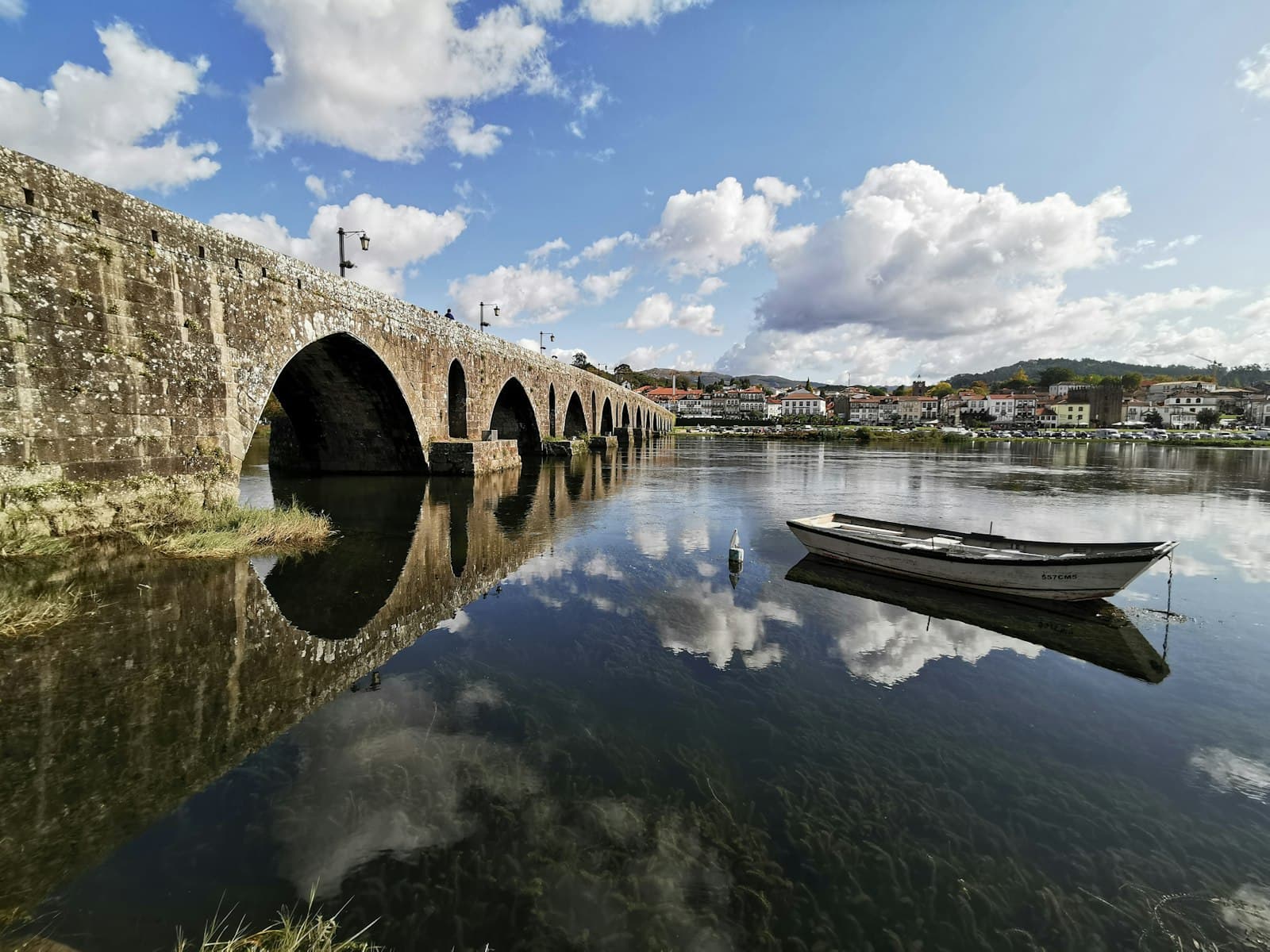
Le pont de fer de Viana do Castelo cache un secret dans ses deux niveaux.
L'histoire complète se débloque dans le tour
 Lucas Martínez Farrapeira / CC BY-SA 2.0, via Wikimedia Commons
Visite audio autoguidée de Viana do Castelo — parcours GPS à pied, lecture hors ligne, narration en 32 langues.
“Là où le fleuve Lima rencontre l'Atlantique, une ville de granit et d'or.”
Pas les cartes postales. Les histoires que même les habitants ignorent — soufflées à l'oreille, là où elles se sont passées.
Le pont de fer de Viana do Castelo cache un secret dans ses deux niveaux.
La robe de mariée traditionnelle de la région du Minho pourrait vous surprendre.
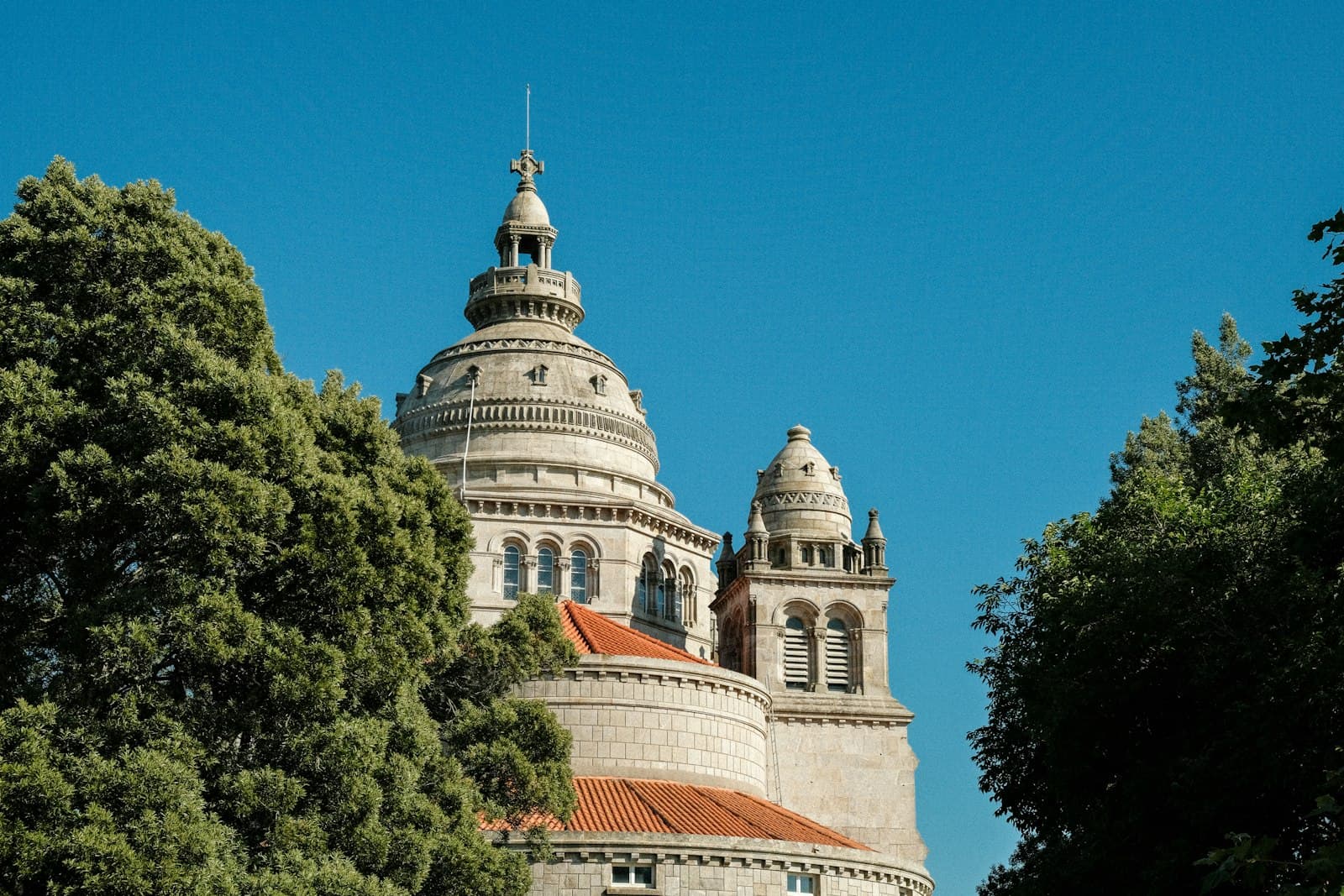
La grande basilique surplombant Viana do Castelo partage un lien avec un monument parisien.
Découvrez tous les secrets de Viana do Castelo
Chaque adresse, chaque révélation en entier — dans ton oreille, là où elle s'est passée.
Tu choisis tes lieux. Tu marches. La voix te révèle ce que les autres ignorent.
Lume intègre un guide en réalité augmentée. Levez votre téléphone : sa caméra montre la rue devant vous, avec une flèche lumineuse posée sur l'image réelle qui pointe toujours vers votre prochain arrêt — aucune carte à déchiffrer, aucun mauvais virage. Comme tout dans Lume, ça fonctionne entièrement hors-ligne.
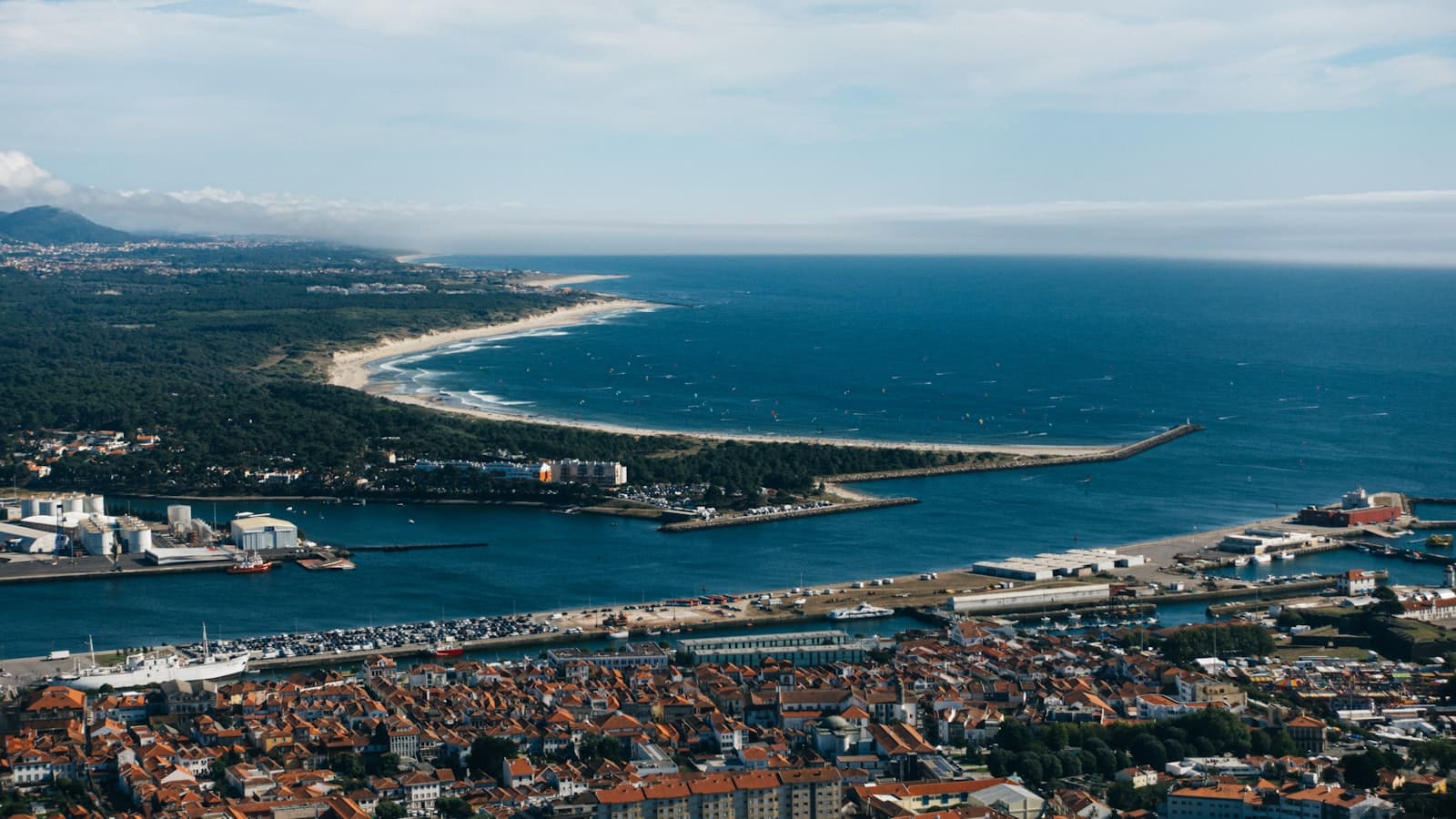
Viana do Castelo, une ville du nord du Portugal, est nichée à l'embouchure du fleuve Lima, là où il rencontre l'océan Atlantique. Cette ville portuaire active, avec une population d'environ 36 000 habitants dans sa zone urbaine, offre un mélange de patrimoine maritime, d'architecture historique et de beauté naturelle. Souvent négligée par les voyageurs se dirigeant plus au sud, Viana do Castelo offre une expérience portugaise plus authentique, caractérisée par un rythme plus lent et un lien fort avec son passé maritime.
Le caractère de la ville est façonné par son histoire de pêche à la morue au large des bancs de Terre-Neuve et sa tradition de construction navale, qui se poursuit encore aujourd'hui. Des places de granit de son centre historique aux vues imprenables depuis la colline de Santa Luzia, Viana do Castelo invite à l'exploration. C'est un endroit où l'odeur de l'air salin se mêle à l'arôme des pastel de nata fraîchement cuits le matin, et où les festivals traditionnels célèbrent des expressions culturelles profondément enracinées.
La région autour de Viana do Castelo possède une longue histoire d'occupation humaine, avec des preuves archéologiques remontant à l'ère mésolithique. L'établissement de l'âge du fer de Citânia de Santa Luzia, stratégiquement positionné sur la colline de Santa Luzia, montre une habitation continue d'environ 800 à 400 av. J.-C., d'abord par les Celtes, puis par les Romains. Cet établissement fortifié offrait à ses habitants une vue imprenable sur la campagne environnante, le fleuve Lima et le littoral, cruciale pour la défense.
Viana do Castelo a reçu sa charte royale du roi Afonso III le 18 juin 1258, date à laquelle elle était simplement connue sous le nom de Viana. L'ajout de « do Castelo » est survenu en 1589, lorsque Philippe Ier d'Espagne a ordonné la construction d'un castelo (château) pour les défenses côtières à l'embouchure du fleuve. L'emplacement stratégique de la ville a favorisé sa croissance en tant que plaque tournante maritime marchande, avec son cœur civique, la Praça da República, remplissant la même fonction depuis plus de 500 ans.
Le XVIe siècle a marqué un âge d'or pour Viana, en grande partie grâce à son implication dans la pêche à la morue au large de Terre-Neuve. Cette prospérité se reflète dans les maisons de style manuélin qui bordent encore le centre-ville. Le lien fort de la ville avec la mer est également attesté par le navire-hôpital Gil Eannes, construit dans les chantiers navals de Viana en 1955 pour soutenir la flotte portugaise de pêche à la morue sur les Grands Bancs. Après être tombé en ruine, le navire a été restauré et sert maintenant de musée, honorant les traditions maritimes et de construction navale de Viana.
Au XIXe siècle, Viana do Castelo a connu un développement industriel important. Le Ponte Eiffel, un pont métallique conçu par Gustave Eiffel, a été inauguré en 1878, permettant la circulation routière et ferroviaire sur le fleuve Lima et reliant Viana à Porto. Le début du XXe siècle a vu le début de la construction de la Basílica de Santa Luzia, un sanctuaire néo-byzantin sur le mont Santa Luzia, qui est devenu un point de repère important. Aujourd'hui, Viana do Castelo conserve son identité unique, mêlant son passé durable à une scène culturelle animée, particulièrement évidente lors du festival annuel Romaria de Nossa Senhora da Agonia.
Commencez votre exploration sur la Praça da República, la place centrale de la ville, qui est un point focal depuis plus de cinq siècles. Vous y trouverez la fontaine Chafariz du XVIe siècle et l'imposante Igreja da Misericórdia. Une courte promenade mène à la Sé Cathédrale, une église romane du XVe siècle.
Montez à la Basílica de Santa Luzia sur le mont Santa Luzia pour des vues imprenables sur la ville, l'estuaire du fleuve Lima et l'océan Atlantique. Vous pouvez atteindre la basilique via le plus long funiculaire du Portugal, l'Elevador de Santa Luzia, ou par un sentier de 168 marches. À proximité, explorez la Citânia de Santa Luzia, un établissement pré-romain de l'âge du fer avec des vestiges de maisons circulaires en pierre et de murs défensifs.
Le long du front de mer, visitez le Navio Gil Eannes, un navire-hôpital restauré de 1955 qui soutenait autrefois la flotte portugaise de pêche à la morue. Le navire est maintenant un musée, offrant un aperçu de ses divers rôles en tant qu'hôpital, poste, remorqueur et brise-glace. Ne manquez pas le Ponte Eiffel, le pont de fer conçu par Gustave Eiffel, qui enjambe le fleuve Lima.
Plongez dans la culture locale au Museu do Traje (Musée du Costume), qui présente les costumes traditionnels élaborés et les bijoux en filigrane d'or de la région du Minho. Pour une perspective artistique différente, le Musée des Arts Décoratifs présente des céramiques et des azulejos locaux.
Le meilleur moment pour visiter Viana do Castelo est fin mai ou septembre. Pendant ces mois, les eaux de l'Atlantique sont à leur plus chaud, et la ville est animée mais pas excessivement bondée. La scène des restaurants fonctionne à plein régime, et le temps est généralement agréable. Juillet et août sont également populaires, surtout pour le festival Romaria de Nossa Senhora da Agonia à la mi-août, une célébration animée en l'honneur de la sainte patronne de la ville. Cependant, si vous prévoyez de visiter pendant ce festival, assurez-vous de réserver votre hébergement bien à l'avance. Le printemps (avril à mai) offre des paysages verdoyants et des fleurs sauvages, tandis que l'hiver (décembre à février) est doux, calme et atmosphérique, attirant ceux qui recherchent une expérience sereine.
Viana do Castelo est facilement accessible. L'aéroport de Porto (OPO) est le plus proche, à environ une heure en voiture ou 75 minutes en train interurbain. Les trains circulent régulièrement depuis Porto Campanhã pour environ 8,90 € l'aller simple. En voiture, l'autoroute A28 relie Viana do Castelo à Porto en environ 50 minutes. Le centre-ville est compact et largement piéton, ce qui le rend très agréable à parcourir à pied. Des bus locaux et des services de covoiturage comme Uber sont disponibles pour les destinations en dehors du centre historique.
La monnaie locale est l'euro. Bien que le portugais soit la langue officielle, l'anglais est largement parlé dans les hôtels, restaurants et magasins du centre historique. Le pourboire n'est pas obligatoire mais apprécié, avec 5 à 10 % étant la norme dans les restaurants. Pour les repas, essayez les spécialités locales telles que le Bacalhau à moda de Viana (morue salée cuite avec des poivrons et des oignons) ou l'Arroz de polvo (riz au poulpe). La région est également connue pour le Vinho Verde, un vin jeune et frais.
Viana do Castelo en coréen, en chinois ou en hébreu — et dans 29 autres langues, chaque étape narrée par une voix native. La plus large gamme de langues de tous les audioguides autoguidés.
Disponible en :