Il Negozio Originale dei Globi di Neve di Vienna
Il familiare globo di neve, un microcosmo di meraviglia invernale, non è nato da un sogno festivo.
La storia completa si sblocca nel tour
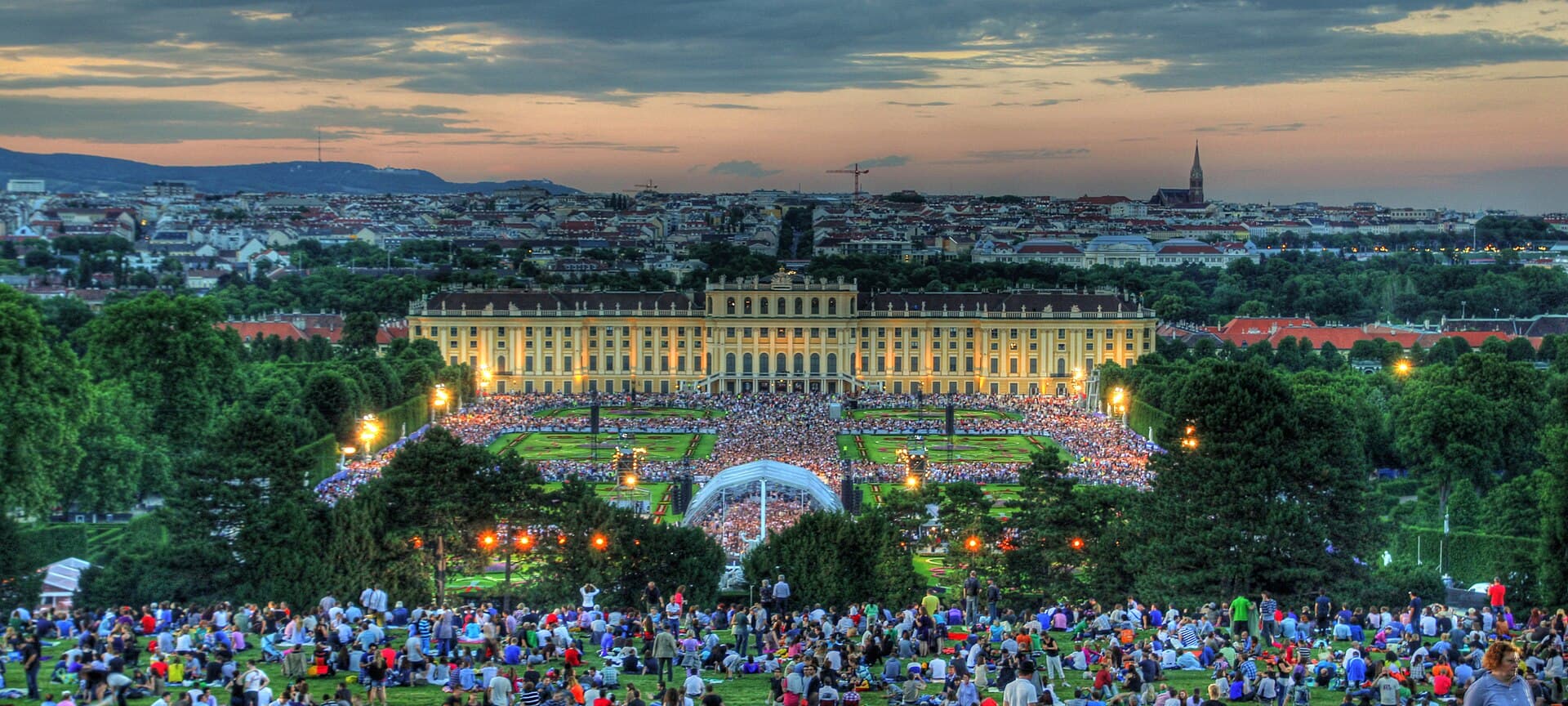 Superbass / CC BY-SA 3.0, via Wikimedia Commons
Tour audio autoguidato di Vienna — percorso GPS a piedi, riproduzione offline, narrazione coinvolgente in 32 lingue.
“Oltre la facciata imperiale, una città di quieta ribellione e dolci segreti.”
Non le cartoline. Le storie che nemmeno i locali conoscono — sussurrate nel tuo orecchio, proprio dove sono accadute.
Il familiare globo di neve, un microcosmo di meraviglia invernale, non è nato da un sogno festivo.
Vienna contiene il "paese" più piccolo del mondo, con una sua peculiare storia.
Il godimento senza fretta di una singola tazza di caffè in un caffè viennese è più di un'abitudine rilassata.
Scopri ogni segreto di Vienna
Ogni indirizzo, ogni rivelazione completa — nel tuo orecchio, proprio dove è accaduta.
Scegli le tue tappe. Cammini. La voce rivela ciò che gli altri perdono.


Lume include una guida in realtà aumentata. Alza il telefono: la fotocamera mostra la strada davanti a te, con una freccia luminosa sovrapposta all'immagine reale che punta sempre verso la tua prossima tappa — nessuna mappa da decifrare, nessuna svolta sbagliata. Come tutto in Lume, funziona completamente offline.
Vienna, la capitale dell'Austria, è una città spesso associata allo splendore imperiale, alle composizioni classiche e agli eleganti caffè. Il suo nucleo storico, patrimonio mondiale dell'UNESCO, espone secoli di stili architettonici, dal gotico al barocco. Eppure, sotto le superfici levigate di palazzi e grandi viali, Vienna pulsa di un carattere distintivo, una fusione di tradizione e sottile innovazione.
Spesso conosciuta come la "Città della Musica" grazie alla sua impareggiabile eredità di compositori come Mozart e Beethoven, e la "Città dei Sogni" in omaggio a Sigmund Freud, Vienna offre più di semplici note a piè di pagina storiche. È un luogo dove si possono trovare lo zoo più antico del mondo, vigneti urbani che producono quantità significative di vino entro i limiti della città e una vivace scena artistica contemporanea.
Questa guida ti invita a guardare oltre le solite narrazioni di viaggio, a scoprire le sfaccettature sorprendenti e il fascino tranquillo che rendono Vienna una destinazione indimenticabile.
## Grandezza Imperiale e Sabbie Mobili Per oltre sei secoli, Vienna è stata il nucleo dell'Impero Asburgico, un'eredità che ha profondamente plasmato la sua architettura, cultura e identità. Il centro storico della città testimonia questo passato, presentando capolavori architettonici che spaziano dai periodi medievale, gotico, rinascimentale, barocco e classico. Il Palazzo Hofburg, l'ex residenza invernale imperiale, e il Palazzo di Schönbrunn, il rifugio estivo degli Asburgo, rimangono grandiosi ricordi di quest'epoca.
L'eredità musicale di Vienna è profondamente intrecciata alla sua storia imperiale. La città ha ospitato uno straordinario numero di compositori classici influenti, tra cui Mozart, Beethoven, Haydn, Schubert e Strauss, guadagnandosi il soprannome di "Capitale Mondiale della Musica". La stagione dei grandi balli, in particolare da gennaio a febbraio, continua una tradizione di eleganti rituali risalenti ai tempi imperiali, con centinaia di balli che si tengono annualmente.
Oltre alla narrazione imperiale, Vienna possiede una storia di sottile ribellione e innovazione. La città ospita lo zoo più antico del mondo ancora in funzione, lo Tiergarten Schönbrunn, fondato nel 1752. È anche l'unica capitale al mondo con una produzione vinicola significativa entro i suoi confini, una tradizione che risale all'epoca romana. Questi vigneti urbani e le loro taverne tradizionali, note come Heurigen, riflettono un profondo legame con la terra e le usanze locali, riconosciute dall'UNESCO come patrimonio culturale immateriale.
Il XX secolo ha portato trasformazioni significative, tra cui le riprese di Il Terzo Uomo nella Vienna del dopoguerra nel 1948, una città allora divisa. Anche il più apparentemente banale ha un'origine viennese: il croissant si basa sul Kipferl austriaco, introdotto in Francia da Maria Antonietta, e il globo di neve è stata un'invenzione viennese accidentale. Queste storie meno conosciute aggiungono strati al complesso passato di Vienna.
Inizia la tua esplorazione nell'Innere Stadt, il centro storico di Vienna, patrimonio mondiale dell'UNESCO, dove convergono stili architettonici di epoche diverse. Ammira le guglie gotiche della Cattedrale di Santo Stefano ed esplora l'ampio complesso del Palazzo Hofburg, l'ex residenza imperiale. Immergiti nell'eredità artistica della città al Kunsthistorisches Museum, che espone capolavori raccolti dagli Asburgo, o al Belvedere Museum, sede de Il Bacio di Gustav Klimt.
Per una prospettiva diversa, visita il Palazzo di Schönbrunn, l'ex residenza estiva degli Asburgo, e passeggia nei suoi vasti giardini, che ospitano anche lo zoo più antico del mondo, lo Tiergarten Schönbrunn. Sperimenta l'unica cultura dei caffè viennesi, riconosciuta dall'UNESCO, soffermandoti su un Melange in un caffè tradizionale come il Café Central o il Café Landtmann. Non trascurare il Wiener Riesenrad, la ruota panoramica più antica del mondo ancora in funzione, situata nel parco divertimenti Prater, che offre ampie viste sulla città. Per un assaggio di vino locale, avventurati in uno dei vigneti urbani di Vienna e goditi un bicchiere in un Heuriger.
I periodi più piacevoli per visitare Vienna sono la primavera (aprile-giugno) o l'autunno (settembre-novembre). La primavera offre un clima mite, parchi in fiore e l'inizio della stagione dei festival. L'autunno porta temperature più fresche, meno folla rispetto all'estate e condizioni eccellenti per esplorare i monumenti storici. Mentre l'estate (giugno-agosto) ha un clima caldo e una vivace scena all'aperto, vede anche più folla e tariffe alberghiere più alte. L'inverno (dicembre-febbraio) trasforma Vienna in un ambiente festivo con mercatini di Natale, anche se può essere freddo e nevoso.
La valuta ufficiale di Vienna è l'Euro (€). Sebbene le carte siano ampiamente accettate, è saggio portare un po' di contanti, poiché alcuni esercizi più piccoli, in particolare alcuni caffè, potrebbero accettare solo contanti. La lingua ufficiale è il tedesco, con un distinto dialetto viennese (Wienerisch) parlato localmente. L'inglese è comunemente compreso nelle aree turistiche, negli hotel e nei ristoranti.
I trasporti pubblici a Vienna sono efficienti e capillari, comprendono la U-Bahn (metropolitana), la S-Bahn (treno locale), la Straßenbahn (tram) e l'Autobus (autobus). Il sistema funziona su un sistema di onore, il che significa che devi acquistare e convalidare un biglietto, anche se non ci sono tornelli. Biglietti singoli e abbonamenti per varie durate sono disponibili presso le macchinette, le tabaccherie o tramite l'app WienMobil. Le mance a Vienna sono consuetudinarie ma riguardano più l'arrotondamento del conto o l'aggiunta del 5-15% per un buon servizio, piuttosto che una percentuale fissa.
Vienna utilizza prese elettriche di tipo C e F, con una tensione standard di 230V e una frequenza di 50Hz. I visitatori provenienti da paesi con tipi di spina o tensioni diverse (come USA o Regno Unito) avranno bisogno di un adattatore da viaggio e, potenzialmente, di un convertitore di tensione per alcuni dispositivi.
Vienna — coreano, cinese, ebraico e altre 29 lingue, ogni tappa narrata da una voce madrelingua. La più ampia scelta di lingue tra i tour audio autoguidati.
Disponibile in: