Giardini del Palazzo Ducale
I graziosi giardini del Palazzo Ducale custodiscono un'inaspettata storia su una regina inglese e il suo particolare gusto per l'orticoltura.
La storia completa si sblocca nel tour
 Photo: Ricardo Resende / Unsplash
Tour audio autoguidato di Vila Viçosa — percorso GPS a piedi, riproduzione offline, narrazione coinvolgente in 32 lingue.
“Dove l'eredità dei re è scolpita nella pietra.”
Non le cartoline. Le storie che nemmeno i locali conoscono — sussurrate nel tuo orecchio, proprio dove sono accadute.
I graziosi giardini del Palazzo Ducale custodiscono un'inaspettata storia su una regina inglese e il suo particolare gusto per l'orticoltura.
Questo venerabile hotel, un tempo convento, presenta un elemento architettonico distintivo che facilitava una forma molto specifica di interazione con il mondo esterno.
All'interno delle mura del castello, il Santuario di Nostra Signora dell'Immacolata Concezione ospita un'immagine della Patrona del Portogallo con una singolare usanza sartoriale.
Scopri ogni segreto di Vila Viçosa
Ogni indirizzo, ogni rivelazione completa — nel tuo orecchio, proprio dove è accaduta.
Scegli le tue tappe. Cammini. La voce rivela ciò che gli altri perdono.
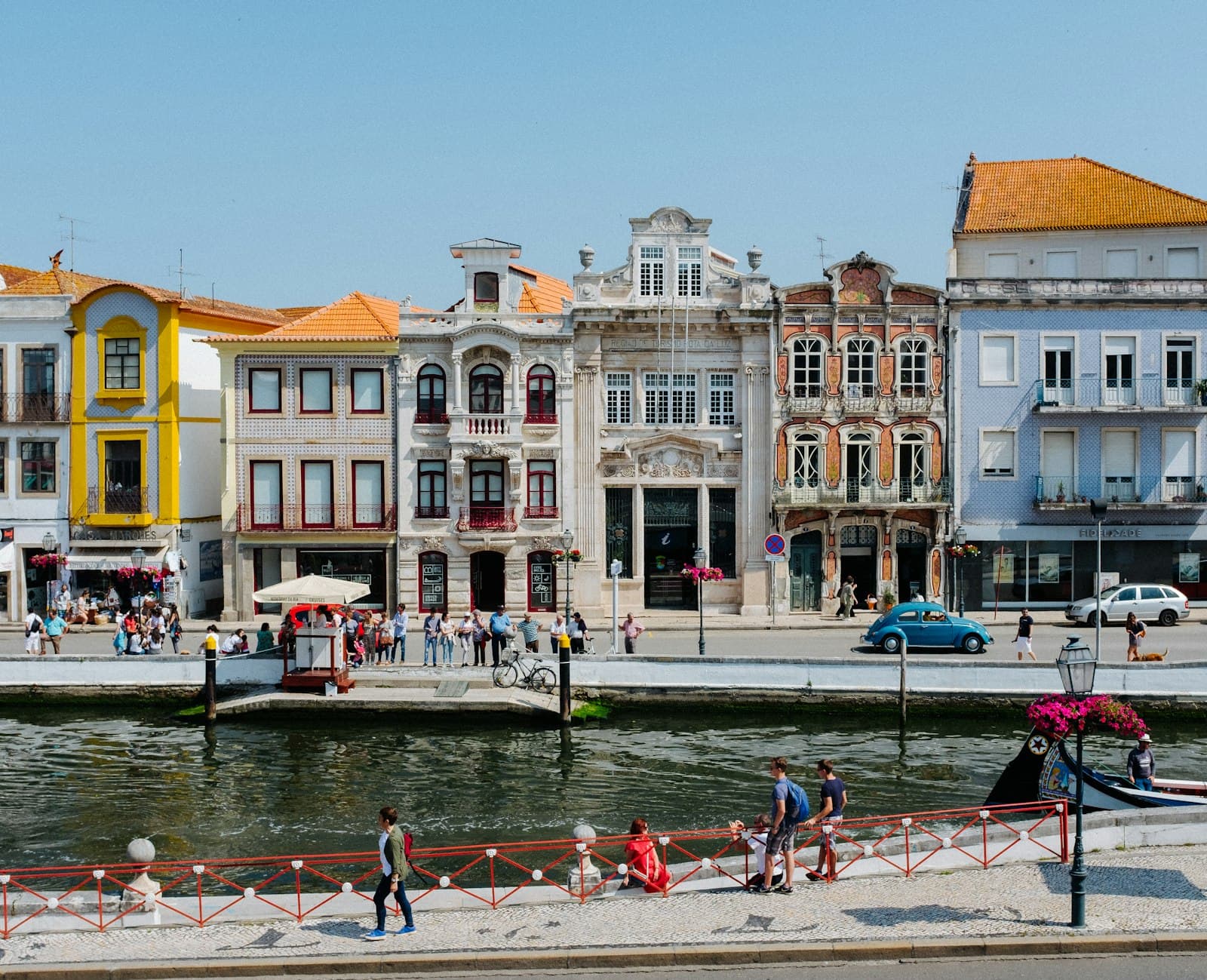
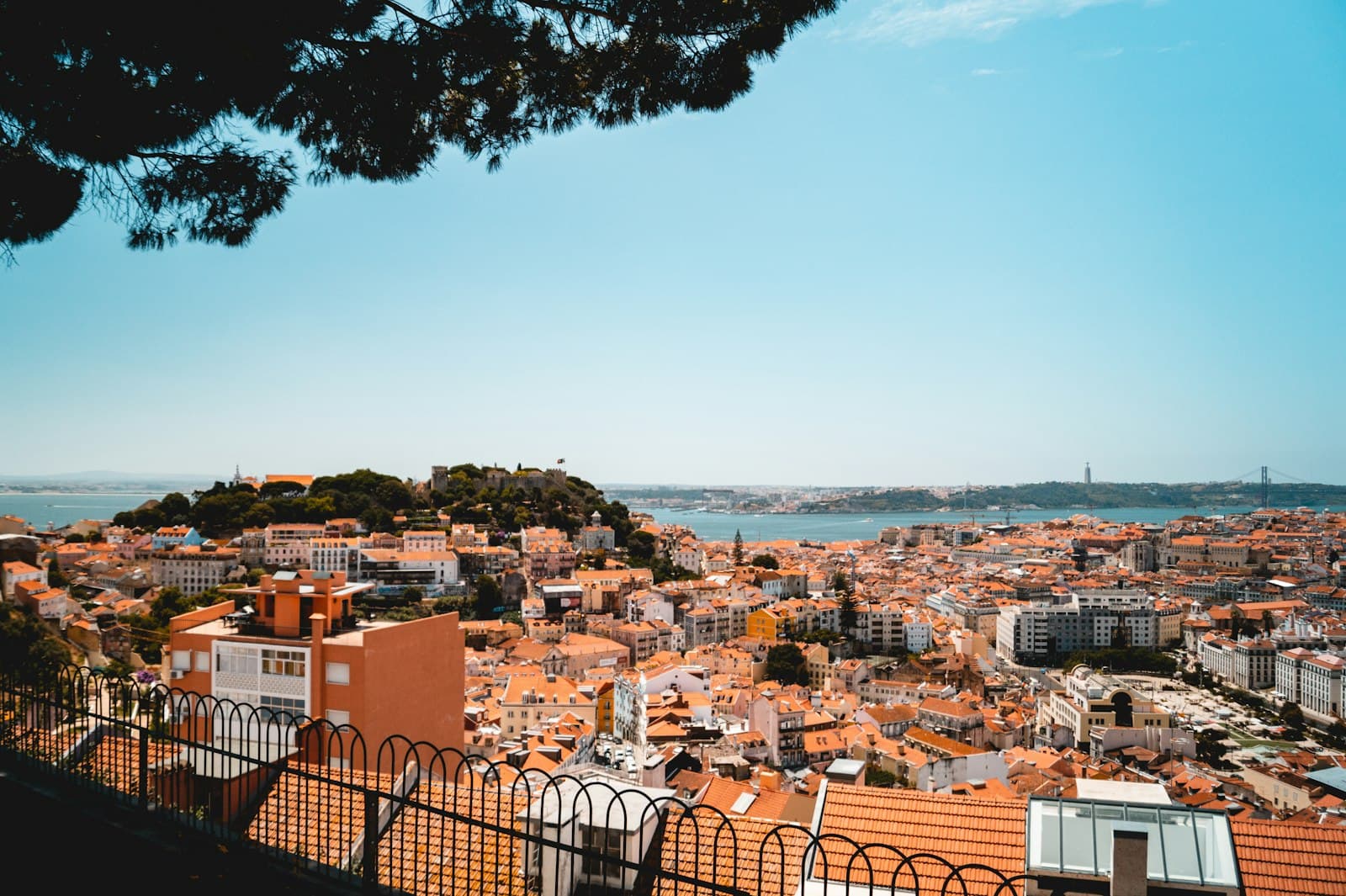
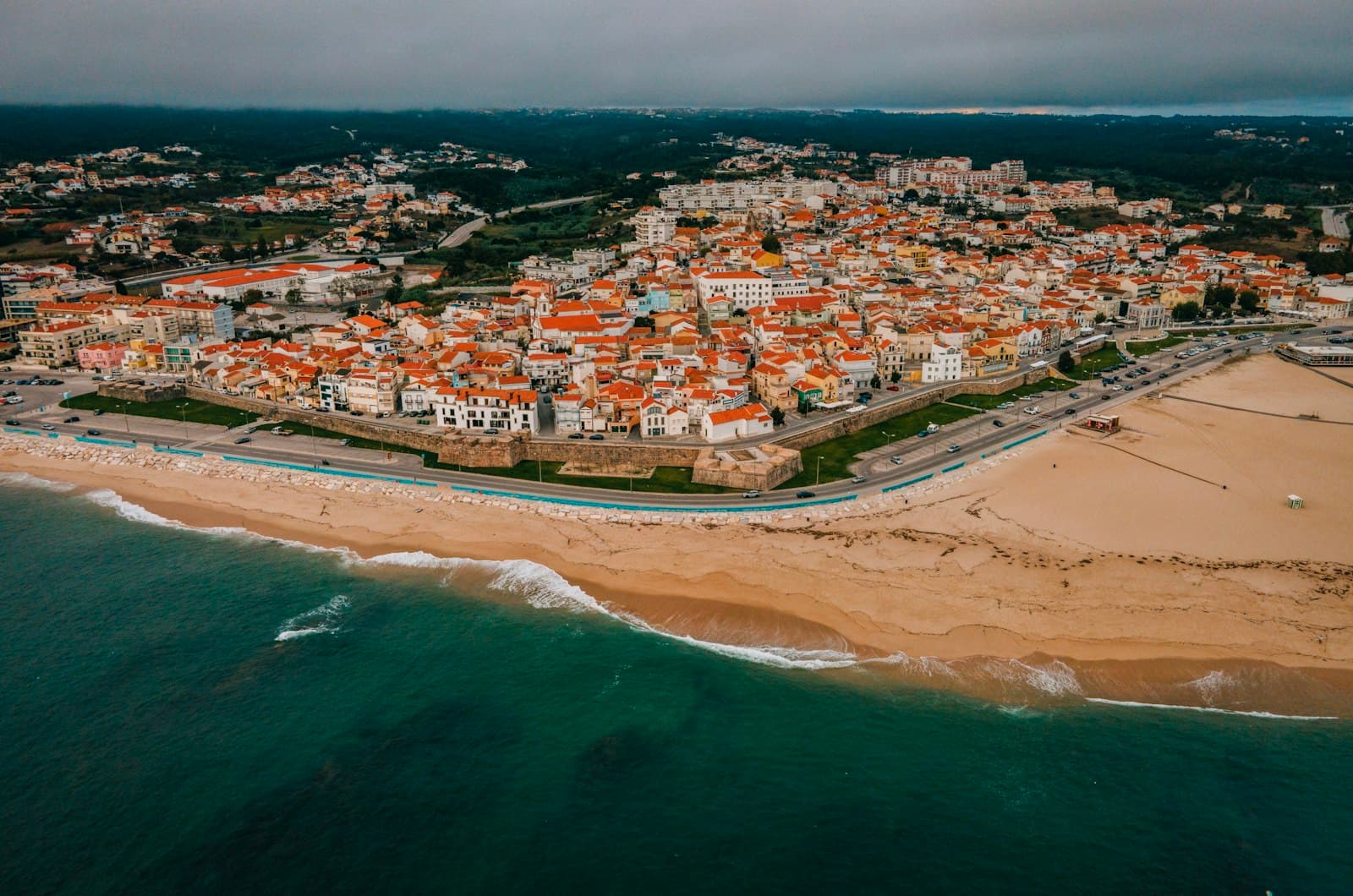
Il tuo tour audio autoguidato di Vila Viçosa è pronto — scegli i tuoi punti di interesse, seleziona la tua lingua e inizia nel momento in cui arrivi.
AcquistaLume include una guida in realtà aumentata. Alza il telefono: la fotocamera mostra la strada davanti a te, con una freccia luminosa sovrapposta all'immagine reale che punta sempre verso la tua prossima tappa — nessuna mappa da decifrare, nessuna svolta sbagliata. Come tutto in Lume, funziona completamente offline.
Vila Viçosa, conosciuta come la 'Principessa dell'Alentejo', è una città dove il tempo è inciso nel marmo. Situata in una delle zone più fertili del Portogallo, è stata la dimora ancestrale della Casa di Bragança, l'ultima dinastia reale del Portogallo, per oltre quattro secoli. Questo patrimonio duraturo è evidente nell'architettura della città, in particolare nel magnifico Palazzo Ducale, che domina la piazza centrale. Oltre ai suoi legami reali, Vila Viçosa è celebrata come la 'Capitale del Marmo' del Portogallo, con il locale 'oro bianco' che impreziosisce ogni cosa, dalle strutture monumentali ai semplici cordoli delle strade.
La città offre uno spaccato autentico della vita tradizionale portoghese, lontano dalle regioni costiere più affollate, invitando i visitatori a passeggiare per le sue vie lastricate di marmo e a scoprire secoli di storie. Dagli antichi insediamenti romani a un ruolo fondamentale nella Guerra di Restaurazione portoghese, Vila Viçosa ha assistito a molti momenti significativi che hanno plasmato la nazione. La sua miscela di splendore palaziale, profondità storica e la presenza pervasiva del marmo la rendono una destinazione distintiva nella regione dell'Alentejo.
Le origini di Vila Viçosa risalgono all'epoca romana, quando era conosciuta come 'Callipole' ed era già un luogo di estrazione del marmo. Ai Romani succedettero i Musulmani, fino a quando la città fu riconquistata nel 1217 durante il regno di Re Alfonso II. Re Alfonso III le concesse una carta nel 1270 e, nel XIV secolo, Re Dinis commissionò la costruzione del Castello di Vila Viçosa per salvaguardare l'insediamento medievale.
Il destino della città cambiò irrevocabilmente nel 1461, quando passò sotto la tutela della Casa di Bragança, che sarebbe diventata la famiglia nobile più influente del Portogallo. All'inizio del XVI secolo, l'allora Duca Jaime I trovò il castello inadeguato e iniziò la costruzione del magnifico Palazzo Ducale nel 1502. Ciò inaugurò un periodo di fiorente vita di corte, segnato da elaborate feste e spettacoli.
Un momento decisivo nella storia portoghese si svolse a Vila Viçosa quando, nel 1640, l'ottavo Duca di Bragança, João II, accettò il trono portoghese come Re João IV, dando inizio alla Dinastia di Bragança e concludendo 60 anni di dominio spagnolo. Da questo momento in poi, Vila Viçosa divenne un amato ritiro reale per le vacanze. Nel 1646, Re João IV presentò la corona portoghese alla Madonna dell'Immacolata Concezione, dichiarandola Patrona e Regina del Portogallo, una tradizione che significava che nessun altro re avrebbe indossato la corona d'ora in poi. La città subì sfide, tra cui il terremoto del 1755 e saccheggi durante le invasioni francesi all'inizio del XIX secolo. Con la proclamazione della Repubblica nel 1910, Vila Viçosa conobbe un declino, poiché gli sforzi repubblicani cercarono di allontanare il paese dai simboli monarchici.
Inizia il tuo viaggio dal Palazzo Ducale di Vila Viçosa, un imponente edificio in stile manierista con una facciata in marmo di 110 metri. Tour guidati attraverso le sue oltre 50 stanze rivelano ampie collezioni di dipinti, sculture, mobili, arazzi e ceramiche, tra cui l'Armeria e il Tesoro. Assicurati di osservare l'enorme cucina reale con le sue pentole in rame da 2,4 tonnellate. Adiacente al palazzo, il Convento das Chagas de Cristo, ora una pousada, fu originariamente costruito come pantheon per le Duchesse di Bragança.
Successivamente, esplora il Castello di Vila Viçosa, una struttura del XIV secolo commissionata da Re Dinis. All'interno, troverai il Santuario di Nostra Signora del Castello, che ospita l'immagine di Nostra Signora dell'Immacolata Concezione, insieme a due musei: il Museo della Caccia e il Museo Archeologico. Passeggia lungo la Praça da República, la piazza centrale della città, fiancheggiata da alberi d'arancio e che collega l'area del castello alla Chiesa di São João Evangelista, riconosciuta per la sua facciata in marmo e l'altare maggiore dorato. Per comprendere l''oro bianco' della città, considera un tour delle cave di marmo, che offre uno spaccato del processo di estrazione e trasformazione, spesso includendo visite a laboratori artigianali locali. Il Museo del Marmo (Museu do Mármore Raquel de Castro) offre anche una prospettiva coinvolgente sull'industria locale del marmo.
Il periodo più piacevole per visitare Vila Viçosa per un clima gradevole e attività all'aperto va da metà maggio a inizio ottobre, con un picco nella terza settimana di giugno. Per attività con temperature più calde, da fine giugno a inizio settembre è l'ideale. In generale, la primavera (marzo-maggio) e l'inizio dell'autunno (settembre-ottobre) offrono condizioni miti, paesaggi verdi e meno folla in tutto il Portogallo. Le estati a Vila Viçosa sono brevi, calde, secche e in gran parte serene, mentre gli inverni sono freschi e parzialmente nuvolosi.
Vila Viçosa si trova a circa 170 chilometri a est di Lisbona, a circa due ore di auto. Dista anche circa 50 minuti da Évora. La città è relativamente compatta, con circa 8.000 residenti, il che rende la maggior parte delle necessità quotidiane accessibili a piedi. Il costo della vita è notevolmente inferiore rispetto alle grandi città del Portogallo. Cenare in locali tradizionali costa in genere 10-15 € a persona, e le utenze per un appartamento standard costano in media 80-120 € al mese.
Molte attrazioni, come il Palazzo Ducale, offrono tour guidati, che sono spesso l'unico modo per esplorarne gli interni. Si consiglia di prenotare i tour delle cave di marmo in anticipo, soprattutto per le visite nel fine settimana, poiché alcuni laboratori potrebbero non essere inclusi. Quando si visitano cave o fabbriche, si raccomandano scarpe comode e solitamente vengono forniti dispositivi di sicurezza come caschi e giubbotti.
Vila Viçosa — coreano, cinese, ebraico e altre 29 lingue, ogni tappa narrata da una voce madrelingua. La più ampia scelta di lingue tra i tour audio autoguidati.
Disponibile in: