I pozzi della città vecchia
Vodice significa 'piccole acque', un nome che allude a una risorsa essenziale. Ma queste non servivano solo per bere.
La storia completa si sblocca nel tour
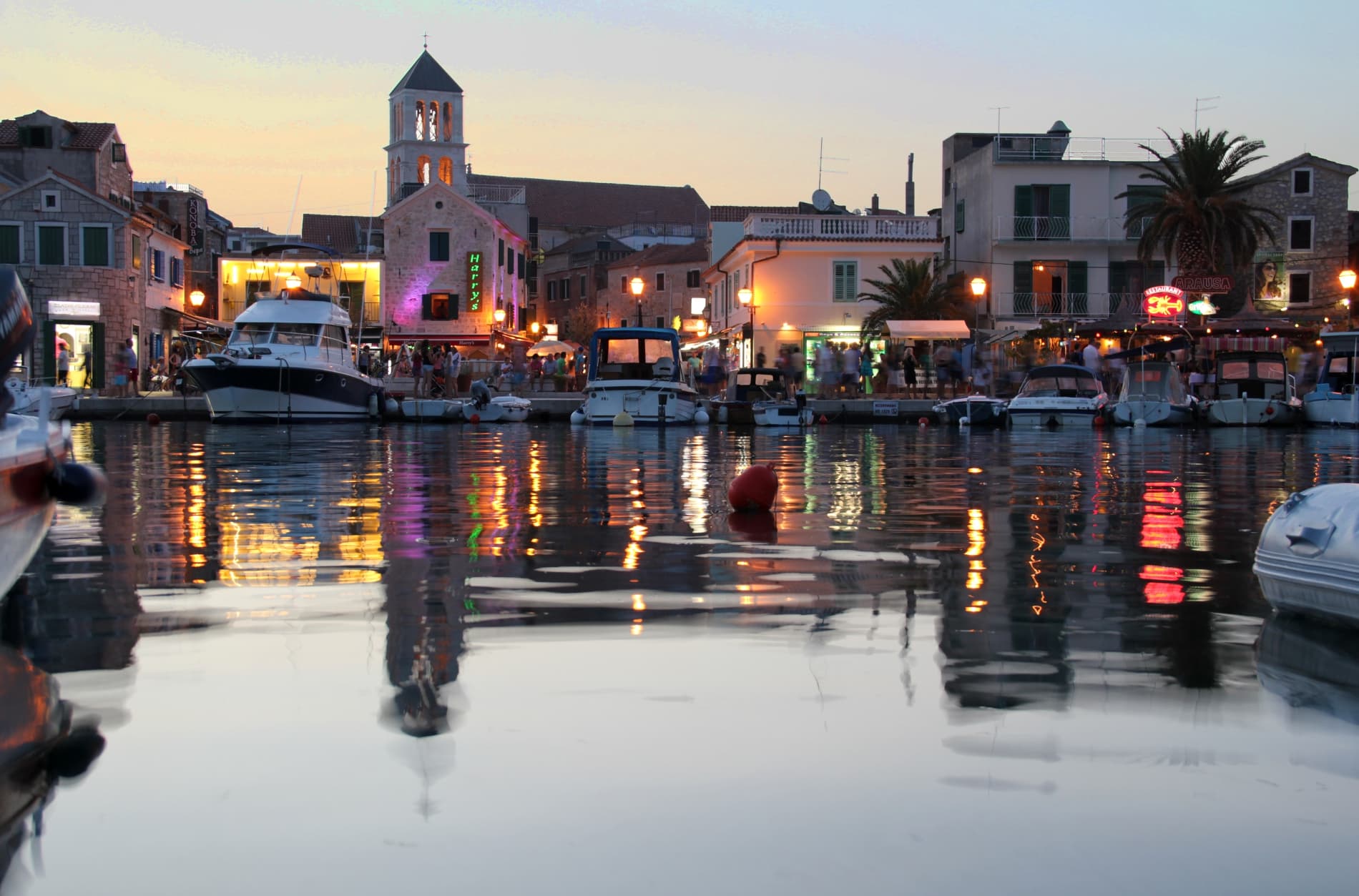 Tadam / CC BY-SA 3.0, via Wikimedia Commons
Tour audio autoguidato di Vodice — percorso GPS a piedi, riproduzione offline, narrazione coinvolgente in 32 lingue.
“Dove antichi pozzi incontrano il vivace battito dell'Adriatico.”
Non le cartoline. Le storie che nemmeno i locali conoscono — sussurrate nel tuo orecchio, proprio dove sono accadute.
Vodice significa 'piccole acque', un nome che allude a una risorsa essenziale. Ma queste non servivano solo per bere.
Questa torre del XV secolo, costruita da una prospera famiglia di Sebenico, appare come una formidabile difesa. Eppure, il suo scopo originale era più orientato al tempo libero.
La chiesa in cima al Monte Okit si erge come un punto di riferimento prominente, visibile dal mare. Il suo design attuale, tuttavia, condivide una sorprendente connessione con un altro celebre punto di riferimento croato.
Scopri ogni segreto di Vodice
Ogni indirizzo, ogni rivelazione completa — nel tuo orecchio, proprio dove è accaduta.
Scegli le tue tappe. Cammini. La voce rivela ciò che gli altri perdono.


Il tuo tour audio autoguidato di Vodice è pronto — scegli i tuoi punti di interesse, seleziona la tua lingua e inizia nel momento in cui arrivi.
AcquistaLume include una guida in realtà aumentata. Alza il telefono: la fotocamera mostra la strada davanti a te, con una freccia luminosa sovrapposta all'immagine reale che punta sempre verso la tua prossima tappa — nessuna mappa da decifrare, nessuna svolta sbagliata. Come tutto in Lume, funziona completamente offline.
Vodice, una città costiera nella contea di Sebenico-Tenin in Croazia, presenta una fusione di fascino storico ed energia contemporanea. Il suo nome, che significa 'piccole acque', evoca le abbondanti sorgenti che un tempo sostenevano l'area. Oggi, Vodice si erge come una destinazione preferita sull'Adriatico, riconosciuta per le sue coste, l'atmosfera animata e come porta d'accesso per esplorare la più ampia regione dalmata.
Il pittoresco porto della città forma un punto centrale, delimitato da ristoranti, caffè e boutique, creando un nesso dinamico per i visitatori. Oltre alle immediate attrazioni costiere, Vodice offre una comoda base per escursioni ai vicini parchi nazionali come Krka e Kornati, così come alla storica città di Sebenico e alle affascinanti isole di Prvić e Zlarin.
La storia di Vodice risale alle epoche preistoriche, con scoperte archeologiche che indicano un'abitazione continua fin dall'età del ferro. La terra fertile, il clima mite e l'abbondante acqua potabile attirarono i primi coloni. Prove di un insediamento pre-romano e di una necropoli liburnica del IV secolo a.C. sono state scoperte a Velika Mrdakovica, suggerendo una significativa comunità antica, forse l'Arauzona menzionata da Plinio.
Vodice fu notata per la prima volta con il suo nome attuale in un documento di Sebenico del 1402. Durante il XV e XVI secolo, di fronte alle minacce dell'Impero Ottomano, fu eretto un imponente muro difensivo con tre torri attorno alla città per salvaguardare i suoi abitanti e controllare l'accesso. Questo sistema di fortificazione si dimostrò efficace, poiché Vodice si difese con successo dagli assalti ottomani e non fu mai occupata.
Dopo la caduta della Repubblica di Venezia alla fine del XVIII secolo, Vodice, come gran parte della Dalmazia, conobbe periodi di governo austriaco e francese prima di diventare parte della Jugoslavia dopo la Seconda Guerra Mondiale. Dall'indipendenza della Croazia negli anni '90, Vodice si è trasformata da comunità agricola e di pescatori in un importante centro turistico, guadagnando particolare popolarità negli anni 2000. Il focus economico della città si è spostato dall'agricoltura, che storicamente includeva olive, viti e ciliegie marasca, al turismo, sfruttando la sua bellezza naturale e i siti storici.
Il centro storico di Vodice, sebbene compatto, offre uno spaccato del suo passato con stretti passaggi e architettura tradizionale dalmata. I principali luoghi d'interesse includono la Chiesa Parrocchiale di Santa Croce del XVIII secolo, con facciata barocca e campanile, e la Torre Ćorić del XV secolo, una dimora in pietra che serviva anche a scopi difensivi. La più antica Chiesa di Santa Croce, risalente al 1402, presenta elementi romanico-gotici e ospita eventi culturali.
Per ampie vedute, si consiglia una passeggiata sulla collina Okit fino alla Chiesa della Madonna del Carmine. Il porto turistico di Vodice e il suo faro offrono uno scenario pittoresco per passeggiate e osservazioni del tramonto. Oltre la città, le vicine isole di Prvić e Zlarin offrono ritiri più tranquilli e senza auto con villaggi affascinanti. Vodice serve anche come base popolare per escursioni in barca al Parco Nazionale di Krka, noto per le sue cascate, e al Parco Nazionale delle Isole Kornati, un arcipelago di 89 isole, isolotti e scogli.
Il periodo ideale per godersi Vodice per attività all'aria aperta con clima caldo, come nuoto e bagni di sole, va da giugno ad agosto, quando le temperature sono più alte e il cielo è più sereno. Questi mesi vedono anche il maggior numero di visitatori. Per un equilibrio tra bel tempo e meno folla, i mesi di spalla di maggio e settembre sono perfetti. Durante questi periodi, le temperature rimangono abbastanza calde per le attività all'aperto e la città è meno affollata.
Vodice è raggiungibile in auto, autobus o battello. Gli aeroporti principali più vicini sono Spalato (circa 75 km) e Zara (circa 60 km), con collegamenti in autobus disponibili da entrambi. Servizi di autobus diretti collegano Vodice alle principali città croate come Zagabria, Sebenico e Zara. All'interno di Vodice, gli autobus locali operano regolarmente e i traghetti collegano la città alle isole vicine come Prvić e Zlarin. La valuta locale è l'Euro (EUR). La Croazia fa parte dell'Unione Europea e molte nazionalità possono entrare senza visto per soggiorni brevi.
Vodice — coreano, cinese, ebraico e altre 29 lingue, ogni tappa narrata da una voce madrelingua. La più ampia scelta di lingue tra i tour audio autoguidati.
Disponibile in: