Cremlino di Vologda
Ivan il Terribile aveva grandi progetti per Vologda, intendendo farne la sua nuova capitale.
La storia completa si sblocca nel tour
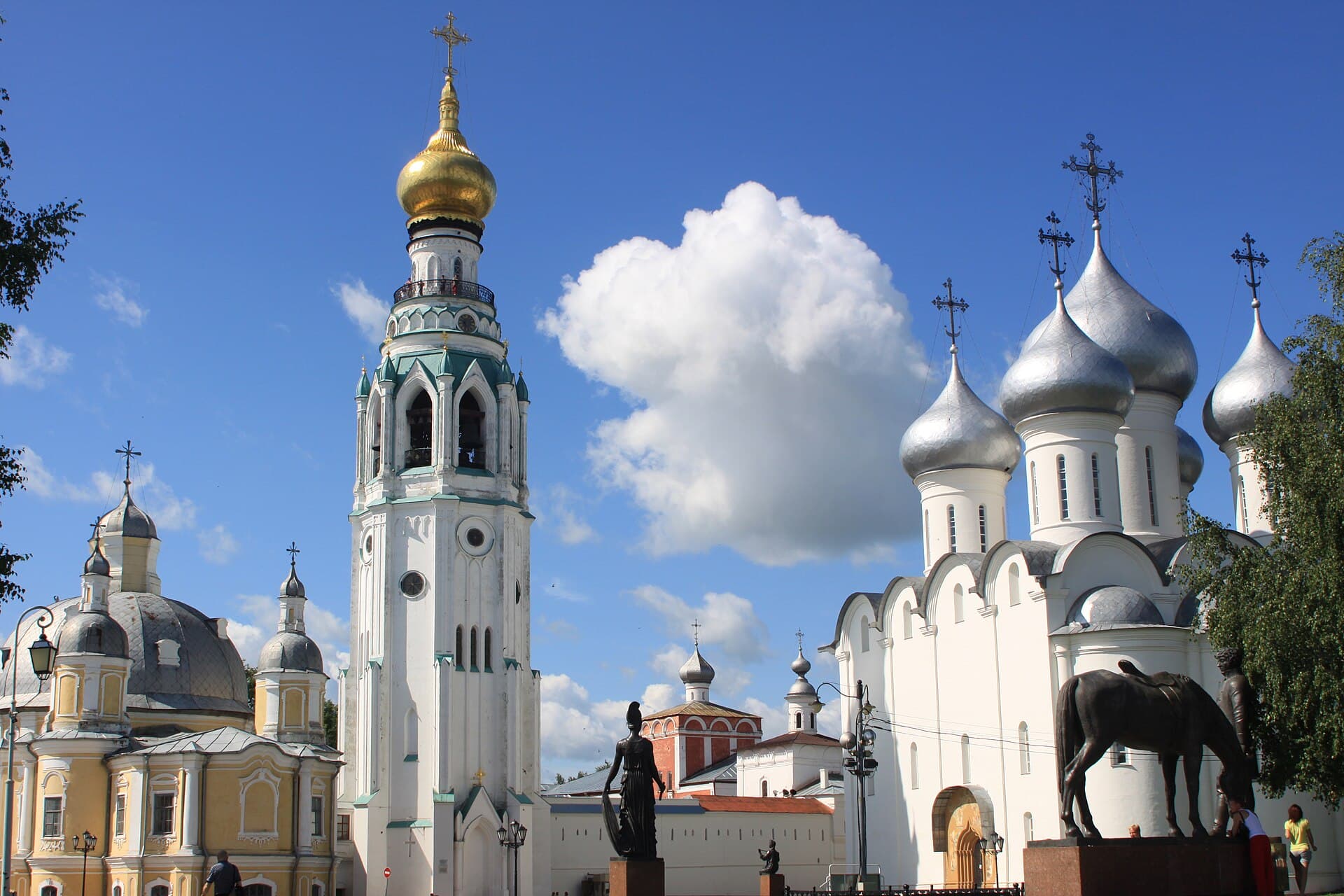 Happykg / Public domain, via Wikimedia Commons
Tour audio autoguidato di Vologda — percorso GPS a piedi, riproduzione offline, narrazione coinvolgente in 32 lingue.
“Dove il pizzo di legno incontra antichi sussurri.”
Non le cartoline. Le storie che nemmeno i locali conoscono — sussurrate nel tuo orecchio, proprio dove sono accadute.
Ivan il Terribile aveva grandi progetti per Vologda, intendendo farne la sua nuova capitale.
Il distinto dialetto di Vologda è così celebrato che ha un suo monumento dedicato.
Pietro il Grande soggiornò frequentemente a Vologda, scegliendo la casa di un mercante per il suo alloggio.
Scopri ogni segreto di Vologda
Ogni indirizzo, ogni rivelazione completa — nel tuo orecchio, proprio dove è accaduta.
Scegli le tue tappe. Cammini. La voce rivela ciò che gli altri perdono.


Il tuo tour audio autoguidato di Vologda è pronto — scegli i tuoi punti di interesse, seleziona la tua lingua e inizia nel momento in cui arrivi.
AcquistaLume include una guida in realtà aumentata. Alza il telefono: la fotocamera mostra la strada davanti a te, con una freccia luminosa sovrapposta all'immagine reale che punta sempre verso la tua prossima tappa — nessuna mappa da decifrare, nessuna svolta sbagliata. Come tutto in Lume, funziona completamente offline.
Vologda, un'antica città nel nord della Russia, presenta un affascinante mix di storia duratura, arte intricata e un distintivo carattere provinciale. Spesso descritta come l'"anima del Nord russo", è nota per la sua delicata architettura in legno, il pizzo riconosciuto a livello internazionale e un'atmosfera serena. Posizionata sul fiume Vologda, a circa 470 km a nord di Mosca, la città funge da importante centro culturale e di trasporto all'interno della Federazione Russa.
La risonanza storica di Vologda è profonda, con le sue origini che risalgono al XII secolo, ponendola come contemporanea di Mosca. La posizione strategica della città alla confluenza di importanti vie d'acqua la rese un tempo un cruciale centro commerciale, collegando la Russia centrale con il Mar Bianco, la Siberia e l'Europa occidentale. Oggi, Vologda contiene oltre 224 monumenti architettonici, storici e culturali, con una collezione particolarmente preziosa di case in legno ornate da elaborate sculture.
L'anno ufficiale di fondazione di Vologda è il 1147, basato su una narrazione del XVII secolo riguardante il monaco Gerasim che fondò il Monastero della Trinità. Tuttavia, prove storiche e archeologiche suggeriscono che le origini della città potrebbero essere più vicine al XIII secolo, con la prima menzione in cronaca indiscussa datata 1264, quando era un possedimento di Novgorod. Lo sviluppo di Vologda fu alimentato dalla sua singolare posizione geografica, fungendo da punto di transito fondamentale per le rotte commerciali che collegavano la Russia centrale con il Mar Bianco e oltre.
Durante il regno di Ivan il Terribile nel XVI secolo, Vologda divenne uno dei principali centri di transito della Russia per il commercio con Inghilterra, Olanda e altri paesi occidentali tramite il Mar Bianco. Ivan il Terribile contemplò persino di rendere Vologda la sua nuova capitale, supervisionando la costruzione del Cremlino di Vologda e della Cattedrale di Santa Sofia, progettata per rispecchiare la Cattedrale della Dormizione di Mosca. Ciononostante, un famoso incidente che coinvolse un mattone caduto dalla cattedrale si dice lo abbia dissuaso, portandolo ad abbandonare i suoi piani. Dopo la conclusione del Periodo dei Torbidi all'inizio del XVII secolo, Vologda conobbe una rinascita grazie alla sua posizione vantaggiosa.
Sotto Pietro il Grande, Vologda si trasformò in una significativa base militare e centro di costruzione navale, con Pietro che visitò la città cinque volte. Tuttavia, con la fondazione di San Pietroburgo, l'importanza di Vologda come importante snodo dei trasporti diminuì gradualmente. Nel XIX secolo, Vologda guadagnò il soprannome di "Siberia quasi-capitale" per il suo ruolo di luogo di esilio politico per figure di spicco come I.V. Stalin e N.A. Berdyaev.
Un capitolo unico nella storia di Vologda si svolse nel 1918, quando divenne brevemente la "capitale diplomatica della Russia". Temendo la cattura di Pietrogrado da parte delle truppe tedesche, undici ambasciate e missioni diplomatiche, guidate dall'ambasciatore statunitense, si trasferirono a Vologda per diversi mesi prima di essere costrette a partire.
Il Cremlino di Vologda, sebbene storicamente fosse una corte vescovile piuttosto che una fortificazione militare, rimane il nucleo del centro storico della città. Comprende la magnifica Cattedrale di Santa Sofia, l'edificio in pietra più antico conservato a Vologda, adornato con affreschi del XVII secolo e un'iconostasi del XVIII secolo. Salite sull'imponente campanile per ammirare ampie vedute della città. Adiacente al Cremlino si trova il Museo del Pizzo di Vologda, che espone l'artigianato delicato e riconosciuto a livello internazionale della città.
Passeggiate per Piazza della Rivoluzione, la piazza centrale con monumenti dell'era sovietica come la Fiamma Eterna. La Casa-Museo di Pietro I, il primo museo della città, offre uno sguardo sui soggiorni dello zar a Vologda. Recatevi al Monastero Spaso-Prilutsky, uno dei monasteri più antichi e grandi del Nord russo, con la Cattedrale Spaso-Preobrazhensky a cinque cupole. Assicuratevi di visitare il Museo di Architettura ed Etnografia della Regione di Vologda a Semonkovo, un museo all'aperto che conserva architettura in legno dalla metà del XIX all'inizio del XX secolo. Per un tocco culturale distintivo, cercate il monumento dedicato alla lettera "O", che celebra il particolare dialetto di Vologda.
Il periodo più piacevole per visitare Vologda per attività all'aperto con clima mite va da fine giugno a metà agosto. Durante questi mesi estivi, le temperature sono miti e gradevoli, oscillando tra 15°C e 24°C, ideali per esplorare la città a piedi. Sebbene possa verificarsi qualche pioggia, è generalmente leggera. Gli inverni portano freddo e neve, con temperature spesso intorno a -8°C a gennaio e febbraio, creando un paesaggio pittoresco e fiabesco.
Vologda è ben collegata e facilmente raggiungibile. Potete raggiungere la città in auto da Mosca in 5-7 ore (circa 470 km) o da San Pietroburgo in circa 8 ore. La città funge da importante snodo ferroviario, con più treni notturni giornalieri da e per Mosca, San Pietroburgo e Arcangelo. L'aeroporto di Vologda (VGD) offre alcuni voli settimanali da Mosca e San Pietroburgo, situato a circa 8 km a nord del centro città. Una volta a Vologda, il centro compatto della città consente un'esplorazione senza sforzo delle sue principali attrazioni a piedi. Le opzioni di trasporto pubblico includono autobus e tram.
Vologda — coreano, cinese, ebraico e altre 29 lingue, ogni tappa narrata da una voce madrelingua. La più ampia scelta di lingue tra i tour audio autoguidati.
Disponibile in: