Castello di Vyborg
Sotto le antiche pietre del Castello di Vyborg, gli archeologi scoprirono un curioso manufatto che parla dei passatempi dimenticati del castello.
La storia completa si sblocca nel tour
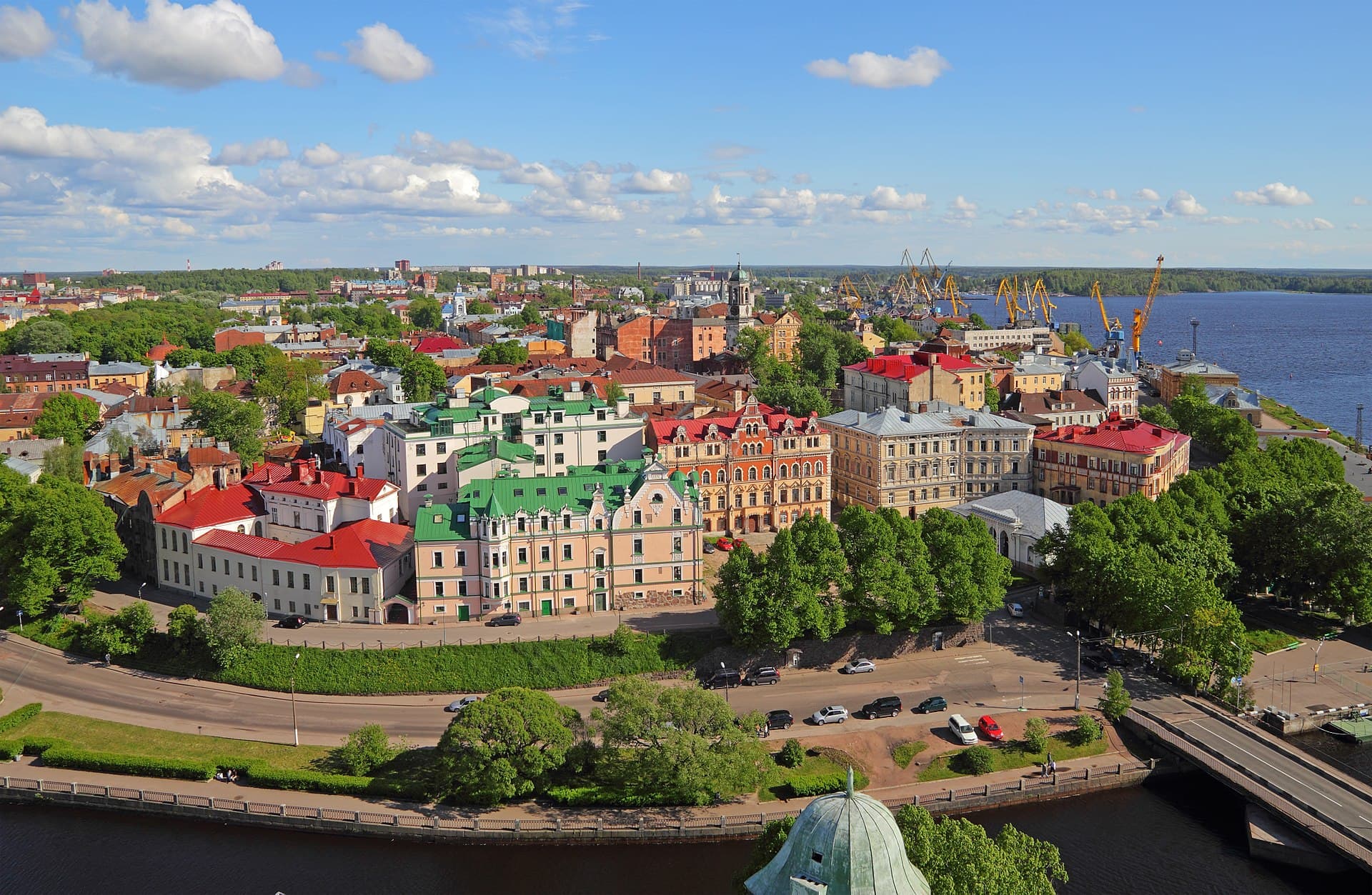 A.Savin / CC BY-SA 3.0, via Wikimedia Commons
Tour audio autoguidato di Vyborg — percorso GPS a piedi, riproduzione offline, narrazione coinvolgente in 32 lingue.
“Dove la pietra medievale incontra il fascino nordico, Vyborg è una città plasmata da confini mutevoli e bellezza duratura.”
Non le cartoline. Le storie che nemmeno i locali conoscono — sussurrate nel tuo orecchio, proprio dove sono accadute.
Sotto le antiche pietre del Castello di Vyborg, gli archeologi scoprirono un curioso manufatto che parla dei passatempi dimenticati del castello.
All'interno dei tranquilli paesaggi del Parco Monrepos, una particolare grotta si dice detenga poteri insoliti per coloro che vi entrano.
La Torre dell'Orologio, un elemento prominente del Centro Storico di Vyborg, custodisce un segreto che spiega perché la sua campana suona ancora oggi.
Scopri ogni segreto di Vyborg
Ogni indirizzo, ogni rivelazione completa — nel tuo orecchio, proprio dove è accaduta.
Scegli le tue tappe. Cammini. La voce rivela ciò che gli altri perdono.


Il tuo tour audio autoguidato di Vyborg è pronto — scegli i tuoi punti di interesse, seleziona la tua lingua e inizia nel momento in cui arrivi.
AcquistaLume include una guida in realtà aumentata. Alza il telefono: la fotocamera mostra la strada davanti a te, con una freccia luminosa sovrapposta all'immagine reale che punta sempre verso la tua prossima tappa — nessuna mappa da decifrare, nessuna svolta sbagliata. Come tutto in Lume, funziona completamente offline.
Vyborg, una città affascinante nella regione di Leningrado in Russia, presenta una miscela singolare di atmosfera medievale europea e diversi stili architettonici. Situata sulle rive del Golfo di Finlandia, a circa 130 chilometri a nord-ovest di San Pietroburgo, funge da affascinante passaggio tra Oriente e Occidente. Le strade lastricate della città, le antiche fortificazioni e i parchi panoramici invitano all'esplorazione, rivelando secoli di influenze svedesi, finlandesi e russe.
Spesso descritta come una delle città culturalmente più variegate della Russia, il paesaggio di Vyborg narra una storia di alleanze mutevoli e patrimonio duraturo. Dal suo imponente castello medievale alla bellezza tranquilla del Parco Monrepos e al design funzionalista della Biblioteca Alvar Aalto, Vyborg offre una ricca gamma di storia e bellezza naturale. È una destinazione che promette un viaggio nel tempo, lontano dai sentieri turistici tipici, in una regione dal carattere autentico.
La storia di Vyborg è una testimonianza della sua posizione strategica, un punto di contesa e scambio culturale per secoli. La fondazione ufficiale della città risale al 1293, quando il reggente svedese Torgils Knutsson eresse un potente castello di pietra su una piccola isola nel Golfo di Finlandia durante la Terza Crociata svedese. Questa fortezza fu cruciale per il controllo dell'Istmo Careliano e servì come avamposto più orientale della Svezia e un centro significativo per la diffusione del cristianesimo in Carelia.
Per oltre cinque secoli, Vyborg rimase sotto il dominio svedese, diventando una delle città più importanti del regno. Tuttavia, la sua importanza strategica la rese un obiettivo frequente, con la Repubblica di Novgorod che tentava ripetutamente di conquistarla. La Grande Guerra del Nord segnò un punto di svolta significativo; nel 1710, dopo un assedio di quasi tre mesi, le truppe di Pietro il Grande conquistarono la fortezza e Vyborg divenne parte dell'Impero Russo. La città subì quindi una trasformazione, con il suo caotico impianto medievale che lasciò il posto a viali e piazze più ordinati, caratteristici del Classicismo, come si vede nel Piano Generale del 1794.
Nel 1812, l'imperatore Alessandro I incorporò il Governatorato di Vyborg nel neo-istituito Granducato di Finlandia, una parte autonoma dell'Impero Russo. Vyborg rimase una città finlandese vitale fino a quando la Finlandia dichiarò l'indipendenza nel 1917. La città fece parte della Finlandia indipendente fino al 1940, quando fu ceduta all'Unione Sovietica dopo la Guerra Russo-Finlandese. Fu brevemente occupata da forze finlandesi e tedesche dal 1941 al 1944 prima di essere permanentemente ceduta all'Unione Sovietica. Questo passato tumultuoso ha lasciato a Vyborg una miscela architettonica unica, dove le influenze svedesi, finlandesi e russe sono visibili fianco a fianco.
Iniziate la vostra esplorazione dal Castello di Vyborg, una fortezza medievale del XIII secolo su un'isola, considerata l'emblema della città. Salite sulla Torre di Sant'Olav, alta 75 metri, per ammirare ampie vedute della città e dei suoi dintorni. Il castello ospita anche il Museo Statale 'Castello di Vyborg', che illustra il passato della regione.
Passeggiate per il Centro Storico, un labirinto di strade lastricate con edifici di epoche diverse. Cercate la Casa della Gilda dei Mercanti dello Spirito Santo del XIV secolo, la Casa del Cavaliere del XVII secolo e la Tenuta Borghese del XVI-XVII secolo. La Casa 13 in via Krepostnaya è considerata l'edificio residenziale più antico della Russia, ancora abitato oggi. La Torre dell'Orologio, costruita alla fine del XV secolo, e la Torre Rotonda, una fortificazione del XVI secolo che ora ospita un ristorante, sono anch'esse punti di riferimento importanti.
Oltre al centro storico, scoprite il Parco Monrepos, una tenuta e parco paesaggistico roccioso del XVIII-XIX secolo. Questo vasto parco offre viali ben curati, foresta incontaminata e viste pittoresche sulla baia. Da non perdere la Biblioteca Alvar Aalto, un capolavoro di architettura funzionalista costruito tra il 1933 e il 1935, noto per i suoi elementi di design unici come le finestre rotonde sul soffitto e un soffitto ondulato in legno.
Il periodo migliore per visitare Vyborg per attività all'aperto con clima mite va da fine giugno a metà agosto. Durante questi mesi, il tempo è confortevole e parzialmente nuvoloso, con temperature medie giornaliere massime superiori ai 17°C. Il mese più sereno è luglio, con il cielo sereno o parzialmente nuvoloso il 56% delle volte. Visitare durante le stagioni intermedie può essere gratificante, offrendo un'esperienza più autentica con meno folla. Tuttavia, preparatevi a un tempo potenzialmente ventoso e umido, quindi si consiglia di vestirsi a strati e di avere una giacca antivento.
Vyborg è facilmente raggiungibile da San Pietroburgo in treno, con servizi espressi che impiegano circa 1,5-2 ore. La stazione ferroviaria di Vyborg è situata in posizione centrale, a circa 0,7 km dalle principali attrazioni. Una volta a Vyborg, la maggior parte delle attrazioni della città, in particolare nel Centro Storico, sono raggiungibili a piedi. Tuttavia, il centro storico è noto per le sue strade lastricate irregolari, quindi scarpe comode e robuste sono una necessità.
I taxi sono disponibili per le lunghe distanze, come per il Parco Monrepos. Il noleggio di biciclette è un'altra opzione durante i mesi più caldi per esplorare il parco e i sentieri panoramici lungo il Golfo di Finlandia, ma si consiglia cautela sui ciottoli del Centro Storico. Sebbene l'inglese sia spesso parlato a causa della storia internazionale della città e della vicinanza alla Finlandia, avere una mappa può essere utile per orientarsi in modo indipendente.
Vyborg — coreano, cinese, ebraico e altre 29 lingue, ogni tappa narrata da una voce madrelingua. La più ampia scelta di lingue tra i tour audio autoguidati.
Disponibile in: