Kuhio Beach
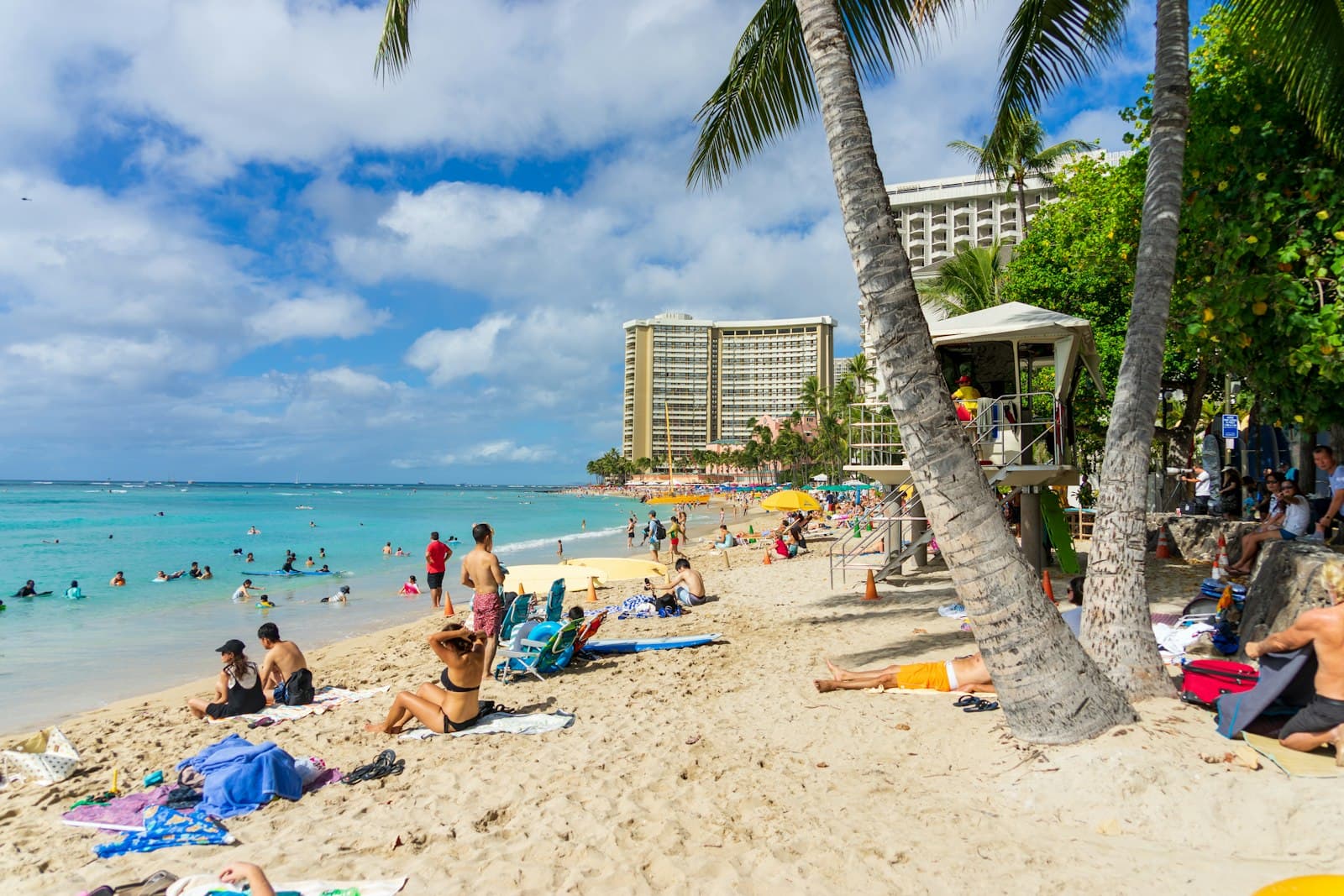
Die vier grote stenen op Kuhio Beach zijn niet zomaar decoratief; ze bevatten een krachtig geheim.
Volledig verhaal ontgrendeld in de tour
 Pickle the cool / CC BY-SA 4.0, via Wikimedia Commons
Zelfgeleide audiowandeling door Waikiki — GPS-route, offline afspelen, meeslepende vertelling in 32 talen.
“Voorbij de ansichtkaart herbergt Waikiki verhalen over oude royalty, technische hoogstandjes en veerkrachtige cultuur.”
Niet de ansichtkaarten. De verhalen die zelfs locals niet kennen — gefluisterd in je oor, precies waar ze gebeurden.
Die vier grote stenen op Kuhio Beach zijn niet zomaar decoratief; ze bevatten een krachtig geheim.
De uitgestrekte banyanboom in de binnenplaats van Moana Surfrider deed meer dan alleen schaduw bieden.
Terwijl je door het Royal Hawaiian Center loopt, loop je over iets vitaals dat uit het zicht is verdwenen.
Ontdek elk geheim van Waikiki
Elk adres, elke onthulling volledig — in je oor, precies waar het gebeurde.
Jij kiest je stops. Jij wandelt. De stem onthult wat de anderen missen.
Je zelfgeleide audiotour van Waikiki is klaar — kies je bezienswaardigheden, kies je taal en start zodra je aankomt.
KopenLume heeft een ingebouwde augmented-reality-gids. Houd je telefoon omhoog: de camera toont de straat voor je, met een oplichtende pijl over het echte beeld die altijd naar je volgende stop wijst — geen kaart om uit te puzzelen, geen verkeerde afslagen. Zoals alles in Lume werkt het volledig offline.
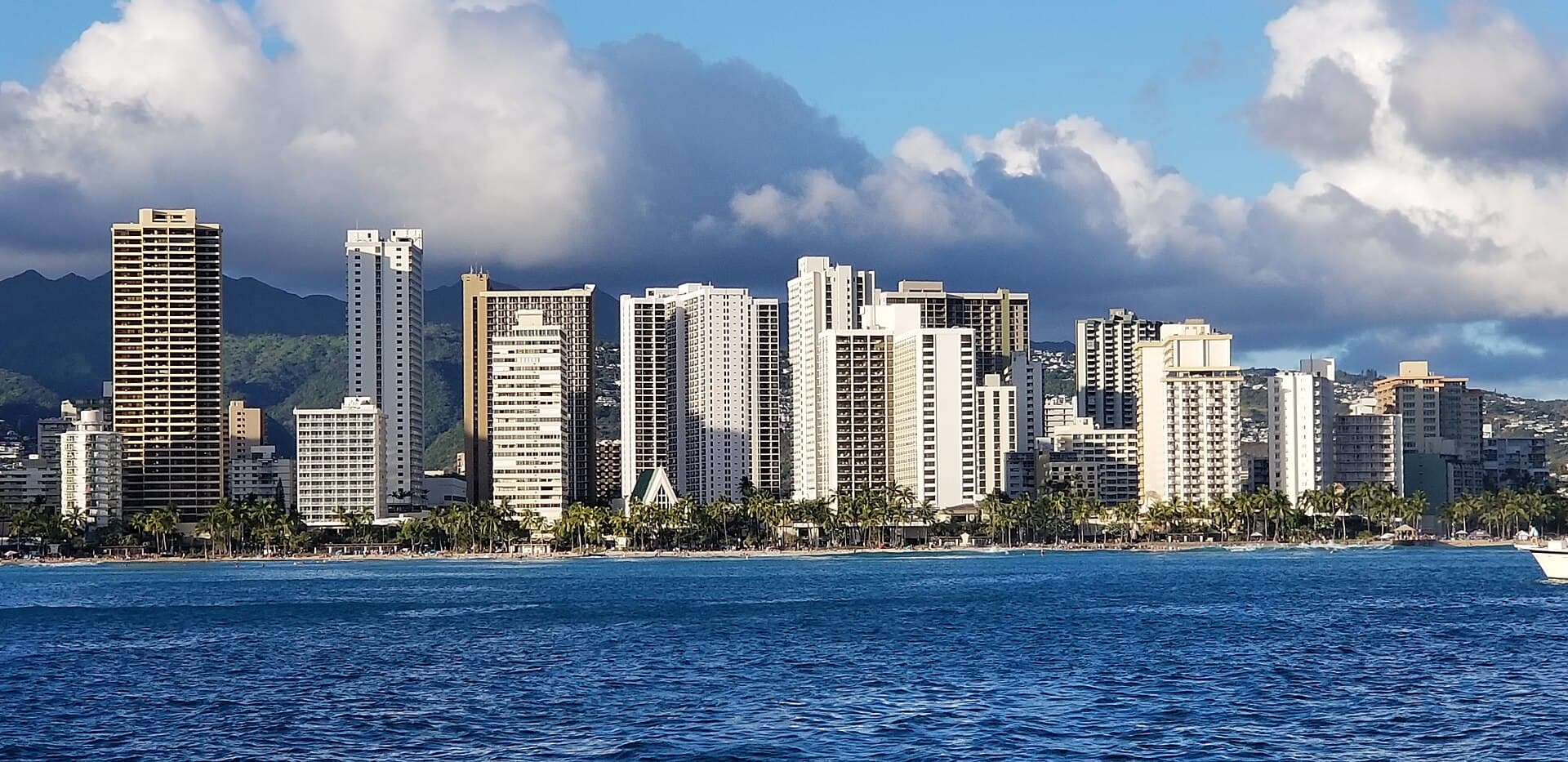
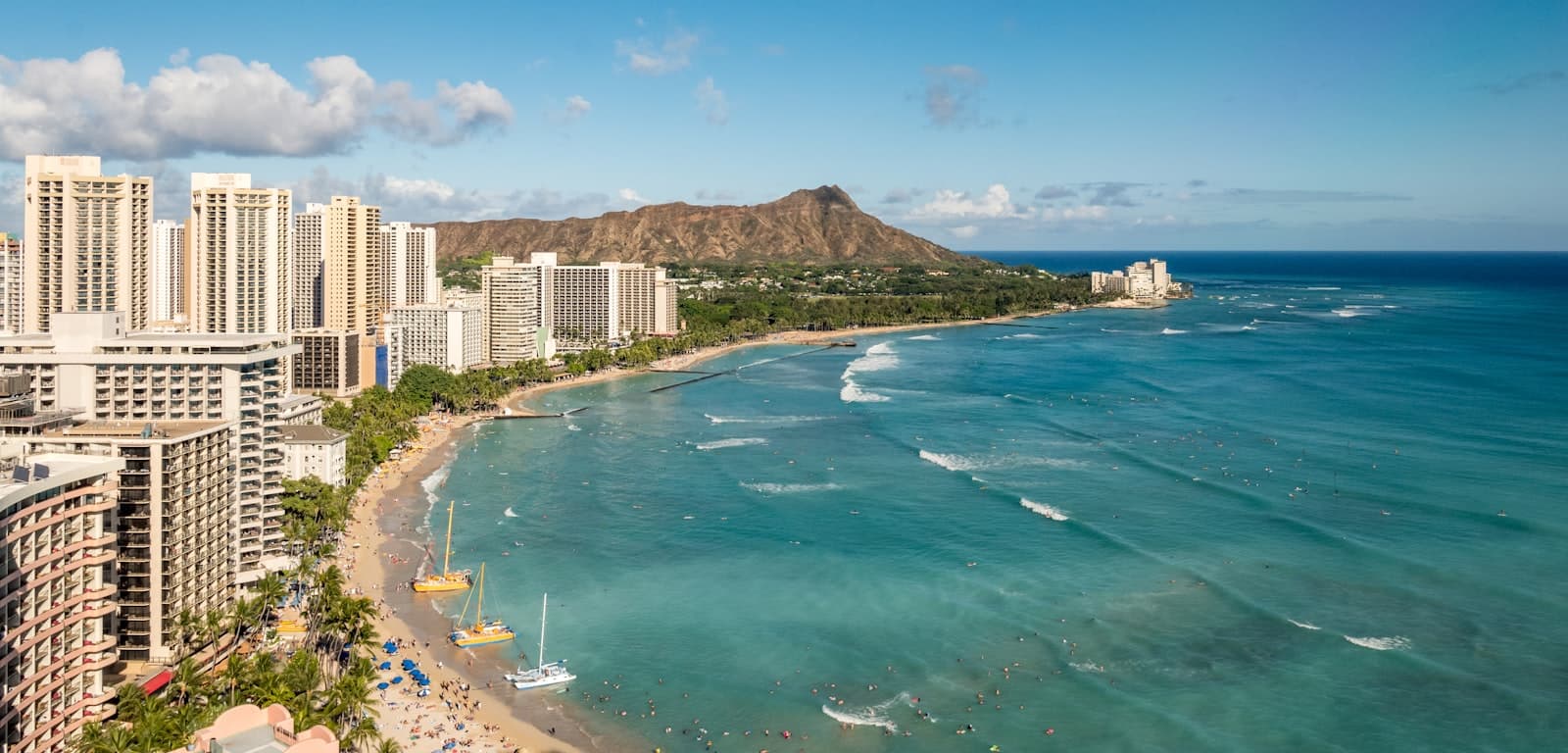
Waikiki, aan de zuidkust van Honolulu, staat wereldwijd bekend om zijn halvemaanvormige zandstrand, zachte golven en de iconische silhouet van Diamond Head. Het is een plek waar de energie van een bruisende stad de rust van de Stille Oceaan ontmoet, en biedt een unieke mix van dineren, winkelen en buitenactiviteiten van wereldklasse. Dit district, hoewel vaak gezien als een modern toeristisch centrum, draagt lagen van geschiedenis en culturele betekenis met zich mee, van de oude Hawaïaanse royalty die hier ooit hun toevlucht zochten tot de cruciale rol die het speelde bij de introductie van surfen in de wereld.
Hoewel de reputatie als levendige bestemming terecht is, biedt Waikiki ook rustigere momenten voor wie ernaar zoekt. Vroege ochtenden onthullen een sereen strand, en de zonsondergang brengt een betoverend kleurenspektakel over de oceaan. Of je hier nu bent om te surfen op de zachte golven, historische bezienswaardigheden te verkennen, of gewoon te ontspannen aan het water, Waikiki biedt een onvergetelijke Hawaïaanse ervaring.
De naam Waikiki, wat in het Hawaïaans "spuitend water" betekent, verwijst naar de overvloedige rivieren en bronnen die ooit in het gebied stroomden. Historisch gezien was Waikiki een veel groter gebied dan de huidige 1,5 vierkante mijl, en omvatte het de naburige valleien van Manoa en Palolo. In de 15e eeuw ontwikkelde Chief Kalamakua een irrigatiesysteem, wat leidde tot de aanleg van visvijvers en de teelt van tarovelden, waardoor Waikiki werd gevestigd als een belangrijk agrarisch en bestuurlijk centrum van Oahu.
Waikiki was ook getuige van cruciale historische gebeurtenissen, waaronder een veldslag in 1794 toen Kamehameha I arriveerde vanaf het Grote Eiland, Waikiki Beach bestormde voordat hij uiteindelijk de eilanden verenigde. Eeuwenlang diende het als een geliefde toevluchtsoord voor Hawaïaanse royalty, waaronder Kamehameha IV, Kamehameha V en Queen Liliʻuokalani, die genoten van paardrijden, kano races en zwemmen in de oceaan. Het gebied werd als heilig beschouwd, met verschillende heiau (tempels) gebouwd voor spirituele genezing.
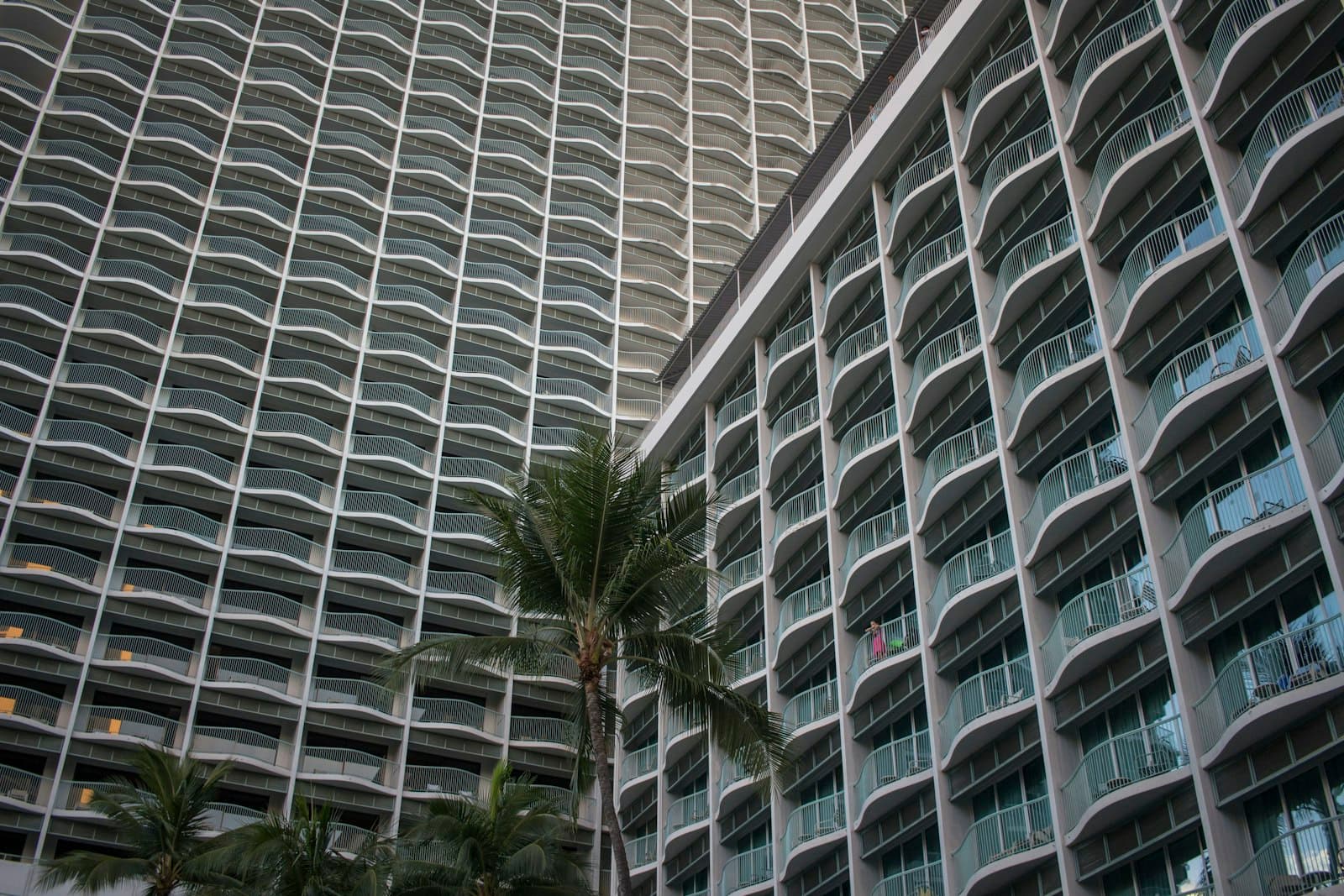
Buitenlandse bezoekers begonnen aan te komen in de jaren 1830, en infrastructuurverbeteringen zoals wegen en tramlijnen eind 19e eeuw effenden de weg voor toerisme. De opening van het Moana Hotel in 1901 markeerde de opkomst van Waikiki als een wereldwijde toeristische bestemming, met innovaties zoals de eerste elektrische lift van het territorium. Deze ontwikkeling ging echter gepaard met een prijs. De aanleg van het Ala Wai Canal in de jaren 1920 droogde uitgestrekte wetlands, rijstvelden en visvijvers op, waardoor het landschap veranderde van een zelfvoorzienende inheemse Hawaïaanse gemeenschap in een stedelijk resort. Hoewel officieel bedoeld om muggen te bestrijden, maakte de aanleg van het kanaal het land ook geschikter voor commerciële ontwikkeling en toerisme, wat leidde tot de verdringing van inheemse volkeren.
Tijdens de Tweede Wereldoorlog diende Waikiki als rust- en recreatiegebied voor soldaten, waarbij hotels zoals het Moana veranderden in oases voor degenen die van en naar de oorlog in de Stille Oceaan gingen. Na de oorlog zag het toerisme een bloeiperiode met de komst van reguliere luchtvaartdiensten. Waikiki is ook intrinsiek verbonden met de wereldwijde opkomst van surfen, waarbij de Hawaïaanse waterman Duke Kahanamoku, een Olympisch goudenmedaillewinnaar, opgroeide met het surfen op zijn golven en de sport later aan de wereld introduceerde. Vandaag de dag blijft Waikiki evolueren, een bewijs van zijn complexe verleden.
Waikiki biedt een reeks attracties naast zijn beroemde strand. Voor een weids uitzicht over het eiland en de oceaan, hike naar het Diamond Head State Monument. Het pad van 0,8 mijl naar de top is matig moeilijk, met steile haarspeldbochten en trappen, en vereist reserveringen voor niet-residenten van Hawaï. De Honolulu Zoo, gelegen op 42 hectare in Queen Kapiolani Park, herbergt diverse diersoorten, waaronder de Hawaïaanse nene gans, Komodovaranen en Sumatraanse tijgers. Vlakbij toont het Waikiki Aquarium monniksrobben en lokale zeedieren.
Voor een kijkje in de Hawaïaanse geschiedenis, bezoek Iolani Palace in het centrum van Honolulu, de enige officiële residentie van royalty in de Verenigde Staten. Je kunt ook het Waikiki Historical Trail verkennen, gemarkeerd met surfplankvormige borden die het verleden van het gebied beschrijven. Het U.S. Army Museum of Hawaii, gevestigd in het historische Battery Randolph, biedt gratis toegang en een uniek inzicht in militaire geschiedenis. Voor winkelen en dineren is Kalakaua Avenue de belangrijkste verkeersader, aangevuld met de Waikiki Beach Walk en het Royal Hawaiian Center. Mis de gratis hula-optredens bij Kuhio Beach of Waikiki Beach Walk niet.
Waikiki geniet het hele jaar door van warm, tropisch weer, dus er is geen echt "slechte" tijd om te bezoeken. Voor ideale omstandigheden met minder drukte en gematigde temperaturen (24-29°C), overweeg de schouderseizoenen lente (maart tot mei) en herfst (september tot november). Gedurende deze periodes zijn de oceaantemperaturen rustiger, perfect om te zwemmen en voor beginnende surfers, en de wandelpaden zijn weelderig. De zomer (mei tot oktober) is het droge seizoen en de piekperiode voor toerisme, met hogere temperaturen en drukkere attracties. De winter (december tot april) is ook populair, vooral rond de feestdagen, en is de beste tijd voor walvissen spotten.
Reizen in Waikiki is verrassend eenvoudig, en een huurauto is misschien niet nodig als je voornamelijk in het gebied wilt blijven, aangezien veel attracties op loopafstand liggen. Openbaar vervoer en rittendiensten zijn gemakkelijk beschikbaar. Voor degenen die met de auto komen, is parkeren bij de Honolulu Zoo een handige en betaalbare optie, waardoor je gemakkelijk te voet toegang hebt tot het strand en de omliggende gebieden. Accommodatie boeken binnen een paar blokken van Kalakaua Avenue biedt optimale toegang tot restaurants, winkels en uitzicht op de zonsondergang. Om te besparen op eetkosten, overweeg om vroeg in je verblijf ontbijtproducten en flessen drankjes in te slaan. Voor populaire tours zoals Pearl Harbor of Kualoa Ranch, en voor luaus of sunset cruises, wordt het aanbevolen om van tevoren te boeken, vooral tijdens piekseizoenen. De meeste reizigers vinden 5-7 dagen ideaal voor een vakantie in Waikiki, waardoor er tijd is om van het strand te genieten, de belangrijkste attracties te verkennen en een dagtrip rond Oahu te maken.
Waikiki — Koreaans, Chinees, Hebreeuws en nog 29 talen, elke stop verteld door een moedertaalspreker. Het grootste taalaanbod van alle zelfgeleide audiotours.
Beschikbaar in: