That Wanaka Tree
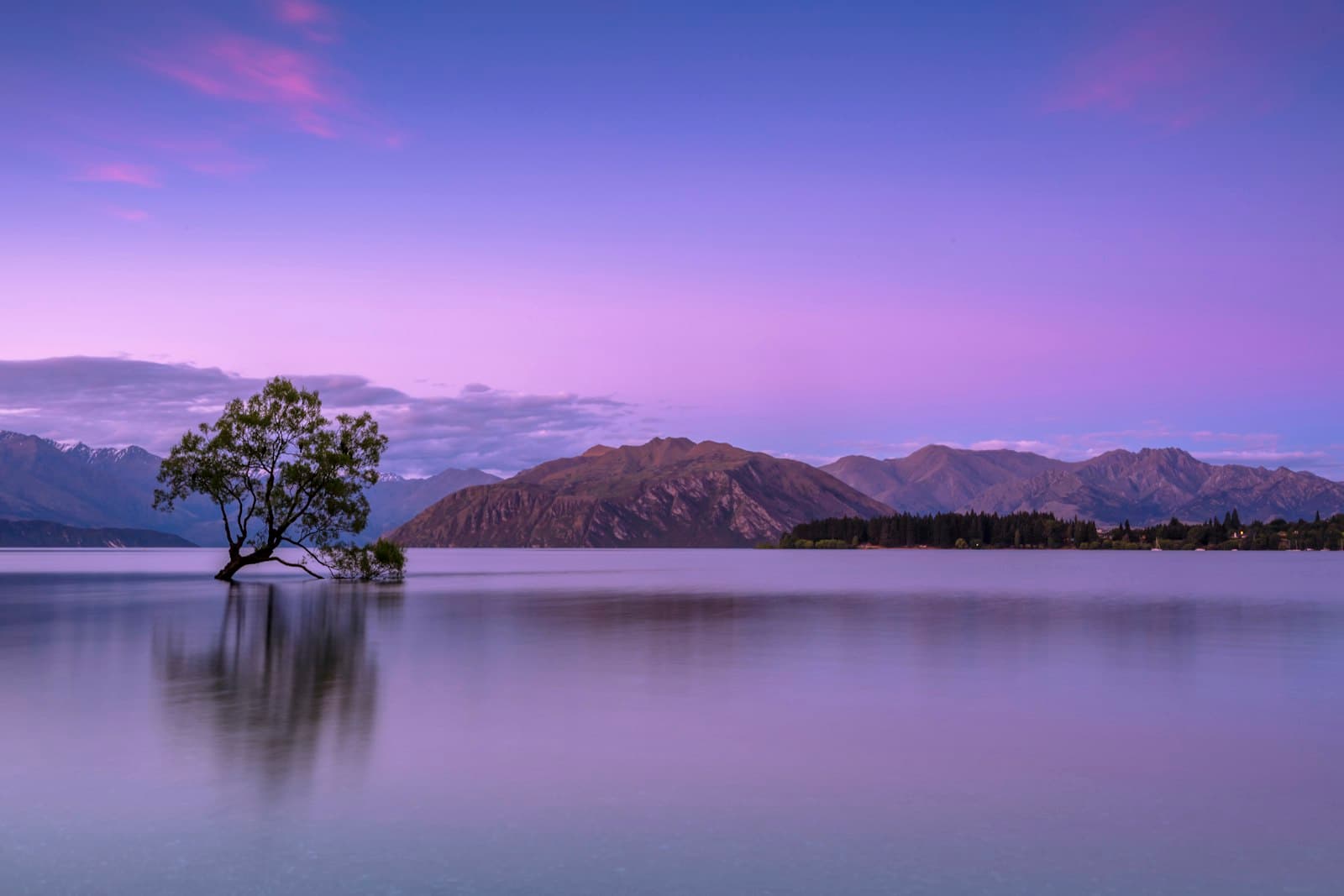
Questo singolo salice, che sembra galleggiare nel Lago Wanaka, ha un'origine sorprendentemente pratica.
La storia completa si sblocca nel tour
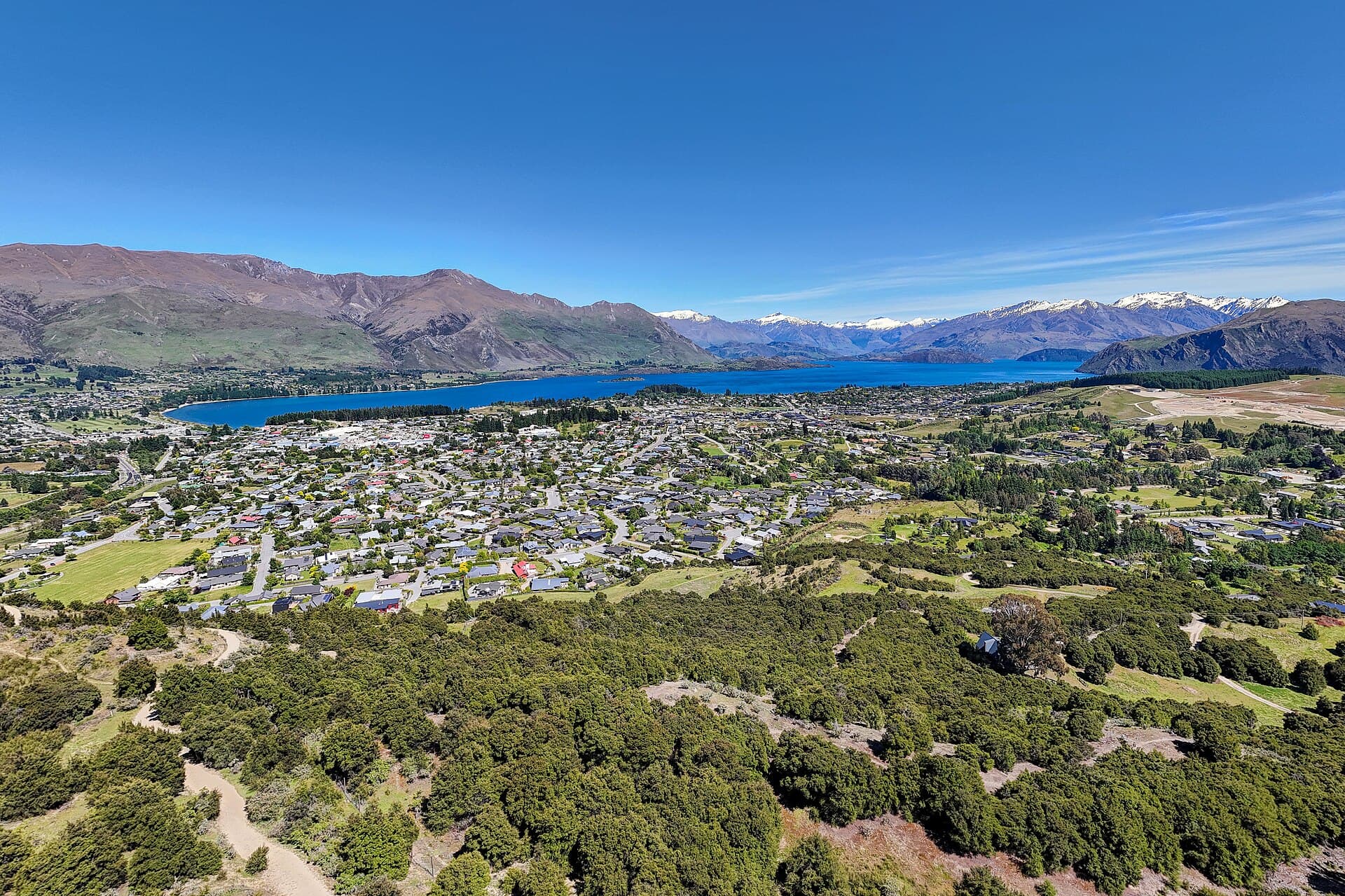 Hagai Agmon-Snir حچاي اچمون-سنير חגי אגמון-שניר / CC BY-SA 4.0, via Wikimedia Commons
Tour audio autoguidato di Wanaka — percorso GPS a piedi, riproduzione offline, narrazione coinvolgente in 32 lingue.
“Dove le acque glaciali incontrano le aspirazioni alpine e curiose realtà.”
Non le cartoline. Le storie che nemmeno i locali conoscono — sussurrate nel tuo orecchio, proprio dove sono accadute.
Questo singolo salice, che sembra galleggiare nel Lago Wanaka, ha un'origine sorprendentemente pratica.
Una destinazione riconosciuta a livello mondiale dedicata a illusioni e rompicapi è iniziata con un inizio audace e non convenzionale.
Una delle vigne più pittoresche della Nuova Zelanda, Rippon Estate, condivide la sua denominazione con una proprietà storica situata lontano da Wanaka.
Scopri ogni segreto di Wanaka
Ogni indirizzo, ogni rivelazione completa — nel tuo orecchio, proprio dove è accaduta.
Scegli le tue tappe. Cammini. La voce rivela ciò che gli altri perdono.


Il tuo tour audio autoguidato di Wanaka è pronto — scegli i tuoi punti di interesse, seleziona la tua lingua e inizia nel momento in cui arrivi.
AcquistaLume include una guida in realtà aumentata. Alza il telefono: la fotocamera mostra la strada davanti a te, con una freccia luminosa sovrapposta all'immagine reale che punta sempre verso la tua prossima tappa — nessuna mappa da decifrare, nessuna svolta sbagliata. Come tutto in Lume, funziona completamente offline.
Wanaka, sull'Isola del Sud della Nuova Zelanda, presenta una fusione di maestosità naturale e un'atmosfera rilassata incentrata sull'outdoor. Posizionata sul margine meridionale del Lago Wanaka e fungendo da porta d'accesso al Parco Nazionale di Mount Aspiring, la città è definita dal suo lago limpido e profondo e dalle Alpi Meridionali circostanti. È una destinazione che attira coloro che cercano sia momenti tranquilli in riva al lago sia esaltanti avventure alpine, spesso considerata un'alternativa più pacifica alla sua vicina più trafficata, Queenstown.
La città stessa possiede un carattere vivace ma calmo, offrendo una selezione di caffè, ristoranti e negozi. Sia che siate attratti dal pittoresco lungolago o dall'estesa rete di sentieri pedonali e ciclabili che si estendono dalla città, Wanaka fornisce una base per esplorare alcuni dei paesaggi più incontaminati della Nuova Zelanda.
## Primi insediamenti Māori e arrivo degli europei L'area circostante il Lago Wanaka era originariamente abitata dai Kāti Māmoe e successivamente dai Ngāi Tahu Māori, che stabilirono insediamenti come Para karehu e Take Kārara. Questi primi abitanti visitavano annualmente, in particolare durante l'estate, per cacciare anguille e uccelli e per cercare pounamu (giada) sulle montagne sopra il fiume Haast. Viaggiavano verso la West Coast e tornavano sulla costa est scendendo il fiume Clutha con i mōkihi, tradizionali imbarcazioni di canne. Tuttavia, gli accampamenti stagionali dei Ngāi Tahu furono infine abbandonati dopo un raid di un gruppo di guerra dell'Isola del Nord nel 1836.
L'insediamento europeo nella Upper Clutha River Valley iniziò negli anni '50 dell'Ottocento con la creazione di stazioni per pecore. Albert Town fu la sede della prima stazione, notevole come unico luogo in cui i coloni potevano guadare il fiume Clutha. Nathaniel Chalmers fu il primo europeo a raggiungere il Lago Wanaka nel 1853, guidato da un capo Māori di nome Reko. Un altro capo, Te Huruhuru, gli disegnò persino una mappa della regione, che è ancora conservata oggi.
## Corsa all'oro e convenzioni di denominazione L'attuale sito di Wanaka fu rilevato per la prima volta nel 1863. La scoperta dell'oro nella vicina Cardrona Valley nel 1862 provocò una corsa all'oro, portando a un aumento degli insediamenti. Negli anni '70 dell'Ottocento, Pembroke, come era allora conosciuta Wanaka, si espanse grazie al taglio del legname nella Matukituki Valley, con il Lago Wanaka utilizzato per il trasporto. La città fu rinominata Pembroke in onore del segretario coloniale britannico Sydney Herbert, ma il suo nome tornò a Wanaka nel 1940 per evitare confusione con il lago. Il nome Wānaka stesso è una forma dialettale Māori dell'Isola del Sud di wānanga, che significa 'conoscenza sacra' o 'luogo di apprendimento'. Nel 2021, il nome della città è stato ufficialmente cambiato in Wānaka, incorporando il macron.
Iniziate la vostra esplorazione dal Lago Wanaka, il quarto lago più grande della Nuova Zelanda, che offre opportunità per nuotare, fare kayak e paddleboard. Le limpide acque del lago sono incorniciate dalle maestose cime del Parco Nazionale di Mount Aspiring.
Nessuna visita è completa senza osservare That Wanaka Tree, un salice solitario che cresce dal lago vicino alla riva di Roy's Bay. È uno dei monumenti naturali più fotografati della Nuova Zelanda.
Per ampie vedute, salite sul Mount Iron per una passeggiata relativamente breve di 1,5 ore, o sfidate voi stessi con la salita più ripida verso Roys Peak per ampie viste del Lago Wanaka e delle montagne circostanti. Un'alternativa al frequentemente affollato Roys Peak è Isthmus Peak, che offre viste altrettanto impressionanti sia del Lago Wanaka che del Lago Hawea.
Immergetevi nel bizzarro al Puzzling World, un'attrazione che presenta un labirinto tridimensionale, stanze di illusioni ottiche e l'insolita Torre Pendente di Wanaka. Per un'esperienza più tranquilla, visitate la Wanaka Lavender Farm, dove potrete passeggiare tra campi profumati.
Esplorate le Blue Pools nel Parco Nazionale di Mount Aspiring, riconosciute per le loro acque glaciali cristalline, accessibili tramite un facile sentiero pedonale. Considerate un tour in barca verso Mou Waho Island, una delle isole del Lago Wanaka, dove potrete camminare fino a un punto panoramico che si affaccia sulla distintiva Arethusa Pool, un lago su un'isola dentro un lago.
Wanaka gode di un clima semi-continentale con quattro stagioni distinte. Ogni stagione offre un'esperienza diversa, rendendola una destinazione per tutto l'anno.
Estate (dicembre-febbraio) è il periodo più apprezzato, con tempo caldo e secco e temperature che spesso raggiungono i 20 gradi Celsius (metà degli anni '70 - '80 Fahrenheit). È ideale per attività sul lago, passeggiate e ciclismo.
Autunno (marzo-maggio) porta temperature miti e suggestivi colori autunnali, con alberi che si tingono di brillanti sfumature di oro, arancio e rosso. Questa stagione intermedia offre meno folla.
Inverno (giugno-agosto) trasforma Wanaka in una destinazione alpina, con temperature fredde e frequenti nevicate in montagna, perfette per sciare e fare snowboard nei vicini comprensori come Treble Cone e Cardrona.
Primavera (settembre-novembre) vede lo scioglimento delle nevi, la fioritura dei fiori selvatici e l'aumento delle temperature. I sentieri riaprono e le cascate sono spesso al loro massimo splendore.
Wanaka si trova nella regione dell'Otago, sull'Isola del Sud della Nuova Zelanda, a circa un'ora di auto a nord di Queenstown. L'aeroporto più vicino è Queenstown Airport (ZQN), da cui è possibile noleggiare un'auto o prendere una navetta per Wanaka. Guidare da Christchurch o Dunedin è anche un'opzione, con servizi di autobus disponibili. Noleggiare un'auto o un camper è un modo popolare per esplorare la Nuova Zelanda, ma ricordate che si guida sul lato sinistro della strada.
Wanaka stessa non dispone di un sistema di trasporto pubblico formale, quindi spostarsi in città avviene principalmente a piedi, in bicicletta o in taxi. La città è generalmente informale, quindi abbigliamento sportivo e comodo sono raccomandati per le attività all'aperto. Durante l'inverno, sono essenziali abiti caldi, inclusa una giacca sostanziosa, cappelli e guanti. Controllate sempre le condizioni meteorologiche e stradali prima di intraprendere passeggiate o viaggi più lunghi, in particolare nelle aree alpine.
Wanaka — coreano, cinese, ebraico e altre 29 lingue, ogni tappa narrata da una voce madrelingua. La più ampia scelta di lingue tra i tour audio autoguidati.
Disponibile in: