Mida Creek
Voorbij het rustige kajakken onthult een pad door de mangroves iets onverwachts.
Volledig verhaal ontgrendeld in de tour
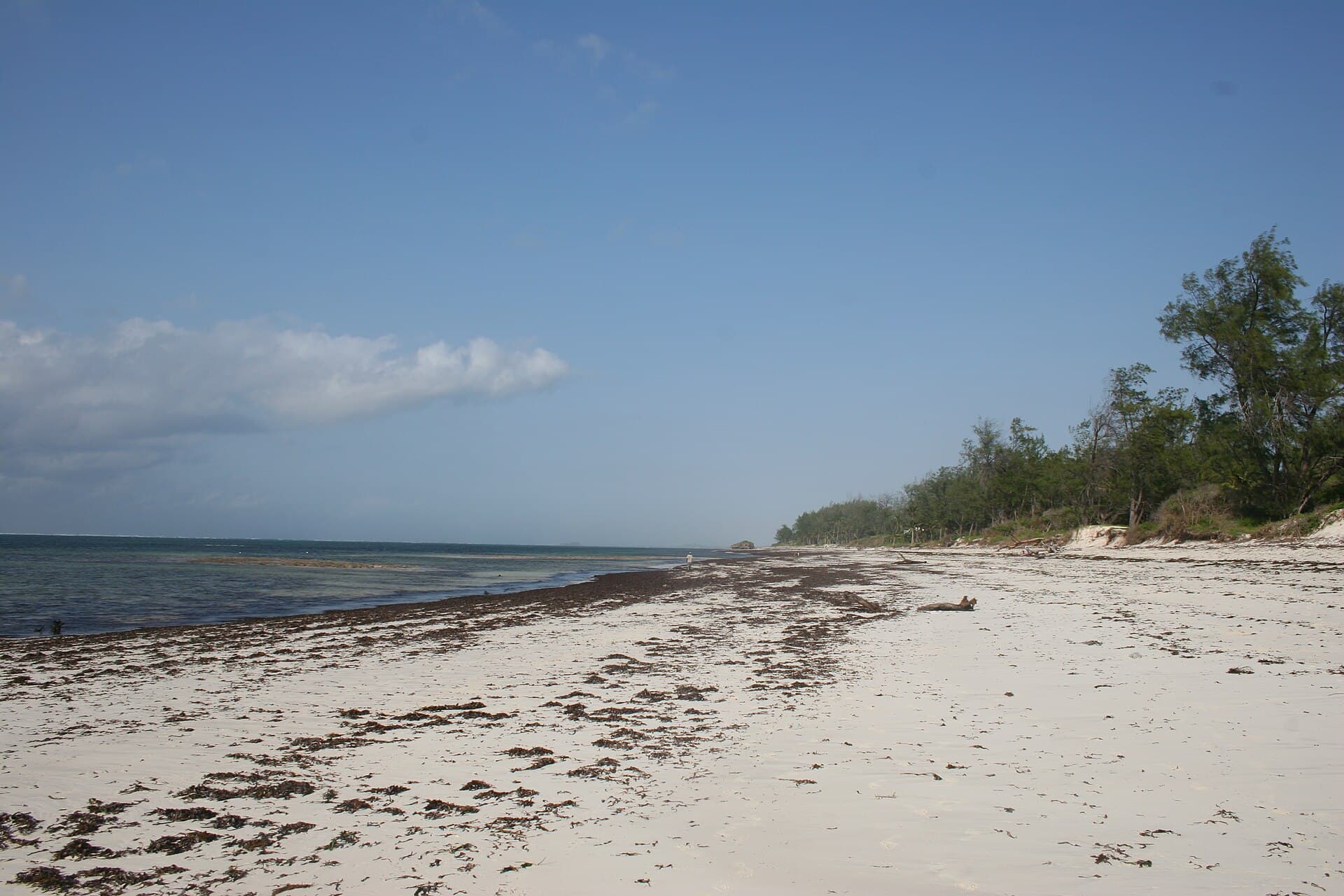 Alsandro / CC BY-SA 3.0, via Wikimedia Commons
Zelfgeleide audiowandeling door Watamu — GPS-route, offline afspelen, meeslepende vertelling in 32 talen.
“Waar de Indische Oceaan geheimen fluistert en het zand zich oude handel herinnert.”
Niet de ansichtkaarten. De verhalen die zelfs locals niet kennen — gefluisterd in je oor, precies waar ze gebeurden.
Voorbij het rustige kajakken onthult een pad door de mangroves iets onverwachts.
De lokale begroeting die je hoort, doet je misschien afvragen of je in een ander land bent beland.
Voordat u ook maar een teen in het beschermde water steekt, is er een cruciale stap die velen over het hoofd zien.
Ontdek elk geheim van Watamu
Elk adres, elke onthulling volledig — in je oor, precies waar het gebeurde.
Jij kiest je stops. Jij wandelt. De stem onthult wat de anderen missen.
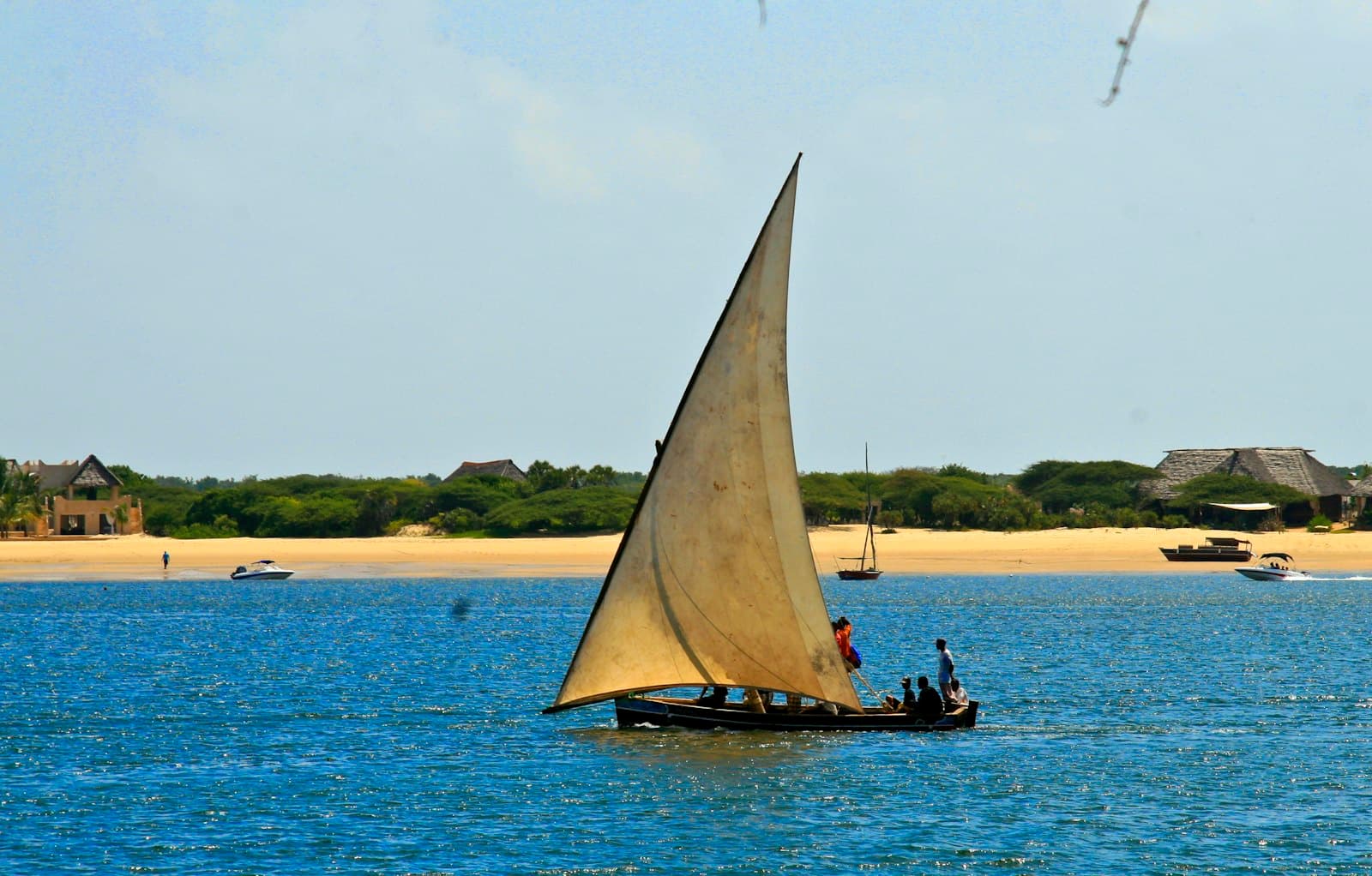
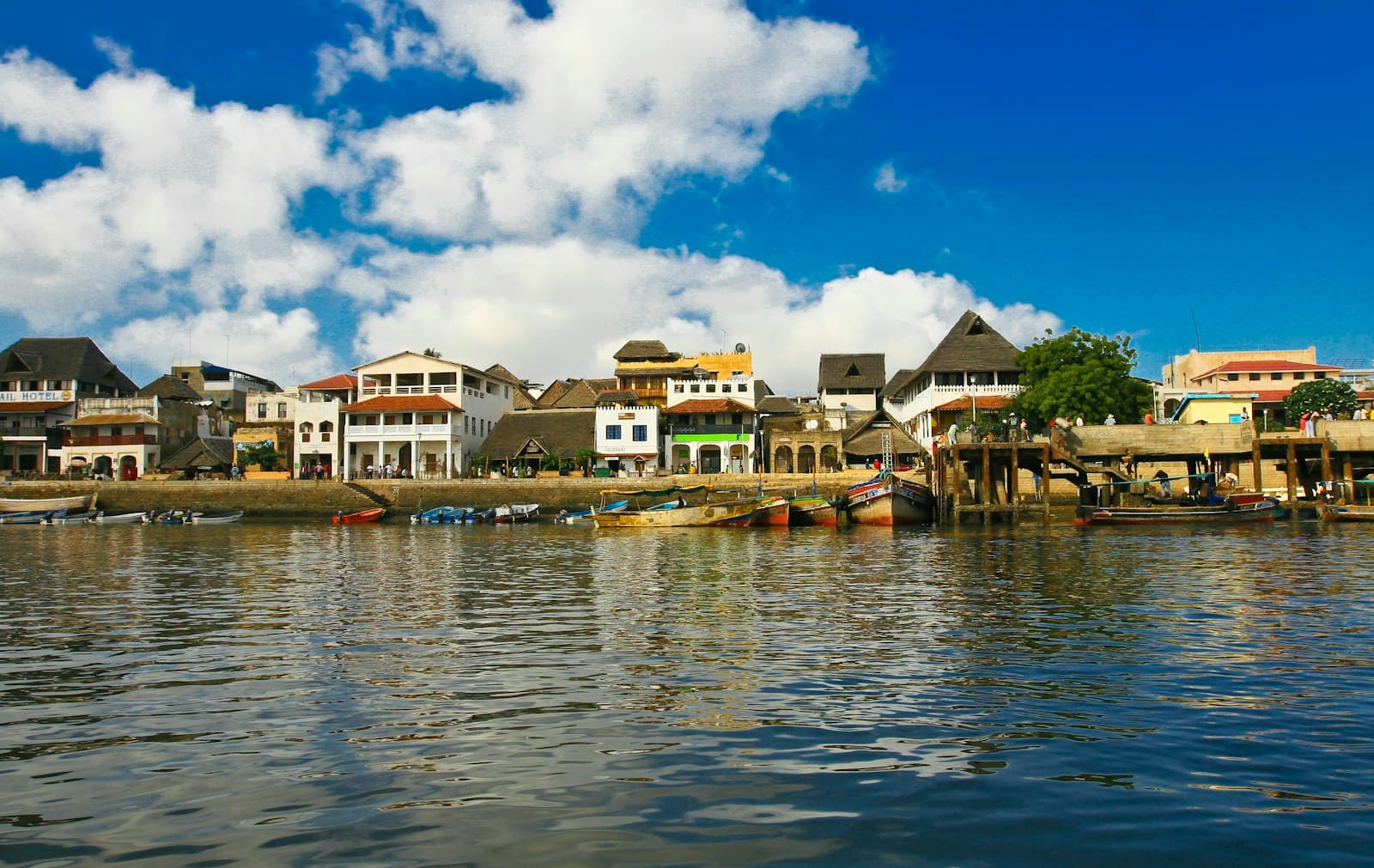
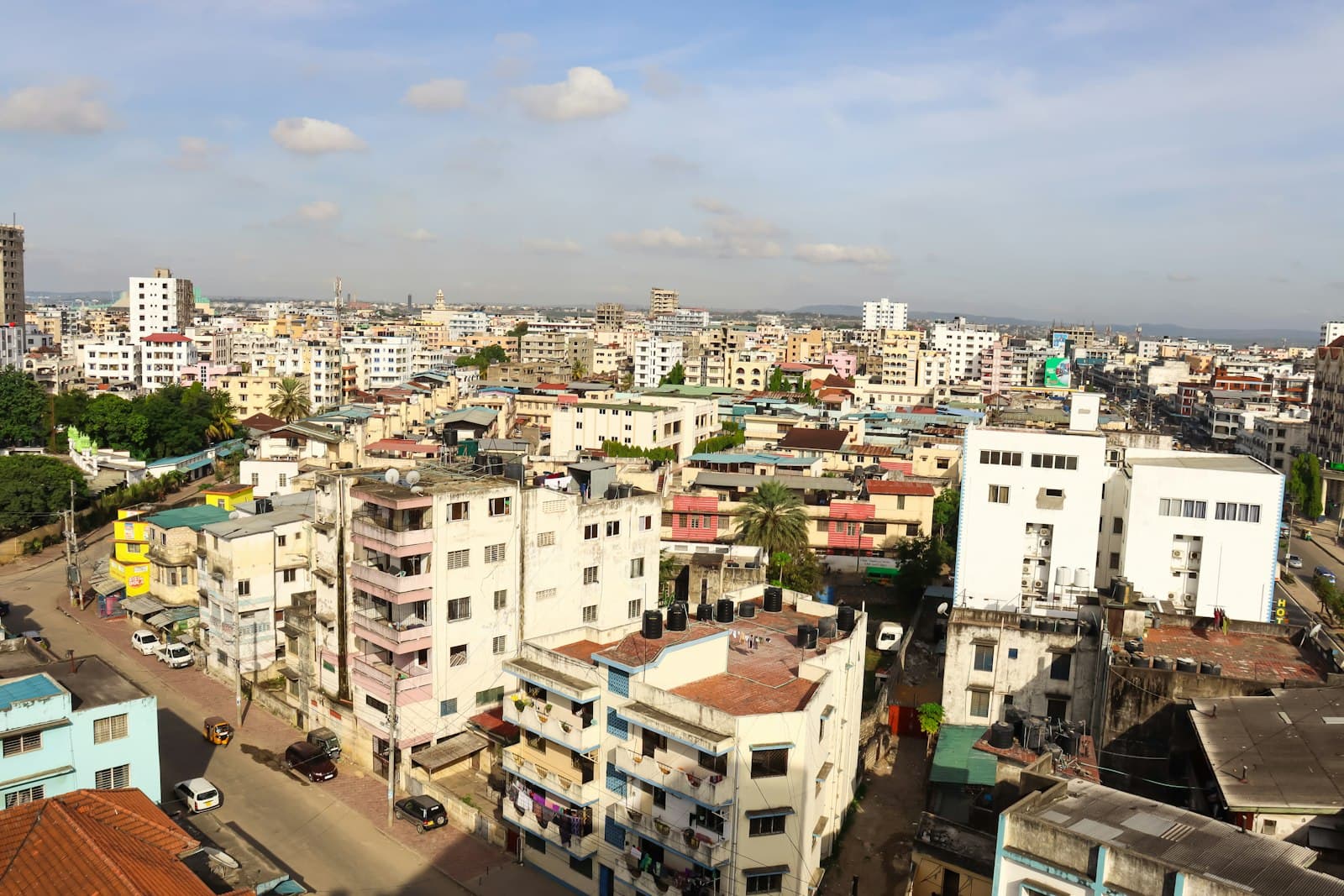
Je zelfgeleide audiotour van Watamu is klaar — kies je bezienswaardigheden, kies je taal en start zodra je aankomt.
KopenLume heeft een ingebouwde augmented-reality-gids. Houd je telefoon omhoog: de camera toont de straat voor je, met een oplichtende pijl over het echte beeld die altijd naar je volgende stop wijst — geen kaart om uit te puzzelen, geen verkeerde afslagen. Zoals alles in Lume werkt het volledig offline.
Watamu, een klein kustplaatsje aan de Indische Oceaan, betekent 'Thuis van de lieve mensen' in Swahili, een reputatie die het probeert hoog te houden. Gelegen ongeveer 105 km ten noorden van Mombasa en 15 km ten zuiden van Malindi, is het een plek waar witte zandstranden samenkomen met weelderige mangrovebossen en koraalriffen. Dit serene toevluchtsoord aan zee is geëvolueerd van een historische handelslocatie tot een populaire en ecologisch belangrijke toeristische bestemming, grotendeels dankzij natuurbeschermingsinspanningen en de oprichting van het Watamu Marine National Park.
De stad biedt een ontspannen, relaxte sfeer aan zee, waardoor het een favoriete plek is om tot rust te komen. De kenmerkende kustlijn bestaat uit kleine verlaten eilandjes en zandbanken die bij eb tevoorschijn komen, wat unieke wandelpaden en ligplekken biedt. De kustlijn is versierd met palmen, waarachter huizen uit de koloniale tijd verborgen liggen. Watamu wordt ook erkend als een UNESCO Biosfeerreservaat, wat het belang ervan benadrukt voor het balanceren van biodiversiteitsbehoud met duurzame ontwikkeling.
De geschiedenis van Watamu is nauw verweven met eeuwenlange maritieme handel langs de Oost-Afrikaanse kust. Arabische, Perzische en Portugese handelaren bezochten de regio en lieten culturele invloeden achter die vandaag de dag nog steeds aanwezig zijn. Archeologische vondsten geven aan dat Watamu al sinds ten minste de 13e eeuw bewoond is. De lokale Bajuni-bevolking traceert hun oorsprong naar het huwelijk tussen de inheemse Giriama-bevolking en vroege Arabische handelaren.
Een belangrijke historische vindplaats in de buurt van Watamu zijn de Gedi-ruïnes, de overblijfselen van een middeleeuwse Swahili-nederzetting die eeuwenlang bloeide tot de 17e eeuw. Deze ommuurde stad bevat overblijfselen van stenen gebouwen zoals een paleis, moskeeën en kenmerkende pilaargraven, die een glimp bieden van een eens bruisende handelshub. De ruïnes zijn een belangrijke archeologische vindplaats, die bijdragen aan onderzoek naar de oude Keniaanse cultuur en artefacten herbergen die uit het gebied zijn opgegraven.
In recentere geschiedenis heeft Watamu een opmerkelijke Italiaanse invloed gekend. Dit begon met groepen Italianen die zich in het gebied vestigden, deels vanwege de oprichting van het Luigi Broglio Space Centre. Veel van deze families bleven en droegen bij aan de unieke culturele mix van Watamu, soms liefkozend 'Klein Italië' genoemd.
De oprichting van het Watamu Marine National Park and Reserve in 1968 markeerde een keerpunt voor de stad. Het was een van de eerste zeereservaten van Kenia, opgericht om representatieve koraalriffen en mangrove-ecosystemen te beschermen, wetenschappelijk onderzoek te bevorderen en duurzaam gebruik van mariene hulpbronnen te ondersteunen. In 1979 werden Watamu, samen met de Malindi Marine Protected Areas, de eerste Marine Protected Areas in Afrika en de derde wereldwijd die werden aangewezen als UNESCO Man and the Biosphere (MAB) Reserve. Deze aanwijzing onderstreepte het wereldwijde belang van het gebied als een model voor het balanceren van natuurbescherming, duurzame ontwikkeling en onderzoek.
Watamu biedt een verscheidenheid aan ervaringen, van mariene exploratie tot culturele onderdompeling. Het Watamu Marine National Park is een belangrijke trekpleister, bekend om zijn koraaltuinen op slechts 300 meter van de kust, de thuisbasis van ongeveer 600 vissoorten, 110 soorten steenkoraal en talloze ongewervelden. Het wordt beschouwd als een van de beste snorkel- en duikgebieden aan de Oost-Afrikaanse kust. Bezoekers kunnen boottochten maken of bij eb naar het rif zwemmen om groene zeeschildpadden, karetschildpadden en warana-schildpadden te zien, die tussen april en oktober nestelen op het hoofdstrand van Watamu. Het park is ook een hotspot voor dolfijn- en walvisspotten.
Mida Creek, een getijdeninham omzoomd door mangrovebossen, is een UNESCO Biosfeerreservaat en een toevluchtsoord voor wildlife. Kajakken door de mangroves is een populaire activiteit, die de kans biedt om diverse vogels te spotten, waaronder flamingo's, reigers en ijsvogels. Een hangende promenade maakt ook verkenning van het mangrove-ecosysteem mogelijk. De Gedi-ruïnes, een middeleeuwse Swahili-nederzetting, bieden een historisch tegenwicht, met overblijfselen van stenen gebouwen en pilaargraven om te verkennen.
Voor avonturen op het land ligt het Arabuko-Sokoke Forest op korte afstand, een van de grootste stukken Brachystegia-bos op de Oost-Afrikaanse kust. Het is een belangrijke bestemming voor vogelliefhebbers, de thuisbasis van zes bedreigde vogelsoorten, en herbergt ook olifanten en andere zoogdieren. Ten slotte biedt een bezoek aan Bio-Ken Snake Farm een rondleiding langs meer dan 100 soorten slangen, schildpadden, hagedissen en kameleon, waaronder de onlangs ontdekte (2007) grootste spugende cobra ter wereld, Naja ashei.
Watamu is het hele jaar door warm. De beste tijd om te bezoeken voor heldere luchten en comfortabele temperaturen is tijdens het langste droge seizoen, van juli tot oktober. Januari tot begin maart biedt ook droge omstandigheden, hoewel het vochtiger kan zijn. Voor optimale snorkel- en duikzichtbaarheid worden drogere maanden aanbevolen. Watamu heeft twee regenseizoenen: een korte in november en december, en een langere van april tot juni, waarbij mei doorgaans de natste maand is. Zware regenval tijdens deze periodes kan de zichtbaarheid voor wateractiviteiten beïnvloeden.
Watamu is bereikbaar over de weg, ongeveer 120 km ten noorden van Mombasa en 28 km ten zuiden van Malindi. De dichtstbijzijnde luchthavens zijn Malindi (30 minuten verderop) en Mombasa (2-3 uur verderop). Veel accommodaties kunnen transfers regelen. Eenmaal in Watamu zijn tuk-tuks en motoren de meest voorkomende en betaalbare vervoermiddelen. Het is raadzaam om een prijs af te spreken voordat u aan uw reis begint. De lokale valuta is de Keniaanse Shilling (KSH). Hoewel kaarten worden geaccepteerd in veel hotels en restaurants, is contant geld essentieel voor tuk-tuks, lokale markten en kleinere etablissementen. Geldautomaten zijn beschikbaar, maar het wordt aanbevolen om een redelijke hoeveelheid contant geld bij u te hebben. Voor snorkelen en duiken in het Marine Park is een vergunning van de Kenya Wildlife Service vereist.
Watamu — Koreaans, Chinees, Hebreeuws en nog 29 talen, elke stop verteld door een moedertaalspreker. Het grootste taalaanbod van alle zelfgeleide audiotours.
Beschikbaar in: